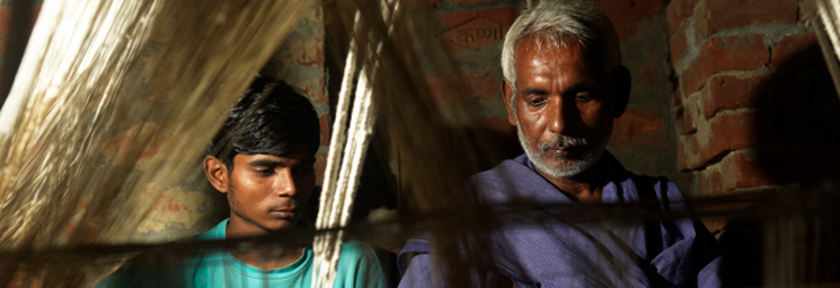
Category Archives: The Guardian

James Marsden: ‘I love playing the ass’

In Jury Duty, an inspired new docu-style comedy series that blurs fact and fiction, James Marsden plays an obnoxiously awful caricature of himself who boasts about auditioning for a soon-to-be-disgraced director, throws a hilarious tantrum at a birthday party and gets involved in a bizarre sex act known as “soaking”. Marsden stars alongside Ronald Gladden, very much the Truman in this blend of The Truman Show and The Office, and the two first encounter each other as they’re about to enter a jury room, with Gladden eventually twigging that he recognises Marsden from his X-Men role as Cyclops. Marsden then mentions his recent part in Sonic the Hedgehog. “Oh, I didn’t see that,” says Gladden. “I heard it’s a really bad movie.”

Marsden, the real Marsden, gives a hoot as he finishes telling me this story. “That’s comedy gold,” says the actor, who also played android gun-slinger Teddy in Westworld, and the poor guy Rachel McAdams dumps at the end of The Notebook. Marsden, it soon transpires, likes nothing better than getting a laugh at his own expense. We’re meeting at a fashionable hotel on the Sunset Strip, the actor’s LA base since moving to Austin, Texas, during the pandemic. He is still boyishly handsome at 49, all piercing blue eyes and cheekbones that could cut glass, but he insists that beneath the leading man looks, he’s a clown at heart. “I love playing the buffoon and the ass,” he says. “Someone who thinks they’re great at something but are clearly not. I’d much rather do that than play James Bond.”

Continue reading at The Guardian

System of a Down’s Serj Tankian: ‘If something is true, it should be said’

Of all the nights Serj Tankian has stood on stage surveying a crowd of 50,000 faces roaring his own words back at him, there is one that the System of a Down frontman will never forget. On 23 April 2015, the metal band gave a two-and-half hour, 37-song set to a rapturous audience in Republic Square, in the heart of the Armenian capital Yerevan. For a band formed in the diaspora community of Los Angeles’ Little Armenia in 1994, the occasion could not have been more significant: they had been invited to perform in the country for the first time as part of events marking the centenary of the Armenian genocide, in which an estimated 1.5 million Armenians were killed between 1915 and 1922. “The overwhelming feeling was of belonging,” says Tankian, 53, speaking from his airy home studio in Los Angeles. “It felt like we were created 21 years earlier so we could be there that night.”

For Tankian, whose outspoken political activism often animates his songwriting, seeking international recognition of the Armenian genocide has been a lifelong and personal campaign. On stage that night in Yerevan he told the story of his grandfather Stepan Haytayan, who was just five years old when he saw his father murdered in the atrocities; he later went blind from hunger. Between songs, Tankian railed against Barack Obama’s resistance to using the term “genocide” to describe the atrocities after taking office, before turning his ire on Armenia’s authoritarian president, Serzh Sargsyan. “We’ve come a long way, Armenia, but there’s still a lot of fucking work to do,” Tankian told the audience, before calling out the “institutional injustice” of Sargsyan’s administration and demanding the introduction of an “egalitarian civil society”.

Continue reading at The Guardian.

‘I will kill you if you give this song to anyone but me’: how Peggy Lee was perfect for Is That All There Is?

In September 1968, songwriting titans Jerry Leiber and Mike Stoller were on the hunt for a singer for their curious new composition Is That All There Is? The song was something of a departure for the writers of Hound Dog and Jailhouse Rock. It had been inspired by Thomas Mann’s 1896 short story Disillusionment, which deals with what Leiber called “the existential hole that sits in the centre of our souls”. The fatalistic spoken-word verses describe the narrator watching their house burn down, losing their first love, and even facing death, “that final disappointment”, with sanguine grace.

The pair felt the song needed an actress to sell it so offered it to Marlene Dietrich and Barbra Streisand before thinking of Peggy Lee. After catching her show at the Copacabana in New York, they handed Lee a demo. She called them the moment she listened to it. “I will kill you if you give this song to anyone but me,” she said. “This is my song. This is the story of my life.”

Continue reading at The Guardian.

Rob McElhenney: ‘I was fuelled by privilege, ignorance and testosterone’

Although it belongs to one of the creators of depraved sitcom It’s Always Sunny in Philadelphia, there is nothing particularly funny about Rob McElhenney’s office, a bland, sparsely decorated room in the corner of a bungalow on the CBS studio lot in Los Angeles. As I wait for him to arrive, in the last days before the coronavirus pandemic shuts down productions across Hollywood, my eyes are drawn to the only unusual feature in the room: a doorbell-sized button built into the desk.

A moment later McElhenney breezes in, walks behind the desk and presses it. Across the room, the door swings silently closed. “When we saw it,” he says, grimacing as he takes a seat on the couch, “we were like: ‘Oh God, this is from a bygone era.’” It’s the sort of sinister tech Always Sunny’s creepy Dennis might employ; indeed, the same kind of button was cited in the 2017 sexual assault allegations against former NBC news anchor Matt Lauer.

Megan Ganz, co-creator of McElhenney’s new show for Apple, Mythic Quest: Raven’s Banquet, found an identical button in her office next door. “We were making jokes about how wholly inappropriate they are, but then Meg was like: ‘I use it all the time!’ You realise the button that closes the door is not the issue. The one that locks the door, that’s the problem.”

Continue reading at The Guardian

Grimes review – a suitably surreal invasion of the Miami Art Basel

Grimes-Art-BaselThe art world has descended on Miami for Art Basel, the annual fair dedicated to proving that old idiom about a fool and his money. The most talked-about piece so far is by the Italian artist Maurizio Cattelan, who has found at least two buyers for a work consisting of a banana duct-taped to a wall. Arrested Development’s Lucille Bluth once blithely asked: “I mean, it’s one banana, Michael. How much could it cost?” The answer, it turns out, is $120,000.

Continue reading at The Guardian.

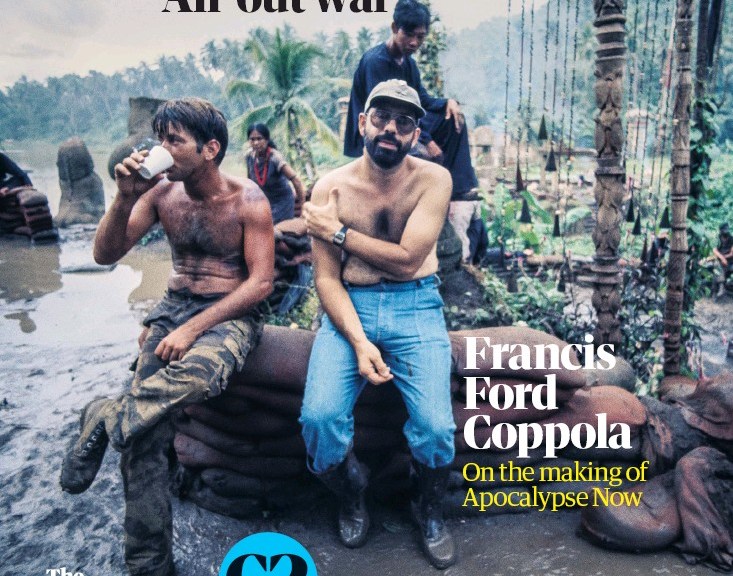
All-out war: Francis Ford Coppola on the making of Apocalypse Now

francis-ford-coppolaFounded in 1887 by a Finnish sea captain named Gustave Niebaum, Inglenook is a sprawling 1,680-acre winery known as “the Queen of the Napa Valley”. The estate contains 280 acres of vineyards, a Queen Anne-style Victorian mansion and a magnificent stone-and-iron chateau, all of which combine to create a refined northern Californian ambience that is about as far away as it’s possible to imagine from being in the shit in Vietnam.

Yet arguably the greatest war film of them all owes much to Inglenook. Bought in 1975 by Francis Ford Coppola, using his spoils from The Godfather, he promptly risked the property, staking it to raise money for what would become one of the most arduous and challenging productions in the history of film. It is also here, in the estate’s old carriage house, that Coppola has spent the past two years restoring and refining a new – and he says definitive – version of that film: Apocalypse Now: Final Cut.

Continue reading at The Guardian.

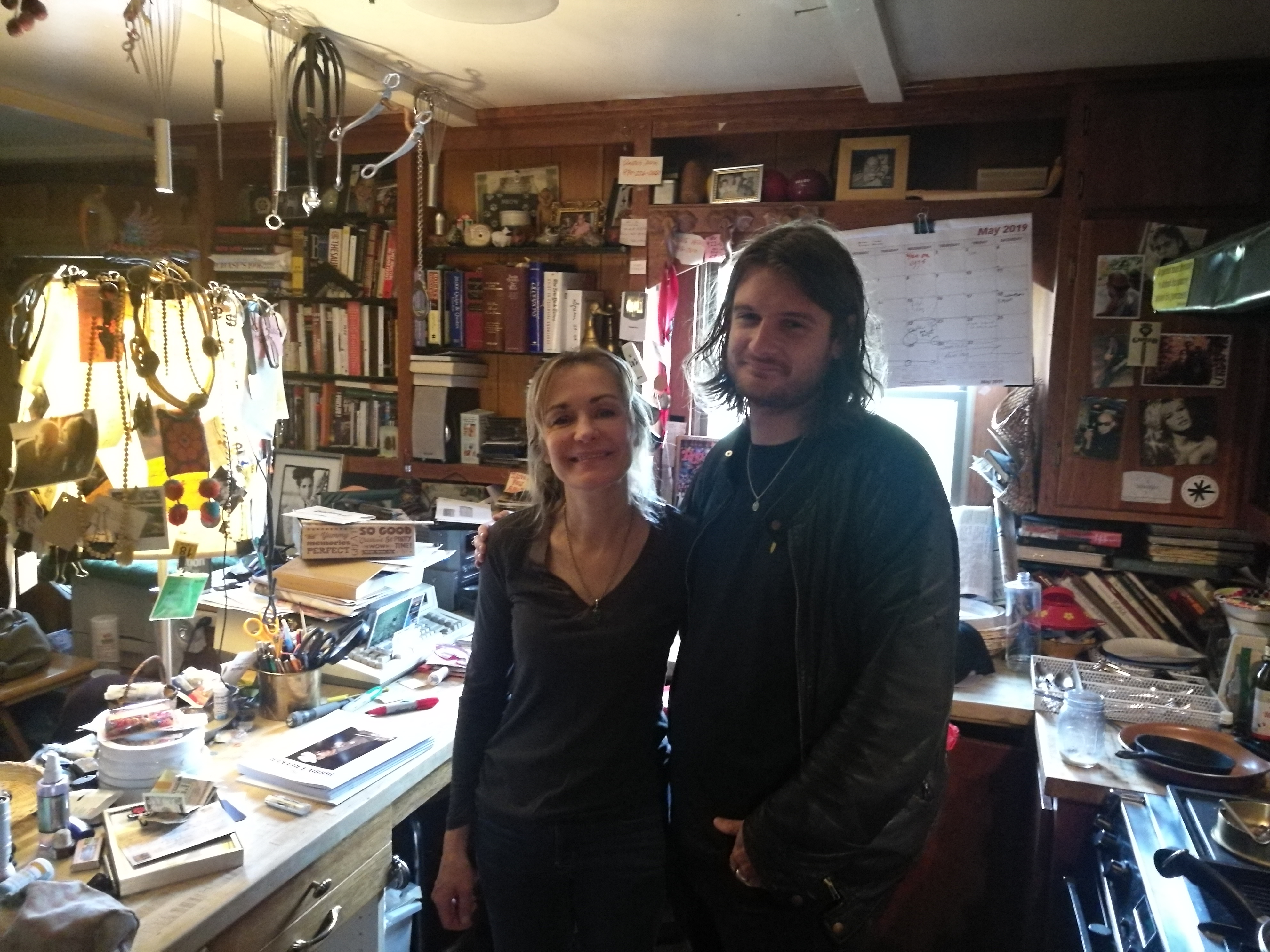
My gonzo night at Hunter S Thompson’s cabin

sdr

It is 4.30 on a Thursday morning and I am writing these words on the big red IBM Selectric III that once belonged to Hunter S Thompson. Owl Farm, Thompson’s “fortified compound” in Woody Creek, Colorado, is dark and silent outside. Even the peacocks he raised are sleeping. The only sound anywhere is the warm hum of this electric typewriter and the mechanical rhythm of its key strikes, as clear and certain as gunfire.

In April, Thompson’s widow, Anita, began renting out the writer’s cabin to help support the Hunter S Thompson scholarship for veterans at Columbia University, where both she and Hunter studied. It sits beside the main Thompson home on a 17-hectare estate marked with hoof prints and elk droppings that gradually rises towards a mountain range. A short walk uphill is the spot where Thompson’s ashes were fired into the sky from a 153ft tower in the shape of a “Gonzo fist”, a logo he first adopted during his unsuccessful 1970 campaign to be sheriff of nearby Aspen. Johnny Depp, who played Thompson in Fear and Loathing in Las Vegas, picked up the $3m tab for that elaborate sendoff, which took place shortly after Thompson killed himself in 2005.

Continue reading at The Guardian.

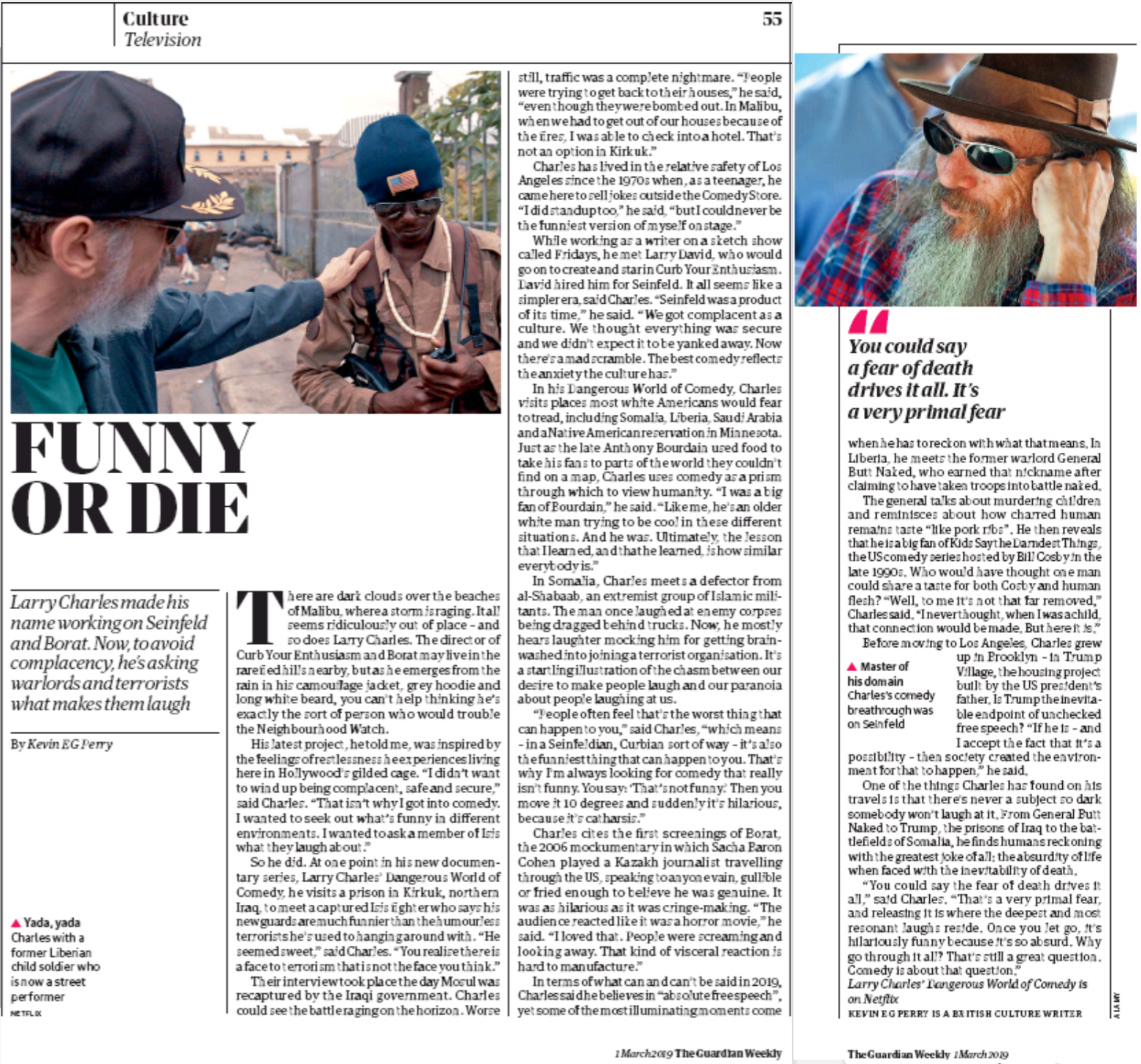
Borat director Larry Charles: why I asked terrorists to tell me a joke

larry-charles-guardian-weekly

There are dark clouds over the beaches of Malibu, where a storm is raging. It all seems ridiculously out of place – and so does Larry Charles. The director of Curb Your Enthusiasm and Borat may live in the rarefied hills nearby, but as he emerges from the rain in his camouflage jacket, grey hoodie and long white beard, you can’t help thinking he’s exactly the sort of person who would trouble the Neighbourhood Watch.

His latest project, he tells me, was inspired by the feelings of restlessness he experiences living here in Hollywood’s gilded cage. “I didn’t want to wind up being complacent, safe and secure,” says Charles. “That isn’t why I got into comedy. I wanted to seek out what’s funny in different environments. I wanted to ask a member of Isis what they laugh about.”

Continue reading at The Guardian.

Warung: the Brazilian paradise that had to fight for the right to party

warung-beach-clubNo matter who is behind the decks come 7am, Warung Beach Club always has the same headline act. The main room of the 2,500-capacity temple to dance music on the Brazilian coast faces east towards the south Atlantic, which means God herself does the lighting. “When the sun comes up, it’s magical,” says club founder Gustavo Conti, standing on a terrace overlooking the beach. “That’s because nature is magical, and we’re here in it.”

The club, in the southern state of Santa Catarina, emerges from the Atlantic forest where the land meets the sea, enclosed by vegetation on all sides and built from wood, like a particularly ambitious treehouse. Next month, Warung celebrates its 16th anniversary. DJ Lee Burridge has been coming to play here for almost that long. “It’s one of those endlessly wonderful places that you never want to leave,” he says. “Where it is and what it’s built from give the sound a really warm resonance. Inside you can be hit over the head with a shovel musically, and outside you can be cuddled musically. There’s also a lot of beautiful, beautiful people dancing their asses off.”

Continue reading at The Guardian.

‘He sings about things everyone our age feels’: how Rat Boy created a feverish youth cult

rat-boyJordan Cardy, a 21-year-old who goes by the name of Rat Boy, inspires the sort of fevered devotion that often seems to follow those with his initials. His fans start arriving six hours early for the launch of his debut album, Scum, gathering in the cold and damp, graffiti-covered tunnel beneath London’s Waterloo station. One of the first to arrive is 16-year-old Saskia, who deftly explains Rat Boy’s appeal. “He sings about being poor quite a lot, and I find that really relatable,” she says. “He’s singing about things everyone our age is feeling.”

The list of topics covered on Scum includes: signing on, fake IDs, worrying about a third world war, getting sacked from Wetherspoons and “living off mum”, Critics often compare Rat Boy to oik-rock precursors such as Jamie T, the Beastie Boys and early Blur – both Damon Albarn and Graham Coxon appear on the record – but his fans also see more highbrow influences. “He reminds me of Salvador Dalí,” says 16-year-old Luke. “His style is always a bit weird and abstract.”

Rat Boy is not merely reflecting millennial fears back to his fans; he is refracting their world through a surrealist prism. Through his hand-drawn artwork, the videos he storyboards himself and the fake radio station that plays between songs on his album, he has built a Technicolor universe, populated with garish characters and brands, that is inspired as much by Grand Theft Auto, Tarantino movies and Spike Jonze skateboard videos as it is by indie bands.

Continue reading at The Guardian.

Manana: the festival helping contemporary Cuban music go global

AriwoIn an age where anything from Daft Punk to Debussy can be summoned at the touch of a screen, it’s hard to imagine that, like bills or milk bottles, new music-hungry Cubans get the latest tunes delivered by hand. In lieu of fast, reliable internet, dealers distribute El Paquete Semanal (“The Weekly Package”), a terabyte of choice music and movies, via USB stick.

This presents a challenge for musicians seeking the latest trends. “I didn’t send an email until I was 27,” remembers Hammadi Valdes, a Latin Grammy-winning percussionist who grew up in the capital, Havana. “That’s a big barrier. For the development of new music, the internet is crucial.”

Continue reading at The Guardian.

From Charlotte Church to David Byrne: the musicians making covers bands cool

charlotte-churchIt was past one o’clock on the Monday morning of last year’s Glastonbury, around the time thoughts usually turn to proper beds, showers, and drinking anything other than warm cider. But the sweat-slicked crowd squeezed into the Rabbit Hole didn’t want any of that. They wanted to hear En Vogue’s Don’t Let Go collide with King Crimson’s 21st Century Schizoid Man. They wanted Destiny’s Child’s Bootylicious segueing into Rage Against the Machine’s Killing in the Name. They wanted, as their full-throated chant put it: “Charlotte! Charlotte! Charlotte fucking Church!” The former child soprano’s Late Night Pop Dungeon is a riotous set that sees her cover an eclectic mix of disco hits, rock anthems and cult pop curios and is responsible for the most Church-based excitement since Martin Luther nailed the ninety-five theses to a door in 1517.

Continue reading at The Guardian.

The Other Side Of The Coyne

wayne-coyneIt’s almost a surprise that Wayne Coyne doesn’t roll up to our interview in his giant hamster ball. The Flaming Lips frontman is so defined in his Wayne Coyne-ness that, waiting around, it’s hard not to picture him as he appears onstage: an intergalactic pirate smothered with fake blood and confetti, flanked by dancing pandas, his boulder-sized fists raised aloft to shoot green lasers into the sky. This is a man whose life is such a carnival of oddness that he’ll sometimes forget he’s carrying a solid gold hand grenade, which didn’t go over well when he took it through customs at Oklahoma City’s airport back in 2012. When he wanders into the lounge of his Clerkenwell hotel engulfed in a baggy hoodie, he can’t help but seem down to earth measured against his reputation. Despite the glitter in his snowy ringlets and the glue-on plastic diamonds studded around his right eye, he’s human after all.

Continue reading at The Guardian.

Jim Jarmusch: Not For Turning

jim-jarmusch-guardian-guide

jim-jarmusch-kegp

There’s a line in Jim Jarmusch’s 1986 film Down By Law that seems apposite in November 2016. It goes: “My mama used to say that America’s the big melting pot. You bring it to a boil and all the scum rises to the top.”

Over tea in a Paris hotel, Jarmusch considers whether he’d agree. “Kind of appropriate, but also kind of cynical,” he says finally. “But it’s a scary and sad time with these creeps coming to the top. I think we all have to be vigilant around the world now with Brexit, and Marine Le Pen in France. There’s a lot of scary shit, you know?”

Jarmusch is 63 but looks exactly as he has for the last 30 years. He’s wearing dark glasses indoors and is dressed as if he may at any moment be called on to play guitar with the Velvet Underground. His hair is that crown of pure white that makes him look like David Lynch’s beatnik brother. It turned that way when he was 15 due to an inherited condition. Tom Waits once said it must have made him an “immigrant in the teenage world”, casting Jarmusch as a lifelong outsider.

He made his first film, 1980’s Permanent Vacation, with a grant he was supposed to use to pay his tuition fees. Ever since, his meditative stories about society’s waifs and strays have blurred the line between mainstream movies and arthouse cinema. Films such as 1995’s “psychedelic western” Dead Man and 1999’s Ghost Dog, about a mafia hitman who follows the code of the samurai, established him as a singular voice in US film with a taste for subverting genre. He remains fiercely independent and has never made a film for a major studio. The only thing that’s changed over the years are his vices. The director of Coffee And Cigarettes no longer touches either. He quit coffee in 1986, and cigarettes followed a few years ago.

“I have caffeine in tea – and sugar, that’s a vice,” he says. “I drink only dry white wine and very dry champagne, but not daily. I don’t drink hard alcohol and I don’t drink any other stuff. I love weed, but I don’t smoke now. Maybe I will again. I’m just trying to be, you know, clear.”

Continue reading at The Guardian.

Gizzy wizzy, let’s get busy

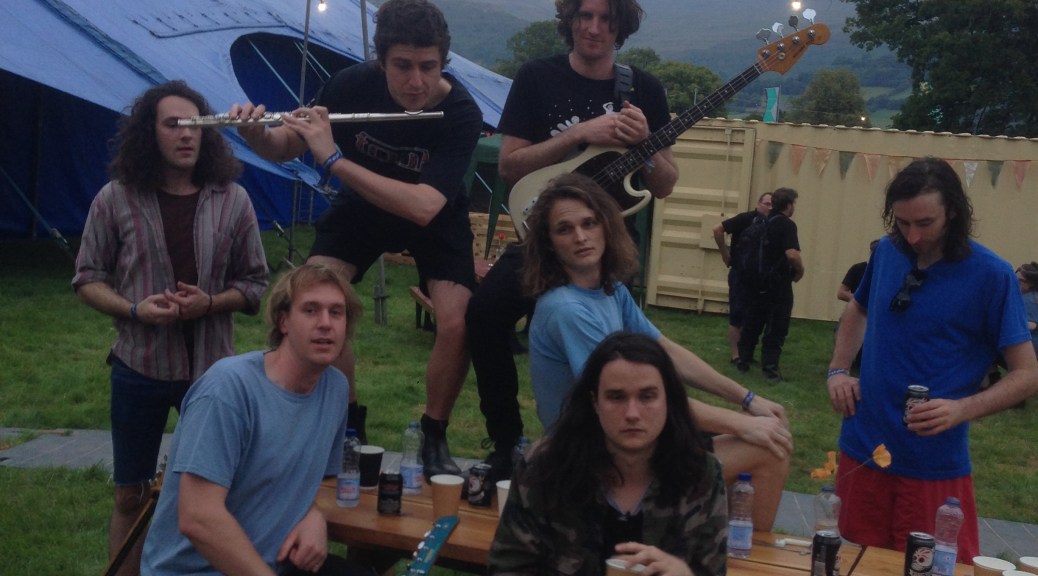
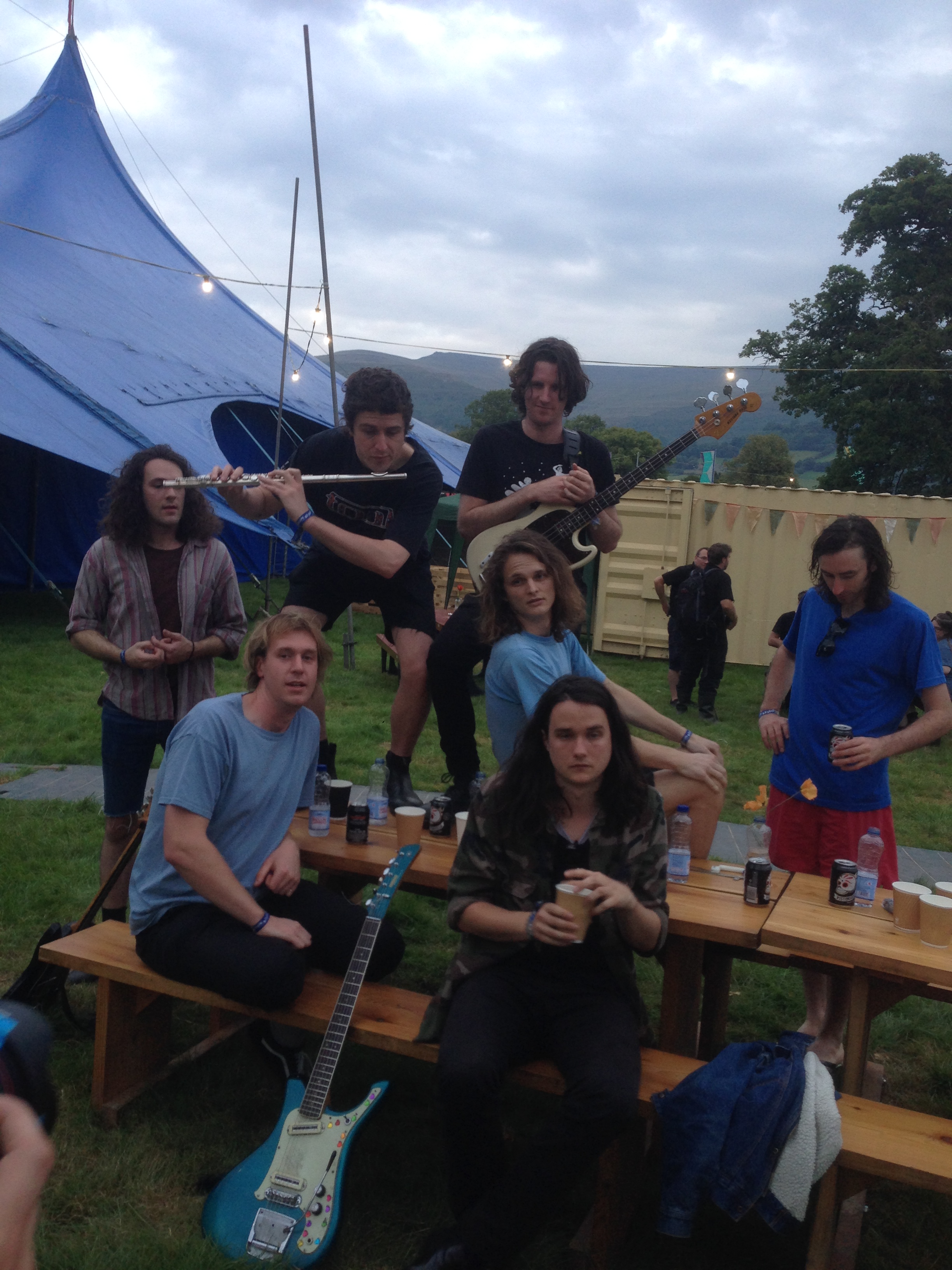
king-gizzard-green-manWhat with all the time-consuming acid trips and having to grow your hair long, psych-rock hasn’t generally attracted a lot of people with a strong Protestant work ethic. That’s at least until bizarrely titled Melbourne seven-piece King Gizzard & The Lizard Wizard gave the genre a shot in the arm and made everyone else look downright idle by releasing eight records in the last four years. Now they’ve upped the ante even further, announcing that in 2017 they’ll release no fewer than five new albums.

“I figured I’m no good at chilling,” says Stu Mackenzie, frontman, flautist and master of understatement. “Over the years I’ve tried to keep myself super busy so I don’t go insane. If I’m going to be a musician and a creative person, I may as well be a productive creative person.”

As anyone who’s seen King Gizzard live can attest, they’re not the sorts to do things half-arsed. At Green Man this year their extensive lineup meant they had two drummers firing like twin engines and still had manpower left over for three guitars, a harmonica, a theremin and even the odd bit of Mackenzie’s flute. Everything was played very loud at 1,000mph, and the effect on the crowd was to create a circle pit of sweaty bodies who swirled into a vortex as if they were being sucked down a festival-sized plughole.

Continue reading at The Guardian.

Malawi’s Lake of Stars festival: banging the drum for Africa’s musical heritage

amahoro-drummers-perform-at-lake-of-stars-2016-photo-by-francisco-john-mpambeFor most pilgrims it is a long way to Lake of Stars festival. This year the event returned to its original site at Chintheche Inn in northern Malawi, seven hours by bus from the capital Lilongwe. Many artists come from further afield still, across Africa and Europe. Alongside them this year were groups of refugees making their own journey from Malawi’s Dzaleka camp.

These included the Amahoro Drummers, a traditional Burundian group who perform with the tall karyenda drums balanced precariously on their heads. And yet most of the two dozen drummers have lived in exile their whole lives, member Simon Nzigamasabo tells me. “Maybe 95% of us – including myself – have never seen Burundi,” he says. “I was born in Tanzania in 1985 and learned how to play this drum there. Our leaders in the camps always wanted the children to see a positive side of their country.”

Continue reading at The Guardian.

Alexander Skarsgård: ‘I still wake up shivering in the foetal position’

few years ago, Alexander Skarsgård turned up at a Hammarby football match in Stockholm noticeably… what’s a polite way of putting this? Worse for wear? “I was shitfaced,” says Skarsgård. “I went up in front of the crowd and started doing this chant. Someone put it on YouTube. I’m very drunk, going: ‘You fucking cunts, listen to me!’ I thought: ‘This is real embarrassing.’”

kegp-alexander-skarsgard

During the bleak hangover that followed, the 40-year-old Swedish actor thought he might have torpedoed a career that had just seen him get the part of Tarzan in this summer’s blockbuster. In fact it made him an even more perfect fit for the role. “Warner Bros had said they needed someone primal and animalistic,” he says. “So my agent sent them the video, saying: ‘Isn’t this motherfucker primal enough for you?’”

alexander-skarsgard

Another one of the half-million people who watched it was John Michael McDonagh, writer-director of The Guard and Calvary, who was on the lookout for a hard-drinking detective for his pitch-black buddy comedy War On Everyone. “He saw the video and went: ‘That’s the guy,’” says Skarsgård. “It got me the job. The moral of the story is: Make a fool of yourself and people will love you. Remember that, kids.”

Continue reading at The Guardian

‘Don’t drink from a rubber chicken’ – and other student advice from our writers

studentI wish I’d known… not to be ‘vibey’

Look, here’s a bit of hard-won wisdom for you: Rocking up on your first day in student halls wearing a belt buckle with a slide-out Zippo lighter in it and immediately pinning up a Fear and Loathing poster does not make you look as cool and dangerous as you think it does. You are not ‘vibey’. Put out the joss sticks, the whole floor can still smell the soapbar spliffs you smuggled up from Devon. In time your German roommate will learn that no, it isn’t all “totally legal” here since “they changed the law”. He won’t be glücklich. Oh, and apparently no one else has brought a desktop computer to uni with them since 1998.

Read more student advice from other writers at The Guardian.

Twice As Nice

theniceguys-guardianguideA lot of people liked Shane Black’s 2005 directorial debut, the self-referential neo-noir romp Kiss Kiss Bang Bang, but Russell Crowe wasn’t one of them. “I think it’s too aware of itself,” he says. “It feels like there’s an in-joke going on in that movie, and I don’t connect to that. It’s not funny for me if the guy thinks he’s being funny.”

Luckily for Crowe, Black’s new comedy drops the meta shtick in favour of outright ineptitude. In The Nice Guys, Crowe and Ryan Gosling are a pair of schmucks bungling their way through a private eye case in 1977 Los Angeles. It’s not just that they don’t know they’re being funny, it’s that they don’t know what they’re doing at all. In one early scene, Gosling’s booze-soaked sleuth Holland March messes up a bar break-in so badly he ends up in an ambulance, while Jackson Healy, Crowe’s burly enforcer, is more interested in beating up small-time creeps than following any lead they might give up. The film works because Black’s dialogue is sharper than broken glass, but there’s plenty of the latter, too; he can barely look at a window without wanting to send a character flying through it. It’s an old-fashioned Raymond Chandler crime caper repainted with 70s sleaze.

Continue reading at The Guardian.

Under cover pop

oscar-shura-bedroom-pop

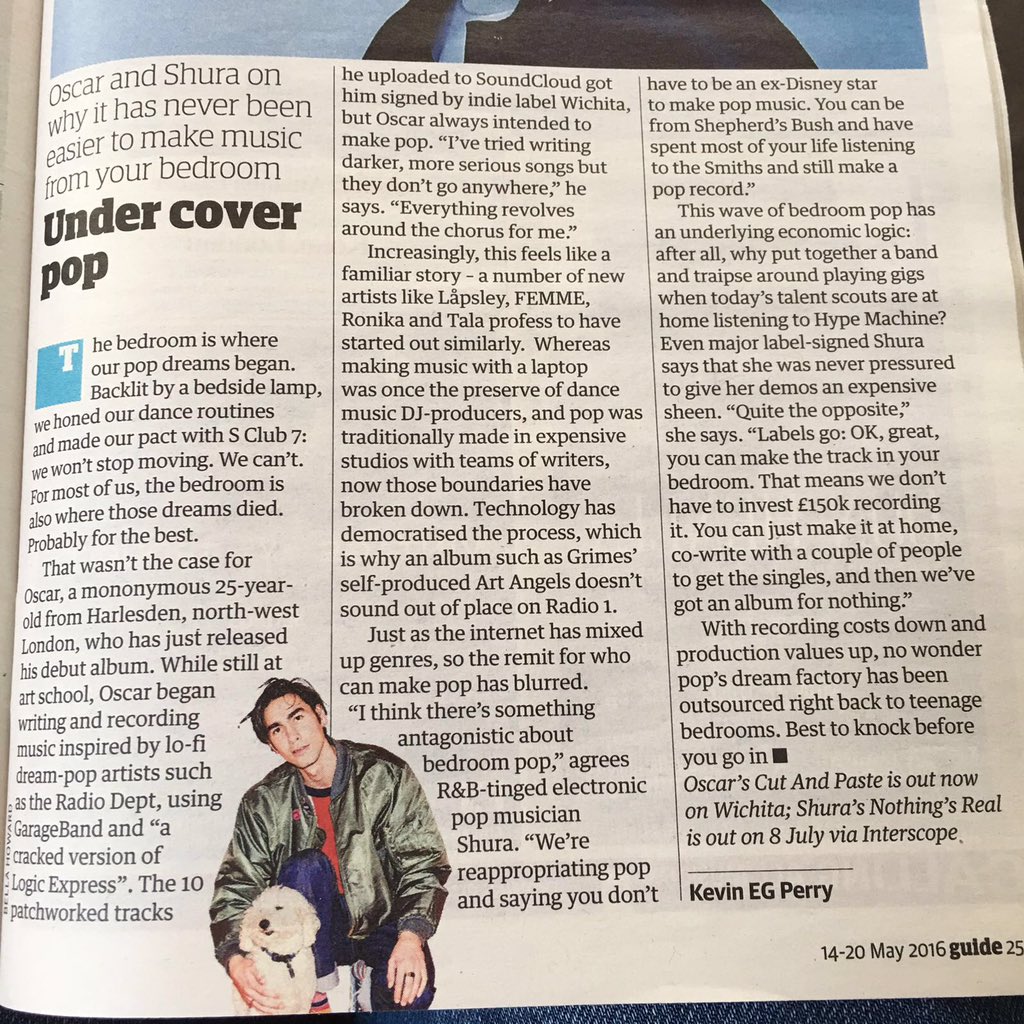
The bedroom is where our pop dreams began. Backlit by a bedside lamp, we honed our dance routines and made our pact with S Club 7: we won’t stop moving. We can’t. For most of us, the bedroom is also where those dreams died. Probably for the best.

That wasn’t the case for Oscar, a mononymous 25-year-old from Harlesden, north-west London, who has just released his debut album. While still at art school, Oscar began writing and recording music inspired by lo-fi dream-pop artists such as the Radio Dept, using GarageBand and “a cracked version of Logic Express”. The 10 patchworked tracks he uploaded to SoundCloud got him signed by indie label Wichita, but Oscar always intended to make pop. “I’ve tried writing darker, more serious songs but they don’t go anywhere,” he says. “Everything revolves around the chorus for me.”

Continue reading at The Guardian.

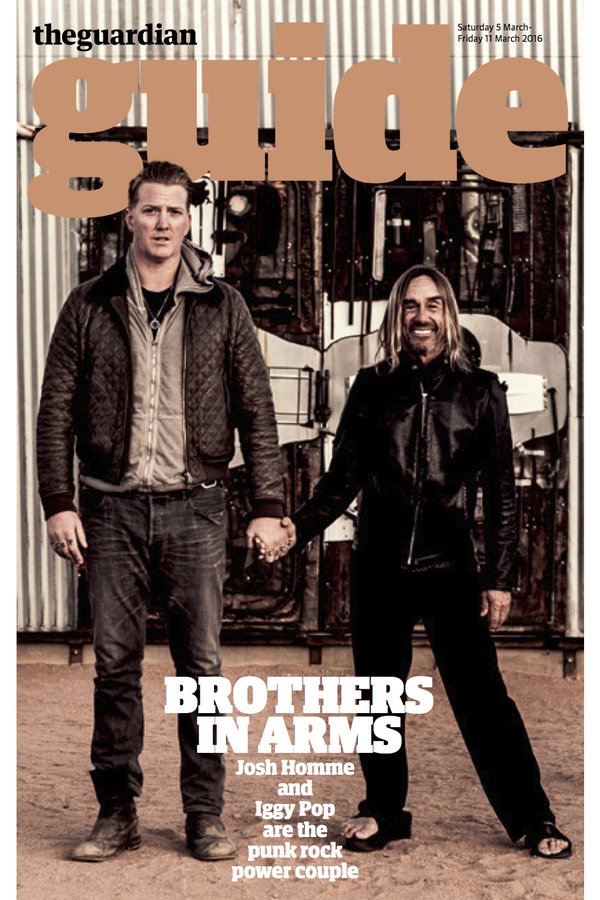
Brothers In Arms

Who would have guessed, when David Bowie, Lou Reed and Iggy Pop were reinventing rock’n’roll in their own image, that it would be the guy rolling around in broken glass bare chested who’d be the last one standing?

Yet here he is, stalking into a New York hotel suite, fresh from practising serene Chinese exercise Qigong: grizzled beard, bleached hair, skin of melted leather. Iggy has scoliosis, one leg an inch-and-a-half shorter than the other and stands only 5ft 6in, but he’s still twice as commanding as the next guy. Even when the next guy is the towering Queens Of The Stone Age frontman (and drummer for Eagles Of Death Metal) Josh Homme, here recast as adoring fanboy.

Iggy-Pop-KEGP-Josh-Homme

Now 68, Iggy realised he might only have one last shot at making a “real album” as great as those incendiary first three Stooges efforts, or his pair of peerless Bowie-produced Berlin records. He sent word to Homme, who in turn recruited Arctic Monkeys drummer Matt Helders and regular QOTSA sideman Dean Fertita. Together, they went to the desert and came back with Post Pop Depression, an eerie, sinuous record mixing sex and death with gallows humour; Iggy’s baritone underscored by Homme’s desert blues.

iggy-homme-guide-cover

What did they learn? “I’ve taken lessons about longevity from him, especially knowing that I can do whatever I want now and still bounce back,” says Helders. Well, maybe – but could anyone without Iggy’s lizard DNA live as he’s done and survive?

Yet there’s always been more to Iggy than the self-destructive caricature. He’s a punk with a poet’s heart, Walt Whitman in leather trousers. He sits down with Homme in New York to discuss the new album that could be his swansong.

Continue reading at The Guardian

Senegal on song

kegp-baaba-maal

Maal’s festival has run since 2006 and usually takes place in Podor, the northernmost town in Senegal, although in previous years it’s visited the capital Dakar and crossed the border to Boghé in Mauritania. Podor will always be its spiritual home, though, for two reasons: it’s Maal’s hometown, and it’s in a prime spot on the Senegal river – the Fleuve which gives the festival its name – which forms the border between Senegal and Mauritania, after passing through Guinea and Mali.

Continue reading at The Guardian.

Hinds: ‘Pop is about perfection. We’re the opposite’

Hinds-KEGPIn the past year, Hinds have emerged as the indie gang that everyone wants to join. They’ve played shows with The Strokes, The Libertines and Mac DeMarco, become the first Spanish band to appear on one of Glastonbury’s main stages and have incited so many stage invasions that it’s a wonder they bother with barriers at all. It’s easy to see why fans will risk a bouncers’ ire to get onstage with them: Hinds’ rickety rock’n’roll songs are charming because of their total lack of artifice and their shows fizz with the highwire sense that they could collapse at any moment.

Bowling down the streets of their hometown, Madrid, Hinds can barely make it a block without bumping into a friend, fan or fellow musician. They duck into their favourite hangout, Bar Sidi in downtown Malasaña, where the only thing exciting the balding clientele is the Real Madrid match on the telly.

“I think the owners like us because we’re the youngest people who ever come in here,” says Carlotta Cosials, one half of Hinds’ songwriting duo and a fast-talking flurry of curls. Every time the band try to leave, another round of Mahous appears unbidden on the bar, gratis. They like this place because it’s close to Plaza del Dos de Mayo, where they drink cervezas outside in summer, but it’s uncool enough that they get respite from Madrid’s competitive garage rock scene from which Hinds have become the city’s breakout stars.

Continue reading at The Guardian.

Living the Highlife: the global party scene taking world music into the future

Going-with-the-Flo-Highli-009If a DJ can play Chicago house next to Detroit techno or German electro without anyone missing a beat, then why shouldn’t they also drop some Angolan kuduro, Brazilian baile funk or South African kwaito into the mix? That’s the philosophy behind the crossover dance scene spearheaded by Highlife, a club with more passport stamps than David Attenborough’s cameraman. Five years since its first night at Glasgow’s Stereo, the club’s mix of UK funky, Afrofuturism and Middle Eastern beats has built a mini empire that extends to a compilation series and Rinse FM radio show.

Continue reading at The Guardian.

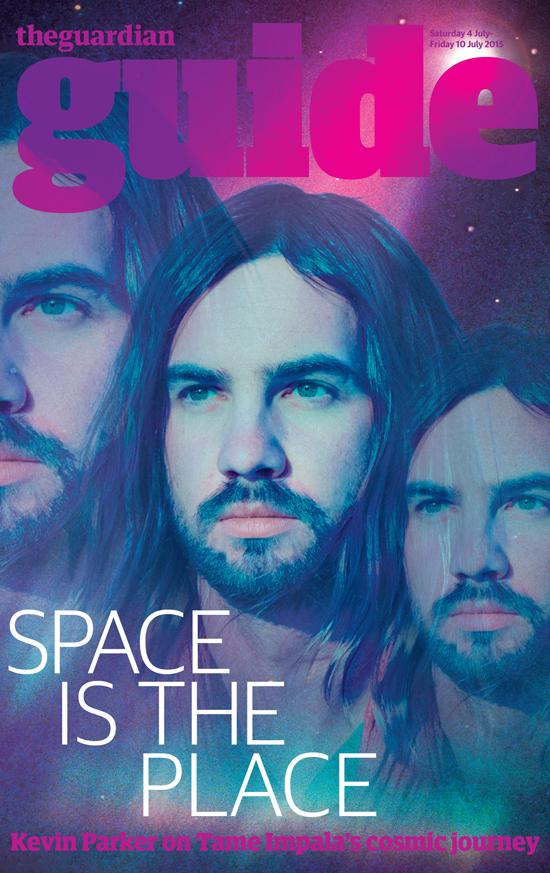
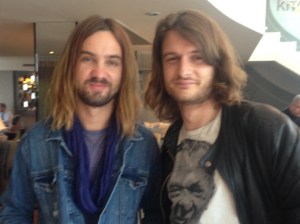
Tame Impala’s Kevin Parker, from psych-rock stoner to disco infiltrator

tame-impala-guardian-guide-coverkevin-parker-kegpIt’s a few days before Glastonbury, and Kevin Parker – the 29-year-old Australian musical polymath behind Tame Impala – is in west London rehearsing for his appearance at the festival with Mark Ronson. Somewhat extravagantly, Ronson has hired out the entirety of the Hammersmith Apollo for the week as a practice room. Presumably he can afford it, though. “Have you ever heard of a little song called Uptown Funk?” jokes Parker.

While there have been odder musical pairings, at first glance it seems incongruous that Parker, a long-haired rocker who has the permanent air of a man wearing sandals, is working with a superproducer more associated with the clean-cut likes of Bruno Mars. It’s just one illustration of how far Parker’s home-produced records have taken him. “The scale that things happen on with Mark is about five levels above how we do it with Tame Impala,” says Parker.

For much of the last five years, Parker has been acclimatising to the shifts in scale that success brings. His acclaimed 2010 debut, Innerspeaker, ushered in a new wave of young psych rock bands such as Pond, Toy and Hookworms, and turned a whole new generation of fans on to the transcendental power of scuzzy, droning guitars. The follow-up, 2012’s Lonerism, gave Parker platinum album sales, award wins and a Grammy nomination. Psych obsessives the world over suddenly had a new anthem in Elephant, three-and-a-half minutes of throbbing riffs that brought joy to the hearts of Floyd and Zeppelin fans alike. Before long, Kendrick Lamar was rapping over a remix of his single Feels Like We Only Go Backwards and Parker was collaborating with his heroes the Flaming Lips.

When we sit down for a drink at a hotel near the Apollo, Parker is so laidback he’s in danger of falling off his chair. This might seem appropriate for a practitioner of woozy music, but less so for a guy noted for his obsessive perfectionism. Maybe it’s the calm before the storm. Lonerism earned Parker legions of new fans, from Ronson to the army of beards who’ll be wigging out when Tame Impala headline End Of The Road festival in September, but he’s about to ask them to follow him in an entirely new direction. His latest album, Currents, ditches the heavy wall of psych and Tomorrow Never Knows-style loops, and instead we get a collection of Michael Jackson-influenced disco. Parker denies his decision had anything to do with the genre’s Get Lucky-fuelled resurgence, or even his collaboration with Ronson. In his unflappably mellow manner, he puts it down to a more personal Damascene moment.

Continue reading at The Guardian.

Slaves: meet the young Kent punks putting the party in the political

slaves-guardian-guide-cover

slaves-crowdsurfIt’s just gone 8pm and Slaves’ dressing room at the Wedgewood Rooms in Portsmouth is a picture of domestic bliss. Guitarist Laurie Vincent, 22, is darning turn-ups on to the orange jumpsuit he’ll wear onstage. Isaac Holman, 23, Slaves’ singer and almost certainly the only stand-up drummer currently with a major-label record deal, is ironing a pair of business slacks with meticulous care.

Vincent takes a break from sewing to ask me to rub argan oil into a fresh tattoo of a 1940s deep-sea diver that covers half his back. The harmony of the scene is spoiled only by the smell: the rich notes of the oil mingle in the air with the strange pancake aroma that’s emanating from Holman’s sweat-soaked trousers and the fetid stench of a blocked toilet next door. Ah, so this is that glamorous rock’n’roll we’ve heard so much about.

“I haven’t even pooed,” laments Vincent. “I wish I could poo.”

If things go to plan, Slaves won’t have to put up with backed-up toilets for much longer. This is the first night of the band’s first full headline UK tour, which is almost entirely sold-out across the country. After signing to Virgin/EMI last March, they were named on the BBC’s Sound Of 2015 list in January, and recent singles Hey and The Hunter both became fixtures on primetime Radio 1. They’ve used this exposure to build a rabid fanbase that, in Portsmouth tonight, will include not only screaming 18-year-old girls but also their fathers, nodding and declaring Slaves “a proper old-school punk band”.

Continue reading at The Guardian.

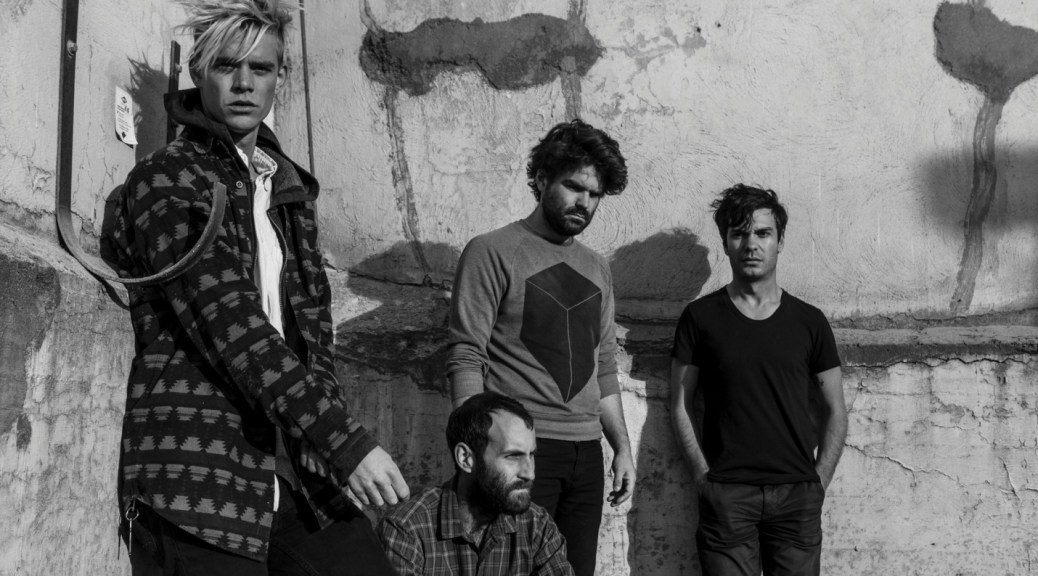
Viet Cong: “We get hate mail at every single show”

viet-congViet Cong are an industrial post-punk band from the really cold bit of Canada. They write songs called things like Pointless Existence that go, “If we’re lucky we’ll get old and die.” Their debut album ends with an 11-minute jam simply called Death. These facts may lead you to make certain assumptions about Viet Cong as people: namely that an afternoon down the pub in their company will be gloomier than Morrissey on a coach tour of mass-market abattoirs.

Continue reading at The Guardian.

Exploding Cinema: the DIY projectors

exploding-cinemaShips, churches, car parks, roofs, drained swimming pools, bank vaults, derelict coaches… Exploding Cinema will put on a film screening just about anywhere in the UK. Well, except for actually in a cinema. It’s been 23 years since the London-based democratic collective was founded in a squatted sun tan oil factory in Brixton. Since then they’ve screened more than 1,000 films, taking in everything from French pop hits subtitled with anarchist philosophy to darkly surreal shorts. One thing remains constant: their dedication to screening everything and anything they get sent.

Continue reading at The Guardian.

EDM mania hits India

sunburnfestivalFor a country of 1.25 billion people, India has never been a major stop on the international live music circuit. Sure, there’s been a smattering of heavy metal gigs and a one-off Beyoncé show in Mumbai in 2007, while Sting can always be counted on to throw in a sitar concert between yoga retreats, but low ticket prices and high production costs mean that big tours by the likes of U2 and Rihanna have traditionally bypassed the country.

That has left a vacuum that’s now being filled, perhaps inevitably, by mass-market EDM. Next month, Major Lazer will tour India for the first time. They’re followed in January by Steve Aoki, who’s returning to the country for his third tour. “India is full of culture and life and we’re excited to explore the country,” says Diplo. “Major Lazer is all about doing things that other people don’t do.” And with those words, we move one step closer to a world where it’s impossible to ever be out of earshot of a ludicrous drop.

Continue reading at The Guardian.

Yung Lean: “I’m not really into My Little Pony”

Yung LeanAt first, Yung Lean’s Yoshi City video is just like any other young up-and-coming rapper’s. The teenager hangs out of a moving car surrounded by his crew. There’s a phone in his hand, a fag in his mouth. But the familiar rap tropes are scrambled into a kind of super-internet pastiche. His ride’s a sensible Smart car; his crew, sullen adolescents from Stockholm who call themselves the Sad Boys. Beside him sits not Cristal but a bright pink My Little Pony. And there’s Lean himself: a chubby-cheeked cherub, more Directioner than Chicago South Side, who deadpans about being a “lonely cloud”. “We just thought it was funny,” he says later. “I’m not really into My Little Pony, I’m not a ‘Brony’, just to clear that up.”

Continue reading at The Guardian.

Breaking into journalism isn’t a heist – but a leg-up helps

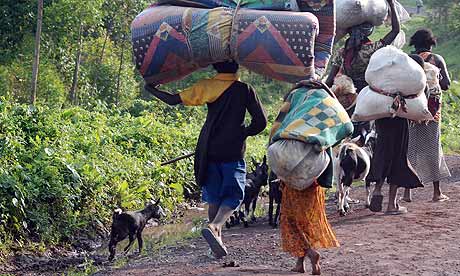
Refugees flee fighting between rebel M23 forces and forces loyal to the government near Goma, DRCI’ve been in shock twice in my life. The first time was when my best friend broke his arm playing five-a-side football. It was a nasty break. The bone came through the skin and he lost a lot of blood. I helped him out of the school hall on a rush of adrenaline. It was only later, after the ambulance had gone, that I started to feel breathless and my hands shook uncontrollably.

The second time was in Kinshasa, in the Democratic Republic of Congo. I felt fine while I talked to volunteers from a sanitation project in a slum area, but the moment I left, I felt the same familiar symptoms. Their Sisyphean task felt as jarring as my friend’s spilled blood. They’d made me promise to tell their story to people in the UK, and writing it seemed like a way to put my shock to some use. That piece was shortlisted for the Guardian’s International Development Journalism competition in 2009, the first time my work had been published outside the student press.

I’ve been asked to tell you how I “broke into” journalism, which makes it sound like a heist. Maybe it was. Being shortlisted for the Guardian competition, and travelling to India to write a second piece, wasn’t a robbery, but it at least got me over the first fence.

Continue reading at The Guardian.

The play’s the thing for villages in India tackling real-life dramas

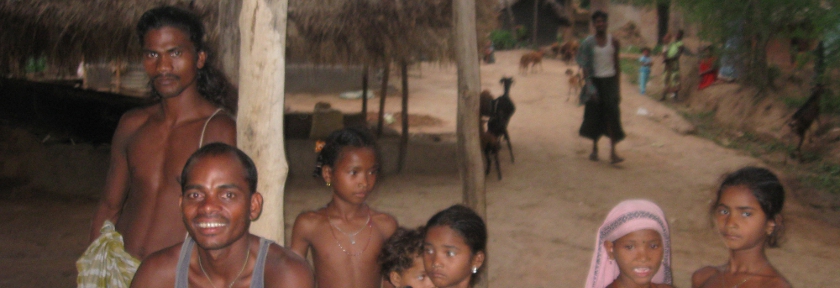
Sibaguda

Sibaguda
With Bali Dalpati and other villagers, Sibaguda

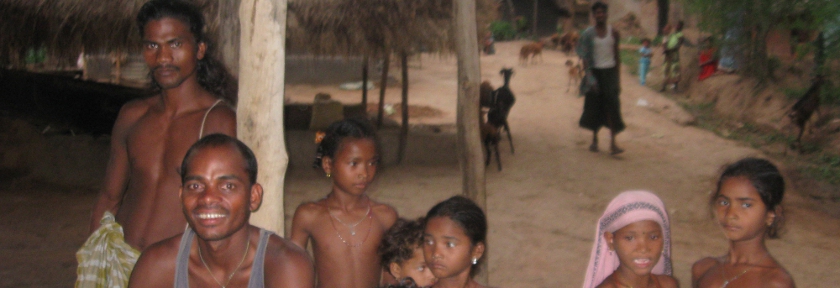
Sibaguda is a remote tribal village in southern Odisha state, in the east of India. There are just 49 households, and cows are frequently herded through the main square. The electricity supply has been disrupted by a broken transformer and the only road has fallen into disrepair. What Sibaguda does have, in common with many tribal villages, is a central meeting place where theatre is performed. Now, thanks to one particular performance, a school is being built here for the first time.

Amaresh Satapathy
With Amaresh Satapathy

Amaresh Satapathy works for the Integrated Agency for Education, Environment and Technology (IAEET) in the nearby town of Koraput. Although his organisation works on everything from land rights to public health, Satapathy describes himself as a theatre activist. He first visited Sibaguda in 2007 as the leader of a Unicef-backed group performing street theatre to raise awareness of the importance of hand-washing.

Continue reading at The Guardian.

Secrets and lies: Tackling HIV among sex workers in India

SexworkersinIndia

Damanjodi is a small mining town nestled in the verdant hills of Orissa, in the east of India. The skyline is dominated by a sprawling network of mines, refineries and factory buildings. They are owned and run by Nalco, Asia’s largest aluminium producer. Men come from all over the country to seek employment, creating a large migrant workforce with money to spend and time on their hands. In their wake, women come too, seeking work of a different kind. There are more than 500 women engaged in prostitution in Damanjodi and its satellite towns. Their poverty drives them to sex work out of desperation and in the terrible knowledge that the risk of contracting HIV goes with the territory.

Continue reading at The Guardian.

Indie in India

Turn up for a gig at most venues in Delhi and familiar classic rock icons stare back at you from faded posters while audiences nod their heads to acts that are cover bands in all but name. Take Café Morrison in South Extension, with its walls lined with endless caricatures of the Lizard King, or the host of identikit bars cluttered around Connaught Place who are wearing out their Lynyrd Skynyrd records. Delhi even has its own Hard Rock Cafe; fittingly, it’s in a sprawling mall, next door to a Marks & Spencer.

Continue reading at The Guardian.

A break from Bollywood: make a song and dance about this brave Indian play

At New Delhi’s Habitat Centre, a young actor has just unleashed a string of expletives in both English and Kannada, drawing gasps from the audience. They have, however, been warned. All of the publicity for the play, Dancing on Glass, carried notices about the amount of profanities it contains. It’s a necessity in a country where bad language on stage is still relatively rare, and where family-friendly Bollywood megastars like Shahrukh Khan have made it clear how uncomfortable they are about swearing on screen.

Continue reading at The Guardian.

The Handmade Tale: India’s silk weavers

HandmadeTaleLosing your job is rarely pleasant, but simultaneously losing your employment, your cultural traditions and a way of life that supports whole communities is a worse redundancy package than most. For hundreds of thousands of Indian silk weavers, this is a reality which has seen the jobless forced into such desperate measures as selling their blood or even their own children to make ends meet. Death from starvation is common, although many take their own lives first.
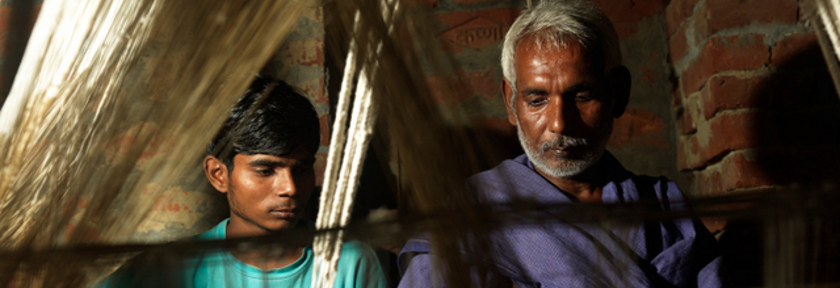
It is only just dawn in Varanasi, one of Hinduism’s holiest cities, but the street corners and marketplaces are already teeming with people. Among them is Bhaiya Maurya, but he has not come here to admire the ancient temples that rise from the banks of the Ganges. He has come here, like everyone else, to look for work – any work. Over the next hour, trucks will come and collect labourers. If Bhaiya is chosen he’ll make 75 rupees today, less than £1, and he will consider himself lucky. Two days out of three his luck is out and he’ll go home empty-handed. Across the globe, recession is making countries fear the spectre of mass unemployment. Here in Uttar Pradesh, India’s northern and most populous state, there are more than three times as many mouths to feed as in the UK. The numbers out of work are staggering and the threads that bind them together are made of silk.
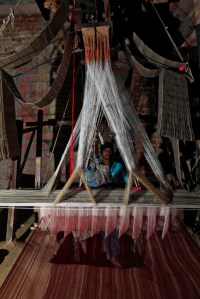
Patents and Protectionism in a Globalised World: voices of traditional Indian ArtisansWaiting at home in the village of Damodarpur 15 km from Varanasi is Bhaiya’s father, Hari. He is a master weaver who in the past decade has seen falling demand, rising costs and increased foreign competition decimate the silk trade. At its peak, it employed a million people in this area. Now, it employs less than half that number. As Hari explains: “A few years ago, everyone in my village was engaged in hand-weaving. Now, most people are unemployed. If everyone had work, then the village would develop automatically. First we need jobs, and only then will come safe water, electricity and roads.”

There is debate over whether the jobs they so urgently need can come from the labour-intensive hand-weaving sector, as they have in the past. The Indian prime minister, Manmohan Singh might have been thinking of the silk weavers of Varanasi when he told the G20 recently that he would resist the “inevitable pressures” for protectionism caused by “low growth and high unemployment”. The struggles of this industry are the familiar problems that increased mechanisation and globalisation can bring. Traditional hand-woven saris simply cannot compete on cost with machine-made garments from China.

Falling demand is also a symptom of cultural change. Fashions are changing across the subcontinent and Indian communities worldwide. Young girls are less likely than their mothers to wear saris. When they do, they want lighter, tighter designs, not the heavy, gold-and-silver-embroidered Banarasi sari of antiquity.

However, this weight of history and tradition may turn out to be the hand-weavers’ greatest asset. The Banarasi sari is famous throughout India and traditionally every Hindu bride will wear one on her wedding day. Weavers such as Hari are the only ones skilled to make it authentically, having passed the knowledge down from generation to generation. Ashok Kapoor, a trader who has worked to help preserve hand-weaving, sums up his concerns bluntly. “I don’t care about the starving weavers,” he tells me. “I care that the art is dying.”

Four and a half thousand miles away, in Whitechapel, London, there is evidence of what British politicians might call “green shoots of recovery”. The Banarasi sari remains a marketable brand. Imported saris sell for about £250, but even within India it can be difficult to be sure that what is sold as a Banarasi sari has actually originated in Varanasi. That is now changing. Realising that substandard imitations were damaging their reputation, and sales, the weavers have organised a co-operative, Banaras Bunkar Samiti (BBS). They now negotiate with traders as a group and, with support from the development agency Find Your Feet, they have managed to persuade the government to introduce a patent for Varanasi’s saris. This protects their product in the same way as champagne or Darjeeling tea. KP Verma, the assistant director of the state government’s handloom department assures me that this will have a transformative effect on the lives of the weavers, but Hari is wary. He is quick to point out that any success the patent has will rely on demand from relatively wealthy consumers who are prepared to follow the lead of Banarasi fans such as Bollywood’s Aishwarya Rai and pay a premium for luxury. Traders and exporters such as Maqbool Hasan concede that while there is still demand for genuine Banarasi silk from Indian elites, many buyers, including the large export markets of America and Europe, care only about price.
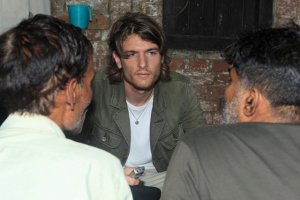
2009 VaranasiThe only thing that will revive the hand-weaving industry is co-operation. As well as lobbying the government, BBS have also formed microcredit groups to help the weavers back on their feet. A loan from the co-operative enabled Hari to reopen the loom he calls “the symbol of my pride”. It is now the only one in his village, where once there were 200, but it is a start. With help from Bhaiya’s younger brother, Krishna, Hari has diversified from saris into a wider range of garments and home furnishings targeted at India’s growing middle class. Meanwhile another son, Raju, was supported by a BBS loan to learn computerised embroidery. He is now one of the few villagers to earn a salary.

Having started out with little and lost much, the first task for these communities is creating new opportunities. Hari is a man of quiet dignity. He does not ask for charity. He wants only the opportunity to work himself and his family out of their situation.

As he says: “The most important thing in the definition of development is jobs. Work is essential for each and every hand.”

Originally published in The Guardian.

Read more about a former factory owner here: ‘Ghost in the factory’.

Read more about a local women’s microcredit group here: ‘Finance for the future’.

Trench warfare: Sanitation in the Democratic Republic of Congo

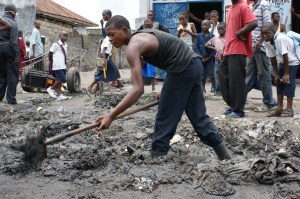
In the Ngiri-Ngiri district of Kinshasa, the capital of the Democratic Republic of Congo, there is a wide trench which runs down the side of the street. Beside it, a team of men are working with shovels and rakes. Most are gathered around the edges, but others are standing in the liquid sewage and waste that fills the trench and laps around their cracked black boots.

The rainy season is beginning and the trench should be draining water from the muddy track which serves as a road, but it has become too clogged with the debris of tightly packed lives. Unless the team can clear the trench the slums on either side of the street will be flooded when the rain comes. One of the men, Karem, in his mid-twenties, is breaking up the solidifying mass of waste and mud with a rake, and his neighbour is shovelling it onto the side. Karem looks dolefully up and down the road. “My country, the DRC,” he says, “it’s fucked”.

There are trenches like this beside streets like this all over Kinshasa, and all across the DRC. Just 8% of the urban population have access to decent sanitation, according to WSP estimates, which means that in Kinshasa alone there are over seven million people living without toilets. The UNDP’s 2005 Poverty Reduction Strategy Paper refers directly to the open trenches when it states that “more than 80 per cent of illnesses are linked to the bad state of the environment”.

As the team pause for a break from the heat they buy water in tiny plastic bags from street vendors. It is relatively expensive, but also the only reliably clean source of drinking water. As they dextrously split the bags without spilling a drop, children in school uniforms pass by, seemingly accustomed to the great stench as the sun hits the sewage. They eat food from open stalls just metres from the trench, and for many getting home means making use of makeshift bridges or jumping across where the compacted waste on either side has narrowed the channel. But it is the young who are most at risk from the diseases the sewers harbour. 88% of diarrhoea infections, the second most common cause of infant mortality, are due to a lack of safe water and basic sanitation. For every 1,000 children born in the DRC, 126 will die before their first birthday.

Sanitation also has a consequential impact on education, as a 2007 report by the ODI makes clear. Diarrhoeal diseases and parasites are often linked to a reduction in attendance and attention at school, either due to sickness of the child or a family member, with the burden of caring for relatives and going to collect clean water falling disproportionately on young females. Furthermore, girls will often deliberately avoid school if they cannot access female-only toilets.

The state, however, have neither the will nor the finances to provide this basic infrastructure. They justify the fact that sanitation attracts less than one percent of the already limited national budget by claiming that there is no public demand for it, but this is arguably due more to the cultural taboo that discussing toilet facilities still carries. The tangible desire for cleaner living conditions is evidenced by the fact that Karem and his workmates are all volunteers, working for free simply because the alternative is to watch their homes become swamped by their own waste. They are members of a NAPO (Noyau D’Action Pour Participation Populaire), a community group who work together to solve localised problems.

20-year-old Kaleb joined the NAPO because he was motivated by memories of flooding from previous years. “[During the flooding] there is no transportation and people can’t even walk on foot. You have to carry people on your back to get around as it comes right up to our waists. After the floods, people go to bed hungry as they are unable to get food. People are in a hurry to buy food now while it is not raining as they will be unable to get it when it rains. We are living in a very difficult situation.”

Kaleb does propose a solution. “We need to build a gutter and when it is built, the problem will be solved.” The gutter he describes is effectively a concrete version of the trench that already exists, and is common in the relatively wealthier areas of Kinshasa. However, even these less rudimentary gutters soon become clogged without accompanying sewers and solid waste collection. The ODI report found that Kinshasa’s public sanitation authority possesses just a single working rubbish lorry.

The NAPO in Ngiri-Ngiri has existed for three years, and each year its work is repeated. Without a state infrastructure to fall back on, their Sisyphean task is toiling simply to keep roads traversable and drains flowing, always knowing that the effects of the rainy season mean their labour is only a hard rain away from being undone. A permanent change will require a change in political priorities and with the DRC’s first ever local elections scheduled for later this year, the significance of the local NAPO leaders should not be downplayed.

While in the short-term NGOs have been forced into a situation where they are in a literal sense bailing out the worst affected communities, in the longer term these local leaders have the chance to redirect the political discourse towards cleaner toilets and sewage systems. Cities are built on their sewers, and if the DRC is to break Karem’s despairing assessment of its prospects, sanitation has to be seen not as an embarrassing problem, but as the foundation of good health and education. Jean-Michel Mvondo works for RECIC, a Civil Education network which supports NAPOs across the city. He says “Ngiri-Ngiri is one of the most unhealthy and dirty areas of Kinshasa and there is a serious problem with ditches of water, but we are convinced that good governance starts from the lowest level.”

Originally published in The Guardian, 23 July 2009.