Shortly before the outbreak of the pandemic, Danny Brown sold his house in the suburbs and moved to a penthouse apartment in downtown Detroit. “I’d just went through a break-up,” explains the 42-year-old underground rap maverick, his voice mellow as it drifts down the line. “I was moving there because there were more parties. I was going down there to be a ho! To party and shit.” He chuckles quietly to himself. Things didn’t quite work out that way. “When everything got locked down,” he remembers, “I just found myself in this big-ass penthouse apartment. Alone.”
Brown, newly single and approaching 40, threw himself into his writing. “I was just doing something to stay busy,” he says. “Music has always been like a form of therapy for me, so I just was getting my feelings out.” During those surreal days of lockdown, he found his mind drawn back to where he’d been ten years prior. It was Brown’s second album ‘XXX’, released in 2011 shortly after he turned 30, that made him a star. An audacious autobiographical concept record with an A Side of party songs and a B Side filled with more thoughtful, contemplative bars, he wondered if he could repeat the trick for his 40th. “It was just like a: ‘Can I do it again?’ type of feeling,” he says. “When most people have a breakout project, people just know them for that and think: ‘They can’t do that shit again!’ It was me proving to myself that I can still make that kind of music.”
The result is Brown’s electrifying sixth ‘Quaranta’ – named for the Italian word for 40, as well as a nod to its birth during quarantine. Living just around the corner from his studio, a house on Detroit’s Grand Boulevard, on the same strip as the Motown Museum, meant Brown never had to look far for inspiration for Side A. “It was like a non-stop party, man,” he says. “I was always getting fucked up.” That attitude bleeds into songs like ‘Tantor’, which Brown recorded while in the midst of a deep acid trip. “I was super into Parliament at the time, and we talked about how George Clinton would take acid, get in front of the mic and just start saying shit,” he remembers, “So that was really the first song I never wrote. I just took a lot of acid, stood up to the mic, and it came up. I mean, I wouldn’t recommend it to anyone. I’m not trying to glorify it or anything, but I was still deep in my addiction at the time.”
Joni Mitchell and Leonardo DiCaprio were among those who gathered to celebrate the life and music of the late The Band guitarist and singer-songwriter Robbie Robertson last night (15 November).
The memorial, held at Robertson’s longtime Los Angeles studio home The Village, included a moving tribute from director Martin Scorsese and performances of Robertson’s music from Jackson Browne, Citizen Cope, Angela McCluskey and others.
Robertson died after a long illness on 9 August, aged 80.
Scorsese and Robertson first met while making The Band’s legendary concert film The Last Waltz. “I guess when all is said and done it was a kind of folie à deux,” said Scorsese in his eulogy. “That is, two individuals came together and did something that on their own they wouldn’t have done.”
Initially planned as simply a live recording of the group’s 1976 farewell concert, Scorsese and Robertson spent two years working on the film together. “During those two years Robbie stayed in the house, we had informal classes,” Scorsese remembered. “Music class for me, film class for him. He introduced me to obscure blues music, gospel, and the Sacred Harp Singers. I introduced him to Sam Fuller movies, Pasolini’s Accattone, Visconti… We really shared what we loved.”
The pair continued to collaborate on films including 1980’s Raging Bull, 1995’s Casino and 2016’s Silence. Scorsese recalled Robertson sending him four CDs full of musical suggestions for 2006’s The Departed. The opening track was Dropkick Murphy’s ‘I’m Shipping Up to Boston’, which Scorsese ended up using repeatedly in the film.
Most recently, Robertson composed the music for Scorsese’s Killers of the Flower Moon. A medley from the score was performed at the memorial by an orchestra conducted by Mark Graham. Other musical performances included Angela McCluskey singing ‘Whispering Pines’, Jackson Browne covering The Band’s ‘Caledonia Mission’ and a singalong finale of ‘The Weight’ featuring Browne, Jason Isbell, Blake Mills and Tal Wilkenfeld.
Welcoming guests to the event, The Village Studios owner Jeff Greenberg recalled the effect Robertson could have on the bands who came to record while he was around.
“Everybody who ever came here wanted to go so hi to Robbie,” he said. “‘Robbie, so-and-so’s here, they want to see you.’ ‘Sorry, tell them I’m busy.’ Occasionally he would bestow his presence on people, like Elton John, Leon Russell or U2. One little group was here, I couldn’t believe, he went down and say hi to Wolfmother. It was like they’d been kissed on the forehead by God. They’re still glowing.”
It’s a Wednesday night in October, and the mall belongs to Taylor Swift. The Grove, one of Los Angeles’ most popular high-end shopping centres, has been shut down all day in preparation for a very special film première. Or rather, premières. When Taylor Swift takes over a cinema, she doesn’t use one screen. She uses 13.
For some of those in attendance, tonight is their first chance to witness a multi-faceted stage spectacular they’ve previously been unable to see in person. For others, it’s an opportunity to relive what might just have been the best night of their lives. Together, they sing. They hoot and they holler. The aisles fill with dancers. “It was like being back at the tour!” says Chloe, a dedicated Swiftie who was invited to attend the screening. “I loved it so much! Taylor is always so dedicated to her fans and to her craft. All she wants to do is satisfy the fans, and she does it every single time!”
When Taylor Swift: The Eras Tour was officially released the following day, you could find perfectly satisfied Swift fans singing their hearts out at cinemas across the planet. In the US, The Eras Tour racked up $96 million in ticket sales in its opening weekend alone, smashing the previous concert film record of $73 million set by Justin Bieber’s Never Say Never back in 2010. The following weekend it held firm at top spot, beating Martin Scorsese’s Killers of the Flower Moon and in the process becoming the first concert film in history to spend two consecutive weeks at the pinnacle of the cinematic box office.
The arrival of a new Rolling Stones album is a momentous occasion. Yesterday afternoon (September 6), at an exclusive event at east London’s Hackney Empire, Mick Jagger, Keith Richards and Ronnie Wood confirmed that the 24th Rolling Stones album ‘Hackney Diamonds’ will arrive next month on October 20. It brought to an end weeks of speculation following a cryptic newspaper advert published a couple of weeks ago that had led an excited friend to text me: “I’m hoping this ‘Hackney Diamonds’ bollocks is what I want it to be!”
You see, new Rolling Stones albums are things worth getting worked up about. For a start there hasn’t been one for 18 years, which is so long ago that back then I had to go to Woolworths the day it came out to buy it on CD, like we used to in the old days. For most bands that would be a lifetime ago, for the Stones it’s a long weekend. After all, they’ve been putting out albums for almost six decades.
Rage Against The Machine guitarist Tom Morello played a surprise set on the picket line in front of Paramount Studios in Hollywood today (August 14).
SAG-AFTRA – Hollywood’s largest union, which represents 160,000 actors and performers – and the Writers Guild of America (WGA) are both currently on strike as they seek an increase in base pay and residuals in the age of streaming. They are also hoping to negotiate safeguards against the unregulated use of artificial intelligence in the film industry.
Speaking before the performance, Morello told NME he wanted to stand shoulder-to-shoulder with striking actors and writers: “They’re making history here on the sidewalk in front of Paramount Studios and I’m here to support them and express my solidarity.”
The guitarist, who described himself as a “proud union man”, applauded the actors and writers for “flexing their power and showing what solidarity means.”
He added that the ongoing strikes in the entertainment industry are part of a wider movement of organised worker power across the country that some have dubbed ‘Hot Labor Summer’. “In the United States right now, we have the biggest wave of strikes and organising in about 40 years,” said Morello. “In town right now, we also have hotel workers out [on strike] as well, so the picket lines are hot!”
Morello’s 15-minute set included ‘Union Song’, ‘Hold The Line’, ‘Union Town’ and a cover of Woody Guthrie’s ‘This Land Is Your Land’. “I’ve made music throughout my entire life to be played on picket lines and on the front lines,” said Morello. “So today is just one more day at the office with regards to that.”
Paris Texas are just about ready to get off this planet. On ‘Mid Air’, the LA punk-rap duo’s thrill-packed debut album, they trade bars about escaping this doomed rock by saving up enough cash for a one way ticket to Mars. “The sun is whoopin’ everybody’s ass,” they lament. “Earth finally threw in the towel.”
On a blazingly hot afternoon in downtown Los Angeles, it isn’t hard to see how the pair arrived at that apocalyptic conclusion. The sun is indeed whoopin’ everybody’s ass today. In a warehouse studio booked out for their NME cover shoot, rapper-producer Louie Pastel has his shirt off and a weathered MTV cap pushed back on his head. He’s holding a cigarette in one hand and DJing from his phone with the other.
The sounds filling the room are as eclectic as you’d expect of a group that have drawn comparisons with Odd Future and Death Grips but who defy easy categorisation. We hear Louisiana rapper Autumn!, then Brazilian psychedelic samba from Novos Baianos and Radiohead’s acoustic version of ‘Creep’. Beside him, his comrade Felix is weighing up the pros and cons of filming vs photo shoots. “In videos you’re in constant movement, so you’re not stuck on one dumb face,” he ponders. “Models are crazy! I don’t know how they do it.”
This June, Liam Fender and his superstar brother Sam fulfilled a long-standing family ambition in a most unexpected way. “The Fender family is all Newcastle United mad, and all really good footballers: my dad, my uncles, my granddad was semi-professional,” explains Liam, speaking over video call from the spare bedroom at home in North Shields. “I came along and I’m fucking useless. I was that shit at football, I got bullied by a PE teacher! It soured the whole thing for us, and Sam’s by no means a footballer. So there was something quite heartening and amusing about the fact that the two shittest footballers in the family are the ones who can say we’ve played at St James’ Park!”
During those two sold-out nights at Newcastle’s Cathedral on the Hill, Liam joined Sam (who’s 9 years his junior) to duet on Bruce Springsteen’s slow-burning 1984 classic ‘I’m On Fire’. Now, Liam is preparing to release debut EP ‘Love Will…’, a rich collection of ballads and bawlers that showcases his knack for melody and sharp turn of phrase, as if Richard Hawley were from a bit further North.
Here, he tells NME about digging into the songwriting vaults he’s built up after 20 years of gigging, starting work on his first album and lending his support to a campaign to help men’s mental health in the North East during the cost of living crisis.
If you want to know the meaning of life, just ask Steve-O. “People act like it’s some kind of riddle of the Sphinx, when the answer is so goddamn obvious,” says the 49-year-old sage of self-abuse; the guru of gnarly stunts. A lifetime of unwise decisions – swimming with sharks, setting himself on fire, repeatedly stapling his nuts to his leg – has gifted the Jackass star a rare kind of wisdom.
“The meaning of life is: ‘Pick one!’” he tells NME emphatically. “Life has the meaning that you give it: whatever it is you choose to make your life meaningful, fuckin’ go after it with enthusiasm. If you break the word ‘enthusiasm’ down to the root language you have ‘en-theos’, which means ‘with God’. When you’re pursuing something you’re deeply passionate about, you are, by definition, doing God’s work. For me, shoving shit up my ass is God’s work.”
His wheezing laugh is so loud it wakes his dogs Wendy and Lucy, who have been snoozing on the couch beside him. We’re in the living room of Steve-O’s picturesque home in the Hollywood Hills, the house that “shoving shit up my ass” bought. Along with the dogs, he also shares this secluded slice of heaven with his fiancée Lux, three cats and a mean-looking trio of goats named Drake, Sam and Phil. “We wanted to give them all evil names,” Steve-O explains with a mischievous grin. “So those are short for Dracula, Samhain and Mephistopheles. Me-phil-stopheles.”
Downstairs, there’s an edit suite piled high with personalised skateboards, assorted merch and a video archive documenting Steve-O’s long history of on-camera idiocy. It’s there that he and his crew cut together videos for his thriving YouTube channel (6.3 million subscribers) and plot his outrageous live shows, which have become infamous for causing audience members to pass out with shock. Soon he’ll be on his way to Britain to perform and record what might just be his wildest creation yet: The Bucket List Tour.
“It’s like attending a screening of footage that was too extreme for Jackass, which I personally host and walk you through, with all of the behind-the-scenes, juicy, fucked-up shit,” he explains with evident pride. “It’s hilarious.”
Josh Homme puts his leopard-print-clad foot down and accelerates up the Pacific Coast Highway in a cloud of burning rubber. We’re in his 1967 silver Chevrolet Camaro, the only car the Queens of the Stone Age frontman has ever owned. The vehicle has been the 50-year-old’s constant companion since he was 14 and was once, for a brief time in the Nineties, his only home. Barely audible above the roar of the engine, Chet Baker is singing ‘I Fall In Love Too Easily’. The ocean is to our left, so we turn right, up into the Malibu hills, towards a quiet spot looking out over the water that Homme describes, grinning through his shaggy white goatee, as “make-out point”.
It is six years since Queens of the Stone Age last released an album, and they have been six of the hardest years of Homme’s life. In 2019 he separated from his wife, Distillers frontwoman Brody Dalle, after nearly 14 years of marriage. Their divorce, finalised earlier this year, was made all the messier by accusations of violence, restraining orders on both sides and a lengthy tug-of-war over their kids. In March, Homme was awarded sole legal custody of all three children.
Homme’s world has also been upended by the deaths of some of his closest friends. In 2022, in the space of two months, Homme lost former bandmate Mark Lanegan, Foo Fighters drummer Taylor Hawkins and his best friend, the Treme actor Rio Hackford. In total he has grieved eleven deaths in the last seven years, including another well-known drinking buddy in chef and travel journalist Anthony Bourdain.
After a self-imposed period of exile and mourning, Homme returns this week with the eighth Queens of the Stone Age record ‘In Times New Roman’. Leaning against the hood of his car, with nothing but the ocean in front of him, Homme tells NME how learning the art of acceptance shaped the album’s raw and unvarnished sound.
D4vd is sitting in a booth at Alicia Keys’ famed Jungle City studio in New York. Surrounded by some of the most advanced recording equipment in the world, the rising star is supposed to be singing into a Neumann microphone worth $4,000. Somehow, though, it just isn’t quite giving him the sound he wants. “I was like: ‘Bro, I don’t know how to use this,’” he tells NME a few weeks later, back at his parents’ house in Houston, Texas. “I pulled out my phone and I was in the booth, in front of the mic, using BandLab!” He laughs disbelievingly, before adding that over time he did start to feel more at home in the expensively-outfitted studio. “I kind of overcame that and figured out how to work with producers and engineers,” he says. “I was trying to figure out how it is for the quote-unquote ‘normal’ artist.”
Suffice to say, d4vd is not a normal artist. The 18-year-old, born David Burke, is far from the first person to write a hit song in their bedroom, but he might just be the first to create a worldwide Top 40 hit while curled up in his sister’s closet using nothing more than a pair of EarPods and a free iPhone app. In July 2022, his heartbroken indie-rock earworm ‘Romantic Homicide’ went massively viral on TikTok on its way to racking up millions of streams around the globe.
Its success earned him a deal with Darkroom Records, home to the likes of Billie Eilish and Holly Humberstone, and paved the way for his recently released debut EP ‘Petals to Thorns’, which was also created entirely on his phone. Now, he lands on The Cover, NME’s commitment to exclusively spotlight emerging and rising artists across the globe on a weekly basis.
To begin with, all d4vd wanted was to make a couple of songs so that YouTube would stop taking down his Fortnite videos. That was November 2021. Back then, d4vd was a home-schooled video games obsessive dreaming of getting so good at online third-person shooter he could turn pro. When he uploaded his highlight videos, however, they would frequently get removed because they featured other people’s music.
Even after four decades of blistering rock, Metallica show no sign of taking their fists off the throttle. On ‘72 Seasons’, their forthcoming eleventh studio album (April 14) and first since 2016, the heavy metal icons deliver the sort of driving riffs, machine-gun drums and angst-ridden lyricism that prove age has not wearied them. The title, as gravel-voiced frontman James Hetfield has explained, is a reference to the formative first 18 years of life. That doesn’t mean the veteran band spent too much time worrying about recapturing their adolescent energy.
“I don’t know if there was a purposeful chasing of the fountain of youth,” drummer Lars Ulrich tells NME with an impish laugh, speaking down the line from his home in San Francisco. “I can tell you I’m pretty comfortable with being 59 years old, and I don’t particularly feel a need to try to pretend either to myself, or to the Metallica fans out there, that I’m any different.”
So while there are nods on ‘72 Seasons’ to the band’s storied past – lead single ‘Lux Æterna’ includes the lyric “full speed or nothin’,” a line which also appeared on their 1983 debut ‘Kill ’Em All’ – in general Metallica seem intent to use the wisdom of age to find fresh perspective on the trials of youth. “I think certainly in James’s lyrics, and overall in this band right now, we’re quite comfortable with who we are, warts and all,” says Ulrich. “We’re putting things out there about our vulnerabilities and where we’re at because we’re still trying to figure all this shit out. If you think when you’re young that at some point later you’ll crack the code then I can say that, in my case, that’s definitely not what happens. You may end up with more questions as you get older!”
In August 1969, Miles Davis and his band spent three days holed up in a studio in Manhattan before emerging with a sprawling, improvised album that sounded like nothing else that had come before. It was the soundtrack to a society in flux, arriving in the wake of the assassination of Martin Luther King Jr, widespread anti-Vietnam war protests and the hippie optimism of Woodstock, which ended the day before they started recording. Influenced by the psychedelic rock of Jimi Hendrix and the funk and soul of Sly and the Family Stone, Davis was taking jazz somewhere new. He wanted to call his spooky, wildly experimental record ‘Witches Brew’. His then-wife (and future-funk diva) Betty Davis had a better idea. “I suggested ‘Bitches Brew’,” she recalled later. “He said: ‘I like that.’”
When it was released in March 1970, ‘Bitches Brew’ divided critics. While many praised the album’s rich, expressive musicality, some purists reacted in much the way folk fans had to Bob Dylan ‘going electric’ in 1965: by accusing Davis of betraying the genre he’d done so much to shape. Half a century on ‘Bitches Brew’ now stands as a landmark of avant garde jazz. It continues to have a mind-altering effect on new generations of musicians, with an influence felt across hip-hop, house, electronica and drum and bass. Martin Terefe, a producer whose 29-year career has seen him work with everyone from Yusuf Islam to KT Tunstall and Yungblud, first heard the record when he was 16. “Three decades later, I still want to put it on,” he says. “Every time you listen to it your brain takes another journey through the music. That makes you feel really free, as a musician. It’s liberating.”
Ahead of the album’s 50th anniversary, Terefe was part of a team planning a tribute concert in London. “It started as an idea to celebrate ‘Bitches Brew’ at the Barbican,” he explains. Of course, the 2020 pandemic soon put paid to those best laid plans. “I was a bit bummed out,” he adds.
Steve Albini wants to make sure that everyone knows just how punk he is. How punk is that, you ask? The Shellac frontman and storied producer, probably best known for his work on Nirvana’s 1993 classic ‘In Utero’, took to Twitter this week to announce that he “will always be the kind of punk that shits on Steely Dan”. How much more punk could Albini be? None. None more punk.
After all, shitting on Steely Dan is much more than just a long-standing punk tradition: it’s baked into the very origins of the genre. When punk rock first emerged in the mid-70s, its DIY ethos and unvarnished sound was a deliberate rejection of the perceived excesses of the cocaine-fuelled, middle-of-the-road soft rock personified by Steely Dan’s Walter Becker and Donald Fagen. Half a century on Albini is still fighting that same war against jazz licks and smug musical competence, like the Japanese soldier who spent three decades in a jungle in the Philippines refusing to believe that World War II was really over. Albini isn’t out of ammo yet. “Christ,” he added disparagingly. “The amount of human effort wasted to sound like an SNL band warm up.”
Albini’s one-man offensive soon exploded into a full-on social media skirmish, with a swathe of musicians taking up arms on one side or the other. Those agreeing with Albini’s dismissive view of “the Dan” included Laura Jane Grace (who bemoaned Steely Dan’s “terrible fucking music”) and Jason Isbell, who joked that his wife Amanda Shires hates the band so much that she’s starting a fan group called the “Albini Babies”. On the other side of the great divide, both St. Vincent and Jenny Lewis shared that they “fucking love Steely Dan” – a sentiment that spurred Ben Stiller to add: “Me too.” Elsewhere, Semisonic frontman Dan Wilson called Steely Dan “one of my favourite bands” before adding that he “can’t quite understand why people would hate such beautifully and lovingly made music. Is it a ‘try hard’ thing?”
Snoop Dogg is in full Mandalorian armour, helmet in one hand and a blunt in the other. Ice Cube is propping up a bar that looks uncannily like the Mos Eisley cantina (did Cube shoot first?). E-40 is dancing with an alien with three breasts straight out of Total Recall, while Too $hort is spitting bars as a couple of blue-skinned Na’vi drop it low. Welcome to Planet Snoopiter, the setting for this mash-up of sci-fi classics from Star Wars to Avatar that is Mount Westmore’s gloriously entertaining video for their bass-rumbling single ‘Big Subwoofer’.
Now that these four icons of West Coast hip-hop have teamed up, the clip makes one thing clear: even the sky is no longer the limit. “We feel like this group is out of this world,” chuckles Ice Cube to NME, safely back at home in Los Angeles. “We wanted to do something that was gonna be eye-catching to all ages, that everybody across the world could relate to.”
When they first became friends a decade ago, before they were even in a band together, Twenty One Pilots vocalist Tyler Joseph and drummer Josh Dun would sit around at home in Columbus, Ohio watching videos of bands playing huge sets at Reading and Leeds Festivals, fantasising about whether their music might take them to those hallowed stages someday.
“We were looking at those crowds and trying to wrap our minds around the British music listener,” remembers Dun. “We’ve always had such respect – and kind of a fear – of coming to the UK and playing our music. Reading and Leeds was always a big dream, and a high benchmark.”
When the pair were asked to headline the legendary twin festivals for the first time in August 2019, they decided to do something special, marking the occasion by paying tribute to the giants of British music. They did this by covering ‘Don’t Look Back In Anger’, and it’s safe to say the choice went down well. “I’ll never forget it,” says Dun. “It was one of my favourite moments of our career.”
For Joseph, the band’s songwriter, playing the Oasis classic and hearing the crowd come together in one voice to sing it back was equally memorable – but it also made his competitive streak itch. “Playing that song, man, it made me want to go: ‘Why can’t I write a song that good?’” he says with a self-deprecating laugh. “I still think of that performance. It impacted me so much watching the fans connect with that song. We didn’t even need to be there. We just happened to usher that song to them, and then they interacted with it. That sort of connection is something I’m still pursuing and searching for. Those shows at Reading and Leeds specifically have influenced decision-making and songwriting that we’ve done since then, so they’re very special to us.”
It took ten years for Jodie Turner-Smith to become an overnight sensation. In 2009, aged 22 and having never acted professionally, she quit her job as a corporate banker in Pittsburgh and bought a one-way ticket to Los Angeles. A decade of modelling, TV work and bit-parts later, the Peterborough-born actress landed her first leading film role opposite Daniel Kaluuya in outlaw road movie Queen & Slim. All that hard work paid off as her sensational, multi-faceted performance established her as one of the most in-demand actresses on the planet. “It’s been completely mad,” she says, now 34 and struggling to find the words to describe all the ways her life has transformed since then. “The last three years have been… wow. Very wow. I don’t know what the hell I’m doing. I’m just going with it, leaning into it and trying to learn as much as I can.”
By the time Queen & Slim hit screens in November 2019, Turner-Smith was already in Berlin shooting her next film, Tom Clancy’s Without Remorse. Playing a Navy SEAL in a big-budget military action-thriller couldn’t be further removed from the breakout role which made her name, but Turner-Smith says she was attracted by the opportunity to play another “strong, complicated Black woman” – and by the chance to work with the film’s leading man. “I really jumped at the idea of doing a film like this with Michael B. Jordan,” she says. “That was really what brought me to the project. As we know, he already has a very successful franchise in Creed and he’s, you know… the Sexiest Man Alive!”
Jordan was indeed awarded that lofty title by People magazine last November, and in Without Remorse it’s easy to see what they saw in him. In one particularly testosterone-heavy scene – already put to good use in trailers for the film – Jordan strips off his shirt to reveal an unbelievably ripped torso before kicking the living shit out of a bunch of riot cops. “That’s such a great scene!” says Turner-Smith with a grin. “It all looks so cool, and then when he takes his top off it’s like…” She raises her voice to a yell: “‘Give the people what they want!’” but barely gets the words out before collapsing into a fit of laughter.
Jesse F. Keeler and Sebastian Grainger are so in love they’re having another baby. Their fourth record as Death From Above 1979, christened ‘Is 4 Lovers’, is due this week after an unexpectedly extended gestation period. Written and recorded in 2019, the release is one of the many to have been put back by the pandemic. The eventual arrival of their latest little miracle is exciting news for the proud parents, especially when you consider that 15 years ago they hated each other so much even the prospect of joining the biggest tour of their lives couldn’t keep them together.
“NME, I’m gonna tell you a secret that nobody knows,” says Keeler, the band’s luxuriously mustachioed bassist, speaking over Zoom from his farm a couple of hours outside of Toronto. “When our band broke up, we decided in 2005 to stop playing together but we hadn’t told anybody yet. That’s when Daft Punk’s manager Pedro [Winter] asked us to open for them on that tour with the pyramid [the 2006/2007 Alive world tour]. I told him: ‘Dude, you’re too late!’”
In October 1999, Alan McGee was the most famous record label boss in Britain. Creation Records, the tiny indie he’d co-founded in 1983, had put out era-defining albums by Primal Scream, My Bloody Valentine and Teenage Fanclub before the Scottish impresario even got around to stumbling across some band called Oasis. After Britpop made him a household name, McGee was recruited as an adviser by the Prime Minister, Tony Blair, who was trying to make ‘Cool Britannia’ happen. When Blair invited him for dinner at fancy country manor Chequers, McGee wasn’t sure what to expect – but it certainly wasn’t the gurning, cigar-wielding spectre of Jimmy Savile.
“He bowled in going: ‘Now then, now then’ and proceeded to run the whole fucking dinner,” remembers McGee, who at the time had no idea about Savile’s years of predatory sexual abuse. “I didn’t know he was a fucking paedophile or anything like that, but I was sat there thinking: ‘This guy hasn’t been famous for 15 years, what in the fuck is he doing here?’ His behaviour was letchy. He was a fucking horror, man.”
That bizarre glimpse inside the British establishment is just one moment from McGee’s rollercoaster ‘90s that makes it into Creation Stories, a new biopic directed by Nick Moran from a script by Trainspotting author Irvine Welsh. In the film, Savile’s sinister presence is used as evidence of the rot eating away at the heart of Blair and his ‘New Labour’ project. In truth, the real McGee’s feelings towards the former Prime Minister are more ambivalent. “Irvine put his own viewpoint into the film and Blair gets cunted off,” he says. “I didn’t change what Irvine was saying because it fit with his script, but I have zero problem with Tony Blair. I know him personally and I quite like him.”
Bunny Wailer, the last of The Wailers, has died in Jamaica at the age of 73. Affectionately known on the island as Jah B, he was a devout Rastafarian, the creator of peerless solo records such as ‘Blackheart Man’ and, along with Bob Marley and Peter Tosh, a crucial voice in the group that did more than any other to introduce reggae to the world.
Wailer was born Neville O’Riley Livingston in Kingston, Jamaica on 10 April 1947. While he was still a child, his family moved to the village of Nine Mile in St. Ann Parish in the north of the island. His father, Thaddeus ‘Toddy’ Livingston, preached at the Revivalist church, and young Bunny got his first taste of performance by banging the drum during services.
In St. Ann Wailer attended the Stepney All Age School, where he first met Bob Marley. “I knew Bob from a very early age – maybe from nine or 10 when I went to live in the country,” he told NME’s Paul Bradshaw in 1984. “He was at the same school as I. When I left the country and came back to town, we later came to live in the same neighbourhood. So, it’s a long relationship. You couldn’t forget Bob.”
In 1963, aged 16, Wailer formed a group with Marley and Peter Tosh, variously called The Teenagers, The Wailing Rudeboys and The Wailing Wailers, before they eventually settled on just The Wailers. They had their first Number One hit in Jamaica with ‘Simmer Down’ the following year, and in 1965 released ‘The Wailing Wailers’, a collection of their best early recordings. On the cover, all three wear shiny suits and have short cropped hair, and are described simply as “Jamaica’s Top-rated Singing Sensations”.
Their sound evolved rapidly, in spite of setbacks – like the 14 months Wailer served in prison for cannabis possession from June 1967. The gorgeous harmonies the trio produced became part of the signature sound that developed under the guidance of producer Lee ‘Scratch’ Perry on 1970’s ‘Soul Rebels’ and 1971’s ‘Soul Revolution’. In 1973, after signing with Chris Blackwell’s Island Records, they released not one but two classic records: ‘Catch a Fire’ and ‘Burnin’’.
Their music spoke to a young audience not just in Jamaica, but around the world. On tour in England that year, Wailer told NME’s Sebastian Clarke: “Right now youth consciousness is causing turbulences all over the earth. As soon as the youth starts realising the truth he starts to tell it, and as soon as the old folks hear it, they start making trouble for them.”
While the group were at a creative peak, Wailer was unhappy that international touring put him at odds with his Rastafarian faith and felt his artistic contributions were being minimised as the group was rebranded as Marley’s backing band. Wailer quit and went to live in a ramshackle cabin by the beach, where he survived by catching fish and writing songs.
Some of those songs would be included on 1976’s ‘Blackheart Man’, Wailer’s debut solo album and one of the essential roots reggae records. Both Marley and Tosh sang backing vocals for their old friend on tracks like ‘Fighting Against Conviction’, a song about Wailer’s time in prison. The album’s title is a reference to a fable from his childhood in Nine Mile.
“We all grew up hearing about this Blackheart Man,” Wailer told MOJO in 2009, “and we were told that you had to be careful of strangers who might walk up to you and invite you into a situation, or you might be found in the lonely countryside, or in the gullies, or anywhere that this individual might have shown up – and then he would take your heart out. So it brought fear on all the youths of that time when they heard the name ‘Blackheart Man’. So I did the album based on my experiences.”
Wailer’s musical output – mostly released on his own Solomonic label – was prolific and varied. In 1980 he released ‘Bunny Wailer Sings The Wailers’, which saw him reinterpret many of his old group’s classic songs in a roots reggae style with the backing of legendary rhythm section Sly Dunbar & Robbie Shakespeare, while in 1982 he experimented with disco on his album ‘Hook Line & Sinker’. He won the Grammy for Best Reggae Album three times: for 1991’s ‘Time Will Tell: A Tribute to Bob Marley’; 1995’s ‘Crucial! Roots Classics’; and 1997’s ‘Hall of Fame: A Tribute to Bob Marley’s 50th Anniversary.’
The awards were well-deserved, but to Wailer reggae was about more than entertainment. The seven-inch singles he released in Jamaica during the ’70s, with titles such as ‘Power Struggle’ and ‘Innocent Blood’, showed that music could be as potent as any political broadcast.
“It’s a people’s concept,” he told NME in 1984. “If you’re not doing it for the people, it doesn’t make sense – it wouldn’t be music. Reggae, apart from most music, is a little bit more relevant to the everyday life and activities of the people. Not only I, but most of the artists try to deal with their experience and the experience of others to try and soothe the stress and the tension by letting them know that their feelings are shared. It’s like sharing a weight; that’s what reggae does.”
The record label PR looked both ways over her shoulders and handed me a scrap of paper under the table. It was April 2013, my first time in Hollywood, and things were already getting weird. Further down the Sunset Strip I could see the front of Whisky a Go Go plastered with images of Daft Punk’s helmets, halved then spliced together. I had flown to California to talk to the duo about their new record, ‘Random Access Memories’, for the cover of NME. The album was due in a month but was still being treated so secretively nobody could even say what tracks would be on it. I opened the scrap of paper in my hand and saw a list of 13 song titles, written in pencil. “We’re not allowed to send it electronically,” said the PR. “I’m sure you understand.”
Frankly, I didn’t understand at all. Surely they knew I could just type their precious tracklist into a computer? The whole situation seemed absurd until I realised that what I was dealing with was a case of Van Halen’s M&Ms. David Lee Roth once explained that the band’s rider request to be provided a bowl full of M&Ms with all the brown ones taken out was actually an eminently sensible way to make sure venues were reading the small print and that their complex technical and logistical requirements were therefore more likely to be met. This was something like that: a deliberately over-the-top instruction from Daft Punk to remind their label that loose lips sink spaceships.
I went back to the friend’s place where I was staying and called Pharrell Williams, who had clearly gotten the message about not letting too much light in on Daft Punk’s mysterious new project. I cross-examined him for a while, but it was as much use as interrogating Johnny Tightlips. After 15 minutes not only would he not tell me any details about the makings of ‘Get Lucky’, already by then the most talked-about song on the planet, but he wouldn’t even accept the proposition that Thomas Bangalter and Guy-Manuel de Homem-Christo are actually human. “I’m very excited for the robots, man,” he said, the only way he would ever refer to the pair. “This is all a part of their masterful calculation. I’m thankful to just be a digit in their equation.”
Given the fog of mystery Bangalter and de Homem-Christo had cultivated around themselves, I had little idea what to expect from the interview itself: I half-expected them to insist on keeping their helmets on throughout. I got my answer a few days later in Palm Springs. The pair were there to attend Coachella incognito, and were staying at Bing Crosby’s $3.5 million estate – notable for being the location where JFK and Marilyn Monroe are rumoured to have consummated their affair. When I arrived the front door was open so I let myself in and walked through an opulent living room which opened onto an outdoor pool, where the longhaired de Homem-Christo was doing lengths in a pair of tiny black shorts. Bangalter was in the kitchen, pouring a bottle of champagne into glasses of Pimm’s while wearing an equally skimpy pair of bright blue shorts. At least I didn’t have to spend any longer worrying about their helmets.
The three of us ducked out of the desert heat and found somewhere shady near the pool to talk – or at least two of us did. It might be an exaggeration to say that Bangalter and de Homem-Christo’s relationship is akin to Penn and Teller’s, or Jay and Silent Bob’s, but not by much. The loquacious Bangalter spoke expressively about the the record while de Homem-Christo sat mostly silently, the picture of Gallic cool, waiting for the opportune moment to drop a bon mot. This personal interrelationship mirrors the way they worked in the studio: Bangalter the ideas man, constantly creating new sounds and demos. De Homem-Christo the editor: This works. This doesn’t. Let’s try it like this. It was easy to see how their brains worked in tandem, whether they were making songs or cracking jokes. A one point, de Homem-Christo offhandedly suggested that he’d spent a long time assuming all EDM music had been made by the same DJ. Bangalter provided the punchline without missing a beat: “Maybe it’s just one guy called Eric David Morris.”
The news that Bangalter and de Homem-Christo are officially calling time on Daft Punk after 28 years is sad, but not a surprise. They haven’t released a record since ‘Random Access Memories’, and even back in 2013 they were already feeling their age. “We’re music lovers, and we realised that bands who’ve been together for 20 years usually don’t put out their best records,” Bangalter told me.
Their solution at the time was to reinvent themselves by moving away from their electronic roots to record ‘Random Access Memories’ entirely with live musicians. Back then the question on everyone’s lips was whether they’d tour as a live band. Bangalter told me they “hadn’t thought about it”, and yesterday’s announcement would appear to confirm they never will. Perhaps that’s for the best: they’d already set an impossibly high bar for their live shows. Purists will say a pair of DJs with no instruments can’t claim to have pulled off the greatest tour in history; anyone lucky enough to have borne witness to the neon pyramid from their 2007 ‘Alive’ tour, in all its glory, will know differently.
Their split marks the end of an era. For a time Daft Punk were harder, better, faster and stronger than anyone else putting out records. For now, at least, their work is over.
Nick Kent started writing for NME in 1972, which was a good year to be a rock’n’roll writer. And no writer in Britain was more rock’n’roll than Kent, who was soon as notorious for wearing a perpetually ripped pair of leather trousers and dating Chrissie Hynde as he was for writing novelistic profiles of enigmatic figures such as Syd Barrett and Lou Reed.
Even now, almost half a century on, stories of Kent’s escapades and expenses-claims get passed down like lore at NME. There’s a good one about the time he flew to LA to profile Jethro Tull in 1975 and somehow wound up on a bender with Iggy Pop. Holed up in the Continental Hyatt House hotel on Sunset Boulevard, they hit upon the cunning wheeze of telling visiting drug dealers that they could help themselves to whatever they wanted from the luxury shops in the lobby and charge it to Kent’s room – leaving poor old Jethro Tull to pick up the tab. Truly, a grift for the ages.
Kent published the best of his collected rock writing in 1994 as The Dark Stuff and followed that essential tome in 2010 with his ‘70s memoir Apathy For The Devil. He’s just published his third book – his first novel – The Unstable Boys, which concerns the unhinged frontman of a mostly-forgotten ‘60s band appearing on the doorstop of his biggest fan after many years in obscurity. Over a video call from his home in Paris, Kent – 69 and just as louche as ever – discussed the book’s origins and held court about a life spent at the unforgiving coalface of rock’n’roll.
On his no-fucks-given style
Things weren’t looking good for NME when Kent first slouched through its doors in ‘72. Sales were so bad that the editors had been given just 12 issues to save the magazine. They hired Kent and other new writers such as Charles Shaar Murray and Ian MacDonald from the alternative press. The magazine then saw a huge jump in sales – but not for the reason Kent wanted to believe.
“The assistant editor Nick Logan called me into his office at the end of the year and said, ‘Well, we’ve got great news – we’re outselling the Melody Maker’, which was a big deal at the time,’” remembers Kent. “He said: ‘In fact, we’re the biggest selling music weekly in the world!’ Pats on the back all round! I was standing there thinking he was gonna say: ‘It’s all you, Murray and MacDonald, you wonderful, beautiful people!’
“Not at all. He said: ‘We’ve done a survey of new readers to ask them why they buy the thing. They don’t buy it for the articles. They don’t read the articles, except for the quotes. They might look for a David Bowie quote, but they’re not interested in what the writers are writing. The only thing they actually read is the gossip column on the last page.’ What they really wanted to know was: What did Bowie’s latest haircut look like? And were Led Zeppelin playing a gig near where they lived?
“After I picked my wounded ego up off the floor, I came to the very quick conclusion that I was writing for an audience with an extremely short attention span. I realised I had to go to extremes, because I would not be ignored! 300,000 people were buying the NME and the idiots weren’t reading it! That affected the way I wrote. You’ve got to grab them with the first sentence and say: ‘The action starts here’ you cannot not read this.’ I’m living proof that going to extremes gets results. The problem is that they may not be the exact results that you set out to attain.”
Access All Areas
Kent went to extremes on the page and off it, where he found that the road of excess led not to the palace of wisdom but to a debilitating heroin addiction. His best work included an epic feature about the tortured genius of Brian Wilson, which ran to 10,000 words and was published across three issues of NME. He was also granted unprecedented access to a Rolling Stones tour and wrote memorably about the strange, distant atmosphere backstage and the darkness lurking in Jagger and Richards’ “numb, burned-out cool”.
“There’s this whole idea that the writers of that time were the reason why the NME was so successful,” he says, “and that’s partly true, but the main reason was that we had more access back then to Bowie, The Rolling Stones, Led Zeppelin and the other big names of the ‘70s. There was a kind of give-and-take there, and I was lucky enough to get into that.”
That time he was a Sex Pistol
Kent first met punk impresario Malcolm McLaren in December 1973, when he went to France to interview the New York Dolls and found McLaren among their entourage. The pair became close and regularly dined together – along with their partners, Vivienne Westwood and Hynde – at what the writer describes “the only Indian restaurant in Clapham South”. When McLaren sacked guitarist Wally Nightingale from an early line-up of The Sex Pistols because he didn’t think he fit the band’s look, he asked Kent to replace him. Kent spent three months playing with guitarist Steve Jones and drummer Paul Cook, but says he never quite matched the Sex Pistol temperament.
“What I learned from playing with The Sex Pistols was that there’s a big difference between a middle-class guitar player and a working-class guitar player,” says Kent. “For a working-class guitar player, it’s all about repetition. It’s like that Johnny Ramone thing of playing the same chords over and over again. If you’re a guy like me, I’ll play a three chord riff like ‘Louie Louie’ for a minute but then I’ll get bored and throw something a bit jazzy in, and immediately that’s like going into Radiohead-land! My Sex Pistols experience taught me that I’m a middle-class guitar player.”
On the rocker who reminds him of Trump
Kent’s new novel The Unstable Boys centres around the titular band’s grotesque, narcissistic frontman, known as ‘The Boy’. Given his abrasive personality traits, it’s no surprise that The Boy idolises Donald Trump – and Kent says he noticed plenty of parallels between the former President and some of the more self-absorbed rock stars he’s encountered over the years.
“The rock star that really reminded me of Trump is Axl Rose,” says Kent. “I went out to America in 1991 at the height of Guns N’ Roses mania. They were the biggest group in America at that time. At almost every gig they played there would be a riot. Axl would usually be late, and then he’d come on stage and spend 10 minutes putting down whatever celebrity had said something in the press about him. I saw him once put down Warren Beatty because Warren Beatty had dated his girlfriend.
“We got 10 minutes of: ‘What an arsehole!’ He was using the stage as a forum for his own narcissistic shit fits, just like Trump. At least Axl Rose could perform and could sing well, whereas Trump has neither talent. He doesn’t have any talent! He’s the ultimate huckster.”
And the horror story behind The Unstable Boys
In The Unstable Boys, things take a turn for the worse when ‘The Boy’ turns up at the home of a wealthy crime writer who also happens to be his band’s biggest fan. Kent says he was inspired by a real tale involving the British rock’n’roller Vince Taylor, who sang the 1959 hit ‘Brand New Cadillac’.And the horror story behind The Unstable BoysIn The Unstable Boys, things take a turn for the worse when ‘The Boy’ turns up at the home of a wealthy crime writer who also happens to be his band’s biggest fan. Kent says he was inspired by a real tale involving the British rock’n’roller Vince Taylor, who sang the 1959 hit ‘Brand New Cadillac’.
“He was one of the best early British rock singers – one of the only ones, actually,” says Kent. “He’s probably best-known now because he became the inspiration for Ziggy Stardust. Bowie had met him in the ‘60s and became fascinated by him. By the ‘70s, Taylor had gone from bad to worse and he was basically penniless. He would just turn up on the doorsteps of people that he imagined were fans of his. He turned up on the doorstep of his fan club president in Switzerland and of course the guy invited him in – this was his hero! Things didn’t go well. Before long his wife left him, his dog disappeared and his pub burnt down.”
Kent adds that he’s been working on the novel in some form or another since his wife Laurence first told him Taylor’s story back in 1990, so he’s delighted to finally see the story in print three decades on. “When I’d finished it, for about two or three hours afterwards I felt really, really good,” says Kent. “High in a way that eclipsed all the drug highs I’ve ever had.”
Rivers Cuomo is a man of many talents, but clairvoyance is not one of them. The moustachioed 50-year-old Weezer frontman is at home in Santa Monica, sitting between his computer and his piano, explaining the sequence of unforeseen circumstances that led his band to delay the release of heavy metal record ‘Van Weezer’ by a full year and in the intervening time put out a whole new orchestral pop album, ‘OK Human’.
It all started in 2017, when Cuomo sat down in that same spot at his piano, beneath his hanging garden of creeping vines, to begin work on what he calls a “quirky, personal, non-commercial album with no big guitars”.
It was just as that record was nearing completion that the band – Cuomo plus drummer Patrick Wilson, rhythm guitarist Brian Bell and bassist Scott Shriner – learned that they’d been booked to play the Hella Mega Tour, a huge jaunt around the world’s stadiums alongside fellow rockers-of-a-certain-age Green Day and Fall Out Boy, from March to August last year. Cuomo says their excitement at hitting the road to play in front of such vast crowds was tempered by an immediate and troubling realisation: “We were like, ‘Okay, we just made the worst possible type of album you could make before a stadium rock tour.’”
Look, we know you’re only reading this because you want to know if the new season of American Gods is any good or not, but it seems impossible to start telling you anything about a show that largely concerns the Norse God Odin trying to start a war in America without first acknowledging that a few days ago we all watched as a deluded man wearing Viking horns and covered in Odin tattoos stood inside the US Capitol screaming that a war is coming.
American Gods takes place in a world where mere belief is enough to think terrifying power into existence, which certainly makes it relatable. The arrival of the show’s third season couldn’t feel more timely, dealing as it does with an aging, once-powerful megalomaniac whose lust for control sets him on the path to violence. Ian McShane’s Mr Wednesday, Odin by another name, is such a charming man that it’s easy to lose sight of quite how hell bent on all out war he is. In the new season’s opening episode, he offers our hero Shadow Moon (Hollyoaks‘ Ricky Whittle) his side of the argument. “I’m just trying to save the human race from itself,” he claims, and he’s perfectly convincing – but then a trickster God would be, wouldn’t he?
On 18 February 1977 a thousand soldiers from the Nigerian army stormed a communal compound in Lagos that outlaw bandleader Fela Kuti had declared his own independent state: the Kalakuta Republic. They brutally beat Kuti, burned his home and studio to the ground and threw his mother Funmilayo from a second floor window, injuring her so severely that she died within weeks. What sparked all this carnage? A song called ‘Zombie’.
Released earlier that year, the track clearly touched a nerve with Nigeria’s ruling military junta. Over 12 minutes and 26 seconds of relentless polyrhythmic groove, Kuti took aim at the mindless obedience of his country’s military. This combination of irresistible music and insurrectionary politics would define Afrobeat, the genre Kuti created and made his own.
“Afrobeat is like taking a bitter pill with a sweet drink,” explains Kuti’s eldest son, Femi, speaking over Zoom from his home in Lagos. “The music and the rhythm is nice, but the message is hard. For you to be able to digest this very serious message, you need something sweet.”
Sometime before he was first sacked by The Pogues in 1991, Shane MacGowan took so much high-strength speed while on tour in New Zealand that he began to hallucinate Maori warriors rising up from their graves. They commanded him to “Prove you’re with us!” by stripping naked and painting his pale and trembling body bright blue. Shane obliged. First he blue himself, to borrow a phrase from Arrested Development, then he blue his entire hotel suite.
Rock ’n’ roll tales of debauched excess like this pose a sticky problem for makers of biographical documentaries. Naturally, no video documentation of the event exists, and it’d be hard for actors to shoot this scene without the whole thing morphing into a twisted Crimewatch reconstruction. Punk director Julien Temple finds an elegant solution to this dilemma in his new film Crock Of Gold: A Few Rounds With Shane MacGowan. He animates each anecdote in the classic cartoon style best suited to the story. Thus we see the young Shane drawn like Plug from The Bash Street Kids during his school days, before he reappears in the psychedelic style of an R. Crumb comic as he embarks on an early acid trip. For the aforementioned ‘blue Maori’ escapade, Temple and his fellow producer Johnny Depp brought in Hunter S. Thompson collaborator Ralph Steadman to give the tale the authentically gonzo visuals it so richly deserves.
The first thing Davido says down the line when NME gets through to him in the Nigerian capital Abuja is: “It’s a crazy time for everyone.”
He’s not wrong. It’s mid-October and Nigeria’s #ENDSARS protests are reaching a fever pitch. Just days after we speak, the army will open fire on peaceful protestors in Lagos, killing at least 12 people. Davido has travelled to Abuja to join the protests against the police’s violent Special Anti-Robbery Squad and to add his voice to the campaign wherever he thinks it can be useful. Case in point: he’s just managed to use his influence to arrange a meeting with the country’s Inspector General of Police, Mohammed Adamu, but he’s quick to point out that he’s not trying to cast himself as the movement’s leader.
“I just see it like I have the opportunity to be able to get to him,” says the 27 year-old Afrobeats star. “I went there to convey the message of the people. I’m not here to act as a leader, I’m just like everyone else that wants a change.”
Rather than leading protests, Davido is much happier soundtracking them. His single ‘FEM’, released in September, has taken on a new meaning because its title roughly translates from Yoruba as: ‘Shut up!’ That’s made it perfect for playing loud on marches and singing in the faces of politicians like Lagos State Governor Babajide Sanwo-Olu, whose speech was disrupted by vocal protestors. “I didn’t plan it!” says Davido with a laugh. “I dropped the song a month and-a-bit ago, and it’s been crazy to see how it’s grown to be used as a tool. It’s amazing to see.”
Daveed Diggs is holed up in a hotel room in New York, hoping for the future but thinking about the past. It’s election day in America. As the country decides its fate, the actor best-known for playing the Marquis de Lafayette and Thomas Jefferson in Hamilton is reflecting on a speech he’s made it his tradition to listen to each year on Independence Day. First heard in 1852, abolitionist Frederick Douglass’ ‘What, to the slave, is the Fourth of July?’ address is a barnstorming attack on the “revolting barbarity and shameless hypocrisy” of America, delivered by a man who had himself escaped a slave plantation.
“I think that speech is so important in terms of not forgetting the history of the country,” says Diggs, speaking over Zoom. “So much of it still scans as very true today, so getting to perform it was incredible.”
Diggs’ charismatic version of Douglass is in the middle of that fiery sermon when we meet him in The Good Lord Bird, a new historical drama premiering on Sky Atlantic this month. Based on James McBride’s award-winning 2013 novel, it tells the story of Onion, a young slave who tags along with a motley crew of abolitionist soldiers led by John Brown, a swivel-eyed man of God played with mouth-foaming intensity by Ethan Hawke. Think Robin Hood and his band of merry men, but instead of mugging off the Sheriff of Nottingham, they’re trying to provoke the civil war that will end slavery.
It’s an exhilarating ride, but also one Diggs says helped him understand a critical period of history he wasn’t taught much about in school. “I knew who John Brown was vaguely,” he says, “But I didn’t know all the little details about Brown, Frederick Douglass and Harriet Tubman. They’re real, and they’re wrapped up in this totally incredible story. Anything that brings to the forefront the American legacy of slavery is good. Not letting our foot off the throat of that institution is probably a good idea.”
It was a billy club to the gut that convinced Hunter S. Thompson it was time to get personally involved in politics. After being beaten and tear-gassed by police thugs during the anti-war protests which surrounded the 1968 Democratic Convention in Chicago, the inventor of gonzo journalism returned to his home in Woody Creek, just outside Aspen, Colorado, a changed man. “I went to the Democratic Convention as a journalist, and returned a raving beast,” he later wrote. “Suddenly, it seemed imperative to get a grip on those who had somehow slipped into power and caused the thing to happen.”
Thompson was also disturbed by the environmental destruction he saw happening around him in the Rocky Mountains, so the question he found himself posing half a century ago became one many of us are still asking today: in the face of obvious police brutality and the shadow of ecological disaster, how do we wrest control of power from those too corrupt to care? The answer Thompson came up with was a radical, local political campaign he termed ‘Freak Power’, and a run to be elected Sheriff of Aspen and the surrounding Pitkin County in 1970 under the banner of a six-fingered fist clutching a peyote button.
Colson Baker knows how it feels to be the internet’s punchline. Back in January, a few months before he turned 30, the rapper known as Machine Gun Kelly went to a meeting at his label to make a surprise announcement: he was making a pop-punk record. This was no half-baked daydream. Baker had already recorded the bulk of the new album in private with Blink 182 drummer Travis Barker, christening it with the fate-tempting title: ‘Tickets To My Downfall’. Faced with “genuine confusion” from label execs in the room, Baker leaped onto the conference table and jumped around as his music played. Travis proudly posted a four-second video to Twitter, captioning it: “And just like that @Interscope will never be the same”, but it was hard to find anyone else on social media who shared his enthusiasm. The pile-on was quick and merciless. The most popular quote-tweet smirked: “When you’re 10 this is what you imagine being 16 will be like”.
“I watched the entire internet try to make a meme of me,” says Baker, who is soft-spoken in person, and more self-conscious than you might expect of a man who’s 6’4” and looks like he could sharpen knives on his cheekbones. “They were like: ‘Haha! Look at the guy on the table believing in himself!’ I’ve been the guy jumping up and down on the table believing in myself for-fucking-ever. I’m not up there tap dancing for some corporate label, I’m up there spreading my passion and my belief in the music I’m playing.” He takes a beat, then adds a punchline of his own: “Also, fuck you to any of the motherfuckers on the internet who tried to make a joke of what is now the number one fucking album.”
It’s safe to say Baker is having the last laugh. Releasing a pop-punk album in 2020 might have seemed like a gamble to his label, but ‘Tickets To My Downfall’ has spectacularly failed to live down to the promise of its name. It’s been his biggest UK chart hit by some distance, given him his first number one album in the US, and perhaps most significantly it’s so far the only rock album to top the American charts in 2020. Who would have predicted in January that Machine Gun Kelly would be the year’s biggest guitar hero? Maybe nobody, except the guy jumping on the table. “When I saw the reaction to that clip, yeah, that shit hurt my fucking feelings, but in my head I saw this moment already coming,” he says. “It took every muscle and bone in my body to not let my pettiness leap through and repost that video the day the album went number one.”
With protests against police brutality ongoing across Nigeria, Afrobeats star Davido has told NME there’s much more at stake in his country than just reforming law enforcement.
“It’s about a lot of things now,” Davido said. “The government just has to do better.”
Davido was speaking before the events of October 20, during which Amnesty International confirmed that the Nigerian army and police killed at least 12 peaceful protesters in Lagos. The #ENDSARS protests initially began on October 5, after a young man in Ughelli was shot and killed by officers from Nigeria’s Special Anti-Robbery Squad, known as SARS. It was not an isolated incident. During the last three years, Amnesty International has recorded 82 cases of torture, abuse, and extrajudicial executions conducted by SARS officers.
“It started because the country was just tired of this division of the police that was really aggressive towards citizens, even to the extent of killing them,” explained Davido. “Now, it’s even past #ENDSARS. The government just has to do better. It’s been hundreds of years of the same thing, and this generation is just tired.”
“They aren’t being charged?” asks Chuck D, frustration ringing in his voice. It’s early on Wednesday afternoon in California, where the 60 year-old Public Enemy frontman has been doing back-to-back phone interviews since 7am about their new album ‘What You Gonna Do When The Grid Goes Down?’. That means he hasn’t yet heard the news from Kentucky that the Louisville police officers who killed Breonna Taylor in her home will not face any charges related to her death.
When I clarify that the only charges being brought are for a single officer firing his gun recklessly into other people’s apartments, the frustration in Chuck’s deep, sonorous voice gives way to fury. “Of course, of course,” he spits. “It’s obvious. It’s dumb fucking police stupidity. They’ve failed to man or woman up and say: ‘Damn, our fucking mistake.’ ‘Our bad.’ ‘Our tragedy.’ We’ve got to reform this ridiculousness of police just fucking firing off at the handle at every jump of the nerve.”
It feels almost trite to say that the return of Public Enemy is timely, but you’re certainly not alone if you’ve been turning or returning to their incendiary music to help make sense of the world in 2020. Earlier this year, The Roots’ drummer and producer Questlove approached Chuck about remixing PE’s classic 1989 protest anthem ‘Fight The Power’ to open June’s BET Awards, drafting in new verses from Nas, YG, Rapsody, Jahi and Black Thought.
On the new version, both Rapsody and Jahi rap about the fight to deliver some semblance of justice in Breonna Taylor’s name. For Chuck, it’s no surprise that the track still resonates three decades on. “It’s a long time in culture, but a short time in real life,” he points out. “Since ‘Fight The Power’ first came out in ‘89, a lot of people have been born and a lot of people have died. You still attack the ills and the -isms with the same vigour, but you can’t say: ‘Damn, didn’t we do this before?’ The way I look at it is there are people that haven’t gone through this at all, so why not bring some of the things we’ve done before back in a new language? It’s a long life.”
We are living in heinous times. Strange things are afoot in every direction. Bogus fiends stalk the corridors of power. A virus spreads through the air. The Arctic is burning. It’s easy to feel pessimistic about the future right now, but if movies have taught us anything it’s that whenever the balance of the universe is threatened a hero will emerge – or sometimes a couple of heroes. If anyone is equipped to defeat the cynicism of this most egregious year it’s the pure-of-heart Bill and Ted, who return to cinemas this week in Bill & Ted Face The Music.
From the moment lovable slackers Bill S. Preston, Esq. and Ted ‘Theodore’ Logan first air-guitared their way into our hearts in 1989’s time-hopping cult hit Bill & Ted’s Excellent Adventure, the pair have embodied a spirit of pure, unwavering optimism that’s carried them through every seemingly insurmountable crisis. Even when they were thrown to their deaths by “evil robot us’s” in 1991 sequel Bill & Ted’s Bogus Journey they greeted their mortal end with stoicism. Taking their cue from Ingmar Bergman’s 1957 existential classic The Seventh Seal, in which a knight challenges Death to a game of chess, they set about defeating the Grim Reaper at Battleship, Cluedo, Electric Football and then – finally and definitively – at Twister. By the end of their Bogus Journey through the afterlife Bill and Ted were resurrected and victorious, ushering in a new era of world peace with their band Wyld Stallyns. Death himself played bass.
For Alex Winter, who plays Bill, that seemed like the natural end of his and co-star Keanu Reeves’ excellent adventuring. Winter retired from acting in 1993 to focus on documentary filmmaking, but says his interest was piqued by the story Bill & Ted creators Ed Solomon and Chris Matheson pitched to their two leads. “Keanu and I had no intention of making a third Bill & Ted movie,” Winter says. “The thing that hooked us back was the idea that we could expand on these guys in an interesting way. We’re coming back to them 25-30 years later, and they’re not bros who are in a stunted adolescence. They are adults with wives and daughters who they love, but things have not worked out exactly the way they thought they would when they were young.”
There’s a great moment in the new The Band documentary Once Were Brothers that captures Bob Dylan at his most bemused. The year is 1966 and Dylan and his backing group – then known as The Hawks, later simply as The Band – have once again endured a sold-out European show where they’d been angrily booed as punishment for Dylan’s crime of “going electric”.
In archive footage we see a frustrated Bob in the back of a car leaving a gig, posing a reasonable question to lead guitarist Robbie Robertson. “You know, I don’t understand…” says the baffled king, gesticulating with a cigarette. “How could they buy the tickets up so fast?”
54 years later, I’m sat with Robertson in his private studio at The Village in Los Angeles asking him the same question: did he ever figure out why so many people bought tickets to see them just to come and boo? “It became a ritual, I guess,” replies the 77 year-old.
Robertson’s dressed in electric blue plaid, his eyes shaded behind tinted glasses. He takes a pull from a bottle of green tea before pointing out that fans knew in advance what they’d be getting. “A lot of people felt he was their folk king and he was abusing the music, but if you don’t want it, don’t come! I’ve never heard of anybody of that calibre touring the world playing big halls and everywhere they play, they get booed. It took a while to understand that we were part of a musical revolution. We just didn’t know it yet.”
The first time she went to Burning Man, Kate Raudenbush was not an artist. Not yet. She made her first journey into Nevada’s Black Rock Desert in 1999 and five years later built her first art installation there. In the decade-and-a-half since, her monolithic, immersive sculptures have become a regular delight in the temporary metropolis of Black Rock City as well as being exhibited in galleries across the world from the Smithsonian to Seoul. “Burning Man was truly an awakening for me,” says Raudenbush, speaking over Zoom from her home in New York. “I say I’m self-taught, but really, Burning Man was the school where I learned how to make art.”
Raudenbush is just one of the many artists featured in Burning Man: Art On Fire, a new documentary by BAFTA-winning director Gerry Fox which looks past the event’s famed orgiastic debauchery to instead focus on the incredible feats of creativity and ingenuity required to bring large-scale art to one of the planet’s most inhospitable environments. In doing so, it gets close to the heart of what makes Burning Man so different from other festival experiences. I’ve been going since 2014 – my friends and I run a British pub-turned-pink-hued-drag club there called the Queen Dick – so I’ve felt firsthand the magical way Burning Man converts its 80,000 attendees from wide-eyed gawkers into fully-fledged participants.
Burna Boy was not a well-behaved student. Back then – before the Brit and Grammy nominations, the sold-out arena shows all around the world and the 600million streams of his irresistible music – he was Damini Ogulu, a recalcitrant schoolboy in southern Nigeria, skipping classes and getting into trouble. Looking back now, sat by the pool outside his luxurious home in Lagos, it’s clear to the 29-year-old where the roots of his childhood frustration lay.
“The schools in Nigeria would rather teach you another man’s history than your own,” he says. “We were angry, and that was the foundation for our rebellion. Our subconscious, our inner man, was telling us: ‘Bro, you’re being brainwashed’.”
He grows animated as he explains their curriculum was still littered with absurdities left over from the days of the British Empire. Take for example the 18th-century Scottish explorer Mungo Park, who Burna was told in school “discovered the river Niger”.
“That’s one of the fucking scams we’re taught!” he splutters. “This is a river that has been drank from and bathed in, and children have been given birth to in, for thousands and thousands of years. Now suddenly a man called Mungo Park comes from fucking England or some shit and ‘discovers’ the Niger? How do you discover something that people have their history in? Then you go and teach these people’s children that in schools! That’s something to fight against. That’s something that needs to be fucking blown up into fucking space.”
Killer Mike is in Atlanta showing me his guns. In the next Zoom window over, his musical partner El-P is in New York holding forth about the hypocrisies of America’s founding fathers. To paraphrase Sam Elliott in The Big Lebowski: sometimes there’s a band, and they’re the band for their time and place. Run The Jewels fit right in here.
The two men – real names Michael Render and Jaime Meline, both a lot closer to 50 than they look – have become an indispensable part of the soundtrack to this moment in history. Within hours of their new record ‘Run The Jewels 4’ dropping in June, it was already being played loud at Black Live Matter protests, echoing out over cities all around the globe. In particular, Mike’s lines on the track ‘walking in the snow’, written about the 2014 death of Eric Garner, took on a horrific resonance: “And you so numb you watch the cops choke out a man like me / Until my voice goes from a shriek to whisper, ‘I can’t breathe’.”
The fact that those words were also repeated over and over again by a dying George Floyd, a Black man whose killing by a white police officer inspired the renewed BLM movement, is of course no coincidence. “You start to realise that it’s not happenstance,” says Mike. “These things didn’t just happen to be the same. That move that [Floyd’s killer Derek Chauvin] did is a move used by police all over the world. We’re setting up a system to repeatedly murder. I’m glad that it resonated with people, and I’m glad that in the moment it resonated with people they were in the streets burning down police stations.”
Last Thursday, Ice Cube was due to appear on one of America’s most-watched breakfast shows. He’d been expected to crack a few jokes to promote glossy music biz comedy The High Note but in the early hours he pulled out of the interview. “I apologise to everyone expecting to see me on Good Morning America today,” he wrote on Twitter at 5:37AM. “But after the events in Minnesota with George Floyd I’m in no mood to tell America, good morning.”
You will probably know by now, but it bears repeating, that George Floyd, an unarmed African-American man, had been killed three days earlier in broad daylight in downtown Minneapolis by Derek Chauvin, a White cop who kept his knee pressed on Floyd’s neck for a horrifying eight minutes and 46 seconds. Two other cops, Thomas Lane and J Alexander Kueng, held Floyd down while a fourth, Tou Thao, stood guard. Chauvin was arrested and initially charged, leniently, with third-degree murder. Until yesterday, the other three had not even been charged. In the days since Floyd died hundreds of thousands of Americans have taken to the streets in cities across the country to protest this latest brutal act of state violence and to proclaim the simple truth, which must be repeated until it is heard, that Black lives matter. These protests against police brutality have in turn been met by yet more police brutality: tear gas, rubber bullets and mass arrests. “They’d rather arrest hundreds of American citizens than three of their own,” Cube tweeted on Sunday. “Very telling.”
Two weeks ago, when NME spoke to Cube via Zoom from his home in Los Angeles, George Floyd was still alive. Such is the frequency of racist murders in America that at the time we were discussing the killing of Ahmaud Arbery, the 25 year-old African-American man from Georgia who was shot while jogging. Three decades have passed since Cube described young Black men as an “endangered species” on his first solo record ‘AmeriKKKa’s Most Wanted’. Precious little is different now. “Progress is slow,” says Cube. “Things have changed, but not fast enough. You can change the law faster than you can change people’s hearts.”
A Thursday night in the divided city of Berlin in 1977: Iggy Pop and David Bowie are sat together on the floor of their Schöneberg apartment, having come to the conclusion that chairs are unnatural. They are watching their television set, waiting for the Armed Forces Network telecast, which will deliver them their beloved Starsky & Hutch. Before the show begins the network blasts out a series of beeps in an urgent rhythm that sounds almost like a Motown beat. Inspired, Bowie writes a chord progression on a ukulele and turns to Iggy. “Call it ‘Lust for Life’,” he says. “Write something up.”
Iggy, sensibly, did as he was told. The two albums he released that year under Bowie’s guidance, ‘The Idiot’ and ‘Lust for Life’, were the lizard-skinned punk icon’s first venture into solo territory since his band The Stooges had imploded in a hail of beer bottles, eggs and jelly beans at the Michigan Palace in Detroit three years earlier.
There’s been a lot written recently about how viruses spread, but Mark Lanegan was somewhat ahead of the curve. His new ‘90s grunge survival memoir Sing Backwards And Weep documents, among other bracing anecdotes, the pioneering work done in that field by Soundgarden singer Chris Cornell. In the book, Lanegan remembers coming down with a terrible cold while in the studio when his band, Screaming Trees, were recording 1991’s ‘Uncle Anesthesia’.
“Cornell insisted I allow him to lick my bare eyeball to test his invented-on-the-spot theory of virus transmission,” he writes. “I was, of course, delighted to take part in the experiment. Chris never got sick. I can’t recall if this proved or disproved his theory, but it was an effective way of making me laugh.”
Don’t try this at home in the fight against corona, of course, but it’s a rare, sweet and playful moment in a life story that otherwise makes being an underground rock icon with a paralysing heroin addiction sound like a pretty gruelling way to earn a crust. One chapter, ‘Ice-Cold European Funhouse’, finds our Seattle-born hero in 1996 touring the continent while dangerously strung out. He drags himself shitting and puking through the streets of King’s Cross and then, a few pages, later he’s in Amsterdam, still trying to score, only to be repeatedly ripped off, mugged and humiliated. You have to laugh.
When Lanegan calls me from splendid isolation at his home in Glendale, just outside LA, I tell him that merely reading about his experiences has been enough to put me right off heroin altogether.
The atmosphere at Post Malone’s Nirvana tribute livestream is a far cry from that of his mammoth stadium shows; it’s more like sitting around in a garage with your mates’ band rehearsing. The YouTube gig isn’t polished, but that’s the point: it’s intimate, loud and a fuckload of fun.
It helps that Post has assembled a pretty decent band for himself. He’s joined by “Sir Travis Barker on the tubs and skins”, guitarist Nick Mack and bassist Brian Lee. The latter earns high praise from Nirvana’s Krist Novoselić, who tweets early in the set: “Oh yes!!! “Lounge Act” — hats off to bassist.”
The worst thing about Beastie Boys Story is that it’s basically just a TED talk in which Adam Horovitz and Mike Diamond tell anecdotes about their careers.
The best thing about Beastie Boys Story is that it’s basically just a TED talk in which Adam Horovitz and Mike Diamond tell anecdotes about their careers.
How much you enjoy this new Spike Jonze-directed live film of the show Horovitz and Diamond put together based on their 2018 memoir, Beastie Boys Book, written after the death of fellow Beastie Adam Yauch in 2012, will largely depend on how much the aforementioned format puts you off. For fans, the idea of Ad-Rock and Mike D waffling on about their iconic group for two hours will sound like a dream come true, but don’t come to this expecting much in the way of production values. Then again, given how sheepish the pair are about the 25ft dick-in-a-box that was once a staple of their live shows, maybe that’s a good thing.
Mongolian heavy rockers The Hu have found themselves stranded in Australia while on tour, after the coronavirus pandemic led to their home country closing its borders. In an attempt to make the most of the situation, the band have hunkered down in a studio in Sydney to record new music for their follow-up to debut album ‘The Gereg’, one of 2019’s more unlikely success stories.
There’s not much chance that even the most advanced algorithm would have predicted that blending metal riffs, traditional Mongolian instruments and lyrics sung exclusively in their native language, delivered using the ancient art of ‘khoomei’ throat singing, would be the route to take for massive crossover success. Yet the numbers speak for themselves: The Hu’s videos for ‘Yuve Yuve Yu’ and ‘Wolf Totem’ have now been watched 41 million and 28 million times respectively on YouTube alone.
Tory Lanez is walking through the streets of Hollywood, a blunt in one hand and a heart-shaped balloon bobbing from a ribbon in the other. An entourage of cameramen, managers and bodyguards trails behind him, weaving in and out of traffic like a shoal of fish. While NME’s photographer snaps away, a burly guy leans out of the window of a parked truck and hollers: “Dope ass music, my G!”
“Thank you so much, my guy!” nods the 27-year-old rapper, singer and producer, a modest smile creeping across his face. This is not the first time Lanez has been informed he makes dope ass music – it’s not even the first time it’s happened in the few minutes he’s been walking down this street – but even after hundreds of millions of streams and YouTube views (239 million for his 2015 hit ‘Say It’, another 174 million for 2016’s ‘LUV’, to name but two) these moments of personal connection still clearly mean a lot to him.
“I’m sitting in the fucking house and I’ve got a big fucking bowl of cocaine on the fucking table,” says the figure in black who sits before me. “It was when Black Sabbath were doing ‘Vol. 4’ and we’d rented a house in Bel Air. I was sitting there thinking: ‘It’s fucking boiling in here.’ So I press a button on the wall, thinking it’s the air conditioning. 10 minutes later six cop cars come screaming down the driveway. It’s the Bel Air patrol. I’d pressed the alarm button. So I shout: ‘IT’S A RAID!’, grab the fucking dope and me and this roadie run into a back room. I’ve got the bowl of cocaine and I’m going…” The figure in black mimes furiously shovelling mounds of the stuff into his nostrils.
“I can’t fucking feel anything,” he continues. “My nose was caked in it. I was like this when I came out…” He makes his eyes huge, like a cartoon deer about to be hit by a 50 tonne truck. “They said: ‘It’s alright, it was a false alarm.’ I was fucking gakked to the gills. I had to have a fucking valium after to mellow me out.”
Ozzy Osbourne finishes his story and rocks back in his big brown leather armchair, grinning like a pirate on shore leave. “So that,” he says finally, “is where the song ‘It’s A Raid’ came from.”
Inside an anonymous building on a quiet back street there’s a rehearsal room belonging to three 47-year-old guys who did just that something like a lifetime ago.
It’s a miserable day in Oakland. The northern Californian skies are 50 shades of shitty and the rain is lashing down, leaving puddles so deep the hipsters are probably wearing waders. You don’t want to be outside on a day like today. The only sensible thing to do in this sort of environment is stay in, get stoned and maybe form a punk band. Welcome to paradise.
Prince was a singular talent whose influence has touched pretty much every conceivable genre of music. So it’s only fitting that the task of paying tribute to his life and work be taken on by a similarly diverse group of musicians. Foo Fighters, Beck, John Legend and Mavis Staples were all among the stellar list of artists gathered together by the Grammys and musical director Sheila E to perform at ‘Let’s Go Crazy: A Grammys Salute To Prince’, a TV special recorded on Tuesday night and set to hit screens in April around the fourth anniversary of the Purple one’s death.
Our host for the evening was Maya Rudolph, who opened the show with a hard-to-beat brag: she was in the room at the Rock and Roll Hall of Fame in 2004 for the George Harrison tribute performance of ‘While My Guitar Gently Weeps’, when Prince delivered that ridiculous solo and effortlessly blew the likes of Tom Petty and Jeff Lynne off the stage. Starting the night with that reference set a high bar: would anyone attempt something equally audacious as a tribute to Prince himself?
Kevin EG Perry is a writer for The Independent, The Guardian, GQ, NME, Empire, Wallpaper*, Vice, Lonely Planet Traveller and other reputable publications


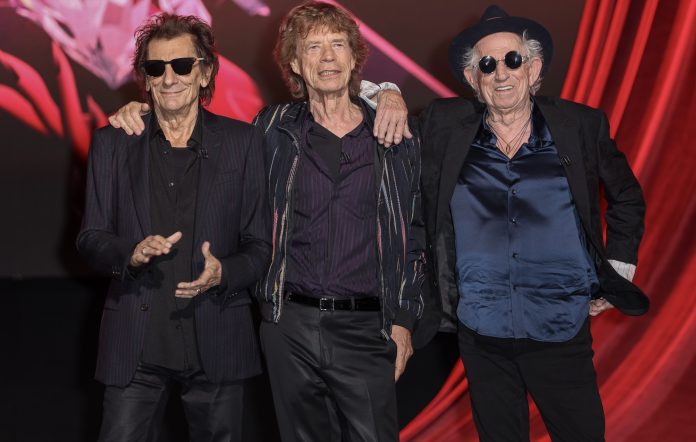


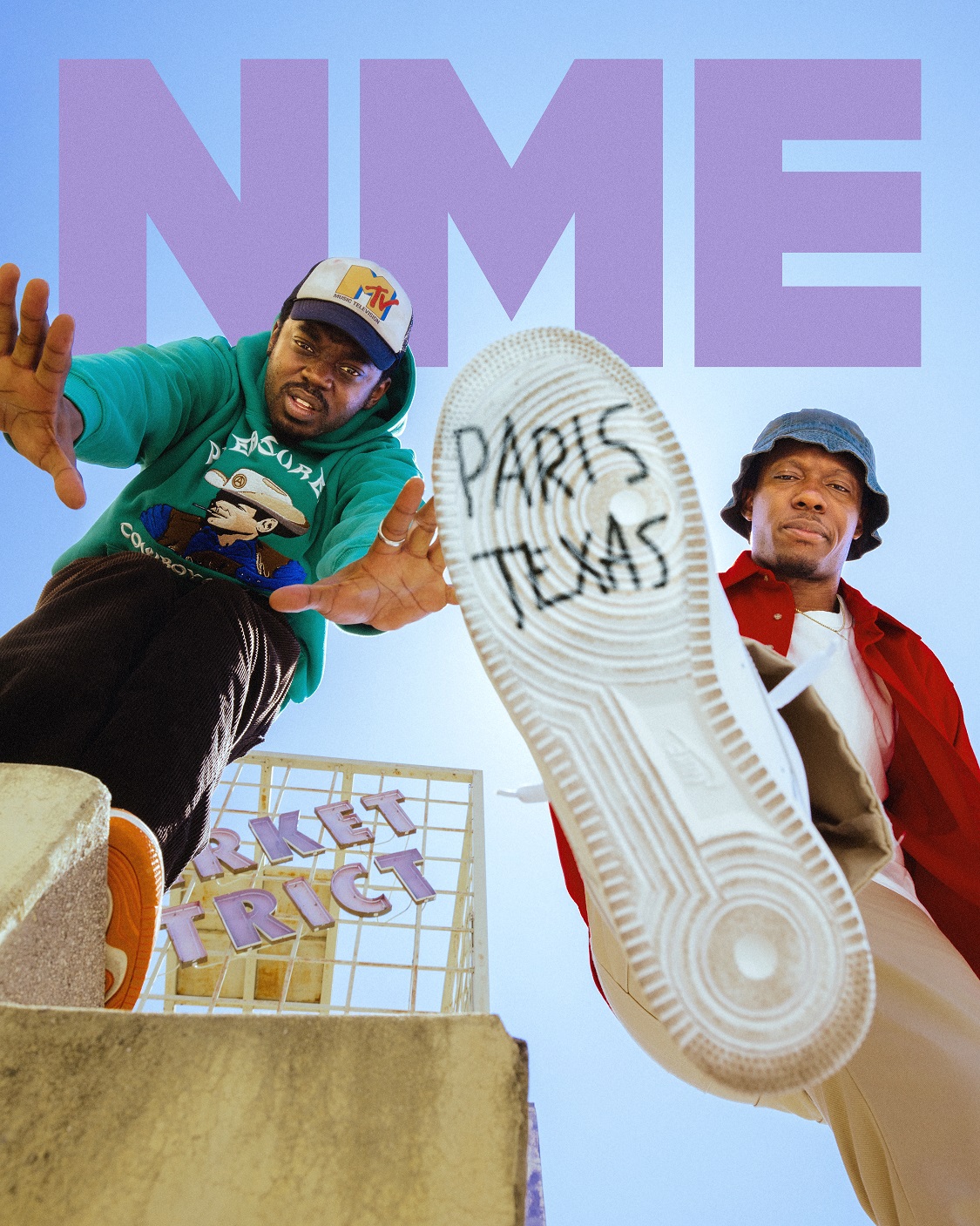
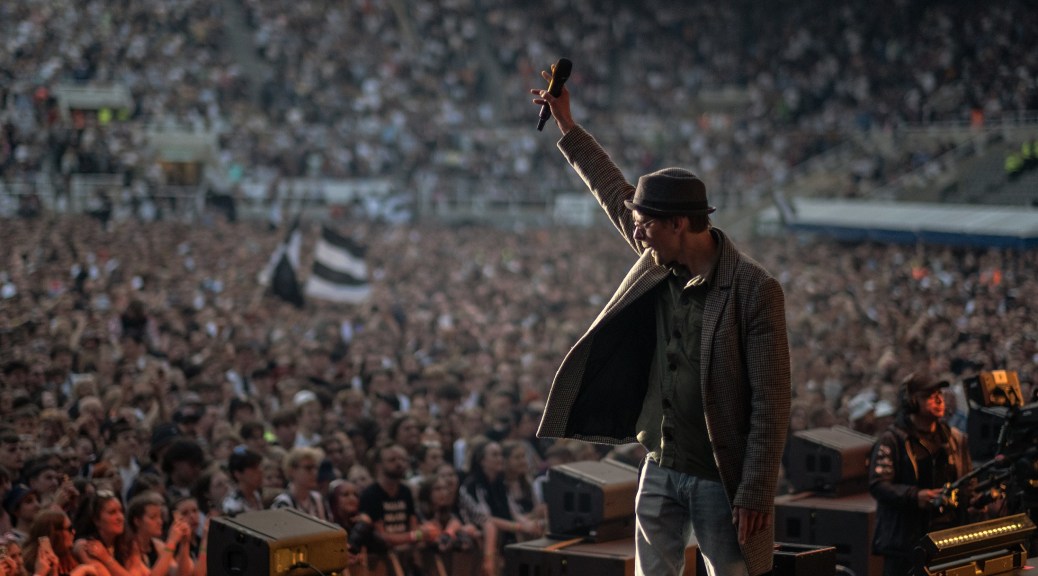
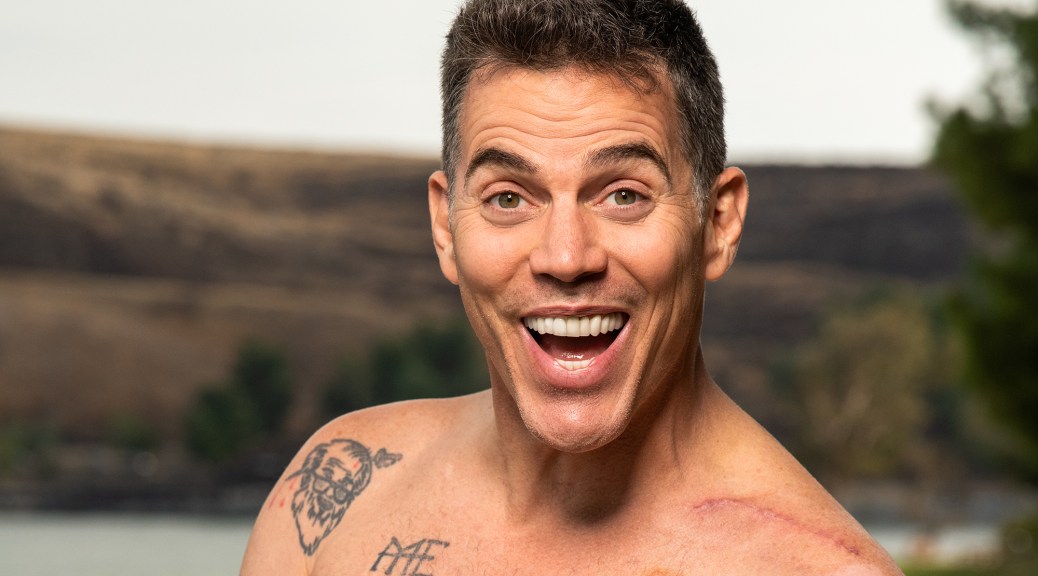

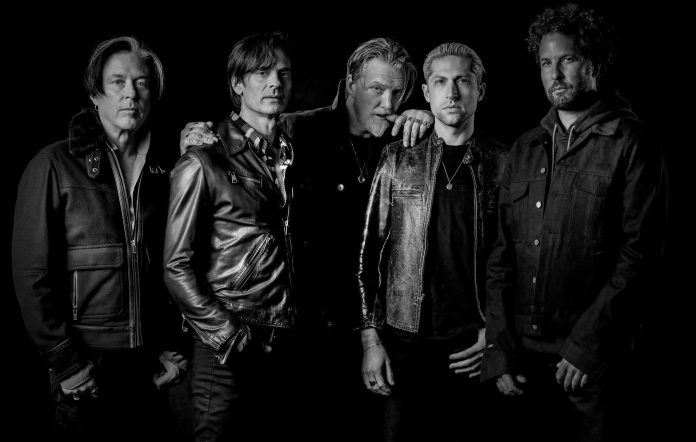

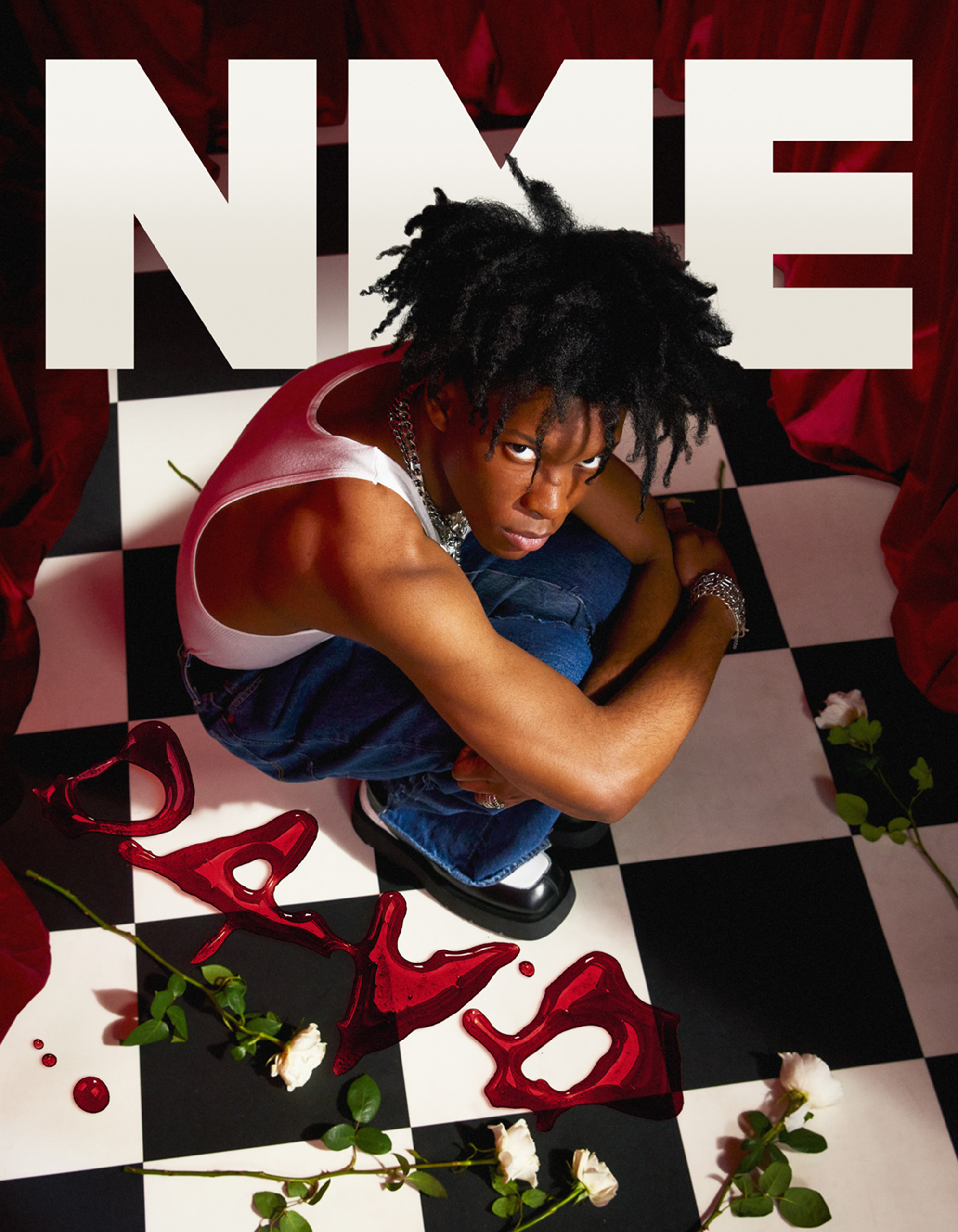
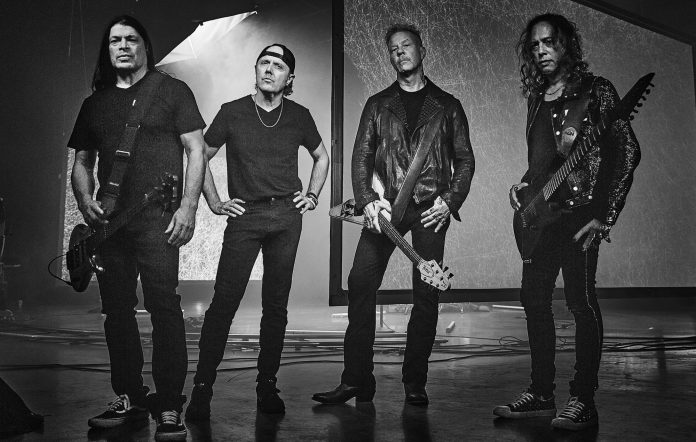

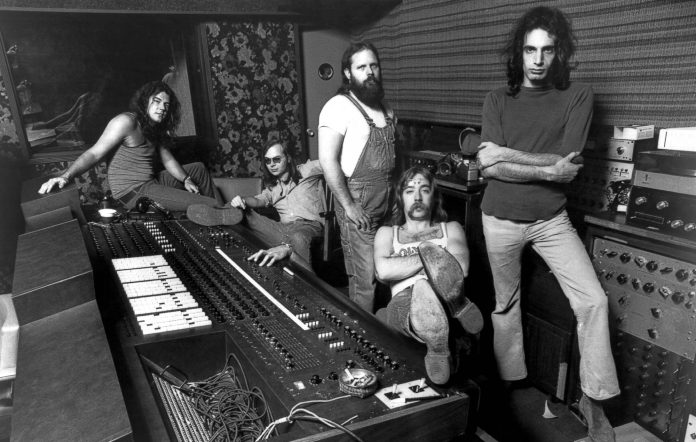
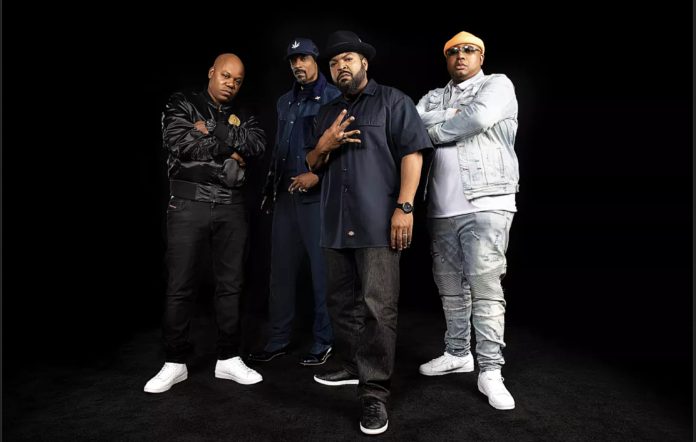

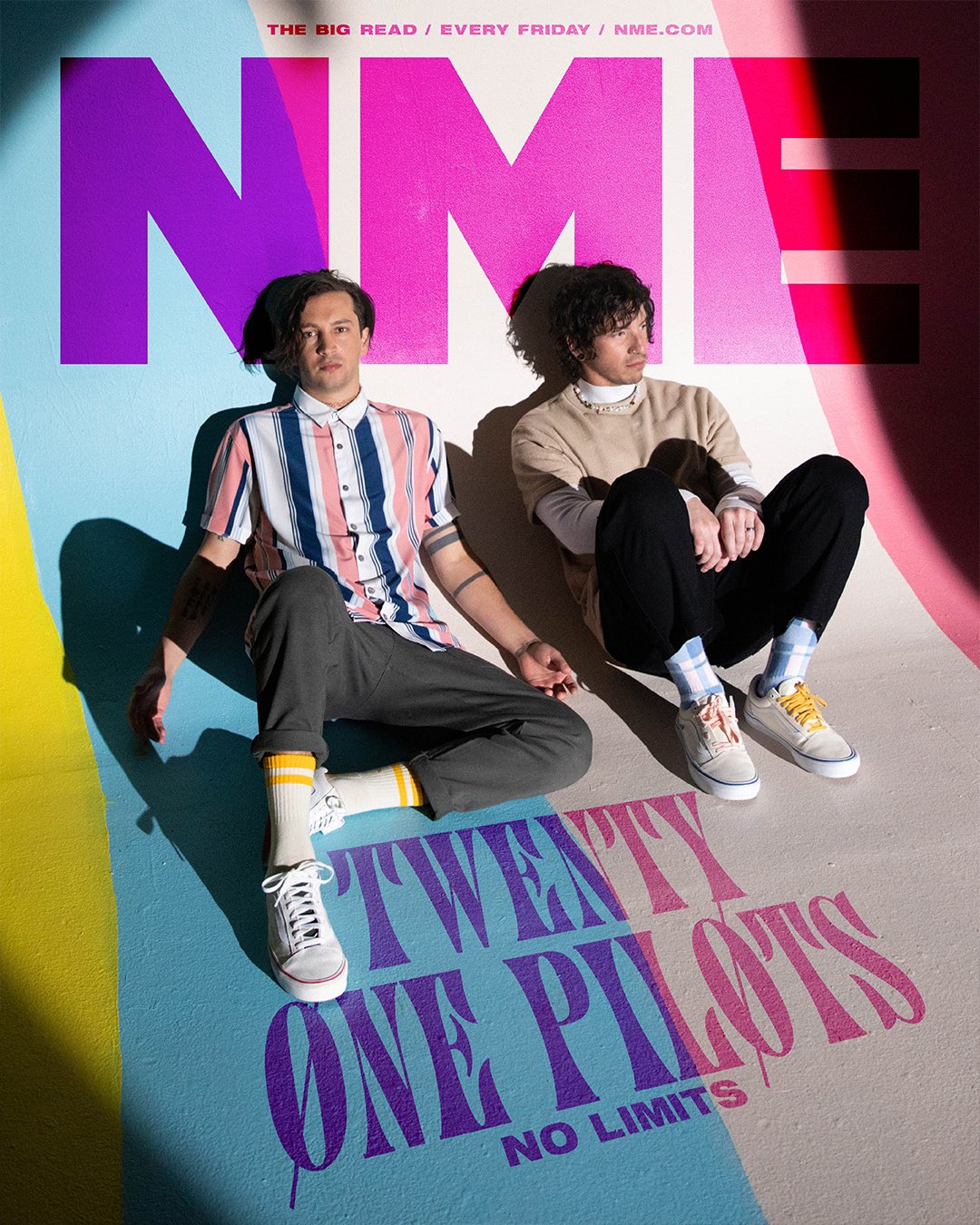
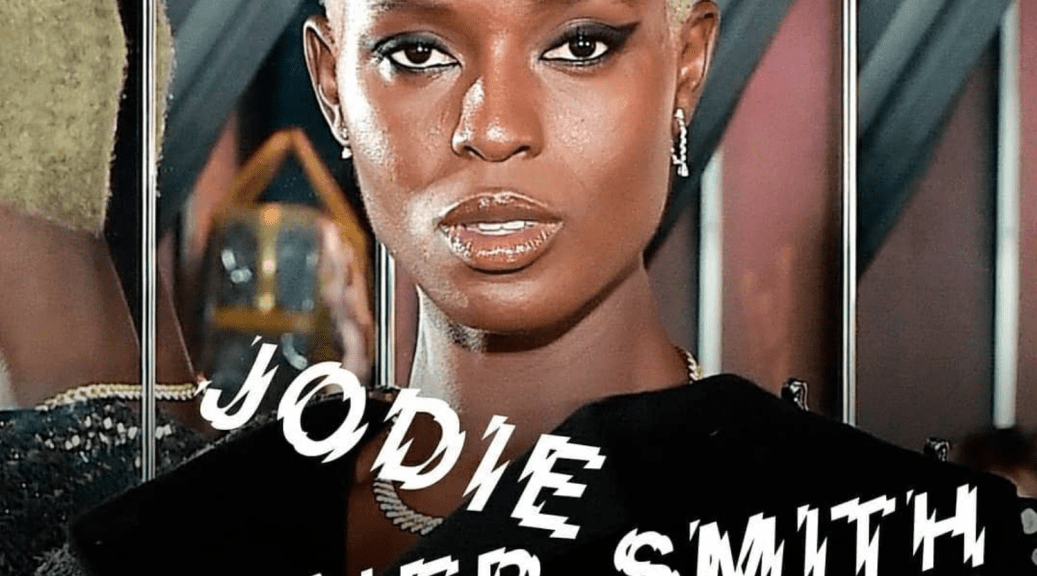


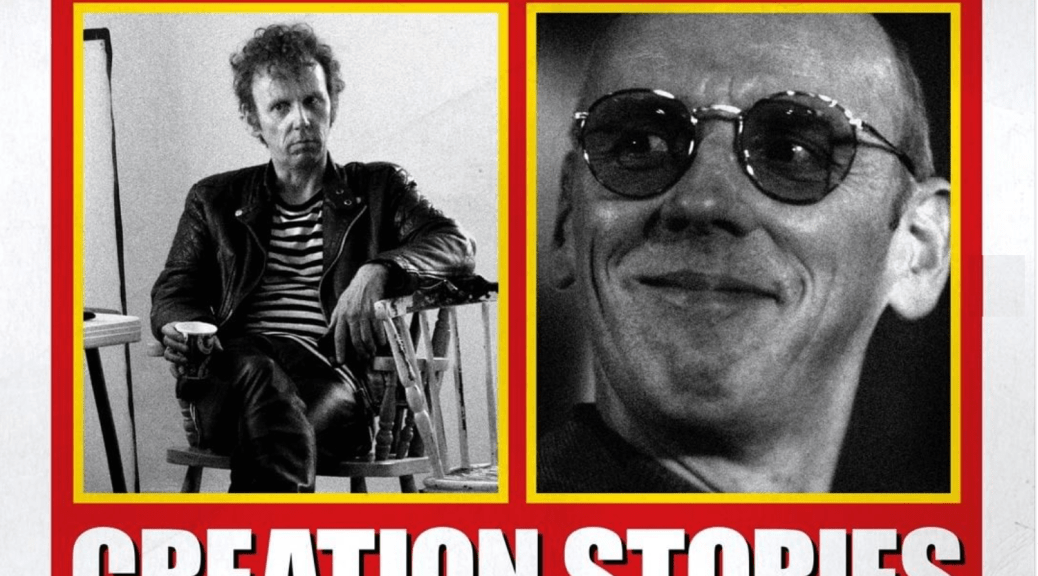
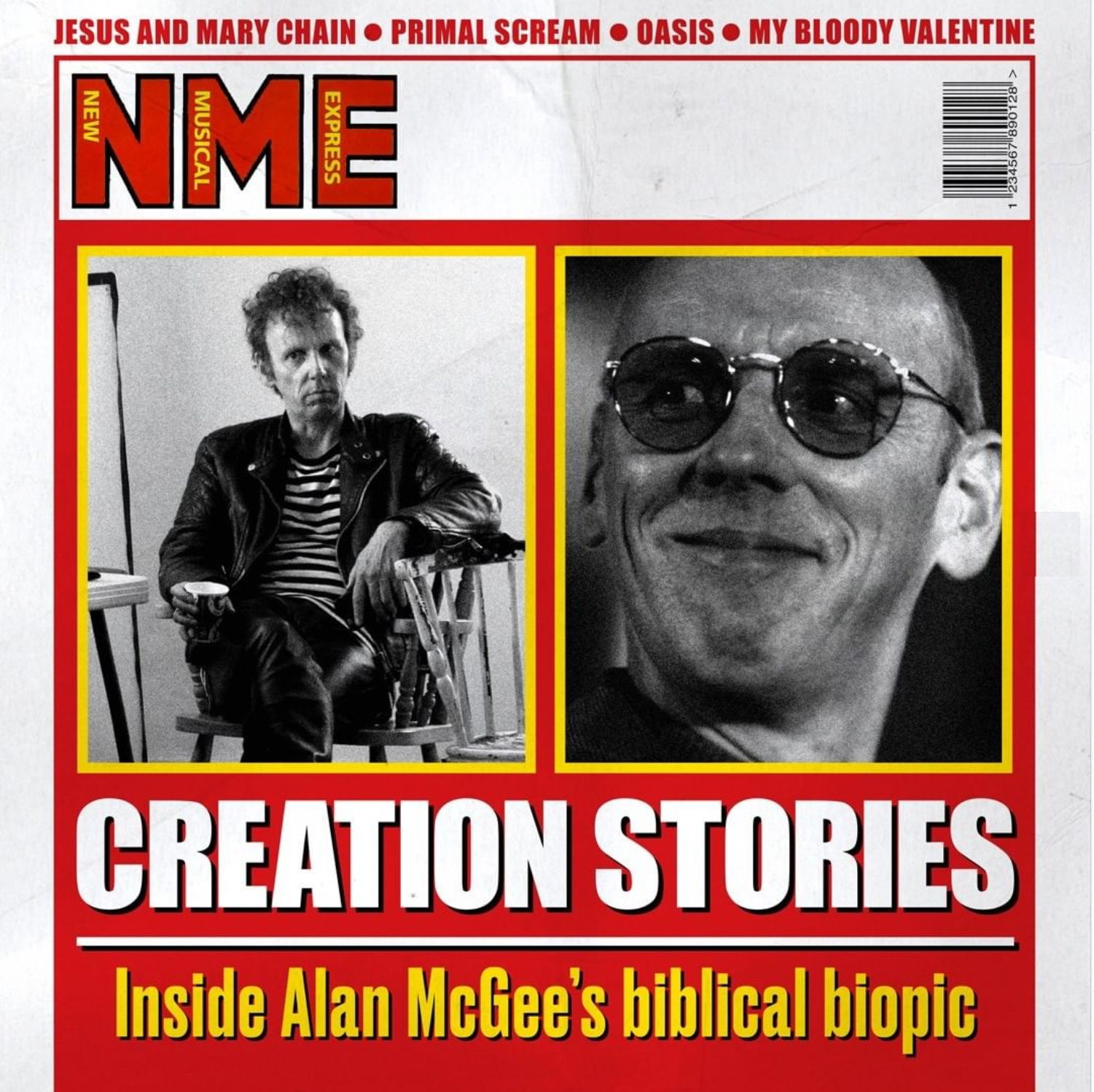
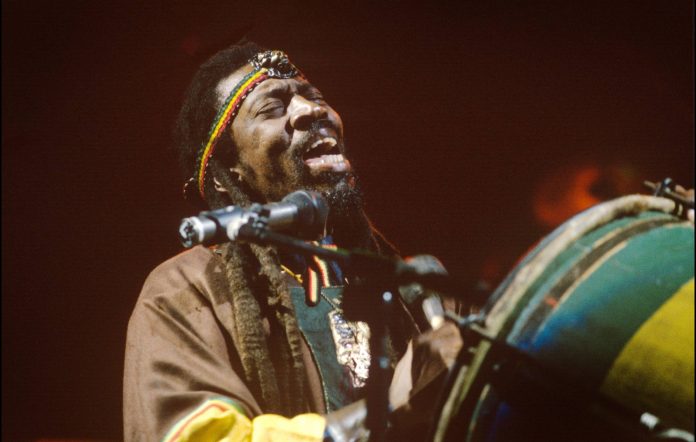
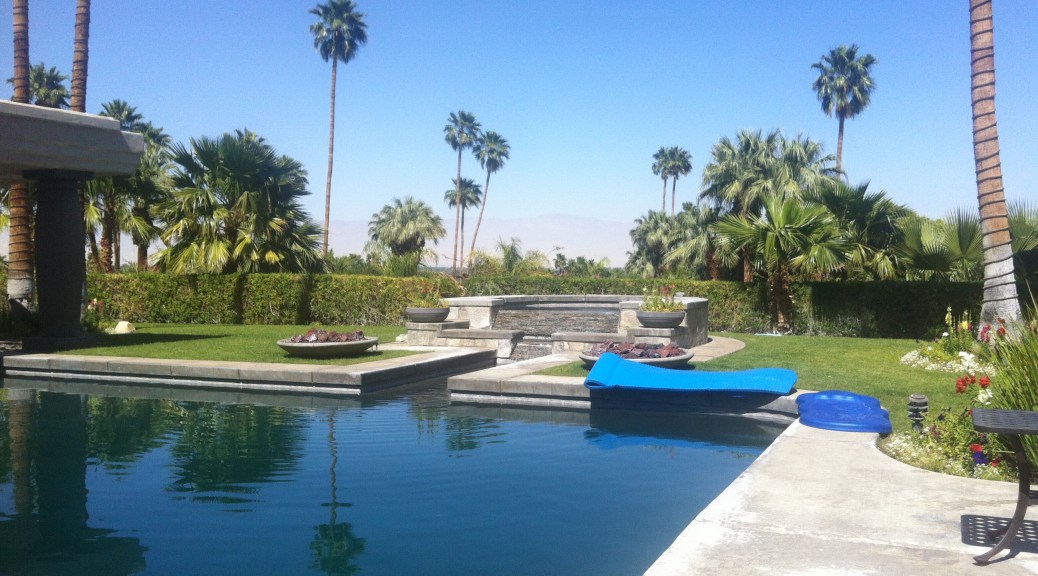


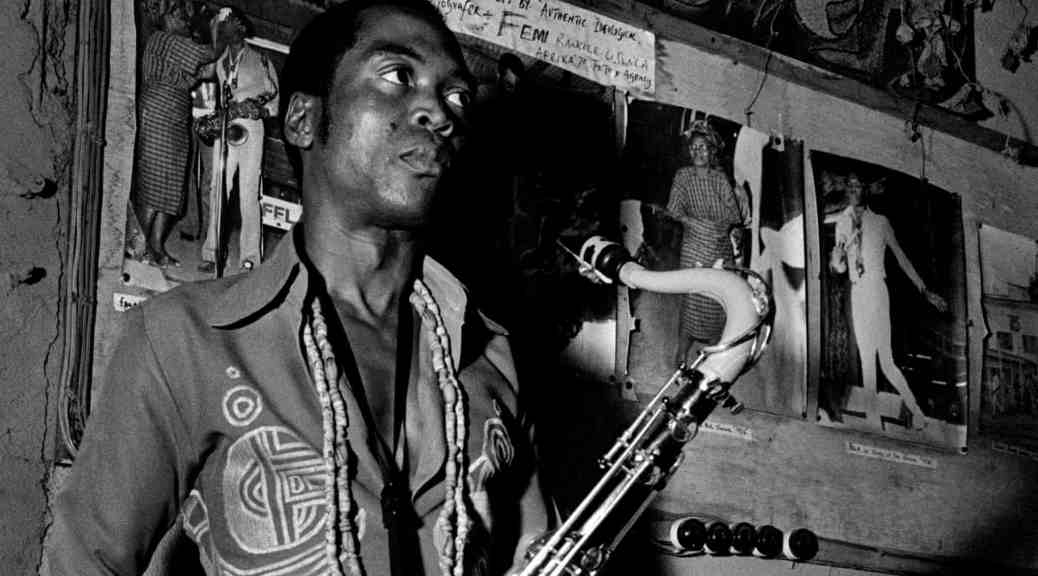
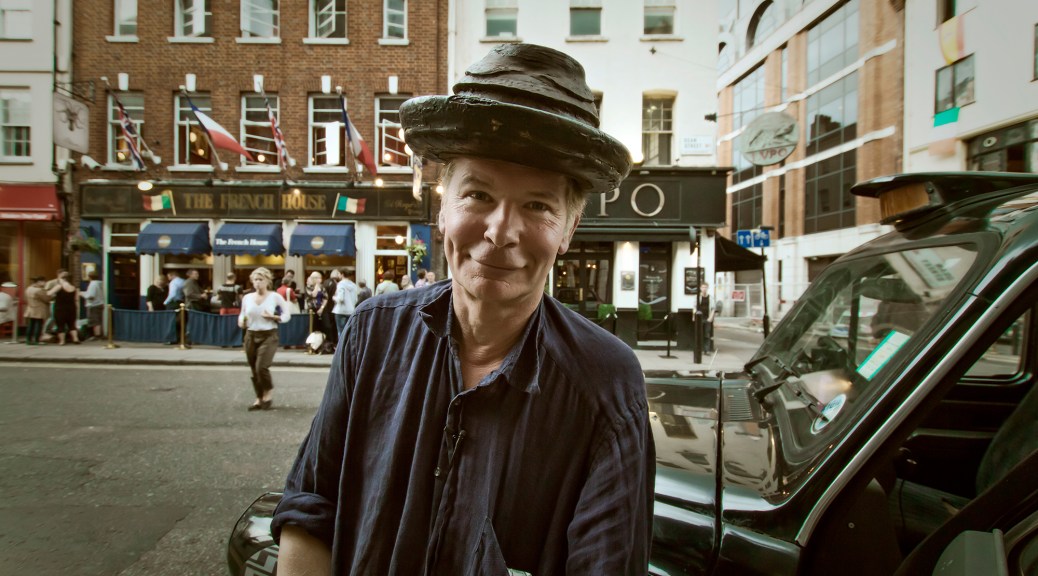
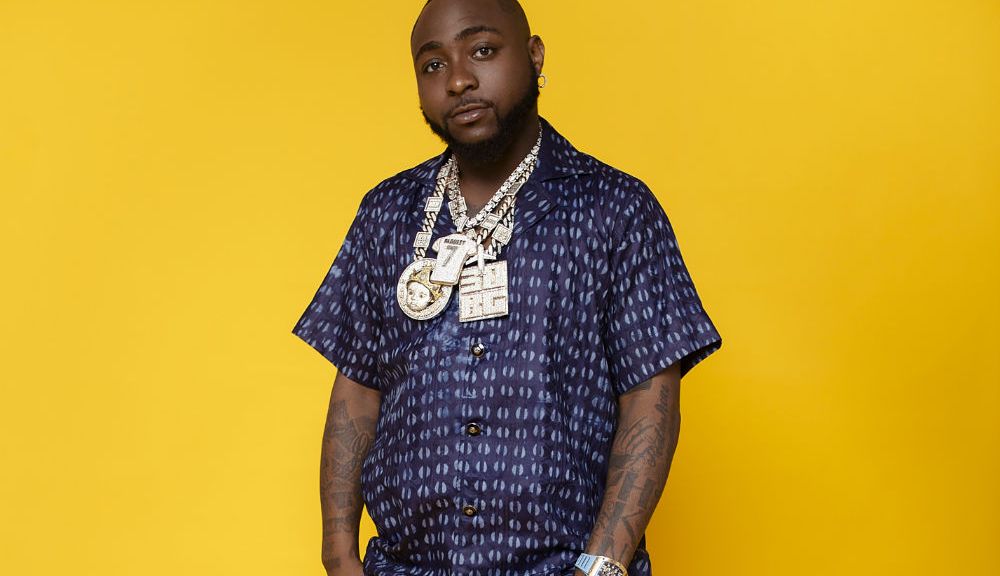
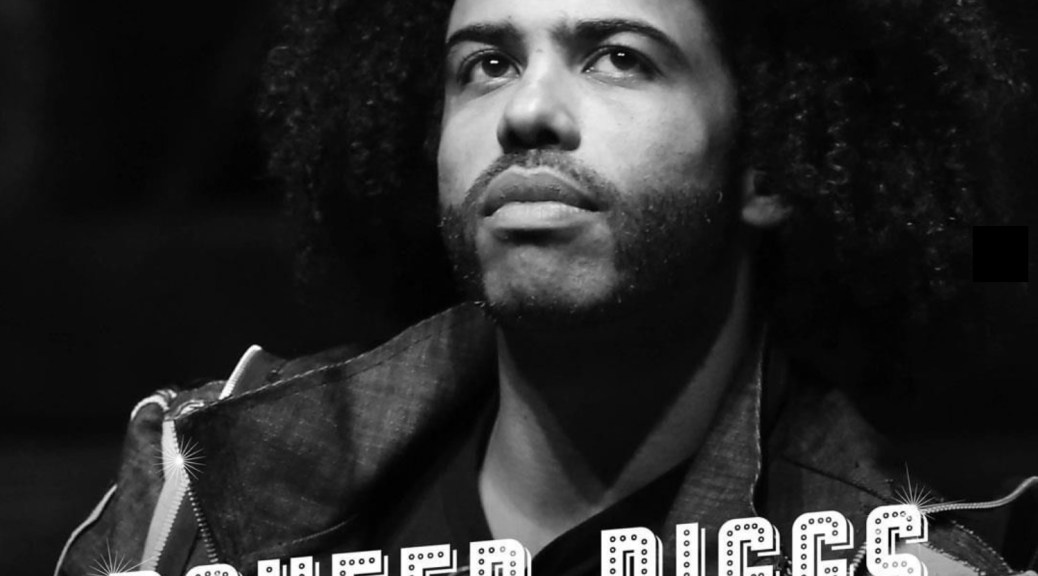


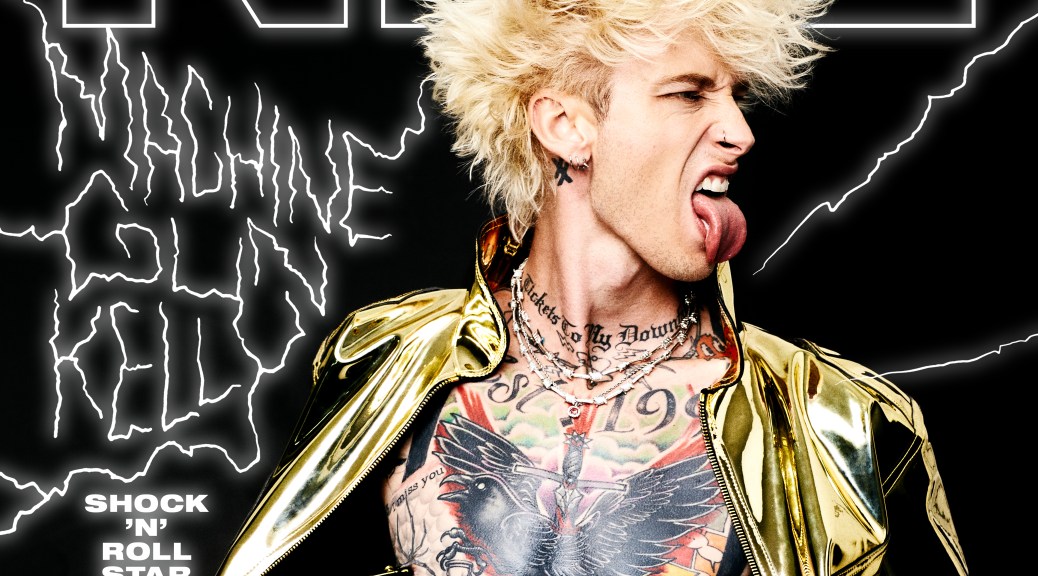


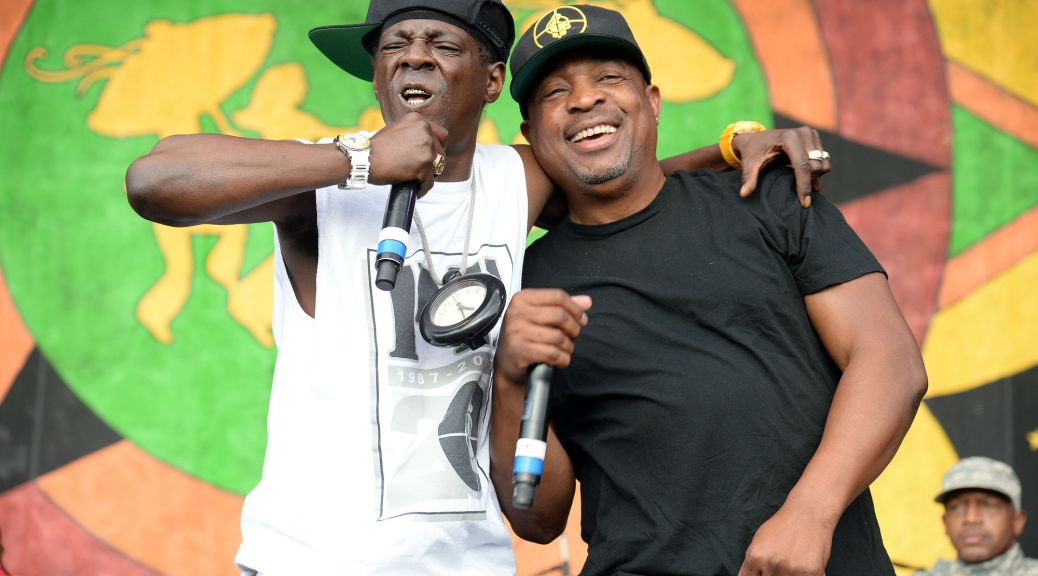
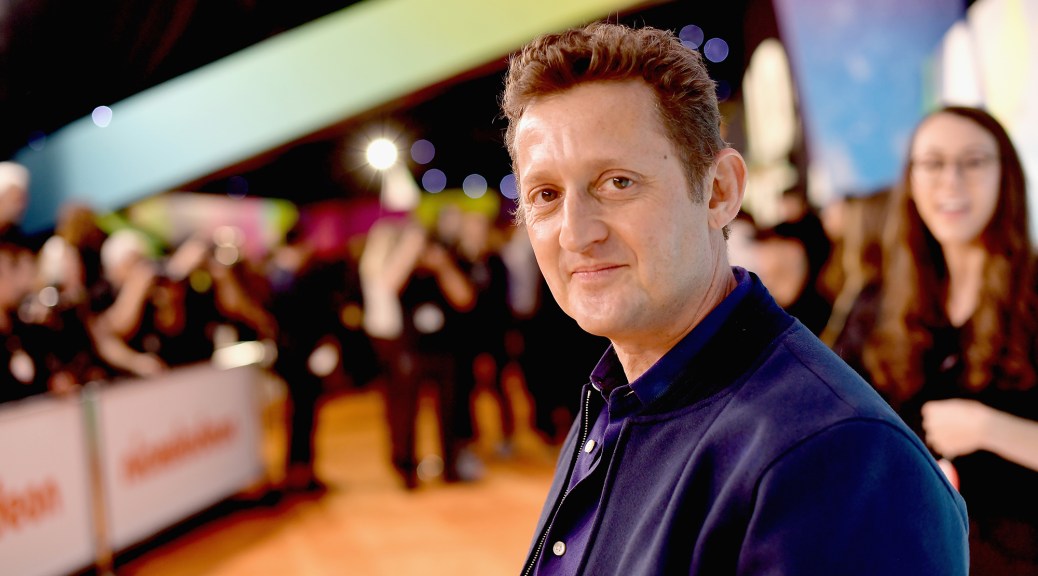

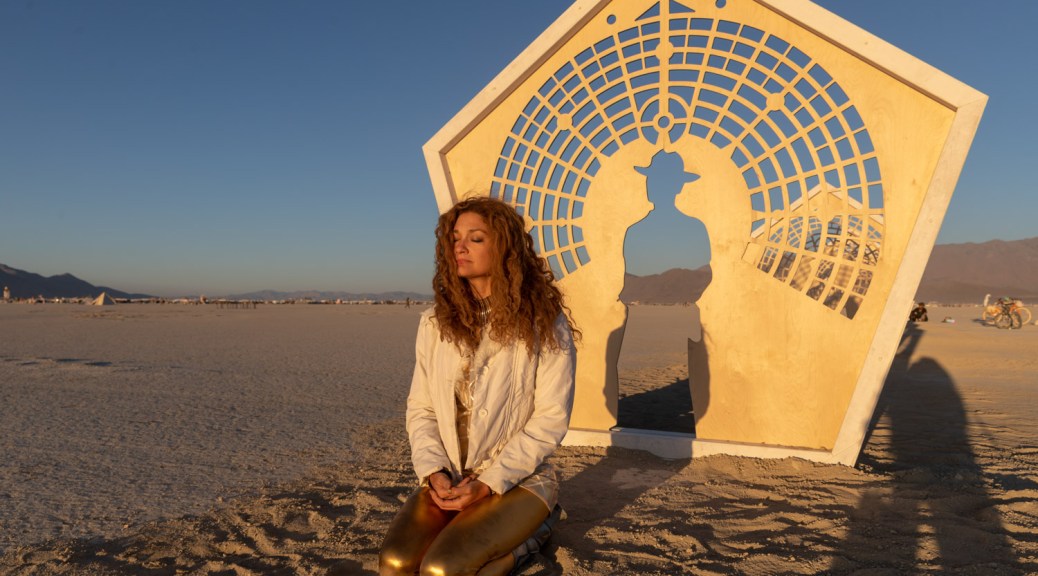
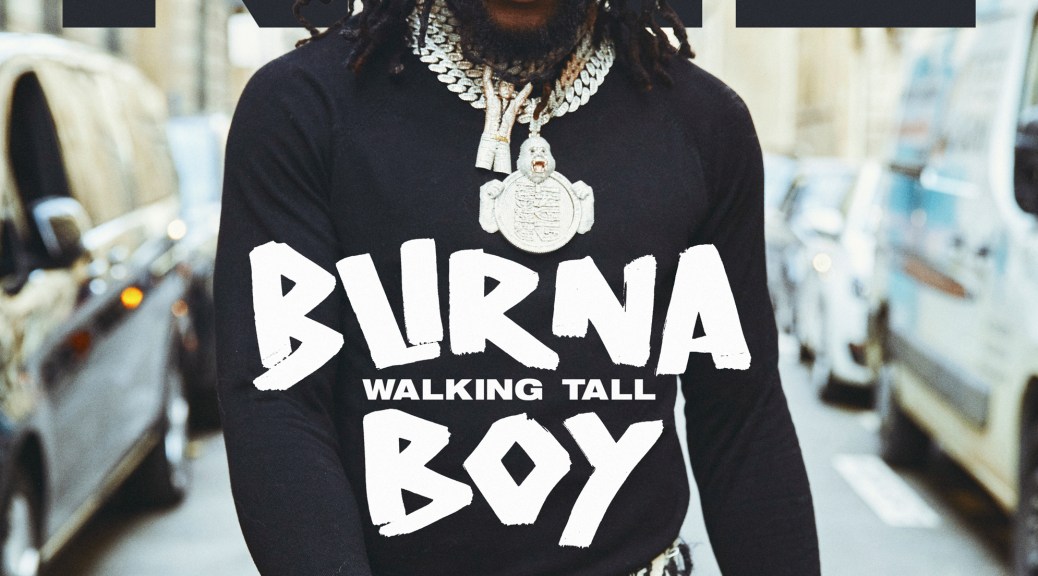
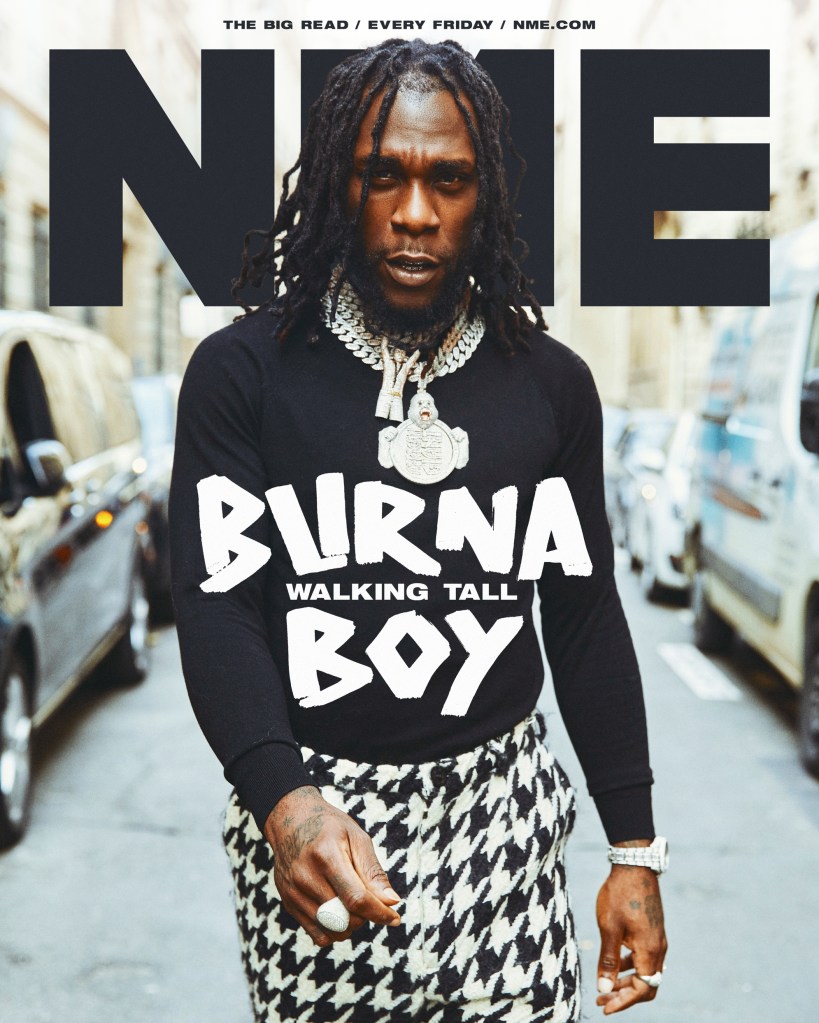
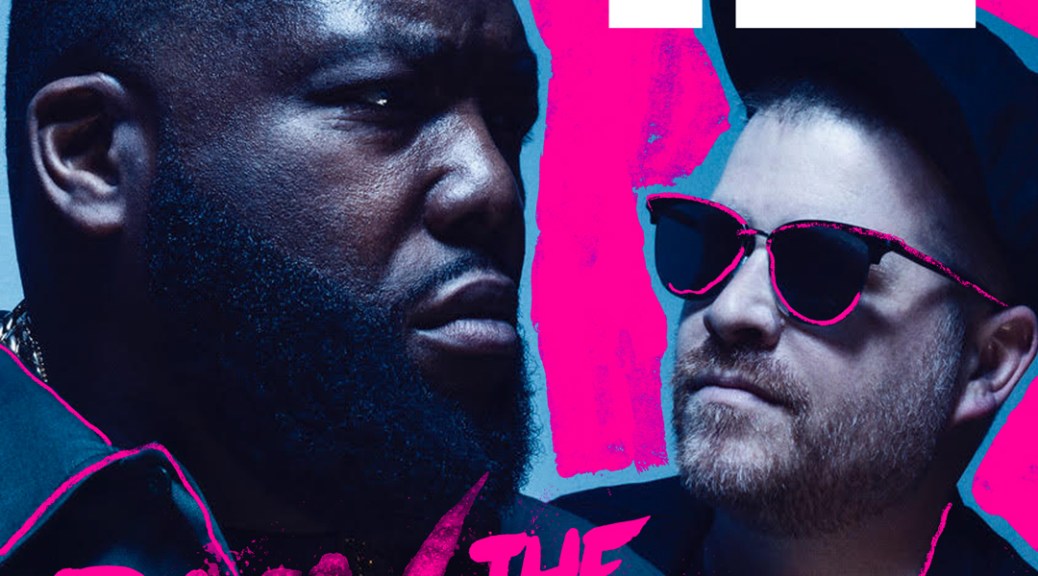


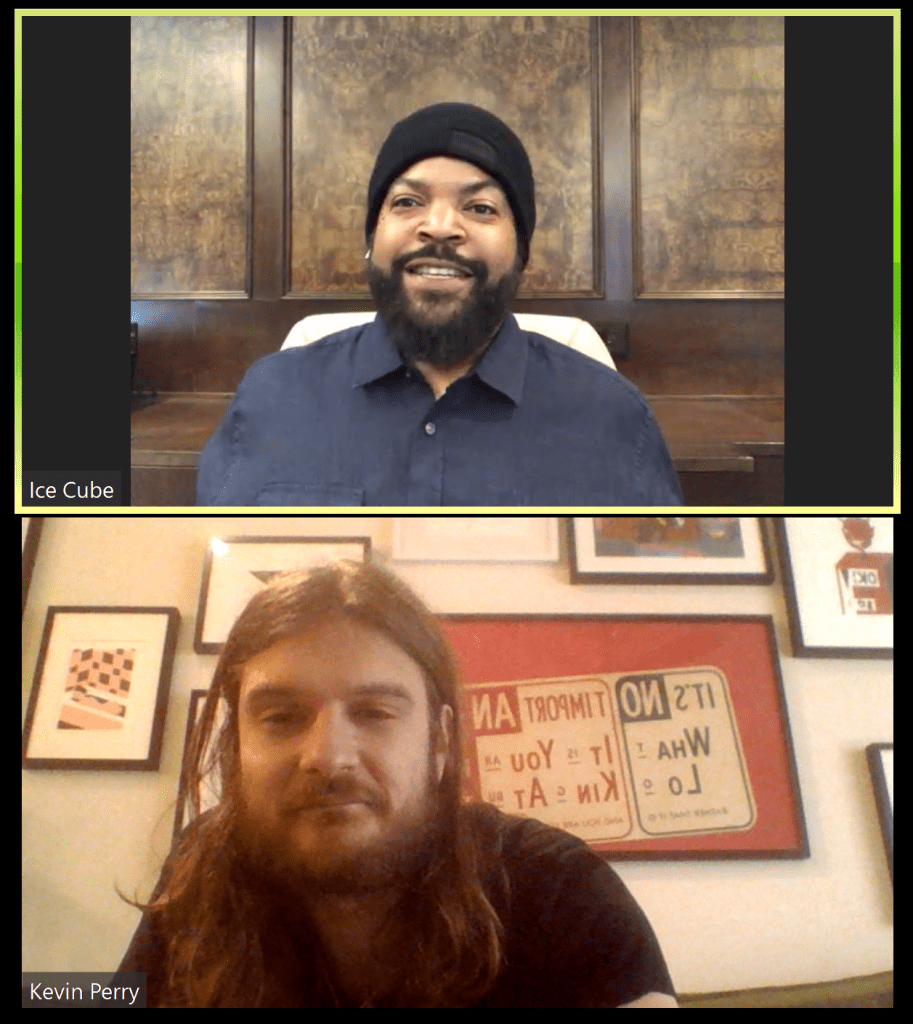
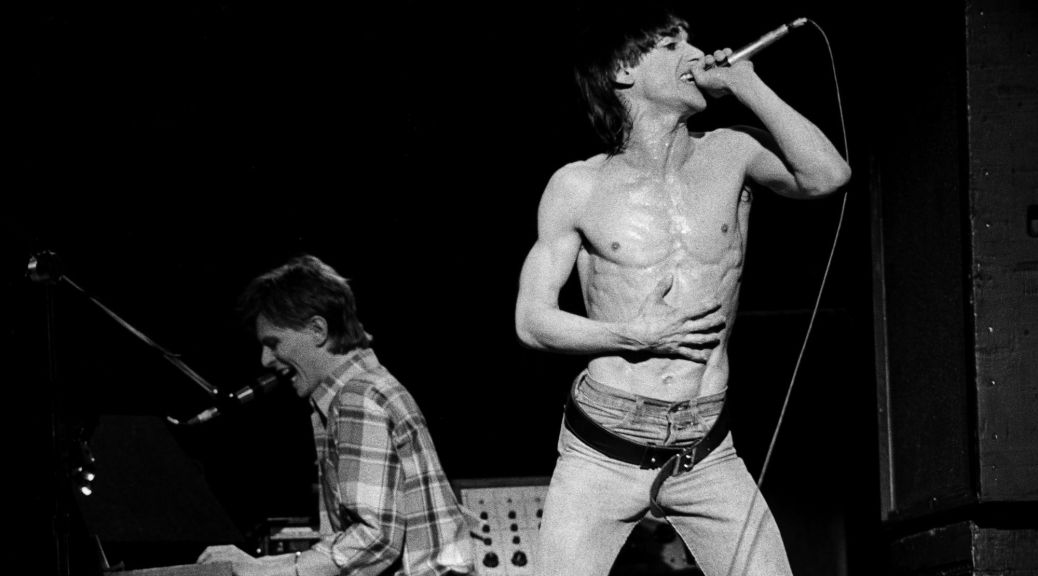




 Tory Lanez is walking through the streets of Hollywood, a blunt in one hand and a heart-shaped balloon bobbing from a ribbon in the other. An entourage of cameramen, managers and bodyguards trails behind him, weaving in and out of traffic like a shoal of fish. While NME’s photographer snaps away, a burly guy leans out of the window of a parked truck and hollers: “Dope ass music, my G!”
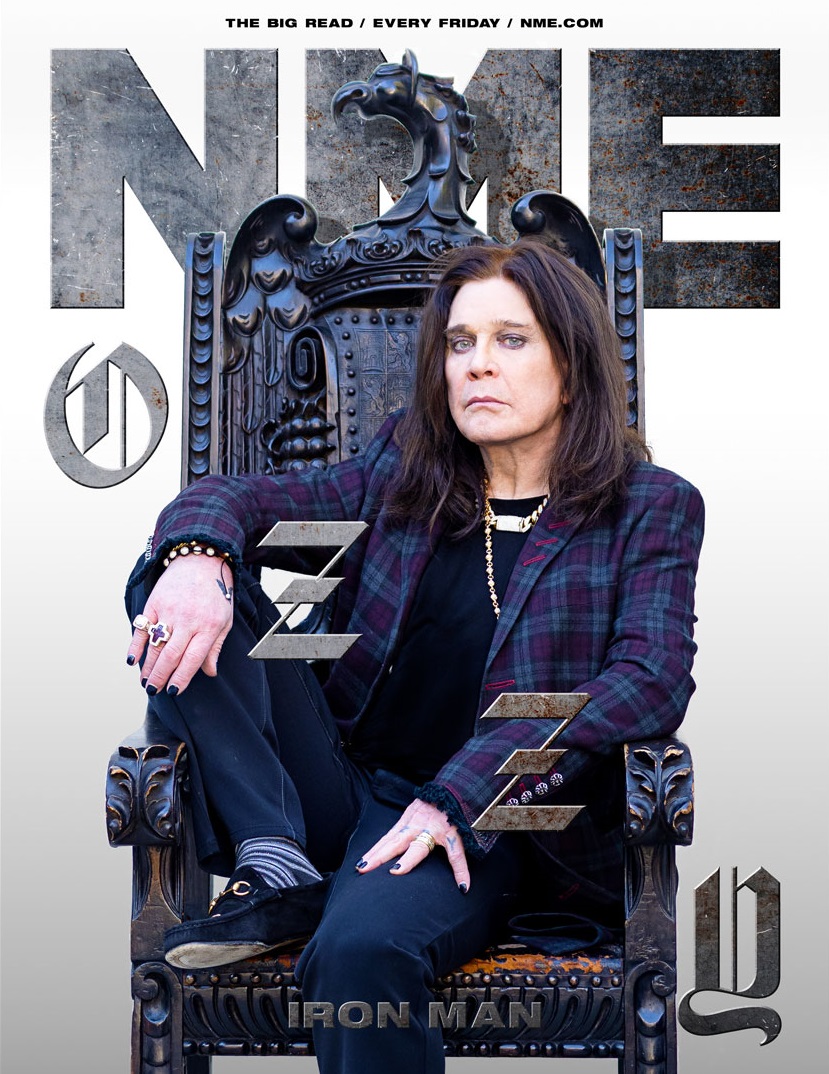 “I’m sitting in the fucking house and I’ve got a big fucking bowl of cocaine on the fucking table,” says the figure in black who sits before me. “It was when Black Sabbath were doing ‘Vol. 4’ and we’d rented a house in Bel Air. I was sitting there thinking: ‘It’s fucking boiling in here.’ So I press a button on the wall, thinking it’s the air conditioning. 10 minutes later six cop cars come screaming down the driveway. It’s the Bel Air patrol. I’d pressed the alarm button. So I shout: ‘IT’S A RAID!’, grab the fucking dope and me and this roadie run into a back room. I’ve got the bowl of cocaine and I’m going…” The figure in black mimes furiously shovelling mounds of the stuff into his nostrils.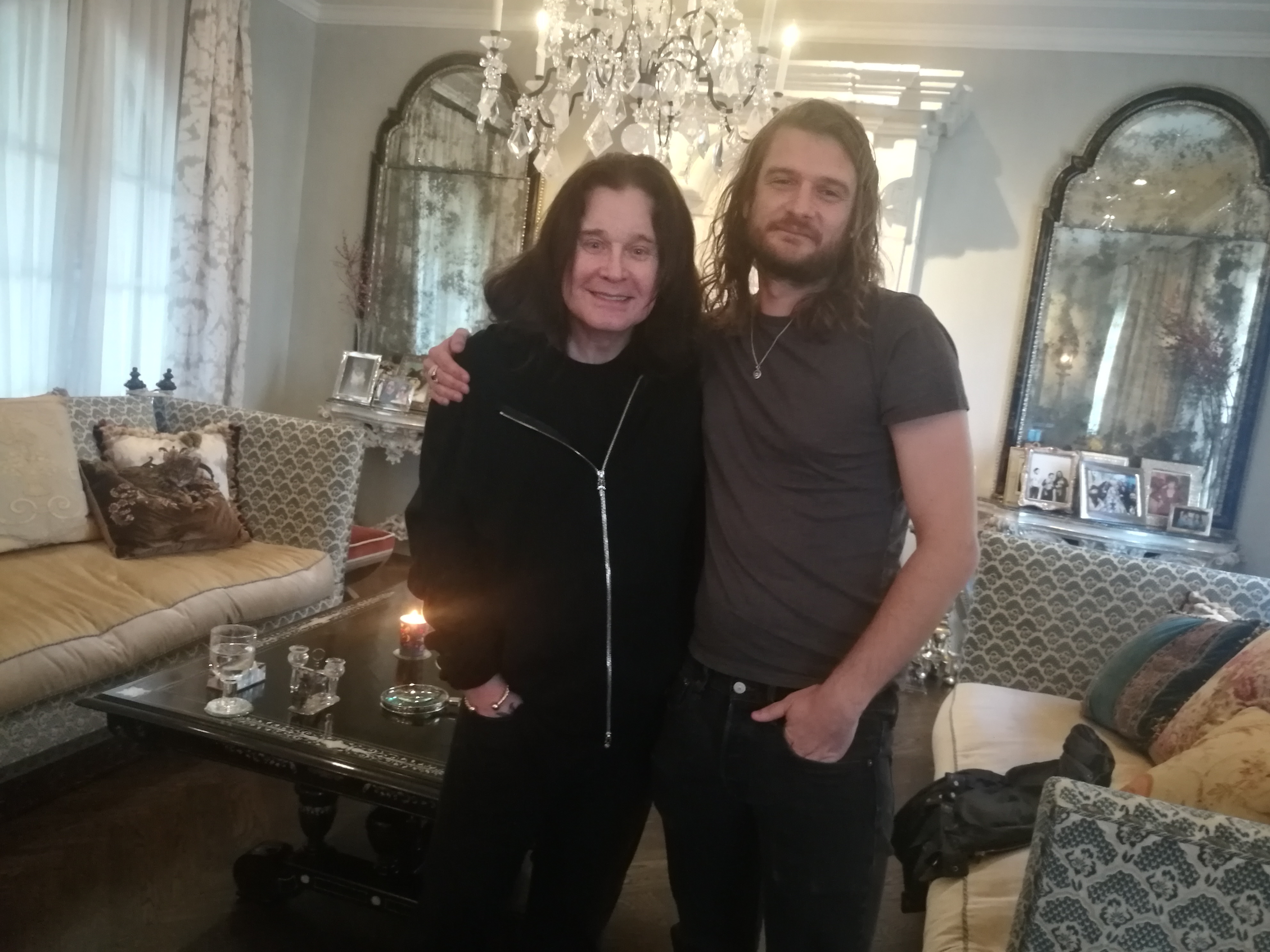

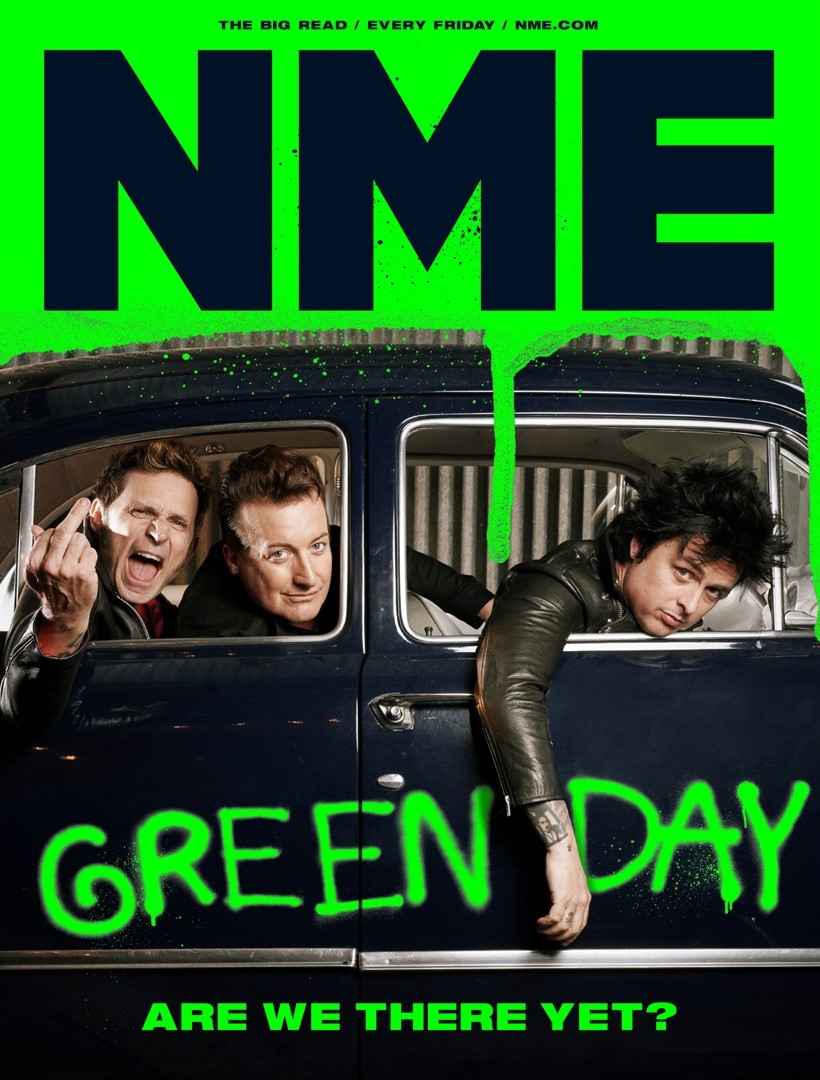 It’s a miserable day in Oakland. The northern Californian skies are 50 shades of shitty and the rain is lashing down, leaving puddles so deep the hipsters are probably wearing waders. You don’t want to be outside on a day like today. The only sensible thing to do in this sort of environment is stay in, get stoned and maybe form a punk band. Welcome to paradise.
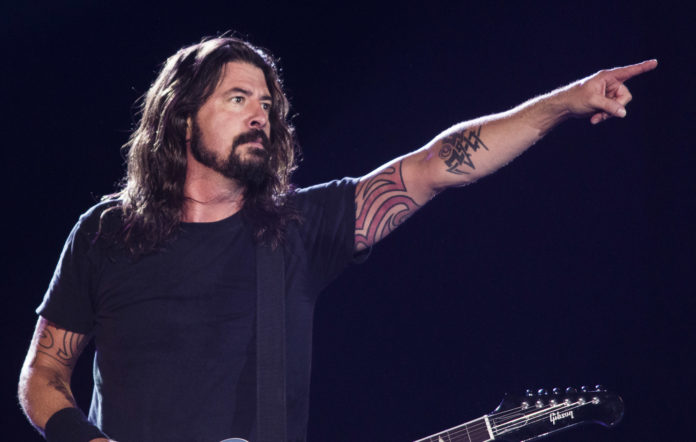 Prince was a singular talent whose influence has touched pretty much every conceivable genre of music. So it’s only fitting that the task of paying tribute to his life and work be taken on by a similarly diverse group of musicians. Foo Fighters, Beck, John Legend and Mavis Staples were all among the stellar list of artists gathered together by the Grammys and musical director Sheila E to perform at ‘Let’s Go Crazy: A Grammys Salute To Prince’, a TV special recorded on Tuesday night and set to hit screens in April around the fourth anniversary of the Purple one’s death.
 Kevin EG Perry: Collected Works