At a time when reading for pleasure is on the decline, James Patterson knows better than anyone how to keep selling novels. Since his first thriller was published in 1976, the 74-year-old from upstate New York has gone on to sell more than 400 million books worldwide. He holds the record for the most appearances on The New York Times bestseller list, and the record for the most times topping that list. For the past 13 years in a row, Patterson has been the most borrowed author from British libraries. Last year, Forbes estimated he brought in around $80m (£59m), making him America’s highest paid author. He has built this empire on the back of a staggering production rate: this year alone, no fewer than 11 new James Patterson titles will hit bookshelves around the world.
Still, even bestselling authors aren’t averse to the odd publicity stunt. This Wednesday, at Bethnal Green Town Hall in London, Patterson will put his detective hero Alex Cross on trial for a gruesome triple murder in the author’s first ever interactive live event: “The Judge, The Jury and James Patterson.” Given that Cross, who first appeared in 1993’s Along Came A Spider, is now the star of the world’s bestselling detective series, it isn’t hard to guess the verdict his creator will be lobbying for. “I hope he gets off,” says Patterson with a chuckle when we speak over video call from his Mediterranean-style villa in Palm Beach, Florida. The event wasn’t Patterson’s idea, but he immediately saw the appeal. “Courtroom stuff is always really interesting, so the idea of putting Alex on trial and having a live jury there who are gonna vote on it seemed fun… it’s hard to draw attention to books these days.”
The event is being held to promote the publication of Fear No Evil, the 29th instalment in the Alex Cross series. In typical Patterson fashion, his new thriller is a breakneck, globe-trotting adventure that bounces Cross from Washington DC to LA, Paris, Mexico City and finally the wilderness of Montana, where he finds himself caught between a murderous drug cartel and a rogue group of vigilante soldiers who’ve gone to war with them. It’s all faintly implausible, of course, but Patterson argues that’s part of his style, too. “For the most part, I don’t do realism,” he says. “Every once in a while a critic will go: ‘This isn’t very realistic!’ Not that I compare myself to Picasso, but to me that’s like looking at a Picasso and saying: ‘Well, this isn’t very realistic!’ That’s not good criticism. You can say ‘I hate this’ or ‘I think it stinks’, but Fear No Evil is not realism. It’s over the top, more like movies, but you always hope there’s some emotional truth too.”
David Coverdale wanted to retire from touring last year, when he was 69. The flamboyant Whitesnake frontman, blessed with the voice of a golden god and the innuendo-laden sense of humour of a naughty schoolboy, has instead been forced by the pandemic to reschedule his band’s last stand until next spring. “It’s unbelievable to me that I’m still working and active at 70,” he tells me, his rich, sonorous tones singing down the line from Hook City, his home studio on the outskirts of Reno, about 20 minutes from Lake Tahoe. “Reno-by-Sea!” he announces theatrically, then, “He wishes!” He’s in good spirits, despite having had his retirement plans pushed back. “I have bluebirds flying out of every orifice,” he trills happily in a way that suggests the sensation is less painful than it sounds. “That’s not too shabby for a man of my dotage.”
Coverdale didn’t expect to still be squeezing himself into leather trousers at 70 because he thought it was all over four decades ago. Back in 1981 he was living in a rented villa on the Algarve and sleeping in a separate room from his first wife Julia as their relationship crumbled. Whitesnake’s prospects didn’t look much rosier, with tensions rising to the point that within a year Coverdale would sack all his bandmates. Worst of all, he was fast approaching 30, surely over the hill for a rock’n’roll star. He couldn’t have known he was only then coming up with what would become their signature hit. “As I was writing ‘Here I Go Again’ and ‘Crying in the Rain’ about the breakdown of my first marriage, inconsolable, rat-arsed on white port and lemonade – actually, it was white port and 7 Up, let me give credit where it’s due – I thought: ‘The party’s over,’” he recalls. “In those days, nobody thought Jagger would still be touring at 78! Are you kidding? These guys keep raising the bar, the bastards!”
In August 2018, just days after playing a ravey headline set at Wilderness Festival in Oxfordshire, the visionary techno artist Jon Hopkins found himself attached to a thin rope being lowered 200ft into an ancient cave system deep in the Amazonian jungle of Ecuador. “I’m not really a rugged outdoors type,” admits the 42-year-old over the phone from his studio in Hackney. “But when I get unusual offers I usually just say ‘yes’ without really thinking. Before you know it, you’re descending on this rope into the abyss. It was really f***ing terrifying!”
Hopkins had been invited to the Tayos Caves by Eileen Hall, whose father Stan Hall led an expedition to explore them in 1976. After he died in 2008 Eileen took up his conservation mission, hoping that by raising awareness of the site’s remarkable biodiversity, it would be granted the protection of UNESCO World Heritage status. She put together a new expedition team, including scientists and artists, which is how Hopkins came to be dangling by a thread, journeying into the deep.
At that moment, Hopkins already knew he had reached a turning point in his musical career. His fifth album, Singularity, had been released three months previously, receiving widespread acclaim and a Grammy nomination for Best Dance/Electronic Album. Hopkins considers Singularity and its predecessor, his Mercury Prize-nominated 2013 record Immunity, to be “sister albums”, with a shared intricate, euphoric and beat-driven sound. For his next record, he wanted to move in a new direction, “far away from a cosmic party or a set of festival bangers”. So he turned his gaze inward, taking inspiration from meditation, which he has practised since he was 21, and his experiences with DMT, the active ingredient in ayahuasca, a powerful psychedelic brew that Amazonian tribes have been using in spiritual ceremonies for centuries. It was these influences, coupled with his time at Tayos, that led to the creation of a new album unlike any he’s made before, Music for Psychedelic Therapy, a gorgeous musical voyage that draws on ambient, drone and classical music – as well as the sounds of the natural world – and features not a single drum beat.
On Friday 19 March 1971, the journalist Hunter S Thompson and the lawyer Oscar Zeta Acosta were sitting in the Polo Lounge of the Beverly Hills Hotel – “in the patio section, of course” – drinking singapore slings and plotting the high-speed desert trip that would inspire Thompson’s most celebrated work, Fear and Loathing in Las Vegas. Fifty years and seven months later, I’m sitting on that same patio with the filmmaker Phillip Rodriguez, who made an incisive documentary about Acosta’s wild life and times, The Rise and Fall of the Brown Buffalo. Reading Thompson as a teenager made me want to write for a living, so my plan had been to mark the 50th anniversary of Fear and Loathing first appearing in Rolling Stone by having a few drinks and toasting the memory of these two icons of cultural rebellion. Rodriguez has other ideas. “We have to rethink a lot of our gods,” he tells me, a smile breaking through his short-cropped snowy beard but his eyes deadly serious. “We become conservative if we’re still trying to preserve the mythologies of our youth.” I almost spit out my singapore sling.
These days, Fear and Loathing in Las Vegas exists most powerfully in the popular imagination thanks to Terry Gilliam’s 1998 film adaptation, which starred Johnny Depp as Thompson’s alter ego Raoul Duke and Benicio Del Toro as Duke’s attorney, Dr Gonzo. On any given Halloween you will still find plenty of Raoul Dukes roaming the streets, cigarette holders clamped between their teeth, and a fair few Dr Gonzos trailing in their wake. In the film, as in the book, Acosta’s alter ego is essentially a sidekick, portrayed as a drug-crazed lunatic “Samoan”. When Acosta first read Thompson’s story, he had no problem being cast as a drug-crazed lunatic but was incensed that his identity as a proud leader of the Chicano civil rights movement had been erased. On top of that, Acosta believed he deserved credit for the work itself, in which much of the dialogue is reproduced verbatim from recordings Thompson made during their adventures in Vegas. “My God! Hunter has stolen my soul!” he wrote to Alan Rinzler, the editor who ran Straight Arrow, Rolling Stone’s books division. “He has taken my best lines and has used me. He has wrung me dry for material.”
If the success of Big Mouth has taught Nick Kroll anything, it’s just how many people in the world have had sex with their pillows. When he and his childhood best friend Andrew Goldberg were first dreaming up their hit animated show about the growing pains of puberty, they based the character of Jay Bilzerian, who has deeply involved relationships with a wide variety of soft furnishings, on a specific friend they knew as kids. Countless fans have let Kroll know since that their friend was far from unique.
“It happens a lot,” says the 43-year-old, a smile playing at the corner of his mouth as he speaks over a video call from his home office in Los Angeles. “It tends to be men who’ve had sex with pillows, but then there’s a lot of women who talk about corners of couches, or long baths with the faucet on. Very little surprises me now. That’s the beauty of the show. It makes you realise that the weird thing you did, or that you heard about, was happening all over the place. It’s all pretty common.”
Big Mouth returns for its fifth season this week, bringing us another instalment of what The New York Times has called “the greatest work of puberty-themed art ever created”. The initial premise of the show was for Kroll and Goldberg, along with co-creators Jennifer Flackett and Mark Levin, to explore the confusion of their own adolescence by following semi-autobiographical characters named Nick (voiced by Kroll) and Andrew (John Mulaney) as they lurch towards adulthood under the erratic influence of Andrew’s Hormone Monster Maury, a suitably deranged personification of puberty itself (also voiced by Kroll).
Naming a child can be a taxing task for any new parents, but for Adam Granduciel and his partner, the actor Krysten Ritter, one name for a boy stood out as a clear frontrunner. In 2018, the year before their son was born, the couple met Bruce Springsteen backstage at one of his theatre shows on Broadway. Springsteen is a longstanding hero of Granduciel’s, and a noted influence on the epic, road-trip-ready rock music he makes with his band The War on Drugs. No surprise then that Granduciel and Ritter decided to name their child Bruce, or that The Boss himself gave them his approval. “I didn’t tell him beforehand, but he knows now for sure,” says Granduciel of his son’s famous namesake. “He gets a kick out of it!”
In 2021, The War on Drugs are something of a rarity: a massively successful modern guitar band. Their last album, 2017’s A Deeper Understanding, won the Grammy for Best Rock Album, while their international tour next year will see them perform at some of the world’s biggest and most storied venues, including Madison Square Garden in New York and the O2 in London. Those grand arenas will provide a fitting home for the meticulously crafted rock songs that fill the band’s forthcoming new album, their fifth, I Don’t Live Here Anymore, which is set to be released on Friday. While their early records featured sprawling soundscapes emerging from a maelstrom of Seventies and Eighties classic rock influences, the songwriting on the new record is more direct, the lyrics more personal. It was to some extent inspired, Granduciel says, by the arrival of the younger Bruce in his world.
“Nothing will put your life into perspective like having a kid,” says the 42-year-old, speaking over the phone from Austin, Texas, where Ritter is currently filming the forthcoming HBO series Love and Death, from Big Little Lies creator David E Kelley. It’s a quirk of her celebrity that Granduciel has the curious distinction of being one of the very few grizzled, long-haired contemporary rockers to regularly be trailed by paparazzi around Los Angeles, often with Bruce under one arm. “I think it helped me understand what it means to grow up. It puts your place in your own life into a little bit of focus, and there were things that I wanted to write about as I entered fatherhood. It was a ripe opportunity to understand new facets of life.”
Tom Petty released a lot of great albums over the course of his four-decade career as one of the great American songwriters, but none meant more to him than 1994’s Wildflowers. “Even on the last tour, if we played a song from Wildflowers he’d say: ‘That’s the best record we ever made’,” remembers Benmont Tench, keyboardist and founding member of Petty’s backing group The Heartbreakers. “And I appreciated that he said ‘we’.”
Wildflowers is ostensibly a Petty solo record, although the majority of The Heartbreakers ended up playing on it anyway. It was recorded at a transitional time in his life; he was privately aware that his 20-year marriage was falling apart, and publicly separating from both his record label MCA and producer Jeff Lynne, who had been instrumental in the creation of his two previous albums, 1989’s Full Moon Fever and 1991’s Into the Great Wide Open. Lynne was a hero of Petty’s, and had been his bandmate in supergroup The Traveling Wilburys, but Tench says Petty was looking for a new sound. And it was easier, perhaps, recording the more personal, introspective songs on Wildflowers with Rick Rubin, a producer he barely knew when they started making the album. “People will tell their life story to a stranger, even when they won’t tell those things to a friend,” points out Tench. “I think emotionally it was great to have new blood around.”
There’s a moment during the Rolling Stones’ triumphant return to Los Angeles that stays with me long after the show is over. It comes right at the end, after the geriatric band blast through a straight two hours of the finest rock’n’roll songs ever written. They’re midway through a climactic “Satisfaction” and Mick Jagger – who is 78-years-old and by this point has done a marathon’s worth of strutting – is out at the end of his catwalk still giving his all. You can picture it: up on his tippy-toes with his arms flowing from side to side as though he’s performing an incantation. There is a reason people write songs dedicated to his moves.
He turns around to see that Keith Richards, a mere child of 77, has prowled his way down the runway to meet him. The guitarist lets his instrument go slack around his neck and with his pirate’s grin starts to mimic Jagger’s dancing in that matey, half-assed way a non-dancer does when faced with a pro. They’re only about a foot from each other, looking right in each other’s eyes, and they both just start laughing. Looking at the picture of pure joy splashed across their faces, I have to think: seriously, what are the odds?
Jagger and Richards, as any student of rock mythology can tell you, met on a platform at Dartford Station on the morning of 17 October 1961. Their next show at the SoFi Stadium, on Sunday night (17 October) will mark exactly 60 years of the prototypical rock partnership. Their diamond anniversary. Few marriages last this long, and even fewer bands. Throughout their turbulent relationship, Jagger and Richards have fought, feuded, sniped and publicly made fun of each other’s genitalia, but somehow they’ve always come back to each other. What’s even more remarkable is that by tonight’s evidence, impossibly, they’re still at the top of their game.
Last year, in those uncertain early days of the pandemic, Jake Johnson feared his movie-making days might be behind him. Apple TV had just passed on a pilot for a Seventies-set sitcom about a cult named Habata that the 43-year-old had hoped to star in, and back before a vaccine had been developed, Hollywood executives told Johnson there was no telling when – or indeed if – full-scale film productions might return. Troubled, Johnson decided to take matters into his own hands. “I called my friend Trent and said: ‘Let’s go make a movie, because we might be done in this business,’” he remembers, speaking over a video call from a trailer on set somewhere in California’s San Fernando Valley. “We said: ‘If this is our last one, let’s just go out and have a ton of fun.’”
Trent is Trent O’Donnell, an Australian director whom Johnson met when he was hired to work on New Girl, the sitcom that first hit screens a decade ago and transformed Johnson from a jobbing bit-part actor into a winning romantic lead. Over the course of the show’s seven-year run, Johnson won the heart of Zooey Deschanel’s Jess, and millions of fans, as Nick Miller, the lovably grumpy bartender who manages to become a successful author despite not being fully convinced he knows how to read.
O’Donnell joined the show as a guest director in its third season but quickly became such an integral part of the crew that Johnson remembers him being on set every day for the following four years. “He and I have spent hundreds of hours together,” he says. “For this movie, we were total partners. We wrote it together, paid for it ourselves and shot the entire movie in 12 days. To do that, we had to fully know how we work together, and all those years of New Girl really gave us that.”
For the past couple of years, three outrageously charismatic drag queens have been making one of the most revealing shows on TV. In each episode of the Emmy-nominated HBO docuseries We’re Here, Shangela, Bob the Drag Queen and Eureka O’Hara – who all rose to fame competing on RuPaul’s Drag Race – travel to a small town somewhere in the United States. When they arrive, often to an uncertain welcome, each queen adopts a local ‘drag daughter’ to mentor. After some careful coaching and fabulous makeovers, they all come together to perform a cathartic one-night-only drag show extravaganza in front of their community.
It’s a deceptively simple premise that could have become kitschy reality TV. But in fact, the sensitively handled series is deeply compassionate in the way it tells real life stories about people finding strength and self-expression, often in the face of heinous prejudice. In doing so, it also challenges a lot of preconceived ideas about the very real divisions that cut across America, including some of those held by the queens themselves.
“The big thing about We’re Here is breaking down stereotypes,” says Shangela, her infectious energy radiating across a video call from Paris, Texas. “Not only the stereotypes that people have about us in the queer community, but also the stereotypes that we have about others, whether it’s about them being from a small town, or being from a red or a blue state.”
After creating the Oscars in 1929, the founders of the Academy of Motion Picture Arts and Sciences moved on to the next item on their agenda: the construction of a purpose-built museum dedicated to movies in their home town of Los Angeles. It seemed like a natural next step. While the Academy Awards honour achievements in filmmaking each year, a permanent museum would preserve and pay tribute to those throughout history.
Still, any jaded screenwriter in Hollywood will tell you that a good idea alone isn’t enough to get a project off the ground. After decades of infighting, delays and false starts, the Academy announced in 2012 that a suitable site had been found and the museum would be open by 2017. But that date came and went, with reports of further delays and spiralling costs appearing beneath increasingly concerned headlines, such as the one from Vanity Fair in 2019, which forlornly asked: “Will the Academy Museum of Motion Pictures ever actually open?”
It took a couple more years, not helped by the outbreak of a pandemic, but now, yes, the Academy Museum will finally open its doors this week. After almost a century of prologue, the pressure is on to deliver an experience that lives up to its own billing. “There are other cities with film museums,” observed Tom Hanks, who helped spearhead fundraising for the project, in a speech to the assembled world press at a preview event last week. “But with all due respect, in a place like Los Angeles, and created by the Motion Picture Academy, this museum has really got to be the Parthenon of such places.”
Vacation Friends is an outrageous, R-rated comedy about a pair of couples who forge a tequila-fuelled friendship at a holiday resort in Mexico. If you think that sounds like the perfect escape from all the current misery, you’re not alone. When the film premiered on Hulu at the tail end of last month, it pulled in the biggest opening weekend audience in the history of the streaming service. Soon afterwards, Hulu announced that it’s already given the green light to a sequel: Honeymoon Friends. And just like that, a franchise is born.
It may be a runaway hit now, but the raucous comedy’s journey to the screen has been far from smooth sailing. Vacation Friends was first announced back in 2014, with then-real-life-couple Chris Pratt and Anna Faris set to star as a pair of hedonists wreaking havoc on another couple’s time in the sun. They’d left the project by 2016 when Clay Tarver, a former writer and showrunner on sitcom Silicon Valley, was brought in to do rewrites on the script while a new cast was assembled. “There was a minute where it was going to be made with Ice Cube and Marky Mark Wahlberg,” recalls Tarver, speaking over video call from his home in Los Angeles. “Then that fell apart, too.”
In 1960, up-and-coming screenwriters Richard Levinson and William Link were hard at work expanding a mystery script they’d written into a full-length stage play. The story, Enough Rope, featured a detective named Columbo, a dogged, unpretentious cop modelled after Porfiry Petrovich, the shrewd magistrate from Dostoevsky’s Crime and Punishment who patiently hounds the killer until he snaps and confesses. The pair had just finished typing out a scene where Columbo interrogates a suspect and then leaves his apartment, but it ran a little short. If Levinson and Link had been using a modern word processor they might have added to the middle of the scene, but on a typewriter, that would mean retyping the whole thing from the start. Feeling lazy, they decided it would be simpler to have Columbo stick his head back through the door and say: “Just one more thing…”
I was devastated by the news that the stand-up comedian and former Saturday Night Live host Norm Macdonald has died, at the age of 61. But when I read reports that said he’d been “battling cancer”, I had to laugh. “In the old days, a man could just get sick and die,” MacDonald said in his career-best 2011 special Me Doing Standup. “Now, they have to wage a battle.”
He went on to describe his Uncle Bert’s “courageous battle” with cancer – lying in a hospital bed with a drip in his arm watching Matlock. His point obviously wasn’t to mock Bert, but rather the inadequacy of the mealy mouthed words we use when we talk about – or try to avoid talking about – the inevitable end. “The reason I don’t like it is that in the old days they’d go: ‘Hey, that old man died,’” he went on. “Now they say: ‘He lost his battle’. That’s no way to end your life! What a loser that guy was, the last thing he did was lose! He was waging a brave battle, but then at the end I guess he got kind of cowardly. The bowel cancer, it got brave. You’ve got to give it to the bowel cancer!”
In 1781 José Vicente Feliz was one of four soldiers who guarded settlers as they founded El Pueblo de Nuestra Señora la Reina de los Ángeles, the town that would one day become Los Angeles. Feliz went on to become the settlement’s first commisionado, or mayor. As a reward for his service, the Spanish King Carlos III awarded him one of the first land grants in California’s history. The 6647-acre area in the hills to the east of the settlement took the name Rancho Los Feliz.
In 1882 Griffith J. Griffith, who was born in Glamorganshire in Wales before making his fortune in California mining, purchased a large swath of Rancho Los Feliz. Fourteen years later, Griffith donated 3015 acres of the land to the city of Los Angeles, calling it “a Christmas present.” He told the Los Angeles City Council at the time of his dream for Griffith Park. “It must be made a place of rest and relaxation for the masses, a resort for the rank and file, for the plain people,” he said. “I consider it my obligation to make Los Angeles a happy, cleaner, and finer city.”
Toward the end of his life, Griffith visited the Mount Wilson Observatory in the San Gabriel Mountains. The experience of gazing out at the universe profoundly affected him. “Man’s sense of values ought to be revised,” he commented. “If all mankind could look through that telescope, it would revolutionize the world.” When he died in 1919, Griffith left money in his will to be used to build an observatory that would make astronomy accessible to the general public. Construction began on June 20, 1933, and the Griffith Observatory opened its doors on May 14, 1935. Admission has always been free, in accordance with Griffith’s wishes.
The observatory’s prime location on the south-facing slope of Mount Hollywood makes it visible from much of Los Angeles. The surrounding Griffith Park, now expanded to 4310 acres, remains one of the largest urban parks in the United States. The arid climate means there is always a risk of brush fires, and the hills still contain pockets of wilderness. Mountain lions, cougars and coyotes all call Griffith Park home.
Joe Pantoliano is lying across his bed at home in Connecticut with a little black shih apso puppy named Scout happily nuzzling at his chest. He’s spent the last two decades living in the countryside 45 miles north of the George Washington bridge, but in his mind he’s back in the hardscrabble New Jersey of his youth. “Growing up, I was always led to feel shame about being the son of an immigrant, like I wasn’t really American,” remembers the 69-year-old.
“The kind of Americans I knew from television were John Wayne, Robert Redford, Paul Newman and James Dean.” Dreaming of seeing his own face on screen one day, the young Pantoliano took comfort from the fact that at least the close-knit Italian-American community of Hoboken had already produced one famous son. “Frank Sinatra comes from the same town I was from,” he says. “So I thought, well, if he could get out, maybe I could too, through this avenue of entertainment.”
That road turned out pretty well for the actor affectionately known to fans as “Joey Pants”. It first took him to Hollywood in 1976, where he made his name playing ruthless toughs with a comic edge. There was Guido, the pimp who delights in torturing a baby-faced Tom Cruise through 1983’s Risky Business, and then Francis of bungling crime family the Fratellis in 1985’s The Goonies. His talent resisted typecasting, and he stole scenes as a scummy bail bondsman (1988’s Midnight Run), a US marshal (1993’s The Fugitive), a furious police chief (1995’s Bad Boys) and a duplicitous freedom-fighter (1999’s The Matrix). In 2003 he picked up an Emmy for his role as mobster Ralph Cifaretto in The Sopranos.
His latest film is something of a change of pace after all the aforementioned police and thieves. From the Vine, from director Sean Cisterna, is a lovely, gently magical-realist movie about Marco, a man driven to a breakdown by his job at a Canadian car company, who immediately moves to his ancestral home in rural Italy, where he sets about rejuvenating his grandfather’s dilapidated vineyard. Memories mingle with reality, the vines begin to whisper to him, and romances are enthusiastically rekindled in the grape vats. Pantoliano is frank about what first attracted him to the project. “I wanted to go to Italy!” he hoots. “I would have gone to Italy to open up an envelope.”
Given he’s spent much of the last decade writing songs about isolation, loneliness and the hunger for personal connection, James Blake figured he was well prepared to make music about the atomising effects of worldwide lockdown. “I felt like I’d been one of those preppers boiling chicken and putting it into jars for the last 20 years, ready for the apocalypse,” says the Enfield-born 32-year-old, speaking over Zoom from the light and airy home in the Hollywood Hills he shares with his partner, the actor Jameela Jamil. “I was super prepared to talk about it and to talk about mental health in general, but I also wasn’t really ready for how I’d react to lockdown myself.”
The couple spent the first month of the pandemic watching a new disaster movie every night, “Dante’s Peak, all the hits,” because it felt like the only way to externalise what was going on out in the world. Blake continued to write music at home, but it quickly became impossible to ignore just how much had really changed. “I had already been in a version of self-imposed lockdown, but there were things stopping me from slipping into depression, old habits and addictions,” he says. “When lockdown happened, those anchors to the real world suddenly weren’t there any more. I felt like I was plunged into a completely featureless landscape where I didn’t have anything to hold on to.”
In an anonymous building somewhere in North Hollywood, a handful of roadies stride about tuning guitars in front of an elaborate drum kit bearing the legendary logo: “KISS.” The instruments fall silent in unison to announce the entrance of the band’s hulking 6ft 2in bassist Gene Simmons. The 72-year-old wears leather trousers, an embroidered denim shirt, dark sunglasses and a black baseball cap illustrated with a cartoon dollar bag. His most recognisable appendage, that famous seven-inch reptilian tongue, is hidden completely behind a square of black cotton. Forget Frank Sinatra with a cold: Gene Simmons is wearing a face mask.
Simmons is taking pandemic precautions seriously, and with good reason. Within a week of our meeting, Kiss frontman Paul Stanley, the band’s only other original member, will test positive for Covid, and shortly afterwards Simmons will too. At least four stops on their farewell End of the Road tour will have to be postponed. Today, Simmons rejects a small back room as the venue for our interview on the grounds that we’ll be in too close quarters. Instead we sit socially distanced right in the middle of the rehearsal space, which brings its own problems. We’ve barely started talking when Simmons hears a murmur from the roadies now gathered in a far corner. “So you guys are going to talk while we’re doing an interview?” huffs Simmons before adding, to no one in particular: “Can you get him out of the room, please?”
He turns back to me, muttering: “He knows I know where he lives.”
This sort of performative assholery is part of the persona Simmons has cultivated in the almost five decades he’s spent as the fire-breathing demon of Kiss, part rock star and part pantomime villain. He seems to believe it is required of him. A few minutes later, one of the various electronic devices in the room makes the mistake of letting out an audible bleep. “That’s not irritating at all, that sound!” barks Simmons immediately, before adding to me, sotto voce: “See what I’m doing there? I’m torturing everybody. It’s my job.”
David Crosby is an easy man to share your secrets with. Maybe it’s because of the life he’s lived, surviving three heart attacks, nine months in a Texan prison for drugs and weapons offences, and five decades of fractious folk-rock stardom as a member of first The Byrds and later supergroup Crosby, Stills, Nash and Young. Maybe he just has that kind of face, a wizened version of Yosemite Sam, as former girlfriend Joni Mitchell once described him. Either way, people have a habit of opening up to him. Take the soldier he met in an airport bar not too long ago, just back from Iraq and Afghanistan. He started telling Crosby about a firefight he’d been in, how in the middle of it he’d fired off this shot with an assault rifle that flattened a guy from 200 yards, maybe the best shot he’d ever taken. Afterwards, when the fighting was over, he went over to find the body. He’d killed a 12-year-old boy.
“He looked at me, when he said that, and his eyes were…” Crosby trails off, trying to find the words. “He was in hell,” he says finally, his clear, melodic Californian tones growing softer. “He was absolutely torturing himself to pieces right there in front of me, drunk and shattered. Listen, if you’d seen it, man, it would have broke your heart. The guy didn’t mean to do anything wrong. He was just a regular guy doing his job and he was destroyed by it.”
Crosby was so moved by the chance encounter that he wrote a song about it, “Shot at Me”, a searingly poignant ballad that appears on his new album For Free. It is Crosby’s eighth solo record, five of which have arrived since 2014, when he was 72, representing a remarkable late-career renaissance. Today, he’s speaking over the phone from the ranch house in Santa Ynez, California that he shares with his wife of 34 years, Jan Dance, and their various dogs and horses. A week ago he celebrated his 80th birthday there, with a homemade chocolate cake and a little reluctance. “I’m not sure 80 is one you celebrate,” says Crosby with amusement. “It’s one you kind of go: ‘Oh, Jesus!’”
If you’ve raised your hands in ecstasy on a dance floor in the past 44 years, sweat sticky on your skin, electricity crackling in the air and Carl Cox behind the decks, you’ll probably be able to guess what it’s like to have a conversation with the man himself.
Even over a shaky video connection, the three-deck wizard gives off enough positive vibes to heat a moderately sized flat. He’s a 59-year-old with the hyperactive energy of a toddler on a sugar bender. David Guetta, being French, calls this infectious enthusiasm of Cox’s “joie de vivre”. Another way of putting it would be the joyous exclamation that has become Cox’s signature shout-out, the same four little words plastered across the cover of his new memoir: “Oh Yes, Oh Yes!”
The first episode of The Other Two opens with a montage of entertainment TV hosts breathlessly hyping the latest new arrival on the music scene. “Buckle up girls, there’s a sexy new singer in town,” announces the first, “and guess what? He just turned 13!” Another adds: “Some in the music industry are already calling him the next big white kid.”
The pre-pubescent heartthrob in question is Chase Dreams (Case Walker), a pre-fame Bieber-type fresh from racking up millions of views on his first music video, an undeniably catchy tween-love anthem called “Marry U at Recess”. It’s the start of Chase’s journey from wide-eyed naif to fully fledged pop superstar, but that’s only a sliver of what this hilarious, sharp-witted and heartfelt comedy is all about. The “other two” are Brooke (Heléne Yorke) and Cary Dubek (Drew Tarver), Chase’s decidedly less feted older siblings, both living in New York and in their late twenties. Brooke is a former dancer seeking new purpose; Cary is struggling to make it as an actor. Neither is where they’d imagined they’d be in their professional or personal lives by now. Neither has any idea just how famous their kid brother is about to become.
In 1978, American singer Jimmy Buffett was riding high on the success of louche beach bum anthem “Margaritaville” when he flew to London to mix his live album You Had to Be There at AIR Studios. There he was introduced to owner George Martin, the legendary producer and arranger known as the “fifth Beatle” for his influence on the band’s sound. Martin suspected he’d found a kindred spirit in Buffett, and began earnestly pitching him on his latest ambitious venture. He wanted to build a second base for AIR Studios on Montserrat, a volcanic island in the Caribbean he’d recently visited and fallen deeply in love with. Martin envisioned it as the ultimate rock star home-away-from-home: sun, sea, sand and the most impressive bespoke recording console that pioneering audio designer Rupert Neve could build him. “I just said: ‘You really don’t have to sell this to me, George!’” says Buffett with a laugh, speaking over the phone from northern California. “I can sail to work!”
AIR Studios Montserrat opened in 1979 and over the course of the next decade produced a string of hits to rival any studio on the planet. Paul McCartney & Stevie Wonder’s “Ebony and Ivory”, Elton John’s “I’m Still Standing” and Dire Straits’ “Walk of Life” all came into the world beside the deep blue pool at Martin’s idyll. The Police included Montserrat locals in the video for “Every Little Thing She Does Is Magic”, taken from the Ghosts in the Machine album they recorded on the island.
Then, in 1989, disaster struck. First Hurricane Hugo tore through the studio, destroying buildings and most of the equipment. Then, in 1995, Montserrat’s Soufrière Hills volcano erupted, displacing two-thirds of the island’s population and leaving the ruins of AIR in a mandatory exclusion zone in which it remains to this day.
The studio’s remarkable journey from dream to reality and then back to dream again is the subject of a new documentary, Under the Volcano, from director Gracie Otto. The rollicking film is stitched together from new interviews with key players and incredible archive footage which includes Paul McCartney’s home videos from the island and a bootlegged recording of Stevie Wonder playing an impromptu set at a local bar. Otto was also granted special permission to enter the exclusion zone to film the wreckage of the studio. “I found it quite eerie,” Otto tells me. “One side of the island is lush, beautiful and colourful, and then the other side is like the Pompeii of the Caribbean.”
The volcano was considered dormant when Buffett turned up in Montserrat with his Coral Reefer Band early in 1979. He arrived still hunting for a title for the record he planned to make there, and didn’t have to look far for inspiration. “The house we rented had this big picture window facing the volcano, so we sat there and wrote the song ‘Volcano’ looking out at it,” he remembers. The chorus goes: ‘I don’t know where I’m a gonna go when the volcano blows.’ “At the time, people were going up and bathing in the sulphur mud baths,” points out Buffett. “It was never considered harmful, and then it blew!”
When Prince suddenly and unexpectedly departed this thing called life in 2016, at the age of 57, he left behind one of the most impressive and prodigious bodies of work ever created by a musician. On top of the 39 hit-filled studio albums and five films he put out in his lifetime, legend has it that the Purple One also kept as many as 8,000 unreleased songs stored in a subterranean vault beneath his unique and secretive recording complex at Paisley Park, in the suburbs of his hometown Minneapolis.
In the five years since Prince’s death, his estate has been faced with the thorny question of what should be done with all this unheard music. Under the stewardship of Lady Gaga’s former manager Troy Carter, the archive itself was moved to Iron Mountain, a climate-controlled storage facility in Los Angeles, and a team of archivists were put together to sift through the material. Initial vault releases played it relatively safe: expanded versions of classic albums Purple Rain, 1999, and Sign o’ the Times, along with 2019’s Originals, a compilation of Prince’s demos of songs he wrote for other artists.
Then, last year, archivist Michael Howe stumbled across the holy grail: a complete yet unreleased Prince album. Howe has said he found a trio of CD-Rs with a tracklist written out in Prince’s own handwriting, along with a scrawled title: Welcome 2 America.
While writing and researching his two most recent books, How to Change Your Mind and This Is Your Mind on Plants, the author Michael Pollan dosed himself with all manner of psychoactive substances, ranging from LSD and mescaline to the venom of the Sonoran Desert toad. The morning we speak he’s at it again. When I ask over a video call to his window-lined home office in Berkeley, California whether he’s yet had his daily fix, he raises a cardboard coffee cup to his screen in salute before taking a long pull. “I’m in the middle of it!” he says with a nod.
The 66-year-old American quit caffeine for three months as an experiment while working on This Is Your Mind on Plants, but says he’s now happily returned to his old habit. The fact that caffeine, the world’s most popular psychoactive drug, is rarely grouped with the various illegal substances he writes about is, he argues, part of the problem. As a society we have elevated certain drugs to the status of cornerstones of our civilisation while irrationally outlawing a whole swathe of potentially beneficial chemicals.
Pollan argues the challenge facing us is how to reintegrate these substances into society. “One of the casualties of the drug war is lumping them all together,” he explains. “They’re more different than alike. You’ve got stimulants and depressants and psychedelics and one size isn’t going to fit all when it comes to figuring out how to weave them into our culture.”
On 17 July 1988, the German singer-songwriter Nico was in Ibiza suffering from a bad headache. Despite the blistering heat, she decided to cycle into town in search of cannabis, hoping it would relieve the pain, but as she rode she suffered the brain haemorrhage that killed her. In her 49 years, she’d lived many lifetimes. She had been a model for Coco Chanel in the 1950s, acted for Fellini, sung with The Velvet Underground, and become a raw and uncompromising solo artist. Yet when the news reached the papers, their focus was elsewhere. The headline in the Berliner Zeitung read: “Nico: Death of a Star from Berlin Reveals the Secret Love Drama of Alain Delon.”
Even in death, Nico’s story was framed in the context of one of the many famous men who drifted through her life. Delon was far from alone: Bob Dylan, Lou Reed, Jim Morrison and Iggy Pop all fell for the statuesque beauty at one time or another, but her story is not their story. A new biography, You Are Beautiful and You Are Alone, named for a line in her 1970 track “Afraid”, makes clear what a driven, creative and fearlessly original artist she was. “This woman had such an interesting life,” says her biographer, Jennifer Otter Bickerdike. “I set out to write this book because I wanted to know more about her, and because I wanted to know what was actually true and what was myth, because there is so much mythology around her.”
In October 2018, former Death Row Records boss Suge Knight was sentenced to 28 years in prison for running over and killing music executive Terry Carter. Documentarian Nick Broomfield’s 2002 film Biggie & Tupac alleged that Knight was complicit in the deaths of Tupac Shakur and Christopher “Notorious BIG” Wallace, rival rap icons who were shot in mysterious drive-bys within six months of each other in the mid-Nineties. But Knight’s lengthy incarceration presented an opportunity to uncover new evidence that even decades on could help shed light on the pair of intriguing and high-profile unsolved murders.
“People are much more prepared to talk now,” says Broomfield, speaking over a video call. “Now that Suge Knight’s behind bars, a lot of people are coming forward that were, frankly, frightened of getting killed before.”
Broomfield says further motivation to make new documentary Last Man Standing: Suge Knight and the Murders of Biggie & Tupac came from his desire to continue the work of the late LAPD detective Russell Poole, whose investigation into Wallace’s murder led him to believe that corrupt LAPD officers had been involved. Poole died of a heart attack in 2015 during a meeting at the Los Angeles County Sheriff’s Department, where he was still arguing his case. That same year a documentary, Murder Rap – based on a book by another former LAPD officer, Greg Kading – set out an alternative narrative that cleared the police of any involvement.
“I felt Russell Poole had been really shafted,” says Broomfield. “He had a tragic ending, and then this bulls*** programme came out. I was horrified when I saw the film. I felt it was belittling the work of Poole, and it made these ridiculous allegations that the LAPD were completely innocent and that this guy called Poochie had done the hit. The hit on Biggie was not a gang hit. Through complete annoyance, and out of loyalty to Poole, I decided to do this film.”
When the first trailer for Fast & Furious 9 was released last year, there was one moment that set fans’ hearts racing like a souped-up muscle car. It wasn’t the epic stunts, or even when John Cena was introduced as a sibling rival to Vin Diesel’s Dom Toretto. It came right at the end, after Michelle Rodriguez’s character Letty announced: “Hey guys… surprise!”. In walked Sung Kang’s Han, calmly snacking away as if we hadn’t seen him killed off three movies ago. After a quick shot of Han back behind the wheel, the screen filled with the words: “Justice is coming”.
That phrase might not mean much to the casual Fast & Furious viewer, but for the many who participated in the #JusticeForHan social media campaign, it represents that rare thing – a major studio actually listening to what its fans really want. The campaign, which was started by LA Times film reporter Jen Yamato before gaining widespread support, sought to right a karmic wrong in the Fast & Furious universe. At the end of the sixth film, we’d learnt that Han’s fiery death was the handiwork of Jason Statham’s vengeful assassin Deckard Shaw – yet by the conclusion of the eighth film, Shaw was being welcomed with open arms into the ever-expanding Toretto family.
In episode four of Mare of Easttown, Kate Winslet’s surly detective sprints over to her mother Helen (Jean Smart) as she’s being wheeled into an ambulance. “Is that it?” says Mare, with typical tact, when she sees the cut on her mother’s forehead. “‘Is that it?!’” shoots back Helen. “Well, I’m sorry I’m not more MAIMED for you.”
It is just one of countless scene-stealing moments for Smart, whose impeccable comic timing gives the grizzly whodunnit some much-needed levity. A palpable hit with both critics and the public, the 69-year-old is currently enjoying something of a “Jean Smartaissance”.
In 1987, a 25-year-old backing singer and aspiring songwriter from Missouri gatecrashed her way into the Los Angeles auditions for Michael Jackson’s first ever solo world tour. “Hi Michael, my name is Sheryl Crow and I just moved here,” she announced. “I’m a former music teacher and I would love to go on the road with you.”
A month later Crow was onstage at the Korakuen stadium in Tokyo, her ears filled with the deafening roar of 75,000 fans. It was the first of 123 concerts over the next 16 months, during which she performed in front of a staggering 4.4 million people. Each night Crow, wearing a bustier and voluminous Eighties curls, harmonised with Jackson and shared the limelight on songs like “I Just Can’t Stop Loving You” and “Man in the Mirror”. It should have been a dream come true.
“Naiveté is such a beautiful thing,” says Crow, now 59, a nine-time Grammy winner and one of the most successful artists of her generation. She is speaking on a video call from her home in Nashville, her bedroom walls behind her filled with the art and arcane curios she collects from around the American south. An acoustic guitar lies at rest on the antique couch by her bed. “It was incredible in every way, shape and form for a young person from a really small town to see the world and to work with arguably the greatest pop star,” she says. “But I also got a crash course in the music industry.”
Above the desk of the great British screenwriter Bruce Robinson there is an old, yellowing copy of a photograph taken during an FA Cup match in 1988. It’s not even that Robinson – who made the peerless Withnail & I, before winning a Bafta for The Killing Fields – is a particularly die-hard football fan; he just has a keen interest in the ways humans try to gain and hold power over each other. That’s what draws him to the famous picture of Wimbledon enforcer Vinnie Jones reaching back one-handed to squash Newcastle playmaker Paul Gascoigne’s testicles like ripe plums. “That’s one of the funniest photos ever taken,” Robinson once told me. “If someone’s got you by the knackers, you’re fucked.”
Jones is not your typical cinematic muse. He has a glare like someone’s just bad-mouthed his mum’s cooking and a giant granite head like he’s just pulled himself out of the dirt on Easter Island. Still, Robinson is far from the only filmmaker to find inspiration in the man who was once booked for committing a foul just three seconds after a game kicked-off.
There are certain summers when the energy of a whole generation seems to come to a head. It happened in 1967, when 75,000 young people descended on San Francisco for the first Summer of Love in search of psychedelic rock, mind-expanding substances and a different world to the corrupt and venal one they’d inherited. It happened again in 1988, as British ravers rode the wave of ecstasy and acid house that became known as the Second Summer of Love. As live music and festivals return after the last summer of isolation – and given that many of us haven’t cut our hair in a year – is it too much to hope that 2021 could herald a return to that sense of hippie idealism and utopian hedonism?
If anyone knows what it takes to spark a Summer of Love, it’s Carolyn Garcia. As an 18-year-old in 1964, she was recruited into One Flew Over the Cuckoo’s Nest author Ken Kesey’s Merry Pranksters, the technicolour troupe who paved the way for the Summer of Love by touring America in a psychedelic school bus handing out LSD like sacrament. Known as “Mountain Girl”, because she lived in the woods and rode a motorcycle, Garcia had a child named Sunshine with Kesey and was immortalised in Tom Wolfe’s The Electric Kool-Aid Acid Test before shacking up with (and eventually marrying) another icon of the era: Jerry Garcia, the shaggy-haired ringleader of The Grateful Dead.
Garcia, now 75, has remained true to the free-spirited ideals of her youth. Down the line from her home in Oregon, she remarks on how pleased she is that the state has recently legalised the use of psychedelics. “I just had my tiny microdose of psilocybin this morning,” she says breezily. “It makes me a little bit loquacious.”
When they first became friends a decade ago, before they were even in a band together, Twenty One Pilots vocalist Tyler Joseph and drummer Josh Dun would sit around at home in Columbus, Ohio watching videos of bands playing huge sets at Reading and Leeds Festivals, fantasising about whether their music might take them to those hallowed stages someday.
“We were looking at those crowds and trying to wrap our minds around the British music listener,” remembers Dun. “We’ve always had such respect – and kind of a fear – of coming to the UK and playing our music. Reading and Leeds was always a big dream, and a high benchmark.”
When the pair were asked to headline the legendary twin festivals for the first time in August 2019, they decided to do something special, marking the occasion by paying tribute to the giants of British music. They did this by covering ‘Don’t Look Back In Anger’, and it’s safe to say the choice went down well. “I’ll never forget it,” says Dun. “It was one of my favourite moments of our career.”
For Joseph, the band’s songwriter, playing the Oasis classic and hearing the crowd come together in one voice to sing it back was equally memorable – but it also made his competitive streak itch. “Playing that song, man, it made me want to go: ‘Why can’t I write a song that good?’” he says with a self-deprecating laugh. “I still think of that performance. It impacted me so much watching the fans connect with that song. We didn’t even need to be there. We just happened to usher that song to them, and then they interacted with it. That sort of connection is something I’m still pursuing and searching for. Those shows at Reading and Leeds specifically have influenced decision-making and songwriting that we’ve done since then, so they’re very special to us.”
On 3 April 2011, Ai Weiwei was going through customs at Beijing Capital International Airport when he was stopped by plain-clothes members of the secret police. They told the dissident artist that they just wanted to talk, but instead they took him outside to a van, put a black hood over his head, and drove him in darkness for two hours to an undisclosed location.
When Ai realised he was being held in a detention centre, he had no idea how long his stay might last. “They told me I would be sentenced to over 10 years,” says the man who six months earlier had filled Tate Modern’s Turbine Hall with 100 million hand-painted porcelain sunflower seeds – seemingly identical, but each totally unique. He remembers his interrogators emphasising the cruelty of their threat. “At that time, my son was less than two and they said that when I was released he would be 13. The secret police told me very clearly: ‘Your son will never recognise you as his father.’ That touched me.”
This was just the latest in a long series of harassments that Ai suffered after he angered the government by collecting and publicising the names of 5,219 children who had died when their shoddily built schools collapsed in the 2008 Sichuan earthquake. He is a vocal critic of the Chinese authorities, and there have been brutal consequences. In 2009, he was punched so hard in the head by a secret policeman that he suffered a brain haemorrhage.
In the end, Ai spent 81 long days and nights in a padded cell measuring 12 feet by 24 feet, a size he estimated by counting the floor tiles. If the intention was to crush the rebellious spirit that has defined his defiant 35-year art career, it failed. Ai has the build of a boxer and the mentality of a fighter. Rather than crumbling as the state flexed its power, he found purpose in reflecting on his relationship with his young son and with his own father, Ai Qing, a celebrated poet who was denounced during Chairman Mao’s purges in 1957.
“I said to myself: ‘I have to write down what happened to me, and to my father, so that I can leave it to my son,’” he says. “It was only in detention that I realised there were so many things about my father I didn’t know. This is often the way with parents and children – you think you know everything, but you don’t. You never really investigate or ask questions directly, so that became a sorrow in my life because it’s something I can never catch up on.”
Before Flying Lotus was Flying Lotus – genre-defying musical innovator and founder of influential label Brainfeeder – he was Steven Ellison: an anime-obsessed teenager sketching his favourite Dragon Ball Z characters in the margins of his school books. Now, together with The Boondocks co-director LeSean Thomas and recent Oscar-nominated actor Lakeith Stanfield, the 37-year-old is bringing his lifelong passion to the screen as an executive producer, writer and composer for the new Netflix anime series Yasuke.
“It’s weird, I never thought I’d be on some shit like this ever in my life,” a still bemused-sounding Ellison tells me over the phone from his home in Los Angeles. “I’ve been a fan of anime for forever, but I never thought the day would come where I’d be part of this world.”
In any year, the line-up assembled for Global Citizen’s Vax Live concert – filmed on Sunday night to be televised next weekend – would be an impressive one: performances from Jennifer Lopez, Foo Fighters, J Balvin, Eddie Vedder and HER interspersed with speeches from Prince Harry, Selena Gomez, Ben Affleck, Jimmy Kimmel, Chrissy Teigen and David Letterman. In May 2021, it represents something even more significant: the first time live music has been played in front of a mass audience in LA County since the outbreak of the pandemic in March last year.
If you were looking for an ideal venue to signify a fresh beginning, the SoFi Stadium in Inglewood would be it. The $5bn new home for Los Angeles’ NFL teams the Rams and the Chargers had been scheduled to open last July with a pair of Taylor Swift concerts. After the pandemic put paid to those best-laid plans, the stadium finally opened for NFL games in September but as yet, they’ve all taken place behind closed doors. That made Vax Live’s invited audience of 27,000 key frontline workers – a fraction of the 70,000 capacity – the first crowd to ever enter the suitably futuristic stadium, which resembles a giant stainless-steel cross-section of an internet router. As Letterman put it from the stage: “Honest to God, I’ve never been in a spaceport before. You could play football in here!”
It took ten years for Jodie Turner-Smith to become an overnight sensation. In 2009, aged 22 and having never acted professionally, she quit her job as a corporate banker in Pittsburgh and bought a one-way ticket to Los Angeles. A decade of modelling, TV work and bit-parts later, the Peterborough-born actress landed her first leading film role opposite Daniel Kaluuya in outlaw road movie Queen & Slim. All that hard work paid off as her sensational, multi-faceted performance established her as one of the most in-demand actresses on the planet. “It’s been completely mad,” she says, now 34 and struggling to find the words to describe all the ways her life has transformed since then. “The last three years have been… wow. Very wow. I don’t know what the hell I’m doing. I’m just going with it, leaning into it and trying to learn as much as I can.”
By the time Queen & Slim hit screens in November 2019, Turner-Smith was already in Berlin shooting her next film, Tom Clancy’s Without Remorse. Playing a Navy SEAL in a big-budget military action-thriller couldn’t be further removed from the breakout role which made her name, but Turner-Smith says she was attracted by the opportunity to play another “strong, complicated Black woman” – and by the chance to work with the film’s leading man. “I really jumped at the idea of doing a film like this with Michael B. Jordan,” she says. “That was really what brought me to the project. As we know, he already has a very successful franchise in Creed and he’s, you know… the Sexiest Man Alive!”
Jordan was indeed awarded that lofty title by People magazine last November, and in Without Remorse it’s easy to see what they saw in him. In one particularly testosterone-heavy scene – already put to good use in trailers for the film – Jordan strips off his shirt to reveal an unbelievably ripped torso before kicking the living shit out of a bunch of riot cops. “That’s such a great scene!” says Turner-Smith with a grin. “It all looks so cool, and then when he takes his top off it’s like…” She raises her voice to a yell: “‘Give the people what they want!’” but barely gets the words out before collapsing into a fit of laughter.
One afternoon in the spring of 2018, Anthony Bourdain sat down at his dining table in the Manhattan high-rise apartment he’d lovingly styled after a bungalow at one of his favourite hotels, the Chateau Marmont in Hollywood, to begin work on his first travel guide. Across the table, armed with a longlist of every country the former chef had visited since 2000 while making his acclaimed gonzo travel shows A Cook’s Tour, No Reservations and Parts Unknown, was Laurie Woolever, Bourdain’s longtime assistant and co-author, whom he often referred to as his “lieutenant”.
Woolever and Bourdain first met in 2002 when her former employer Mario Batali recommended her to him as a recipe tester and editor for his first book of recipes, Anthony Bourdain’s Les Halles Cookbook. They next worked together in 2009, after Woolever had a child and decided to leave her job as a magazine editor. An optimistic email looking for part-time work sent to various contacts brought just one reply: from Bourdain, who empathised as his own daughter was just a year older, and offered her a job as his assistant. Her role grew over the years and after co-writing the best-selling 2016 cookbook Appetites, Bourdain and Woolever were looking for another project. A travel guide seemed a natural next step. “We wanted to bring together some of the best and most interesting places that Tony had seen in all his time travelling the world,” remembers Woolever. “He was extraordinarily busy, so to get that hour [to work on the book] felt very, very precious. I had no idea at the time that that would be it.”
Paris Jackson is tired of being told how normal she is.
World famous from the moment she was born, Michael Jackson’s only daughter says she has become accustomed to battling preconceived ideas about her character. ‘I’ve had more than a handful of people tell me, “Wow, when I met you I thought you were gonna be a bitch!”’ she says, the expletive barely past her lips before she starts trying to reel it back in. ‘Excuse my language. They’re like: “When I met you I thought you were gonna be a spoiled brat.” While that’s nice to hear, it’s also like, oh, people already think that before they even meet me. A lot of times I don’t have a chance to show people who I really am.’
Now aged 22, Jackson is taking her chance to show the world her true self — musically, at least. Her debut album, Wilted, is a collection of melancholy indie-folk inspired by the likes of Radiohead’s Thom Yorke and Californian band Grandaddy. While that may sound like a far cry from her father’s remarkable pop oeuvre, she counts his work among her influences, too. ‘I think he’ll always influence everything I do in some way, whether it’s subconscious or intentional,’ she reasons. ‘I was around that creativity all the time, so I’m sure I learnt a lot of what I have from that.’
Of all the nights Serj Tankian has stood on stage surveying a crowd of 50,000 faces roaring his own words back at him, there is one that the System of a Down frontman will never forget. On 23 April 2015, the metal band gave a two-and-half hour, 37-song set to a rapturous audience in Republic Square, in the heart of the Armenian capital Yerevan. For a band formed in the diaspora community of Los Angeles’ Little Armenia in 1994, the occasion could not have been more significant: they had been invited to perform in the country for the first time as part of events marking the centenary of the Armenian genocide, in which an estimated 1.5 million Armenians were killed between 1915 and 1922. “The overwhelming feeling was of belonging,” says Tankian, 53, speaking from his airy home studio in Los Angeles. “It felt like we were created 21 years earlier so we could be there that night.”
For Tankian, whose outspoken political activism often animates his songwriting, seeking international recognition of the Armenian genocide has been a lifelong and personal campaign. On stage that night in Yerevan he told the story of his grandfather Stepan Haytayan, who was just five years old when he saw his father murdered in the atrocities; he later went blind from hunger. Between songs, Tankian railed against Barack Obama’s resistance to using the term “genocide” to describe the atrocities after taking office, before turning his ire on Armenia’s authoritarian president, Serzh Sargsyan. “We’ve come a long way, Armenia, but there’s still a lot of fucking work to do,” Tankian told the audience, before calling out the “institutional injustice” of Sargsyan’s administration and demanding the introduction of an “egalitarian civil society”.
Jesse F. Keeler and Sebastian Grainger are so in love they’re having another baby. Their fourth record as Death From Above 1979, christened ‘Is 4 Lovers’, is due this week after an unexpectedly extended gestation period. Written and recorded in 2019, the release is one of the many to have been put back by the pandemic. The eventual arrival of their latest little miracle is exciting news for the proud parents, especially when you consider that 15 years ago they hated each other so much even the prospect of joining the biggest tour of their lives couldn’t keep them together.
“NME, I’m gonna tell you a secret that nobody knows,” says Keeler, the band’s luxuriously mustachioed bassist, speaking over Zoom from his farm a couple of hours outside of Toronto. “When our band broke up, we decided in 2005 to stop playing together but we hadn’t told anybody yet. That’s when Daft Punk’s manager Pedro [Winter] asked us to open for them on that tour with the pyramid [the 2006/2007 Alive world tour]. I told him: ‘Dude, you’re too late!’”
When it comes to Jamaican music, Patricia Chin has heard it all. The 83-year-old, known as “Miss Pat”, has been a fixture of the island’s music industry for over 60 years. Today she runs VP Records, the world’s largest reggae music and distribution company, making her a crucial music mogul for the island’s music. DJ Kool Herc, who along with his sister Cindy Campbell is considered the founder of hip-hop, once said of the sweet-natured 4ft 11in entrepreneur: “What Berry Gordy was to Motown Records, Patricia Chin is to the reggae industry.”
It all started in a former ice cream shop in Kingston, which Miss Pat and her husband Vincent opened as Randy’s Record Mart in 1959. In her new memoir, Miss Pat: My Reggae Music Journey, out this week, she describes how it was there she developed her legendarily encyclopaedic knowledge of ska, rocksteady, reggae, dub and dancehall. It was there, too, that Jamaica’s homegrown musical explosion in the Sixties and Seventies took place, bringing those sounds and styles to the world.
In October 1999, Alan McGee was the most famous record label boss in Britain. Creation Records, the tiny indie he’d co-founded in 1983, had put out era-defining albums by Primal Scream, My Bloody Valentine and Teenage Fanclub before the Scottish impresario even got around to stumbling across some band called Oasis. After Britpop made him a household name, McGee was recruited as an adviser by the Prime Minister, Tony Blair, who was trying to make ‘Cool Britannia’ happen. When Blair invited him for dinner at fancy country manor Chequers, McGee wasn’t sure what to expect – but it certainly wasn’t the gurning, cigar-wielding spectre of Jimmy Savile.
“He bowled in going: ‘Now then, now then’ and proceeded to run the whole fucking dinner,” remembers McGee, who at the time had no idea about Savile’s years of predatory sexual abuse. “I didn’t know he was a fucking paedophile or anything like that, but I was sat there thinking: ‘This guy hasn’t been famous for 15 years, what in the fuck is he doing here?’ His behaviour was letchy. He was a fucking horror, man.”
That bizarre glimpse inside the British establishment is just one moment from McGee’s rollercoaster ‘90s that makes it into Creation Stories, a new biopic directed by Nick Moran from a script by Trainspotting author Irvine Welsh. In the film, Savile’s sinister presence is used as evidence of the rot eating away at the heart of Blair and his ‘New Labour’ project. In truth, the real McGee’s feelings towards the former Prime Minister are more ambivalent. “Irvine put his own viewpoint into the film and Blair gets cunted off,” he says. “I didn’t change what Irvine was saying because it fit with his script, but I have zero problem with Tony Blair. I know him personally and I quite like him.”
Bunny Wailer, the last of The Wailers, has died in Jamaica at the age of 73. Affectionately known on the island as Jah B, he was a devout Rastafarian, the creator of peerless solo records such as ‘Blackheart Man’ and, along with Bob Marley and Peter Tosh, a crucial voice in the group that did more than any other to introduce reggae to the world.
Wailer was born Neville O’Riley Livingston in Kingston, Jamaica on 10 April 1947. While he was still a child, his family moved to the village of Nine Mile in St. Ann Parish in the north of the island. His father, Thaddeus ‘Toddy’ Livingston, preached at the Revivalist church, and young Bunny got his first taste of performance by banging the drum during services.
In St. Ann Wailer attended the Stepney All Age School, where he first met Bob Marley. “I knew Bob from a very early age – maybe from nine or 10 when I went to live in the country,” he told NME’s Paul Bradshaw in 1984. “He was at the same school as I. When I left the country and came back to town, we later came to live in the same neighbourhood. So, it’s a long relationship. You couldn’t forget Bob.”
In 1963, aged 16, Wailer formed a group with Marley and Peter Tosh, variously called The Teenagers, The Wailing Rudeboys and The Wailing Wailers, before they eventually settled on just The Wailers. They had their first Number One hit in Jamaica with ‘Simmer Down’ the following year, and in 1965 released ‘The Wailing Wailers’, a collection of their best early recordings. On the cover, all three wear shiny suits and have short cropped hair, and are described simply as “Jamaica’s Top-rated Singing Sensations”.
Their sound evolved rapidly, in spite of setbacks – like the 14 months Wailer served in prison for cannabis possession from June 1967. The gorgeous harmonies the trio produced became part of the signature sound that developed under the guidance of producer Lee ‘Scratch’ Perry on 1970’s ‘Soul Rebels’ and 1971’s ‘Soul Revolution’. In 1973, after signing with Chris Blackwell’s Island Records, they released not one but two classic records: ‘Catch a Fire’ and ‘Burnin’’.
Their music spoke to a young audience not just in Jamaica, but around the world. On tour in England that year, Wailer told NME’s Sebastian Clarke: “Right now youth consciousness is causing turbulences all over the earth. As soon as the youth starts realising the truth he starts to tell it, and as soon as the old folks hear it, they start making trouble for them.”
While the group were at a creative peak, Wailer was unhappy that international touring put him at odds with his Rastafarian faith and felt his artistic contributions were being minimised as the group was rebranded as Marley’s backing band. Wailer quit and went to live in a ramshackle cabin by the beach, where he survived by catching fish and writing songs.
Some of those songs would be included on 1976’s ‘Blackheart Man’, Wailer’s debut solo album and one of the essential roots reggae records. Both Marley and Tosh sang backing vocals for their old friend on tracks like ‘Fighting Against Conviction’, a song about Wailer’s time in prison. The album’s title is a reference to a fable from his childhood in Nine Mile.
“We all grew up hearing about this Blackheart Man,” Wailer told MOJO in 2009, “and we were told that you had to be careful of strangers who might walk up to you and invite you into a situation, or you might be found in the lonely countryside, or in the gullies, or anywhere that this individual might have shown up – and then he would take your heart out. So it brought fear on all the youths of that time when they heard the name ‘Blackheart Man’. So I did the album based on my experiences.”
Wailer’s musical output – mostly released on his own Solomonic label – was prolific and varied. In 1980 he released ‘Bunny Wailer Sings The Wailers’, which saw him reinterpret many of his old group’s classic songs in a roots reggae style with the backing of legendary rhythm section Sly Dunbar & Robbie Shakespeare, while in 1982 he experimented with disco on his album ‘Hook Line & Sinker’. He won the Grammy for Best Reggae Album three times: for 1991’s ‘Time Will Tell: A Tribute to Bob Marley’; 1995’s ‘Crucial! Roots Classics’; and 1997’s ‘Hall of Fame: A Tribute to Bob Marley’s 50th Anniversary.’
The awards were well-deserved, but to Wailer reggae was about more than entertainment. The seven-inch singles he released in Jamaica during the ’70s, with titles such as ‘Power Struggle’ and ‘Innocent Blood’, showed that music could be as potent as any political broadcast.
“It’s a people’s concept,” he told NME in 1984. “If you’re not doing it for the people, it doesn’t make sense – it wouldn’t be music. Reggae, apart from most music, is a little bit more relevant to the everyday life and activities of the people. Not only I, but most of the artists try to deal with their experience and the experience of others to try and soothe the stress and the tension by letting them know that their feelings are shared. It’s like sharing a weight; that’s what reggae does.”
The record label PR looked both ways over her shoulders and handed me a scrap of paper under the table. It was April 2013, my first time in Hollywood, and things were already getting weird. Further down the Sunset Strip I could see the front of Whisky a Go Go plastered with images of Daft Punk’s helmets, halved then spliced together. I had flown to California to talk to the duo about their new record, ‘Random Access Memories’, for the cover of NME. The album was due in a month but was still being treated so secretively nobody could even say what tracks would be on it. I opened the scrap of paper in my hand and saw a list of 13 song titles, written in pencil. “We’re not allowed to send it electronically,” said the PR. “I’m sure you understand.”
Frankly, I didn’t understand at all. Surely they knew I could just type their precious tracklist into a computer? The whole situation seemed absurd until I realised that what I was dealing with was a case of Van Halen’s M&Ms. David Lee Roth once explained that the band’s rider request to be provided a bowl full of M&Ms with all the brown ones taken out was actually an eminently sensible way to make sure venues were reading the small print and that their complex technical and logistical requirements were therefore more likely to be met. This was something like that: a deliberately over-the-top instruction from Daft Punk to remind their label that loose lips sink spaceships.
I went back to the friend’s place where I was staying and called Pharrell Williams, who had clearly gotten the message about not letting too much light in on Daft Punk’s mysterious new project. I cross-examined him for a while, but it was as much use as interrogating Johnny Tightlips. After 15 minutes not only would he not tell me any details about the makings of ‘Get Lucky’, already by then the most talked-about song on the planet, but he wouldn’t even accept the proposition that Thomas Bangalter and Guy-Manuel de Homem-Christo are actually human. “I’m very excited for the robots, man,” he said, the only way he would ever refer to the pair. “This is all a part of their masterful calculation. I’m thankful to just be a digit in their equation.”
Given the fog of mystery Bangalter and de Homem-Christo had cultivated around themselves, I had little idea what to expect from the interview itself: I half-expected them to insist on keeping their helmets on throughout. I got my answer a few days later in Palm Springs. The pair were there to attend Coachella incognito, and were staying at Bing Crosby’s $3.5 million estate – notable for being the location where JFK and Marilyn Monroe are rumoured to have consummated their affair. When I arrived the front door was open so I let myself in and walked through an opulent living room which opened onto an outdoor pool, where the longhaired de Homem-Christo was doing lengths in a pair of tiny black shorts. Bangalter was in the kitchen, pouring a bottle of champagne into glasses of Pimm’s while wearing an equally skimpy pair of bright blue shorts. At least I didn’t have to spend any longer worrying about their helmets.
The three of us ducked out of the desert heat and found somewhere shady near the pool to talk – or at least two of us did. It might be an exaggeration to say that Bangalter and de Homem-Christo’s relationship is akin to Penn and Teller’s, or Jay and Silent Bob’s, but not by much. The loquacious Bangalter spoke expressively about the the record while de Homem-Christo sat mostly silently, the picture of Gallic cool, waiting for the opportune moment to drop a bon mot. This personal interrelationship mirrors the way they worked in the studio: Bangalter the ideas man, constantly creating new sounds and demos. De Homem-Christo the editor: This works. This doesn’t. Let’s try it like this. It was easy to see how their brains worked in tandem, whether they were making songs or cracking jokes. A one point, de Homem-Christo offhandedly suggested that he’d spent a long time assuming all EDM music had been made by the same DJ. Bangalter provided the punchline without missing a beat: “Maybe it’s just one guy called Eric David Morris.”
The news that Bangalter and de Homem-Christo are officially calling time on Daft Punk after 28 years is sad, but not a surprise. They haven’t released a record since ‘Random Access Memories’, and even back in 2013 they were already feeling their age. “We’re music lovers, and we realised that bands who’ve been together for 20 years usually don’t put out their best records,” Bangalter told me.
Their solution at the time was to reinvent themselves by moving away from their electronic roots to record ‘Random Access Memories’ entirely with live musicians. Back then the question on everyone’s lips was whether they’d tour as a live band. Bangalter told me they “hadn’t thought about it”, and yesterday’s announcement would appear to confirm they never will. Perhaps that’s for the best: they’d already set an impossibly high bar for their live shows. Purists will say a pair of DJs with no instruments can’t claim to have pulled off the greatest tour in history; anyone lucky enough to have borne witness to the neon pyramid from their 2007 ‘Alive’ tour, in all its glory, will know differently.
Their split marks the end of an era. For a time Daft Punk were harder, better, faster and stronger than anyone else putting out records. For now, at least, their work is over.
Nick Kent started writing for NME in 1972, which was a good year to be a rock’n’roll writer. And no writer in Britain was more rock’n’roll than Kent, who was soon as notorious for wearing a perpetually ripped pair of leather trousers and dating Chrissie Hynde as he was for writing novelistic profiles of enigmatic figures such as Syd Barrett and Lou Reed.
Even now, almost half a century on, stories of Kent’s escapades and expenses-claims get passed down like lore at NME. There’s a good one about the time he flew to LA to profile Jethro Tull in 1975 and somehow wound up on a bender with Iggy Pop. Holed up in the Continental Hyatt House hotel on Sunset Boulevard, they hit upon the cunning wheeze of telling visiting drug dealers that they could help themselves to whatever they wanted from the luxury shops in the lobby and charge it to Kent’s room – leaving poor old Jethro Tull to pick up the tab. Truly, a grift for the ages.
Kent published the best of his collected rock writing in 1994 as The Dark Stuff and followed that essential tome in 2010 with his ‘70s memoir Apathy For The Devil. He’s just published his third book – his first novel – The Unstable Boys, which concerns the unhinged frontman of a mostly-forgotten ‘60s band appearing on the doorstop of his biggest fan after many years in obscurity. Over a video call from his home in Paris, Kent – 69 and just as louche as ever – discussed the book’s origins and held court about a life spent at the unforgiving coalface of rock’n’roll.
On his no-fucks-given style
Things weren’t looking good for NME when Kent first slouched through its doors in ‘72. Sales were so bad that the editors had been given just 12 issues to save the magazine. They hired Kent and other new writers such as Charles Shaar Murray and Ian MacDonald from the alternative press. The magazine then saw a huge jump in sales – but not for the reason Kent wanted to believe.
“The assistant editor Nick Logan called me into his office at the end of the year and said, ‘Well, we’ve got great news – we’re outselling the Melody Maker’, which was a big deal at the time,’” remembers Kent. “He said: ‘In fact, we’re the biggest selling music weekly in the world!’ Pats on the back all round! I was standing there thinking he was gonna say: ‘It’s all you, Murray and MacDonald, you wonderful, beautiful people!’
“Not at all. He said: ‘We’ve done a survey of new readers to ask them why they buy the thing. They don’t buy it for the articles. They don’t read the articles, except for the quotes. They might look for a David Bowie quote, but they’re not interested in what the writers are writing. The only thing they actually read is the gossip column on the last page.’ What they really wanted to know was: What did Bowie’s latest haircut look like? And were Led Zeppelin playing a gig near where they lived?
“After I picked my wounded ego up off the floor, I came to the very quick conclusion that I was writing for an audience with an extremely short attention span. I realised I had to go to extremes, because I would not be ignored! 300,000 people were buying the NME and the idiots weren’t reading it! That affected the way I wrote. You’ve got to grab them with the first sentence and say: ‘The action starts here’ you cannot not read this.’ I’m living proof that going to extremes gets results. The problem is that they may not be the exact results that you set out to attain.”
Access All Areas
Kent went to extremes on the page and off it, where he found that the road of excess led not to the palace of wisdom but to a debilitating heroin addiction. His best work included an epic feature about the tortured genius of Brian Wilson, which ran to 10,000 words and was published across three issues of NME. He was also granted unprecedented access to a Rolling Stones tour and wrote memorably about the strange, distant atmosphere backstage and the darkness lurking in Jagger and Richards’ “numb, burned-out cool”.
“There’s this whole idea that the writers of that time were the reason why the NME was so successful,” he says, “and that’s partly true, but the main reason was that we had more access back then to Bowie, The Rolling Stones, Led Zeppelin and the other big names of the ‘70s. There was a kind of give-and-take there, and I was lucky enough to get into that.”
That time he was a Sex Pistol
Kent first met punk impresario Malcolm McLaren in December 1973, when he went to France to interview the New York Dolls and found McLaren among their entourage. The pair became close and regularly dined together – along with their partners, Vivienne Westwood and Hynde – at what the writer describes “the only Indian restaurant in Clapham South”. When McLaren sacked guitarist Wally Nightingale from an early line-up of The Sex Pistols because he didn’t think he fit the band’s look, he asked Kent to replace him. Kent spent three months playing with guitarist Steve Jones and drummer Paul Cook, but says he never quite matched the Sex Pistol temperament.
“What I learned from playing with The Sex Pistols was that there’s a big difference between a middle-class guitar player and a working-class guitar player,” says Kent. “For a working-class guitar player, it’s all about repetition. It’s like that Johnny Ramone thing of playing the same chords over and over again. If you’re a guy like me, I’ll play a three chord riff like ‘Louie Louie’ for a minute but then I’ll get bored and throw something a bit jazzy in, and immediately that’s like going into Radiohead-land! My Sex Pistols experience taught me that I’m a middle-class guitar player.”
On the rocker who reminds him of Trump
Kent’s new novel The Unstable Boys centres around the titular band’s grotesque, narcissistic frontman, known as ‘The Boy’. Given his abrasive personality traits, it’s no surprise that The Boy idolises Donald Trump – and Kent says he noticed plenty of parallels between the former President and some of the more self-absorbed rock stars he’s encountered over the years.
“The rock star that really reminded me of Trump is Axl Rose,” says Kent. “I went out to America in 1991 at the height of Guns N’ Roses mania. They were the biggest group in America at that time. At almost every gig they played there would be a riot. Axl would usually be late, and then he’d come on stage and spend 10 minutes putting down whatever celebrity had said something in the press about him. I saw him once put down Warren Beatty because Warren Beatty had dated his girlfriend.
“We got 10 minutes of: ‘What an arsehole!’ He was using the stage as a forum for his own narcissistic shit fits, just like Trump. At least Axl Rose could perform and could sing well, whereas Trump has neither talent. He doesn’t have any talent! He’s the ultimate huckster.”
And the horror story behind The Unstable Boys
In The Unstable Boys, things take a turn for the worse when ‘The Boy’ turns up at the home of a wealthy crime writer who also happens to be his band’s biggest fan. Kent says he was inspired by a real tale involving the British rock’n’roller Vince Taylor, who sang the 1959 hit ‘Brand New Cadillac’.And the horror story behind The Unstable BoysIn The Unstable Boys, things take a turn for the worse when ‘The Boy’ turns up at the home of a wealthy crime writer who also happens to be his band’s biggest fan. Kent says he was inspired by a real tale involving the British rock’n’roller Vince Taylor, who sang the 1959 hit ‘Brand New Cadillac’.
“He was one of the best early British rock singers – one of the only ones, actually,” says Kent. “He’s probably best-known now because he became the inspiration for Ziggy Stardust. Bowie had met him in the ‘60s and became fascinated by him. By the ‘70s, Taylor had gone from bad to worse and he was basically penniless. He would just turn up on the doorsteps of people that he imagined were fans of his. He turned up on the doorstep of his fan club president in Switzerland and of course the guy invited him in – this was his hero! Things didn’t go well. Before long his wife left him, his dog disappeared and his pub burnt down.”
Kent adds that he’s been working on the novel in some form or another since his wife Laurence first told him Taylor’s story back in 1990, so he’s delighted to finally see the story in print three decades on. “When I’d finished it, for about two or three hours afterwards I felt really, really good,” says Kent. “High in a way that eclipsed all the drug highs I’ve ever had.”
Rivers Cuomo is a man of many talents, but clairvoyance is not one of them. The moustachioed 50-year-old Weezer frontman is at home in Santa Monica, sitting between his computer and his piano, explaining the sequence of unforeseen circumstances that led his band to delay the release of heavy metal record ‘Van Weezer’ by a full year and in the intervening time put out a whole new orchestral pop album, ‘OK Human’.
It all started in 2017, when Cuomo sat down in that same spot at his piano, beneath his hanging garden of creeping vines, to begin work on what he calls a “quirky, personal, non-commercial album with no big guitars”.
It was just as that record was nearing completion that the band – Cuomo plus drummer Patrick Wilson, rhythm guitarist Brian Bell and bassist Scott Shriner – learned that they’d been booked to play the Hella Mega Tour, a huge jaunt around the world’s stadiums alongside fellow rockers-of-a-certain-age Green Day and Fall Out Boy, from March to August last year. Cuomo says their excitement at hitting the road to play in front of such vast crowds was tempered by an immediate and troubling realisation: “We were like, ‘Okay, we just made the worst possible type of album you could make before a stadium rock tour.’”
Kevin EG Perry is a writer for The Independent, The Guardian, GQ, NME, Empire, Wallpaper*, Vice, Lonely Planet Traveller and other reputable publications
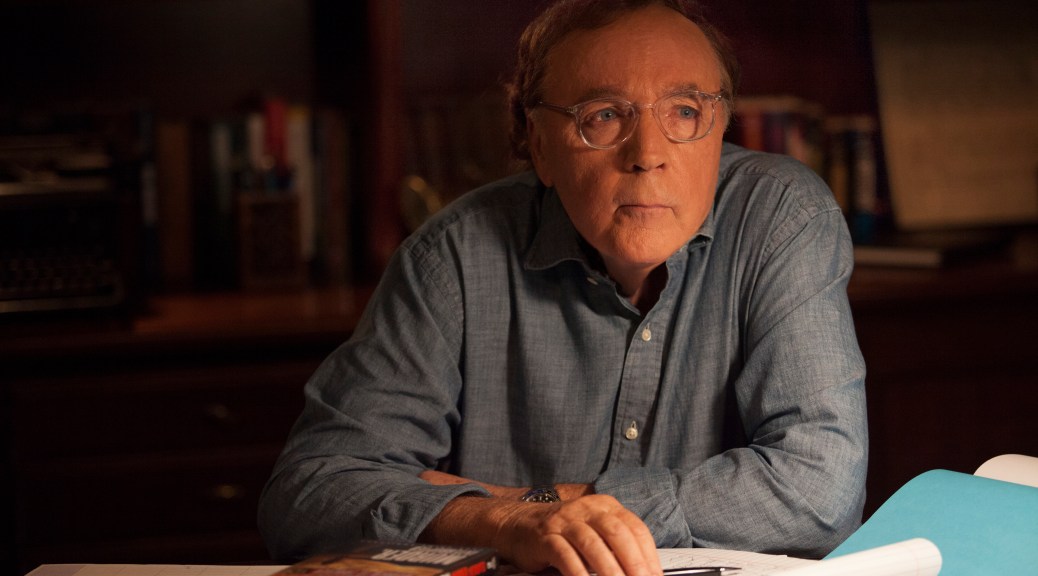


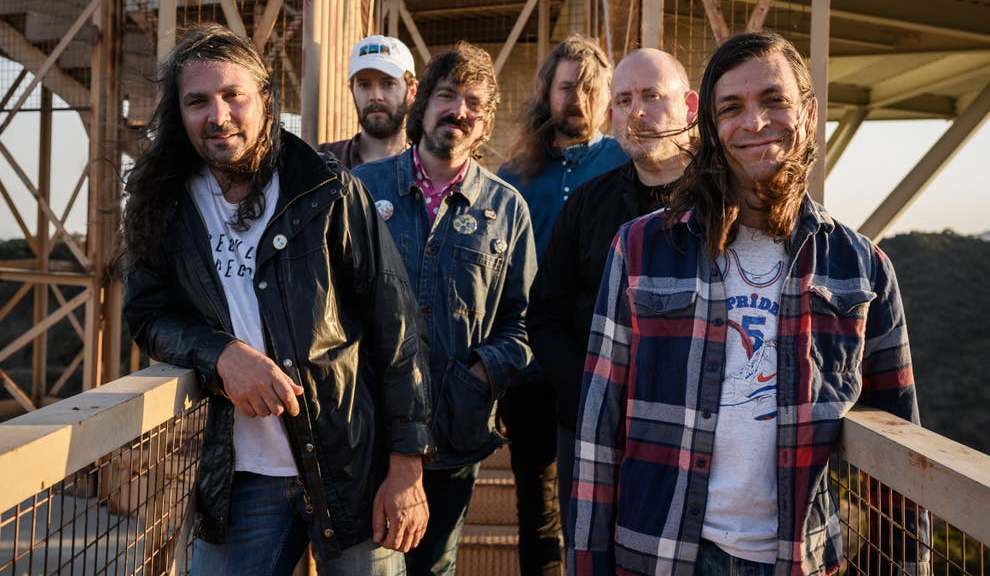
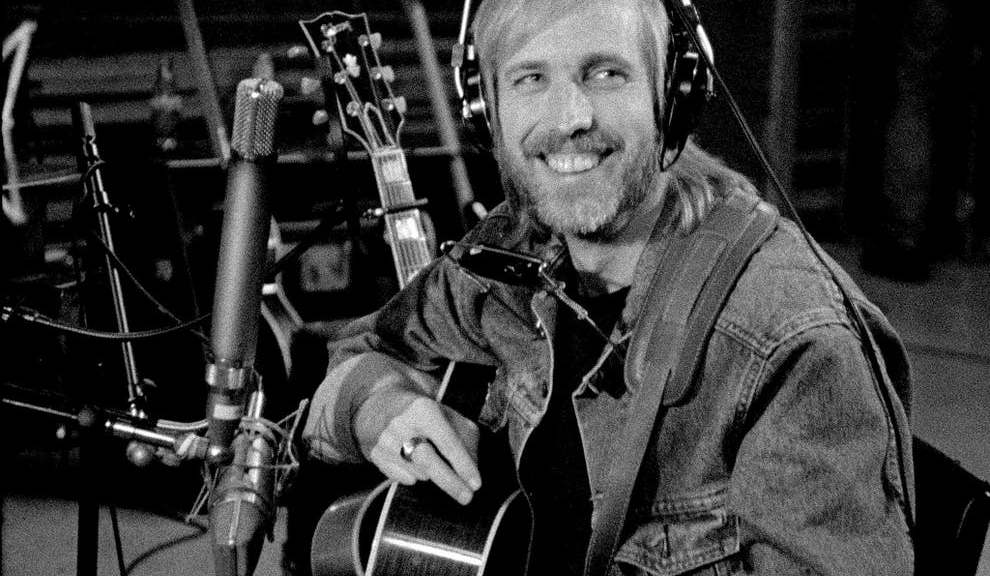


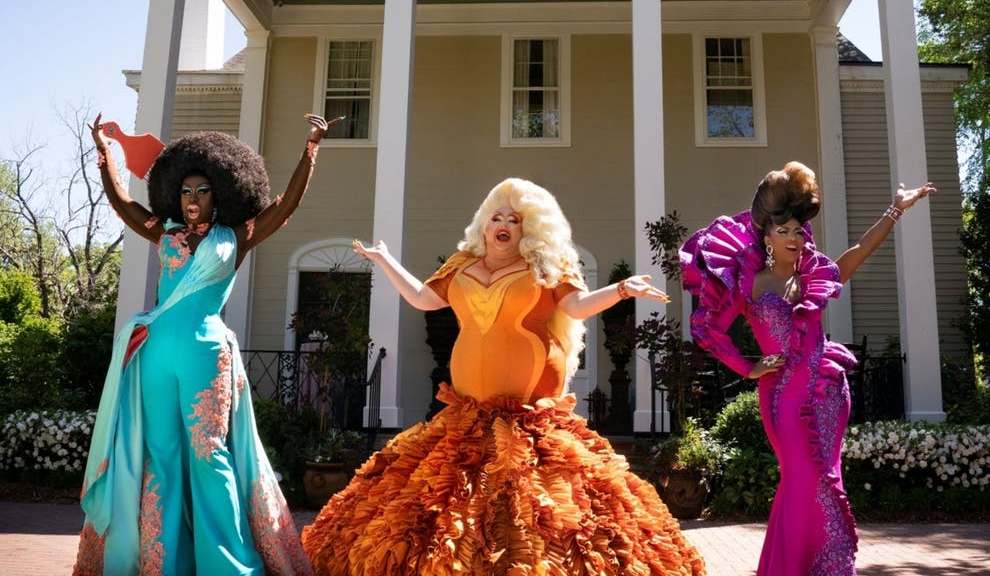

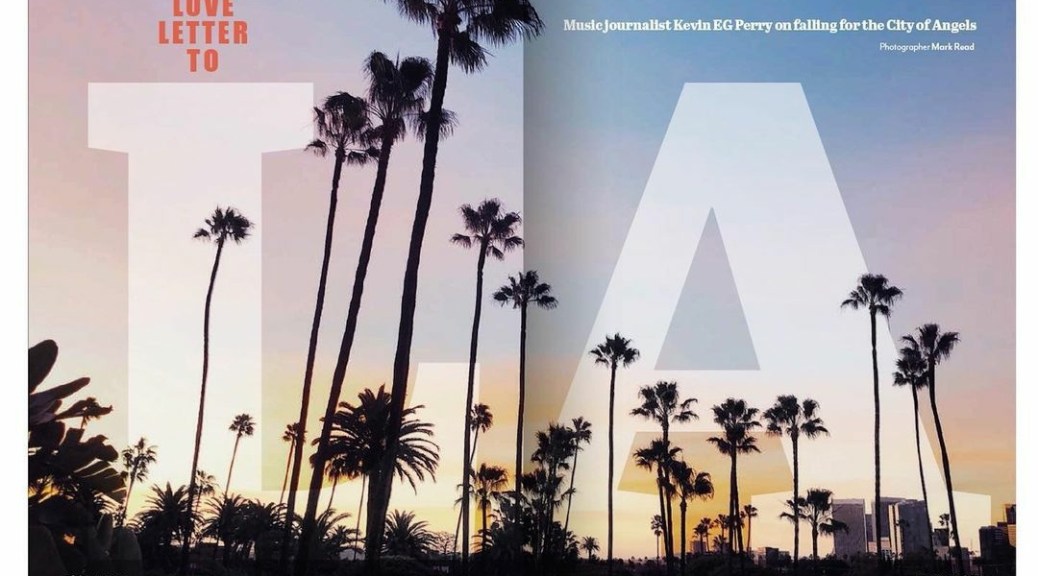
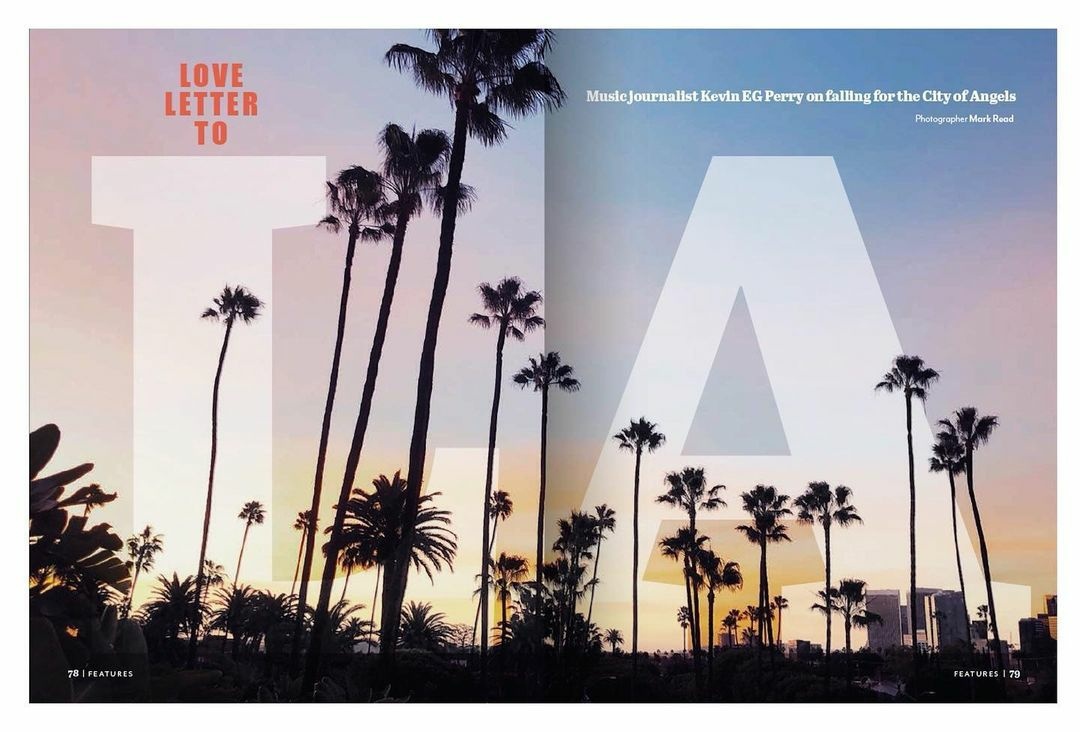
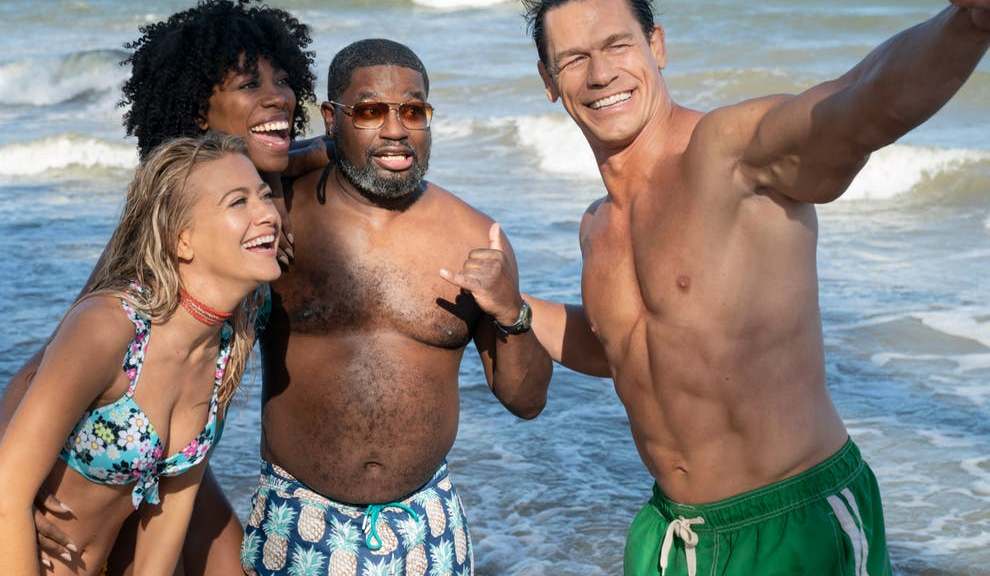
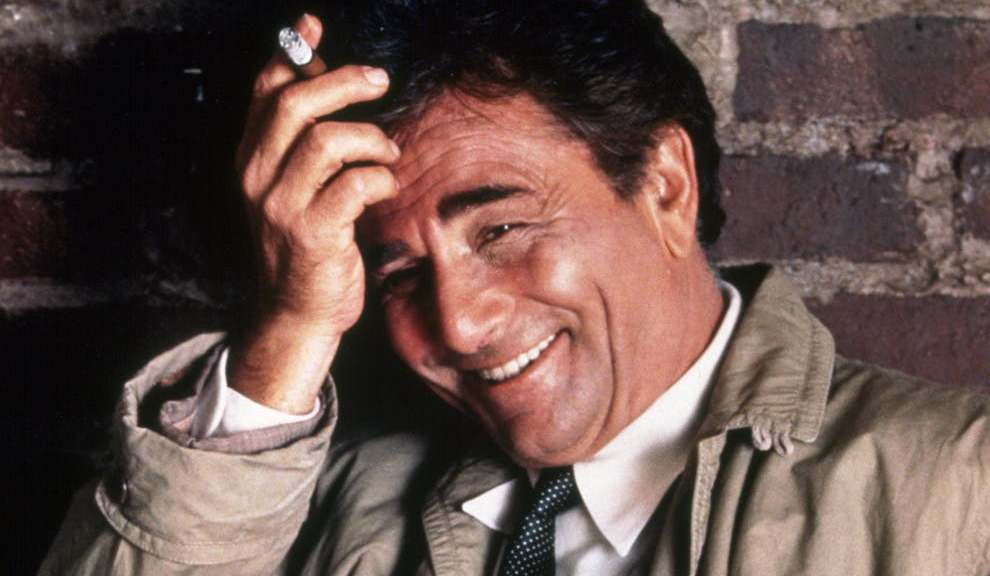


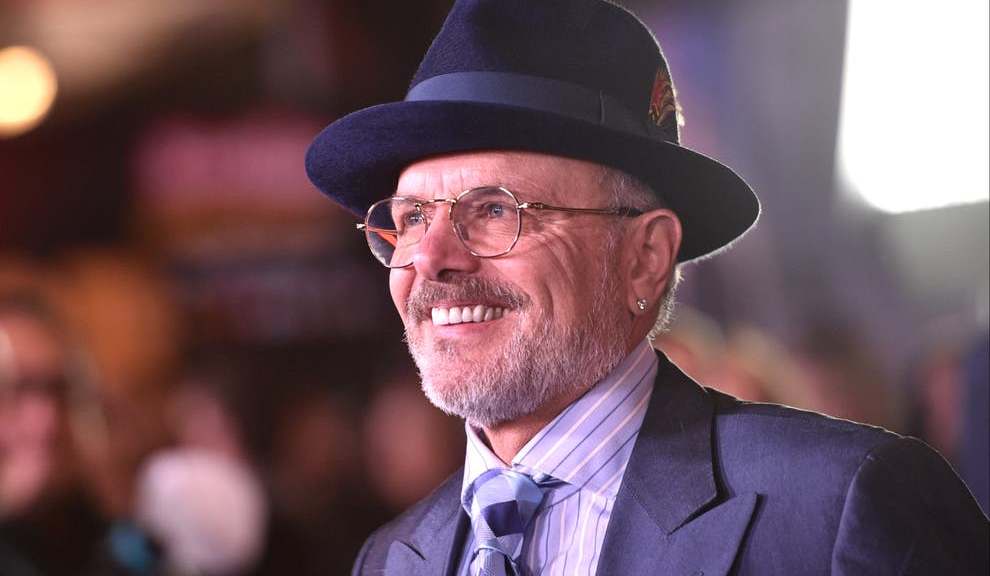
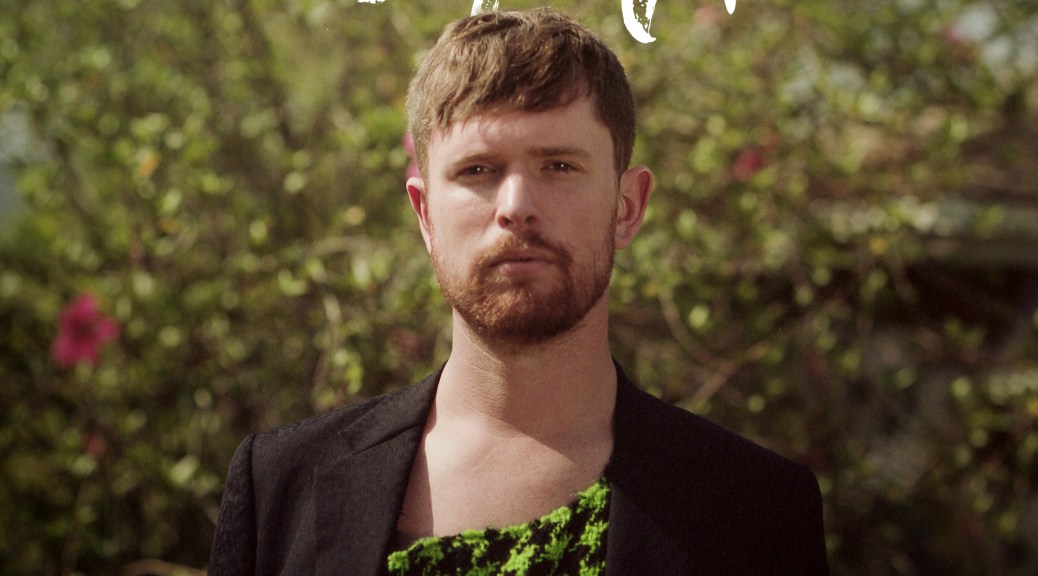




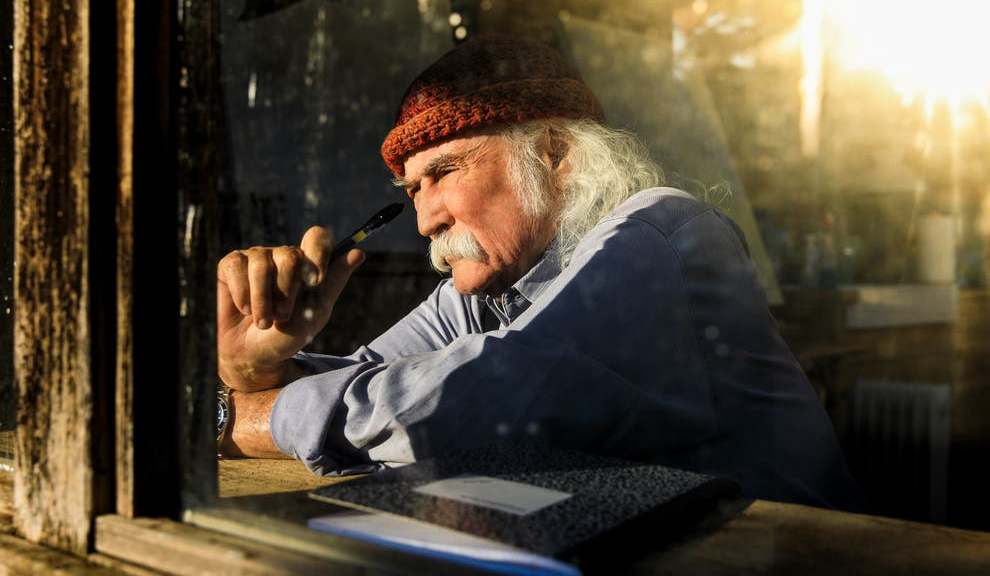
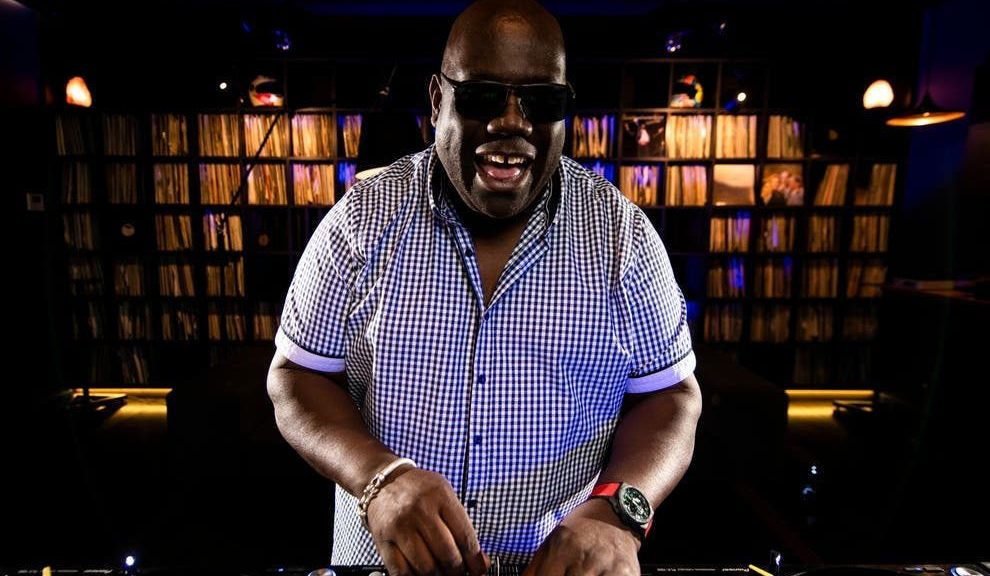


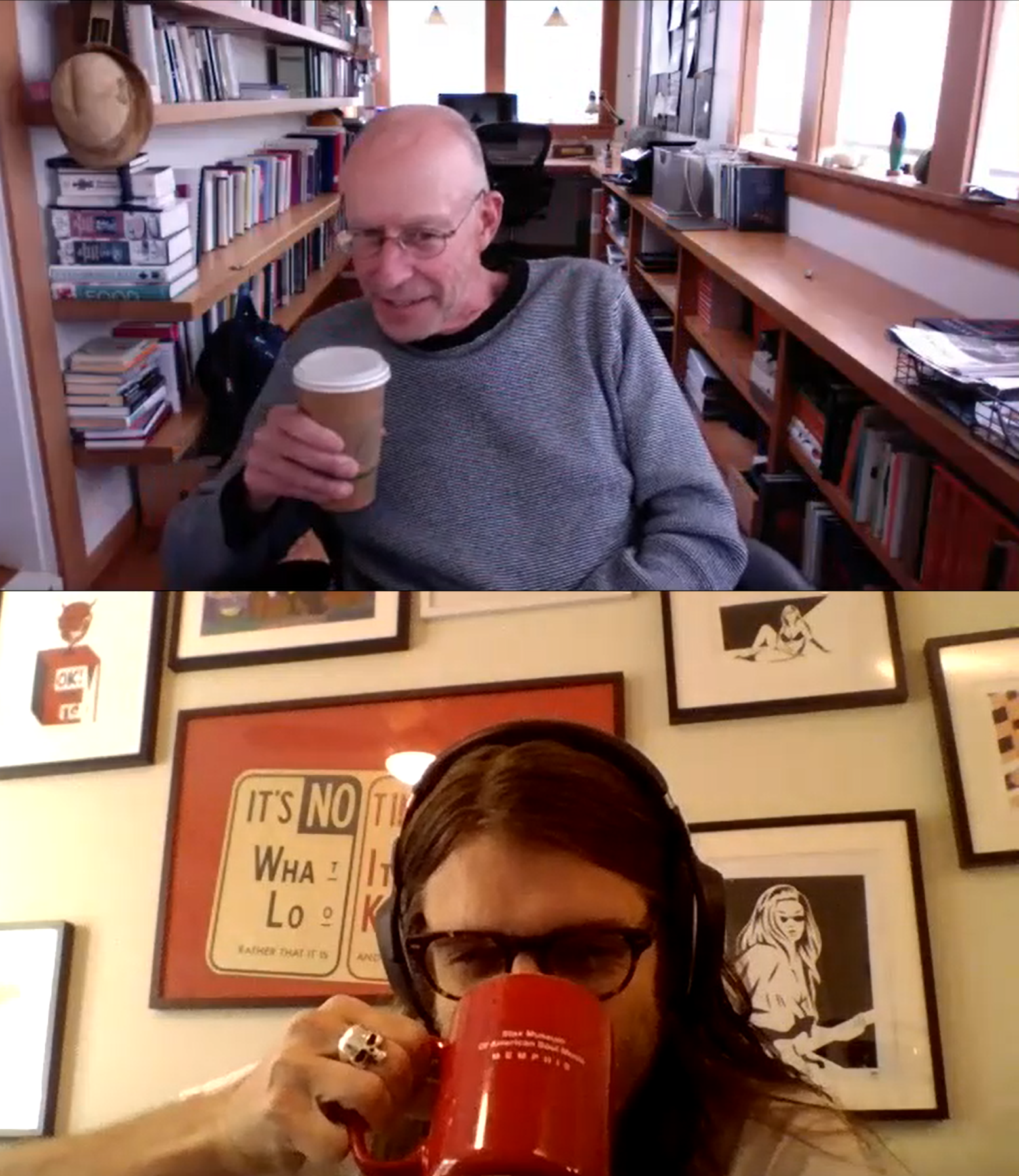


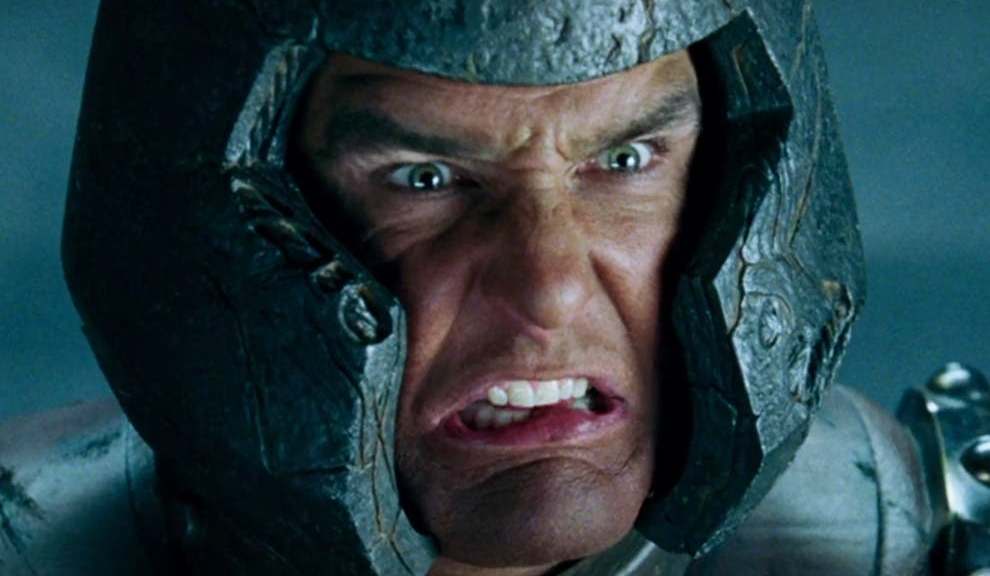
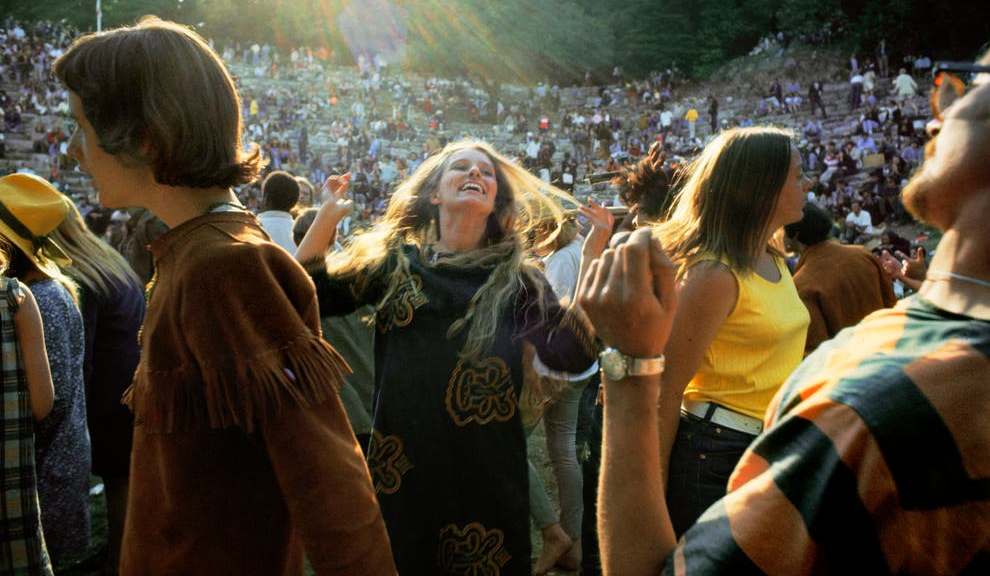





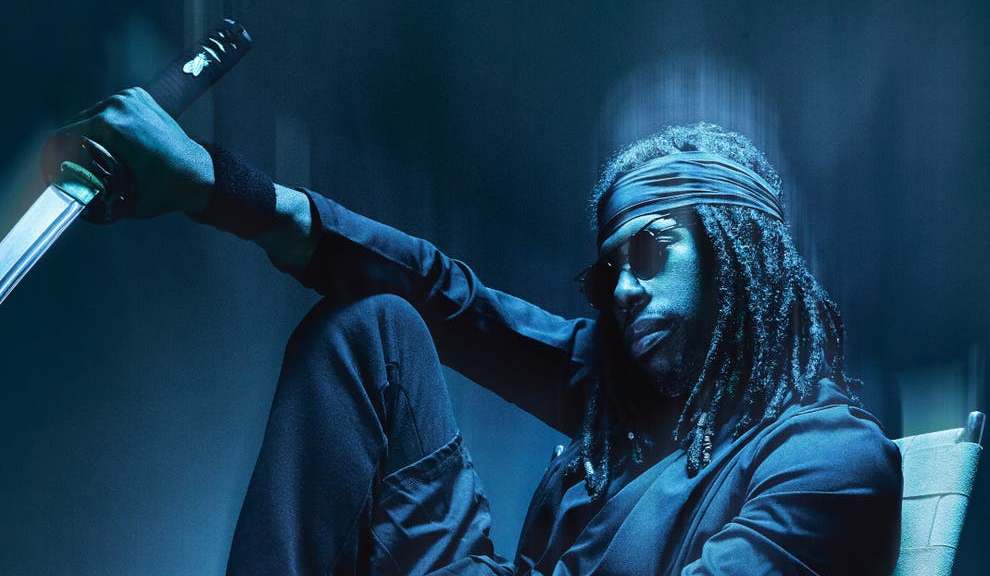
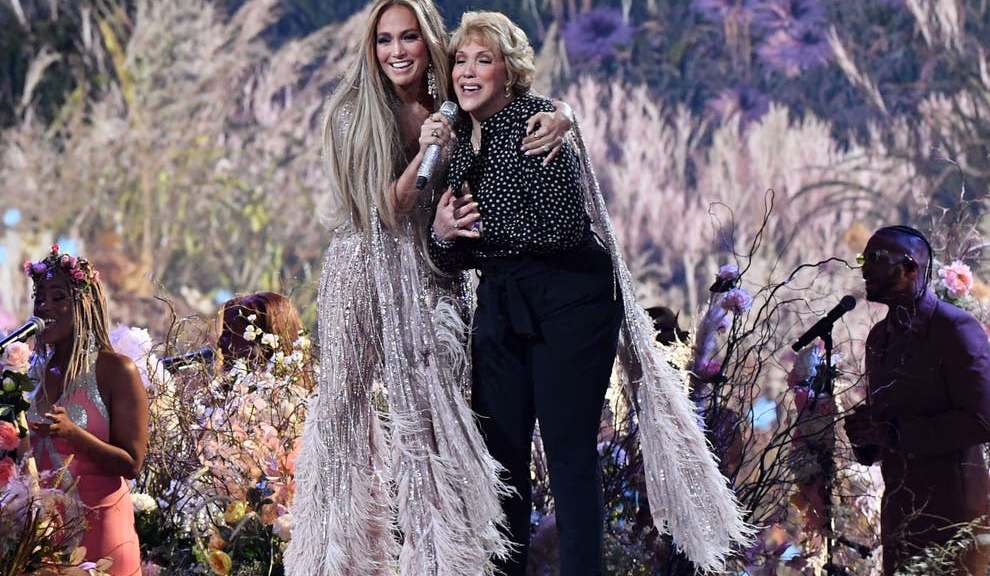
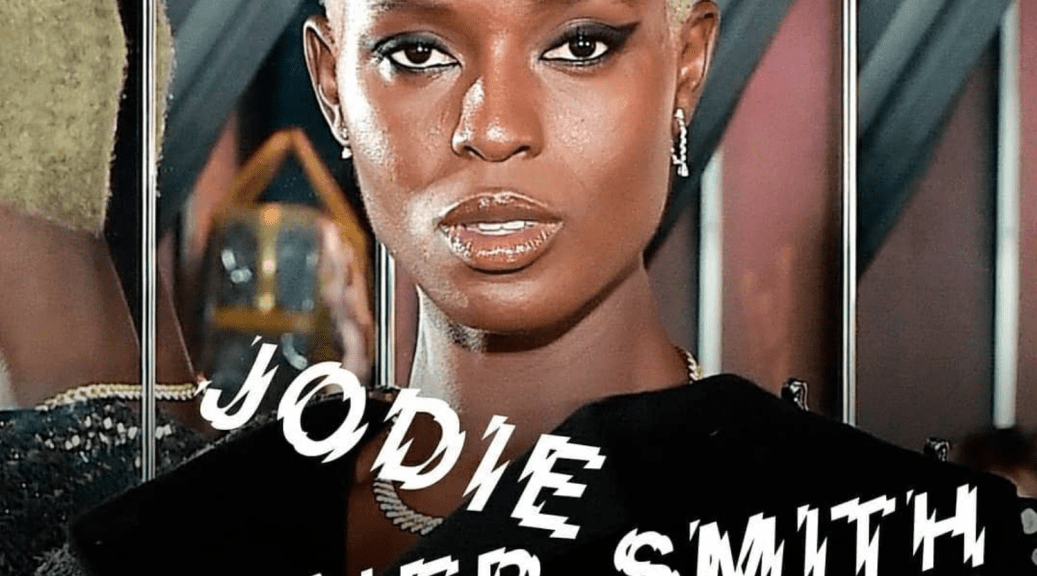

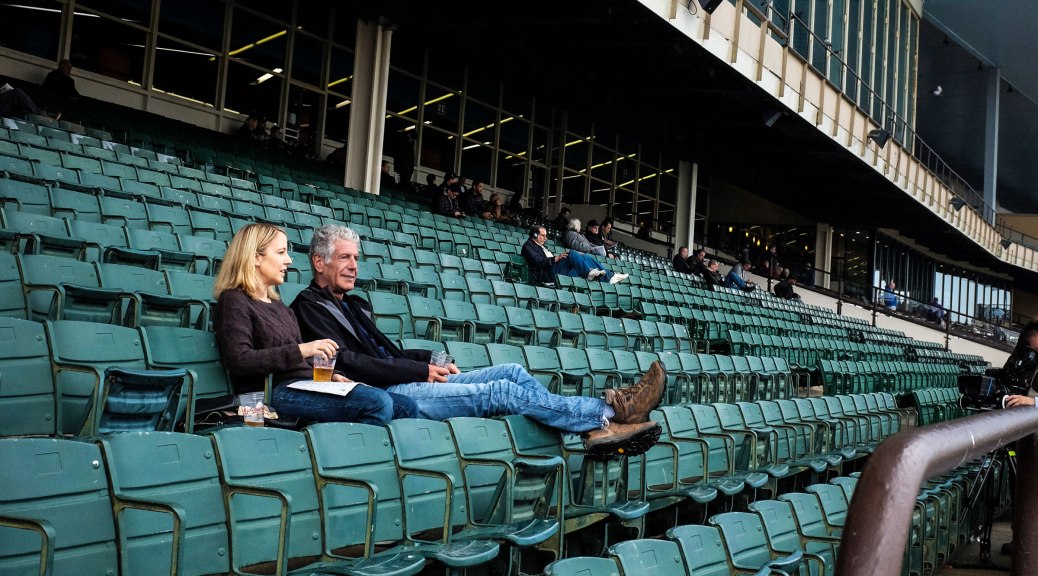


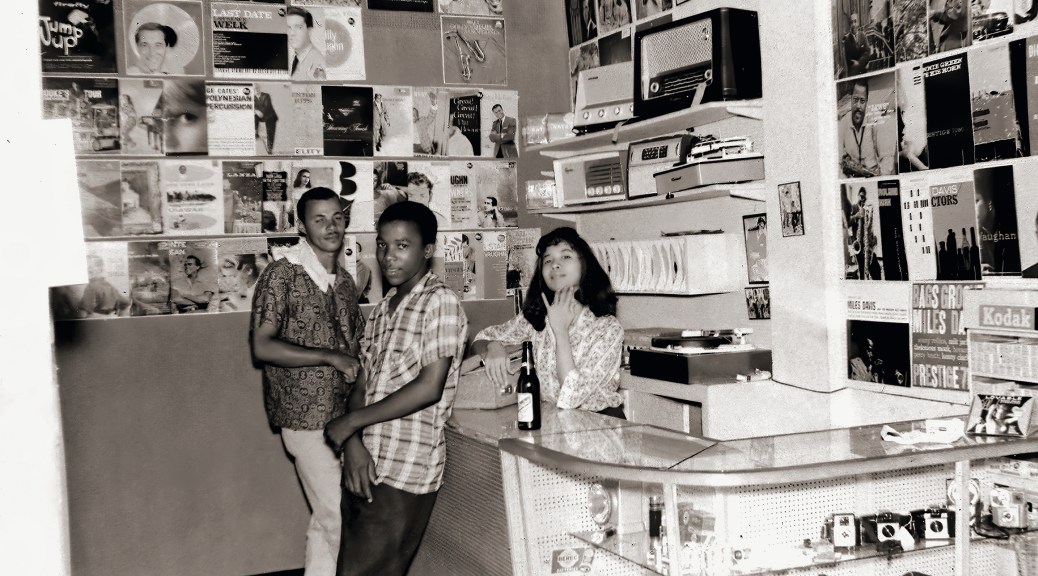
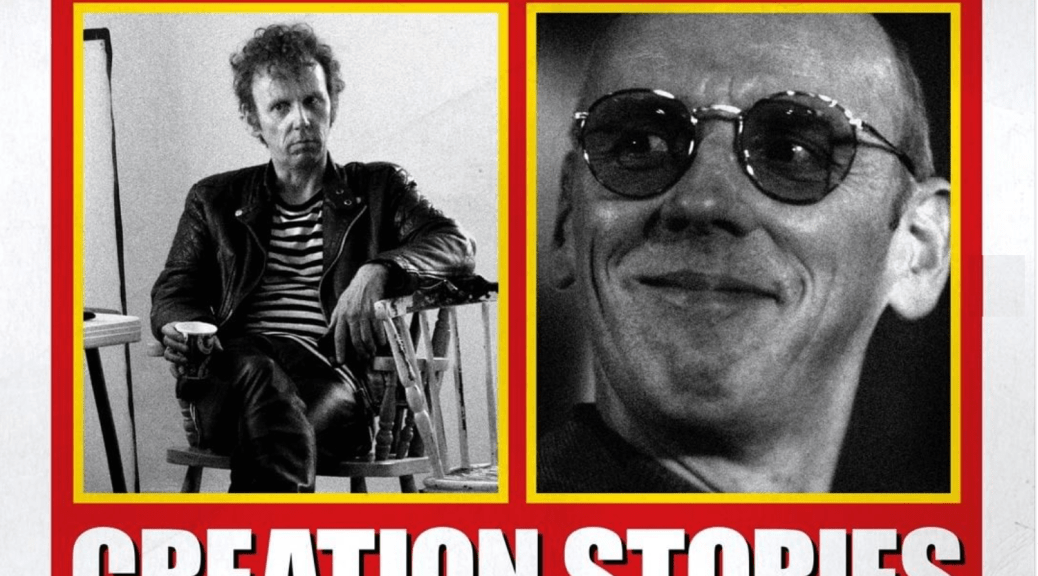

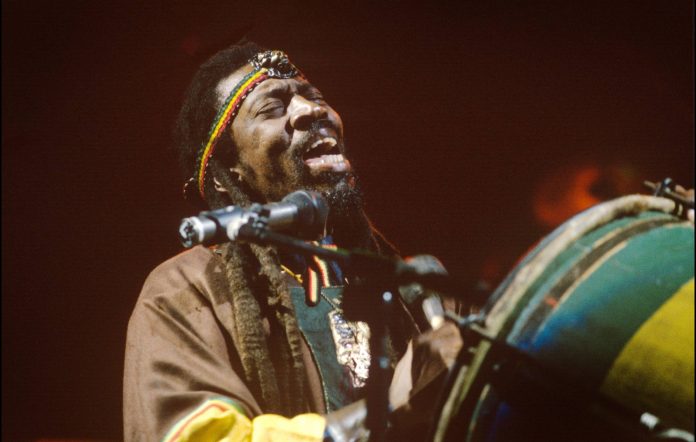



 Kevin EG Perry: Collected Works