Paris Texas are just about ready to get off this planet. On ‘Mid Air’, the LA punk-rap duo’s thrill-packed debut album, they trade bars about escaping this doomed rock by saving up enough cash for a one way ticket to Mars. “The sun is whoopin’ everybody’s ass,” they lament. “Earth finally threw in the towel.”
On a blazingly hot afternoon in downtown Los Angeles, it isn’t hard to see how the pair arrived at that apocalyptic conclusion. The sun is indeed whoopin’ everybody’s ass today. In a warehouse studio booked out for their NME cover shoot, rapper-producer Louie Pastel has his shirt off and a weathered MTV cap pushed back on his head. He’s holding a cigarette in one hand and DJing from his phone with the other.
The sounds filling the room are as eclectic as you’d expect of a group that have drawn comparisons with Odd Future and Death Grips but who defy easy categorisation. We hear Louisiana rapper Autumn!, then Brazilian psychedelic samba from Novos Baianos and Radiohead’s acoustic version of ‘Creep’. Beside him, his comrade Felix is weighing up the pros and cons of filming vs photo shoots. “In videos you’re in constant movement, so you’re not stuck on one dumb face,” he ponders. “Models are crazy! I don’t know how they do it.”
Glancing around at his surroundings, it isn’t hard to see why LaKeith Stanfield might, as he puts it, ‘feel adrift in history’. We’re sitting on wooden chairs in a cottage on the grounds of a Pasadena hotel that dates back to the Gilded Age. Stanfield has been living here for the past few weeks while he remodels his nearby home to mimic its rustic aesthetic: exposed oak beams, heavy velvet curtains, wrought iron pokers beside the fireplace. ‘I like feeling like I’m in a different time,’ he says. ‘That’s how this hotel makes me feel.’ It is, he says, his hideaway from the modern world. ‘I’m trying to find a hole and stay there,’ he smiles. ‘Especially these days, I’m really enjoying the things that matter, like family. Building my family and having those moments of sacredness is really important.’
Let’s bear with him for a moment, shall we? ‘I don’t know if it’s start-middle-end,’ he muses, his voice low and languid. ‘I view it as a revolution in a circle, a neverending loop.’ The 31-year-old (at least by conventional calendars) found himself pondering this concept on the set of his spooky new Disney movie, Haunted Mansion. ‘If you think about it like that, technically we’re ghosts,’ he continues. ‘The question is: do you want to be a good ghost or a bad ghost? You’re in someone’s dream right now, and you’re either haunting it or making it more pleasurable. My thing is: let’s make people’s dreams a little bit more fun and cooler, make them feel good if we can.’
Over the past decade Stanfield has established himself as the most compelling, charismatic and idiosyncratic actor of his generation. His lethargic charisma is endlessly malleable, allowing him to drift through time to play an Old West outlaw in The Harder They Fall or a 1960s FBI informant in Judas and the Black Messiah (earning an Oscar nomination in the process). He is best known, though, as the otherworldly Darius, who spent four seasons of Atlanta as the trippiest, most heartfelt character on television.
This June, Liam Fender and his superstar brother Sam fulfilled a long-standing family ambition in a most unexpected way. “The Fender family is all Newcastle United mad, and all really good footballers: my dad, my uncles, my granddad was semi-professional,” explains Liam, speaking over video call from the spare bedroom at home in North Shields. “I came along and I’m fucking useless. I was that shit at football, I got bullied by a PE teacher! It soured the whole thing for us, and Sam’s by no means a footballer. So there was something quite heartening and amusing about the fact that the two shittest footballers in the family are the ones who can say we’ve played at St James’ Park!”
During those two sold-out nights at Newcastle’s Cathedral on the Hill, Liam joined Sam (who’s 9 years his junior) to duet on Bruce Springsteen’s slow-burning 1984 classic ‘I’m On Fire’. Now, Liam is preparing to release debut EP ‘Love Will…’, a rich collection of ballads and bawlers that showcases his knack for melody and sharp turn of phrase, as if Richard Hawley were from a bit further North.
Here, he tells NME about digging into the songwriting vaults he’s built up after 20 years of gigging, starting work on his first album and lending his support to a campaign to help men’s mental health in the North East during the cost of living crisis.
If you want to know the meaning of life, just ask Steve-O. “People act like it’s some kind of riddle of the Sphinx, when the answer is so goddamn obvious,” says the 49-year-old sage of self-abuse; the guru of gnarly stunts. A lifetime of unwise decisions – swimming with sharks, setting himself on fire, repeatedly stapling his nuts to his leg – has gifted the Jackass star a rare kind of wisdom.
“The meaning of life is: ‘Pick one!’” he tells NME emphatically. “Life has the meaning that you give it: whatever it is you choose to make your life meaningful, fuckin’ go after it with enthusiasm. If you break the word ‘enthusiasm’ down to the root language you have ‘en-theos’, which means ‘with God’. When you’re pursuing something you’re deeply passionate about, you are, by definition, doing God’s work. For me, shoving shit up my ass is God’s work.”
His wheezing laugh is so loud it wakes his dogs Wendy and Lucy, who have been snoozing on the couch beside him. We’re in the living room of Steve-O’s picturesque home in the Hollywood Hills, the house that “shoving shit up my ass” bought. Along with the dogs, he also shares this secluded slice of heaven with his fiancée Lux, three cats and a mean-looking trio of goats named Drake, Sam and Phil. “We wanted to give them all evil names,” Steve-O explains with a mischievous grin. “So those are short for Dracula, Samhain and Mephistopheles. Me-phil-stopheles.”
Downstairs, there’s an edit suite piled high with personalised skateboards, assorted merch and a video archive documenting Steve-O’s long history of on-camera idiocy. It’s there that he and his crew cut together videos for his thriving YouTube channel (6.3 million subscribers) and plot his outrageous live shows, which have become infamous for causing audience members to pass out with shock. Soon he’ll be on his way to Britain to perform and record what might just be his wildest creation yet: The Bucket List Tour.
“It’s like attending a screening of footage that was too extreme for Jackass, which I personally host and walk you through, with all of the behind-the-scenes, juicy, fucked-up shit,” he explains with evident pride. “It’s hilarious.”
Josh Homme puts his leopard-print-clad foot down and accelerates up the Pacific Coast Highway in a cloud of burning rubber. We’re in his 1967 silver Chevrolet Camaro, the only car the Queens of the Stone Age frontman has ever owned. The vehicle has been the 50-year-old’s constant companion since he was 14 and was once, for a brief time in the Nineties, his only home. Barely audible above the roar of the engine, Chet Baker is singing ‘I Fall In Love Too Easily’. The ocean is to our left, so we turn right, up into the Malibu hills, towards a quiet spot looking out over the water that Homme describes, grinning through his shaggy white goatee, as “make-out point”.
It is six years since Queens of the Stone Age last released an album, and they have been six of the hardest years of Homme’s life. In 2019 he separated from his wife, Distillers frontwoman Brody Dalle, after nearly 14 years of marriage. Their divorce, finalised earlier this year, was made all the messier by accusations of violence, restraining orders on both sides and a lengthy tug-of-war over their kids. In March, Homme was awarded sole legal custody of all three children.
Homme’s world has also been upended by the deaths of some of his closest friends. In 2022, in the space of two months, Homme lost former bandmate Mark Lanegan, Foo Fighters drummer Taylor Hawkins and his best friend, the Treme actor Rio Hackford. In total he has grieved eleven deaths in the last seven years, including another well-known drinking buddy in chef and travel journalist Anthony Bourdain.
After a self-imposed period of exile and mourning, Homme returns this week with the eighth Queens of the Stone Age record ‘In Times New Roman’. Leaning against the hood of his car, with nothing but the ocean in front of him, Homme tells NME how learning the art of acceptance shaped the album’s raw and unvarnished sound.
For once, Melissa McCarthy isn’t joking. A moment ago the two-time Oscar nominee was her usual buoyant, effervescent self, but recent attempts by right-wing politicians to ban drag shows across the USA are no laughing matter. “The attack on drag is absolutely insane,” she says. “People have been doing drag forever. It’s what I do for a living. We all do it. Frankly, every time you put on something to make you seem a little better, a little more handsome, a little more beautiful, then you’re doing your own type of drag.” Her playful smile returns as she pitches her alternative political movement. “My campaign would be: ‘More drag! All drag!’” she laughs. “I’m gonna have that T-shirt made. That’s what the world needs.”
As it turns out, if it wasn’t for drag McCarthy would never have got her start in comedy in the first place. Right now the 52-year-old is at CinemaCon in Las Vegas, where she’s just sparked headlines around the world by unveiling the first clip of herself playing scheming sea witch Ursula in Disney’s live-action remake of The Little Mermaid. But long before she was singing in blockbuster musicals, before collaborating with her husband Ben Falcone on a string of hit comedies like Tammy (2014), The Boss (2016)and Thunder Force (2021), even before she earned her first Oscar nomination with her scene-stealingly outrageous performance in Bridesmaids (2011), McCarthy was a 20 year-old farm girl newly arrived in New York from rural Illinois. Just hours after turning up in the city, a friend suggested she try stand-up. “I’d never even been to a comedy club,” she explains over video call from her Vegas hotel room. “The thought of going up there as myself was paralysing, but I could go up in character.”
So that night, McCarthy created Miss Y. “She was my drag,” she says. “I went up in a huge wig, a silver lamé dress and a tonne of make-up and talked about the trials and tribulations of being the most beautiful woman in New York City.” Those first three minutes on stage sparked a life-long love affair with comedy. “The next day I called my parents and said: ‘I’m not going back to school. I’m gonna do stand-up,’” she remembers. “For some unknown reason, my mom said: ‘Okay, that sounds like a good idea.’ What terrible advice! Thank goodness it worked out.”
D4vd is sitting in a booth at Alicia Keys’ famed Jungle City studio in New York. Surrounded by some of the most advanced recording equipment in the world, the rising star is supposed to be singing into a Neumann microphone worth $4,000. Somehow, though, it just isn’t quite giving him the sound he wants. “I was like: ‘Bro, I don’t know how to use this,’” he tells NME a few weeks later, back at his parents’ house in Houston, Texas. “I pulled out my phone and I was in the booth, in front of the mic, using BandLab!” He laughs disbelievingly, before adding that over time he did start to feel more at home in the expensively-outfitted studio. “I kind of overcame that and figured out how to work with producers and engineers,” he says. “I was trying to figure out how it is for the quote-unquote ‘normal’ artist.”
Suffice to say, d4vd is not a normal artist. The 18-year-old, born David Burke, is far from the first person to write a hit song in their bedroom, but he might just be the first to create a worldwide Top 40 hit while curled up in his sister’s closet using nothing more than a pair of EarPods and a free iPhone app. In July 2022, his heartbroken indie-rock earworm ‘Romantic Homicide’ went massively viral on TikTok on its way to racking up millions of streams around the globe.
Its success earned him a deal with Darkroom Records, home to the likes of Billie Eilish and Holly Humberstone, and paved the way for his recently released debut EP ‘Petals to Thorns’, which was also created entirely on his phone. Now, he lands on The Cover, NME’s commitment to exclusively spotlight emerging and rising artists across the globe on a weekly basis.
To begin with, all d4vd wanted was to make a couple of songs so that YouTube would stop taking down his Fortnite videos. That was November 2021. Back then, d4vd was a home-schooled video games obsessive dreaming of getting so good at online third-person shooter he could turn pro. When he uploaded his highlight videos, however, they would frequently get removed because they featured other people’s music.
Beauty? For Lisa Rinna, the secret to beauty is simple. ‘Find out what makes you happy, and do that,’ she says sagely. We’re sitting by the pool at the Beverly Hills Hotel, beneath towering palm trees and clear blue LA skies. She sips her iced tea and looks at me through the yellowy tint of her oversized Tom Ford shades. ‘Listen,’ she drawls, ‘I don’t care how much work you have done, if you’re a fucking miserable cunt… nothing’s gonna help you, honey!’
Rinna’s laugh is loud, uproarious and dirty. As fans of her brash, outspoken tenure on The Real Housewives of Beverly Hills might expect, she is outrageously good company. Today she’s casually chic in a figure-hugging black Éterne dress, Givenchy slides, black-and-white Valentino bucket hat and the aforementioned Tom Fords, and has never been happier. At 59, she is suddenly the talk of the fashion world. In January, not long after announcing her departure from Housewives after eight years, luxury brand Kenzo got in touch to ask whether she’d like to sit front row at its Paris Fashion Week show. ‘I guess because it was covered so tremendously, people saw I was there and started asking me to come to different things,’ says Rinna, who ended up popping up everywhere from Michael Kors at New York Fashion Week to Richard Quinn’s ‘mind-blowing’ show in London.
In Copenhagen, she walked the catwalk for Rotate Birger Christensen in a black bodysuit and cheetah-print fur coat. While leaving Housewives may have cleared her schedule, after so many years on the show it’s clearly still never too far from her mind. When I ask about the secret to her longevity in showbusiness — three-plus decades, booked and busy — she replies in a voice dripping with sarcasm: ‘I guess being the biggest bully in Hollywood has helped a great deal.’ She’s referring, of course, to Kathy Hilton’s infamous hot-tempered accusation during a Housewives reunion last year. Did that line bug her? ‘No, I wouldn’t say it bugs me,’ she replies with a smirk. ‘I just think that it’s really ironic coming out of her mouth!’ She cackles. ‘Projection is a real interesting thing on that show. We all do it. Actually, I thought it was pretty funny, to be honest with you.’
Troye Sivan may be about to star in the most debauched new show on television, but in real life he likes to keep his nose clean. ‘I don’t do drugs, and I’m not a huge drinker either,’ the singer-turned-actor-turned-singer-again tells me over coffee and banana bread on an overcast morning in West Hollywood. The silver platters of cocaine racked up on-screen in HBO’s hotly anticipated The Idol just aren’t his style. In fact, until fairly recently Sivan thought he was too strait-laced even to go raving. ‘I realised kind of late at 25 — I’m 27 now — that I love going out,’ he says. ‘I assumed I wasn’t much of a partier because I don’t do drugs, but I am! I love partying. The right groove will make me go feral. I lose my mind.’
We’re sitting on the terrace at Great White, an Australian café where Sivan, who grew up in Perth and has a house in Melbourne, comes for a taste of home. He’s dressed down in a faded black Acne hoodie and beige cargo pants, but something about his tousled blonde hair and electric blue eyes can’t help but mark him out as an off-duty pop star. Right now he’s in the midst of a whirlwind schedule: after his ES Magazine photo shoot, he’s off to New York to shoot the cover for his as-yet-untitled third album, then he’s straight on to Berlin to make a music video and then to Cannes for the premiere of The Idol. ‘I have a very fun life,’ he says, idly using his fork to smear whipped butter over his banana bread. ‘It’s everything I could ever want.’
In August 1971, Stephen Stills arrived in Berkeley for the final dates of his first ever solo tour to be greeted by a surprise visitor: David Crosby. Just a year earlier their pioneering folk rock supergroup Crosby, Stills, Nash & Young had imploded in a blizzard of booze, cocaine, rampant egos and lopsided love triangles. That night, however, there were no hard feelings. “He came to see me in the dressing room before the show,” remembers Stills, who promptly invited his old friend to join him on stage. “I said: ‘Let’s do “The Lee Shore”’ and he said: ‘Alright!’ We didn’t run through it that many times – and it shows! But that’s the way we rolled back then. It was marvellous.”
Their heartfelt duet appears early on Stills’s new album Live at Berkeley 1971, which is drawn from recordings the former Buffalo Springfield guitarist recently unearthed during a deep dive into his archival vault. Now 78, Stills is speaking to me over a video call from his airy home in the hills above Los Angeles. The snowy white beard sprouting in a tuft from his chin may give him the appearance of a medieval friar but in conversation he’s mischievous and puckish, with an irreverent attitude towards his own music.
“There are some rather strange vocals,” he says of the live album, which features a solo-acoustic set followed by a full-throated electric performance backed by legendary Stax musicians the Memphis Horns. “I remind myself of… well, the term ‘barking mad’ comes to mind. We were very enthusiastic, and by the end of the shows I was literally barking because I couldn’t make the notes and everything was too fast!”
Even after four decades of blistering rock, Metallica show no sign of taking their fists off the throttle. On ‘72 Seasons’, their forthcoming eleventh studio album (April 14) and first since 2016, the heavy metal icons deliver the sort of driving riffs, machine-gun drums and angst-ridden lyricism that prove age has not wearied them. The title, as gravel-voiced frontman James Hetfield has explained, is a reference to the formative first 18 years of life. That doesn’t mean the veteran band spent too much time worrying about recapturing their adolescent energy.
“I don’t know if there was a purposeful chasing of the fountain of youth,” drummer Lars Ulrich tells NME with an impish laugh, speaking down the line from his home in San Francisco. “I can tell you I’m pretty comfortable with being 59 years old, and I don’t particularly feel a need to try to pretend either to myself, or to the Metallica fans out there, that I’m any different.”
So while there are nods on ‘72 Seasons’ to the band’s storied past – lead single ‘Lux Æterna’ includes the lyric “full speed or nothin’,” a line which also appeared on their 1983 debut ‘Kill ’Em All’ – in general Metallica seem intent to use the wisdom of age to find fresh perspective on the trials of youth. “I think certainly in James’s lyrics, and overall in this band right now, we’re quite comfortable with who we are, warts and all,” says Ulrich. “We’re putting things out there about our vulnerabilities and where we’re at because we’re still trying to figure all this shit out. If you think when you’re young that at some point later you’ll crack the code then I can say that, in my case, that’s definitely not what happens. You may end up with more questions as you get older!”
In Jury Duty, an inspired new docu-style comedy series that blurs fact and fiction, James Marsden plays an obnoxiously awful caricature of himself who boasts about auditioning for a soon-to-be-disgraced director, throws a hilarious tantrum at a birthday party and gets involved in a bizarre sex act known as “soaking”. Marsden stars alongside Ronald Gladden, very much the Truman in this blend of The Truman Show and The Office, and the two first encounter each other as they’re about to enter a jury room, with Gladden eventually twigging that he recognises Marsden from his X-Men role as Cyclops. Marsden then mentions his recent part in Sonic the Hedgehog. “Oh, I didn’t see that,” says Gladden. “I heard it’s a really bad movie.”
Marsden, the real Marsden, gives a hoot as he finishes telling me this story. “That’s comedy gold,” says the actor, who also played android gun-slinger Teddy in Westworld, and the poor guy Rachel McAdams dumps at the end of The Notebook. Marsden, it soon transpires, likes nothing better than getting a laugh at his own expense. We’re meeting at a fashionable hotel on the Sunset Strip, the actor’s LA base since moving to Austin, Texas, during the pandemic. He is still boyishly handsome at 49, all piercing blue eyes and cheekbones that could cut glass, but he insists that beneath the leading man looks, he’s a clown at heart. “I love playing the buffoon and the ass,” he says. “Someone who thinks they’re great at something but are clearly not. I’d much rather do that than play James Bond.”
In August 1969, Miles Davis and his band spent three days holed up in a studio in Manhattan before emerging with a sprawling, improvised album that sounded like nothing else that had come before. It was the soundtrack to a society in flux, arriving in the wake of the assassination of Martin Luther King Jr, widespread anti-Vietnam war protests and the hippie optimism of Woodstock, which ended the day before they started recording. Influenced by the psychedelic rock of Jimi Hendrix and the funk and soul of Sly and the Family Stone, Davis was taking jazz somewhere new. He wanted to call his spooky, wildly experimental record ‘Witches Brew’. His then-wife (and future-funk diva) Betty Davis had a better idea. “I suggested ‘Bitches Brew’,” she recalled later. “He said: ‘I like that.’”
When it was released in March 1970, ‘Bitches Brew’ divided critics. While many praised the album’s rich, expressive musicality, some purists reacted in much the way folk fans had to Bob Dylan ‘going electric’ in 1965: by accusing Davis of betraying the genre he’d done so much to shape. Half a century on ‘Bitches Brew’ now stands as a landmark of avant garde jazz. It continues to have a mind-altering effect on new generations of musicians, with an influence felt across hip-hop, house, electronica and drum and bass. Martin Terefe, a producer whose 29-year career has seen him work with everyone from Yusuf Islam to KT Tunstall and Yungblud, first heard the record when he was 16. “Three decades later, I still want to put it on,” he says. “Every time you listen to it your brain takes another journey through the music. That makes you feel really free, as a musician. It’s liberating.”
Ahead of the album’s 50th anniversary, Terefe was part of a team planning a tribute concert in London. “It started as an idea to celebrate ‘Bitches Brew’ at the Barbican,” he explains. Of course, the 2020 pandemic soon put paid to those best laid plans. “I was a bit bummed out,” he adds.
Lately, Ian McEwan has found himself reading a lot of Ian McEwan. It’s not that the 74-year-old author has been struck by a sudden attack of solipsism; rather, he’s deep in preparation for a one-off performance with the BBC Symphony Orchestra at the Barbican. Backed by 80 musicians, the Booker Prize winner will deliver extracts from a career that stretches over 16 novels, from the psychological horror of 1978 debut The Cement Garden to bestselling tragic romances such as Atonement and On Chesil Beach. Most recently, he published Lessons, a sprawling, semi-autobiographical look back at the sweep of history in his lifetime. Selecting which passages to perform from that rich material has been a revealing process. “It was like a review of a big chunk of my adult life,” says McEwan. “There were moments when my fingers twitched around an imaginary blue pencil and I thought: ‘I wouldn’t punctuate that like that now.’ Other times I was thinking: ‘Wow, that was good. Have I declined?’ It was a fascinating thing to do.”
Silver Lake has something of a reputation. Dubbed the “Williamsburg of the West”, this hilly Eastside neighbourhood is known as LA’s foremost hipster hangout. Don’t let that put you off, however; the area’s plethora of bustling bars, inventive restaurants and boutique shops make it the perfect place to while away a sunny afternoon and, unlike many parts of Los Angeles, it really lends itself to being explored on foot. Seemingly a world away from the intensity of Downtown or the boisterous energy of Hollywood, Silver Lake encourages you to slow down, take it easy and drink the city in.
The area is centred around the reservoir from which it takes its name, built in 1907. The historic Vista Theater, which sits on the border of Silver Lake and Los Feliz, opened in 1923 before sadly becoming an early victim of the pandemic nearly a century later. Thankfully, the cinema has since been bought by Quentin Tarantino, who is reportedly adding a bar before it reopens. Among Silver Lake’s other cinematic claims to fame is that it was home to Walt Disney’s first LA studio in 1926 (the site is now the location of a slightly less glamorous Gelson’s supermarket).
To get your bearings, head to Sunset Junction. This busy hub is the meeting point of two of Los Angeles’ major arteries: Sunset and Santa Monica Boulevards. It’s also the perfect place to start your Silver Lake adventure.
When it comes to food, the United States are a land of plenty. Great meal options abound, from lobster-filled sea to shining sea, with portion sizes tending towards the gluttonous. Those hoping to eat their way across America would be wise to travel with their most loose-fitting trousers – and a taste for adventurous new cuisines.
From farm-to-table fine dining and innovative vegetarian dishes to comforting fast food staples like cheeseburgers and hot dogs, you never have to travel far in the States to find temptation. There are certain places, however, that have developed a culinary world all their own; here are the US cities no true foodie should miss:
The National Park System is one of the crowning glories of the United States. Signed into creation by President Woodrow Wilson in 1916, there are now a total of 63 national parks spread across the country. From sprawling landscapes straight out of classic Westerns to towering mountain ranges and lush wetlands, they offer a diverse range of opportunities to explore the country’s unspoilt wilderness.
Last year America’s National Parks welcomed a grand total of 312 million visitors, up 5 per cent from 2021, although still some way short of the record 331 million visitors who flocked to the parks pre-pandemic in 2017. If you’re planning a visit this year, here are some of the best places to enjoy America’s Great Outdoors:
It’s the turn of the century. New York’s music scene is flatlining. Enter The Strokes, all surly insouciance, torn denim and tattered Converse. Theirs is an electrifying din; mixing distorted vocals with spindly guitars, it’s the defibrillator that the rock ’n’ roll scene so badly needs. From grimy graffiti-covered toilet stalls in dingy dive bars, these five New Yorkers stumble bleary-eyed out onto the biggest stages on the planet.
In Meet Me in the Bathroom, a new documentary based on journalist Lizzy Goodman’s 2017 book of the same name, directors Dylan Southern and Will Lovelace journey back to this strange and distant land. They return with a treasure trove of grainy archive footage capturing the creative upheaval that produced era-defining bands, including Yeah Yeah Yeahs, LCD Soundsystem, Interpol, TV on the Radio, and The Moldy Peaches. “Those bands built a scene in a really DIY way, without the access to millions of people that the internet gives you, and without this notion of self-promotion that happens on social media,” explains Southern, speaking over video call from London. “We wanted to put it on the screen for people who were there, and also for a new generation of aspiring musicians.”
The film picks up the story in 1999, at a time when the idea that New York could return to its place at the centre of the musical universe seemed far-fetched. Much of the Lower East Side was boarded up, and almost three decades had passed since legendary Manhattan punk club CBGBs had fostered the likes of Television, Patti Smith, Blondie, Talking Heads and the Ramones. “I remember thinking, maybe New York wasn’t the kind of city anymore that produces iconic bands,” Adam Green of The Moldy Peaches says in the film’s archive footage.
Steve Albini wants to make sure that everyone knows just how punk he is. How punk is that, you ask? The Shellac frontman and storied producer, probably best known for his work on Nirvana’s 1993 classic ‘In Utero’, took to Twitter this week to announce that he “will always be the kind of punk that shits on Steely Dan”. How much more punk could Albini be? None. None more punk.
After all, shitting on Steely Dan is much more than just a long-standing punk tradition: it’s baked into the very origins of the genre. When punk rock first emerged in the mid-70s, its DIY ethos and unvarnished sound was a deliberate rejection of the perceived excesses of the cocaine-fuelled, middle-of-the-road soft rock personified by Steely Dan’s Walter Becker and Donald Fagen. Half a century on Albini is still fighting that same war against jazz licks and smug musical competence, like the Japanese soldier who spent three decades in a jungle in the Philippines refusing to believe that World War II was really over. Albini isn’t out of ammo yet. “Christ,” he added disparagingly. “The amount of human effort wasted to sound like an SNL band warm up.”
Albini’s one-man offensive soon exploded into a full-on social media skirmish, with a swathe of musicians taking up arms on one side or the other. Those agreeing with Albini’s dismissive view of “the Dan” included Laura Jane Grace (who bemoaned Steely Dan’s “terrible fucking music”) and Jason Isbell, who joked that his wife Amanda Shires hates the band so much that she’s starting a fan group called the “Albini Babies”. On the other side of the great divide, both St. Vincent and Jenny Lewis shared that they “fucking love Steely Dan” – a sentiment that spurred Ben Stiller to add: “Me too.” Elsewhere, Semisonic frontman Dan Wilson called Steely Dan “one of my favourite bands” before adding that he “can’t quite understand why people would hate such beautifully and lovingly made music. Is it a ‘try hard’ thing?”
Snoop Dogg is in full Mandalorian armour, helmet in one hand and a blunt in the other. Ice Cube is propping up a bar that looks uncannily like the Mos Eisley cantina (did Cube shoot first?). E-40 is dancing with an alien with three breasts straight out of Total Recall, while Too $hort is spitting bars as a couple of blue-skinned Na’vi drop it low. Welcome to Planet Snoopiter, the setting for this mash-up of sci-fi classics from Star Wars to Avatar that is Mount Westmore’s gloriously entertaining video for their bass-rumbling single ‘Big Subwoofer’.
Now that these four icons of West Coast hip-hop have teamed up, the clip makes one thing clear: even the sky is no longer the limit. “We feel like this group is out of this world,” chuckles Ice Cube to NME, safely back at home in Los Angeles. “We wanted to do something that was gonna be eye-catching to all ages, that everybody across the world could relate to.”
When Facetiming with Finn Wolfhard, don’t expect to make much eye contact. It’s not that the 19 year-old is the sort of diva who can’t stand to be looked at directly, just that he’s developed the traditional teenage habit of watching his shoes while he talks. His long black fringe dangles over his brow. As he fidgets with his phone in the gentle heat of a Los Angeles afternoon he could almost be your awkwardly hormonal nephew — that is if your nephew also happened to be one of the most recognisable stars on the planet, a bona fide Gen Z heartthrob with the 26 million Instagram followers to prove it.
Wolfhard earned this teen idol status — and the rabid following that comes with it — playing gawky, lovable leader-of-the-pack Mike Wheeler in Netflix’s monster hit Stranger Things. He was just 12, a child actor from Vancouver with a couple of credits to his name, when he auditioned for a mysterious project described as: “an ‘80s love letter tribute to John Carpenter and Steven Spielberg films.” Seven years later, the show’s fourth seasonbecame Netflix’s biggest ever English-language series, racking up over 7 billion minutes streamed in its first week alone. If Wolfhard thought too long about how many eyeballs that represents, he might never act again. “I’m a pretty anxious person,” he says, without looking up, “I think I have to compartmentalise or I would actually have a nervous breakdown.”
Soon, though, he’ll be saying farewell for good to Eleven, Will, Dustin and the trouble-ridden town of Hawkins, Indiana. Stranger Things’ fifth and final season begins filming next year, and will likely air in 2024. “It’s kind of been my college, or my university,” says Wolfhard. “The question is what do you do after that? It’s like Daniel Radcliffe after Harry Potter. You do Swiss Army Man.”
Ah yes, the 2016 absurdist adventure from Everything Everywhere All At Once directors the Daniels that saw the former boy wizard cast as a flatulent corpse. That’s the sort of role Wolfhard sees in his future: the stranger, the better. “I’m interested to see what kind of performances I’ll end up doing,” he says with a knowing grin, pushing that drooping fringe away from his eyes. For all his endearing awkwardness, Wolfhard has an unbridled enthusiasm about making movies that’s defies cynicism. He knows how lucky he is to be in his position. He’s not going to waste it making boring films.
Thus far, Wolfhard’s choice of roles have made him the reigning boy prince of horror at a time when the genre is in rude health. For his generation, coming of age in an anxiety-ridden era, shocks and jump-scares can represent a rare form of catharsis. “I’m a giant fan of horror movies,” says Wolfhard, who went from Stranger Things to playing the bespectacled, foul-mouthed Richie Tozier in the 2017 Stephen King adaptation ITand its 2019 sequel. He was then offered a part in Gothic horror The Turning in 2020, a thrilling career moment as it marked the first time he hadn’t had to audition. “I think horror is so vital,” he says. “It’s a genre I can never really get tired of. You can do so much with it, and it’s an incredibly creative way to make a film.”
His love of all things spine-chilling dates back to when he was “seven or eight” and saw a documentary about Hollywood special effects legend Greg Nicotero, whose credits include Day of the Dead, Army of Darkness and The Walking Dead. “I remember watching him talk about making movies with his friends and making fake blood and being excited by that,” says Wolfhard. “I started messing around with zombie makeup and all that stuff, so I think it was in the cards for me to get into horror.”
Those early attempts at creating a DIY army of the dead have matured into more serious, better financed filmmaking efforts. In 2020 Wolfhard wrote and directed Night Shifts, a witty, twisty short about a convenience store robbery gone wrong. After we finish talking, he’ll get back to work cutting his first feature film, Hell of a Summer, which he co-wrote and is co-directing with his Ghostbusters: Afterlife castmate Billy Bryk. He calls it a “wacky, character-driven comedy in the world of a slasher movie” so it’s safe to assume there’ll be a fair bit of fake blood splashing around. After all, it is set during a killing spree at a summer camp. “I started writing it when I was 16 and made it when I was 19,” says Wolfhard. “The movie kind of grew with me. I injected more personal experience into the movie, even though” – thankfully – “it’s not autobiographical.”
He spent those teen years as an aspiring director with an insider’s view of some the biggest productions on earth. One of his favourite memories of making Ghostbusters: Afterlife, director Jason Reitman’s big-hearted update of the world his father Ivan created in the 80s comedy classics, was being asked for his input. “That was the first time a director was asking me what I thought about a scene,” says Wolfhard. “It wasn’t ‘should I rewrite this scene?’ in an insecure way. It was, I respect you as another individual and let’s work together. I remember being so over the moon. I was 16 and all I wanted in the world was to do that.”
As much as he loves horror, what Wolfhard really wants to do is make you laugh. “There’s always comedy within anything I do,” he says. “Life is really sad, but life is also funny as hell.” It’s a trait he noticed in the work of Guillermo del Toro while working with the Pan’s Labyrinthdirector on his new stop-motion version of Pinocchio. Wolfhard voices Candlewick, a boy who bullies Pinocchio before befriending him. “It’s a Pinocchio you’ve never ever seen before, and it’s really funny,” he says. “Ewan McGregor, who plays a very self-absorbed version of Cricket, is very, very funny in this movie.”
There’s comedy too in the gangly heroism of Mike Wheeler. Wolfhard doesn’t yet know how Stranger Things will conclude. “[Creators] The Duffer Brothers haven’t told anyone yet, which is really funny,” he says. “I think David Harbour [who plays Jim Hopper] might know the ending of the show, but I have no idea. It was my whole life for a long time, and so definitely it’s melancholic that it’s ending but I think it’s also necessary. It’d be bad for the integrity of the show if we kept going beyond five years.”
When it’s done, Wolfhard claims he’ll take a break. If Stranger Things was his university, it might be time for a gap year. “I probably won’t spring into directing another movie,” he says. “I’m 19 and I’d love to travel for a bit, just see the world and go backpacking.” He knows spending his teen years saving the world deprived him of a few carefree life experiences, but he doesn’t think he’d have been too wild in any case. “Even if I wasn’t acting or famous, I’m not a big partier or a big drinker,” he says. “Now I’m old enough to drink in Canada I’ll go to a bar and be like, ‘So this is what I was missing out on?’”
It’s as hard to imagine Wolfhard getting sloppily drunk as is it to believe even the lure of exotic youth hostels will convince him to take too much time off work. For all his adolescent mannerisms he’s a man on a mission, living out his dream of making fake blood and movies with his friends.
A Sunday evening in 2018: Kevin Smith was sweating profusely. The director had been feeling nauseous, too, but he’d put that down to the fact he was in the middle of filming two stand-up sets for a special. And then, in his dressing room at the Alex Theater in Glendale, California, he collapsed on the floor and vomited all over the tiles. At Glendale Memorial Hospital, Smith learnt he’d suffered a massive heart attack known as the “widow-maker”. Smith’s doctor put his chances of survival at 17 per cent. (The special, by the way, was titled Silent But Deadly.) “I know I’m lucky,” says the 52-year-old director, down the line from Chicago. “For the last five years I’ve been meeting people who’ll say: ‘Oh, my brother had your widow-maker.’ ‘How’s he doing?’ ‘He’s dead.’ It really just comes down to chance.”
In fact, as heart attacks go, Smith’s didn’t turn out so bad. “They got me in and out of the hospital in 32 hours, and I was never in pain,” he recalls. There can be common symptoms, such as a shooting pain in the left arm, but he never experienced them. “I had it easy as hell, man, believe me.” Nevertheless, the experience forced him to contemplate his mortality in the most immediate terms. He became vegan, started exercising more and lost a lot of weight. He also found a renewed desire to make Clerks III, a second sequel to his 1994 breakthrough Clerks, the black-and-white slacker masterpiece. (He’d already made bigger-budget follow-up, Clerks II, in 2006). “Post-heart attack, I was like, ‘I’m living on borrowed time now,’” says Smith. “I’d better act accordingly, so if there’s some dream of mine that I’m trying to accomplish I better get moving. Clerks III was a dream.”
Smith had been trying to get a version of Clerks III made for several years, but decided to completely rewrite the script to focus on his heart attack. “It was a movie that was obsessed with death, written by somebody who hadn’t tasted it yet,” he says. “Now that you’ve tasted the immortal you have something to say, motherfucker.” Originally, the story had taken place entirely in the parking lot of a movie theatre while the characters waited to see Ranger Danger And The Danger Rangers. “It was complete artifice,” says Smith. “It was Waiting for Godot, not Clerks III.”
Nicole Kidman tilts her head back, glances towards the camera and lowers a still-wriggling pale blue hornworm into her wide open mouth. Next she chows down on a teeming mound of mealworms, munches on crickets, and finishes off with a hearty plate of fried grasshoppers. This is not a long-lost outtake from I’m a Celebrity… if it were directed by Stanley Kubrick, but a YouTube video published by Vanity Fair in 2018. It’s one of a series of clips featuring stars showing off their “secret talents”. You’ve got Oprah cleaning up dog mess; Michael B Jordan doing his ironing. As for Kidman, daintily snacking on what she calls “micro-livestock” with chopsticks, her talent is a bit more arresting. “Two billion people in the world eat bugs,” she beams. “And I’m one of them!”
Where the casual observer may merely see a foodie actor keen to show off her adventurous palate, various conspiracy-minded corners of the internet have come to the conclusion that something more nefarious is afoot. To them, the two-minute video is nothing less than proof of a global campaign by shadowy elites to convince us that we should be happy subsisting on creepy-crawlies. The rich and powerful, meanwhile, will hoard haute cuisine for themselves. Earlier this year, one YouTube commenter wrote of Kidman: “Her dark witch laugh sent cold chills over me… that’s what the elite want us to eat: bugs [while] they dine on steak and every exquisite meal out there.” Another suggested there were powers greater than merely the editors of Vanity Fair behind the clip. “Well done Nicole!!!” they wrote. “You have secured your position as Bug Ambassador to the WEF!”
The WEF is the World Economic Forum, a popular bogeyman for far-right groups like QAnon, which posits that a “deep state” of wealthy, powerful people dine on babies while pulling the levers that control the world. “Any global institution is easy to paint as part of a conspiracy,” says journalist Nicky Woolf, who spent a year reporting on Q and its followers for the podcast Finding Q. “The World Economic Forum and the World Bank, because of their branding as much as anything, are often portrayed as part of a ‘one world government’.”
There’s only one disappointment about Rita Wilson’s new album: she doesn’t rap. In March 2020, a week after her husband Tom Hanks sent shockwaves around the world by announcing the couple had come down with Covid, Wilson posted a video of herself in quarantine flawlessly rapping Naughty by Nature’s 1992 anthem “Hip Hop Hooray”. The clip has since racked up more than two million views on Instagram, earning praise from everyone from Kim Kardashian (“The best video EVER!!!!!!”) to Barack Obama (“Drop the mic, Rita!”). When news of this unlikely viral hit reached Naughty By Nature, the Grammy-winning trio released a remixed version of the single featuring Wilson on the mic to raise money for the MusiCares Covid-19 Relief Fund. Surely, then, the stage was set for Wilson to offer us her takes on Tupac and NWA? She howls with laughter. “I think that’s my next project!” she jokes. “It’s funny, Naughty by Nature said, ‘Any time you want to come up and rap that song live with us, we’ll do it!’ I’m like, ‘Oh, I’m gonna find them one day on tour and just show up.’”
Rather than spitting bars, Wilson’s new album Now & Forever: Duets captures the 66-year-old actor and musician singing a collection of Seventies soft rock favourites. She’s joined by some of the greatest voices in music. Smokey Robinson assists in delivering an impassioned version of Roberta Flack and Donny Hathaway’s “Where is the Love”, while Willie Nelson provides a spine-tingling counterpart on Paul Simon’s “Slip Slidin’ Away”. Elsewhere there are appearances from the likes of Keith Urban, Leslie Odom Jr and Elvis Costello, with the latter lending a soulful swagger to Bruce Springsteen’s “Fire”. Today, Wilson is in London looking positively angelic in a flowing white top with a small gold crucifix around her neck. She’s in town to perform on the BBC’s Later… with Jools Holland, where she’ll be singing her duet with Jackson Browne, a beguiling version of The Everly Brothers’ classic “Let It Be Me”. “Jackson is the songwriter’s songwriter,” she says. “Singing with him is heaven.”
Wilson’s first album, 2012’s AM/FM, was also a collection of covers drawn from the Seventies. She’s since released three albums featuring her own songwriting, but she found herself drawn back to a decade that means so much to her. “These songs are 50 years old, so why are we still listening to them?” she asks rhetorically, before outlining her argument that the Seventies singer-songwriter scene produced material to rival the Great American Songbook, the canon of jazz standards and show tunes from the early 20th century that have been covered and reinterpreted for decades. “There’s something special about the point of view in those songs because a lot of them were written for characters in Broadway musicals,” she says. “In the late Sixties and early Seventies, with the emergence of singer-songwriters like Joni Mitchell, Carole King, Crosby, Stills and Nash, and Jackson, you started to feel again that these were songs which tell a story from a first-person point of view.”
When Davido was growing up, everybody expected him to go into the family business. His father, Adedeji Adeleke, is the CEO of Pacific Holdings Limited and one of Nigeria’s wealthiest men, with a net worth estimated to be around $700m (£625m). After finishing school, Davido was supposed to take up a seat on the board. “When I went the other route, at the beginning, it was really, really rough,” the 29-year-old says, from his home in Lagos. That was over a decade ago.
His breakthrough hit “Dami Duro” arrived in 2011, a highlight of debut record Omo Baba Olowo. The album’s self-aware title is Yoruba for “son of a rich man”. Even the rich man in question was impressed. “When I started popping out the music and people actually loved it, he became a fan like crazy,” says Davido with evident pride. “I feel like he recognised, ‘He’s gifted, so why stop his dream?’ At the end of the day, every parent wants their child to win.”
For Davido, winning looks like selling out huge shows at arenas like London’s O2 and racking up over a billion streams of his second album, 2019’s A Good Time. The record refined and perfected his buoyant, sun-kissed sound; a dancefloor-ready combination of jubilant party tunes and laidback love songs. The swaying rhythms and irresistible melodies, coupled with Davido’s own easy charisma, captured the world’s attention. Follow-up A Better Time, released 12 months later, drew enjoyable guest appearances from Nicki Minaj, Nas and Young Thug. He’s still working on the next one, saying its release has been pushed back until early next year. Before that there’ll be a single, “Flex My Soul”, in a couple of weeks. It’s another big party song. “You know ‘Livin’ La Vida Loca’?” he asks, referring to the massive hit that made Ricky Martin a global star in 1999. “It’s just like that, but an African version.”
It started with a blood-curdling scream: “GEEEETTAAOUTTOFIT!” Pete Doherty’s visceral howl opens “Up The Bracket”, the lead single from The Libertines’ debut album of the same name. Released 20 years ago, on 21 October 2002, the record was an unruly, triumphant beast that revived British guitar music from its post-Britpop doldrums and gave the country an answer to the New Rock Revolution being led in the United States by The Strokes and The White Stripes. The accompanying music video made bright red military tunics an instant indie fashion staple, while a nondescript alleyway in Bethnal Green became a site of pilgrimage for dedicated fans. “That’s still going on now,” notes Carl Barât, whose volatile partnership with Doherty formed the nucleus of the band. “I think the council cover over [the graffiti] every year, but it keeps coming back. What a funny time that was. The video concept was, ‘We’ll bring the cameras round and leap around the house pretending to play guitars.’ Halcyon days!”
Barât is sat in the bar at The Libertines’ hotel and studio The Albion Rooms in Margate, sipping from a mug of tea. On “Death of the Stairs”, Up The Bracket’s second track – and still his favourite – he once sang: “Don’t bang on about yesterday, I wouldn’t know about that anyway”. Today, though, he’s in the mood to reminisce about Up The Bracket, which remains The Libertines’ finest half-hour. Marrying urgent, garage-rock guitar riffs with the idiosyncratic lyrical wit of The Kinks and The Jam, the record was delightfully ramshackle and boisterous, the sound of a band giddy on youthful rebellion. Their songs about drinkers, smokers and “good-time girls” gripped the cultural zeitgeist, cigarette in hand, and were full of endlessly quotable lines. Take “Time For Heroes”, on which Doherty observes that there are “few more distressing sights than that / Of an Englishman in a baseball cap”. Twenty years on, it still draws a wry smile of recognition.
The story of Up The Bracket began half a decade before its release. In the mid-Nineties, Barât heard about Doherty before he met him. While he was a drama student at Brunel University, he lived in student halls in Richmond and became close friends with Doherty’s sister Amy-Jo. “She kept saying how much he admired me and couldn’t wait to meet me,” recalls Barât. “I was expecting this little introvert, I didn’t expect him to be six foot three! I met this really enormous, towering, argumentative kid. We ended up bickering and sniping at each other, which obviously became a lifelong, beautiful friendship.” Their friendship, and their rivalry, was sealed at that first meeting when Barât said he had to go to an audition. “Pete said, ‘I’ll come with you’, then he auditioned and got the f***ing part!” says Barât with a laugh. “Then he announced that he didn’t go to the university, and everyone was roundly disappointed. Except me.”
In 2017, George Saunders had a dream. The author – named “the best short-story writer in English” by Time – had just published his first novel, Lincoln in the Bardo, a profound and beautiful work about Abraham Lincoln’s grief over the death of his son Willie in 1862, unconventionally told by a chorus of spectral voices. It was to prove a Booker Prize-winning, internationally bestselling hit, but, for Saunders, there was one problem: he had no idea what to write next. “This is going well,” he remembers thinking. “Now I’ll f*** it up.” One night the answer came to him as he slept: a fully realised vision of his next major project. Rolling over, he scrawled down the title on his bedside table before peacefully returning to contented sleep. “When I woke up, it said: Custer in the Bardo,” recalls Saunders, chuckling ruefully. “I thought wait a minute, you can’t do that!”
The idea of doing a straightforward sequel featuring the famously doomed US cavalry commander General George Custer was hardly likely to tempt Saunders. A writer known as much for his formal inventiveness as the sharpness of his satirical wit, Saunders rarely repeats himself. His stories, such as 2010’s “Escape From Spiderhead”, which was recently adapted into the sci-fi thriller Spiderhead, build idiosyncratic worlds which take time to reveal their true nature. Still, the idea of writing about Custer stayed with him. He’s long been fascinated by the popular mythology that surrounds Custer’s Last Stand at the Battle of the Little Bighorn in 1876, where US troops were comprehensively defeated by the combined forces of Lakota Sioux, Northern Cheyenne and Arapaho Native Americans. Custer has become an evocative historical figure, despite the fact that he and his men were, as Saunders puts it, “slaughtered basically from inefficiency, disorganisation and hubris”.
For a time, “Custer” was also Saunders’ nickname. In the late Eighties, the author was studying for his master’s in creative writing at Syracuse University in New York, where he now teaches. Back then, a poetry teacher took to calling him by the name of the ill-fated general on account of his “long, mullet-ish haircut”, a look which set him apart from his Ivy League peers. When we meet for coffee on a blisteringly hot day in Santa Monica, I can still see the resemblance. Saunders is a youthful 63, with a neat chestnut beard and a black Chicago White Sox baseball cap in place of Custer’s wide-brimmed felt hat. He describes his writing process with the warmth and enthusiasm of a beginner. “I thought it would be fun to try and do something like the Lincoln book, where you present the whole day [of the battle],” says Saunders, “But if you already know what you want it to be like, it’s boring. You have to be open to the surprise.”
In the opening moments of the new Apple+ series Shantaram, Charlie Hunnam breaks out of prison the fast way. Not for him chipping away at a dank tunnel for 17 years like Tim Robbins in The Shawshank Redemption. He’s over the front wall and away before the guards in the machine gun towers even turn their heads. It’s an audacious, brazen escape, and at one o’clock on a July afternoon in 1980, it’s exactly how convicted bank robber Gregory David Roberts broke out of Melbourne’s Pentridge Prison. “If you’re planning an escape, you look for the place that’s least protected,” explains Roberts, now 70, at home in Jamaica. “They thought no one would be crazy enough to escape over the front wall.”
Today, Roberts looks more like a blissed-out holy man than either a bank robber or the bestselling author he became when Shantaram,an epic 936-page novel based on his own life, was published in 2003. It went on to sell more than 7 million copies worldwide. Greeting me topless except for a bright yellow and green scarf slung loosely around his neck, he still seems spry enough to scale a prison wall if it really came down to it. His hair is cropped short; the bright red streak of a tilaka splits his forehead in two. The Hindu marking, symbolising a spiritual third eye, goes well with his beatific smile.
It’s hard to overstate the transformative impact India had on Roberts as a young fugitive. He arrived in Mumbai, then called Bombay, on a forged passport shortly after his daring prison escape. He expected to stay for two days before travelling on to Germany. In the end, he was there for eight years, living for 18 months in the slums and establishing a medical clinic before finding himself drawn inexorably into the treacherous world of organised crime. Shantaram is a savage journey into the Indian underworld, but it’s a spiritual quest for redemption too. “That’s a reflection of the life I was in,” explains Roberts. “While I was committing crimes with a branch of the South Bombay mafia, I found that gangsters are very superstitious. They’d say to me, ‘I just met this holy man up in the hills and he gave me an amulet to protect me from bullets’. I’d get on my bike and go and find these different holy people, bring them hash and fruit, and from each one gain some little insight.”
The sad news of the death of Angela Lansbury, just a few days shy of her 97th birthday, brought to an end one of the longest and most storied careers in Hollywood history. While she will perhaps be best remembered for the 265 episodes (and four feature-length movies) she spent playing best-selling mystery writer Jessica Fletcher in Murder, She Wrote, a stint that earned her a place in the Guinness Book of World Records as the “most prolific amateur sleuth”, Lansbury packed her eight decades on stage and screen with a host of memorable roles. To each of them, she brought a whimsical humour and gentle warmth which could sometimes mask her deceptively sharp wit.
Born on 16 October 1925 in Regent’s Park, London, Lansbury left Britain with her family after the onset of the blitz in 1940. Her mother, the Belfast-born actor Moyna Macgill, moved Lansbury and her brothers Bruce and Edgar to New York, and then to Los Angeles. Her father, also named Edgar, was a British communist who had been Mayor of Poplar before his death from stomach cancer in 1935. While Lansbury’s time at school was cut short by the war, she would later say that her real education began when she signed a seven-year contract with MGM in 1944 at just 17.
She made her screen debut that same year, appearing opposite Ingrid Bergman and Charles Boyer in Gaslight. The film was a hit and went on to introduce the phrase “gaslighting” to the popular vernacular as a term for the sort of malicious manipulation depicted. Lansbury was perfectly cast as the conniving cockney maid Nancy Oliver, and earned an Oscar nomination for Best Supporting Actress at her first attempt.
Since he was thrust into the limelight at 20, Alex Turner has cast himself as a writer, not a fighter. Onstage the Arctic Monkeys singer may play the swaggering frontman, but off it he has the bookish air that comes with quoting John Cooper Clarke poems, extolling the virtues of Leonard Cohen and Scott Walker and dreaming up concept records about interstellar ennui.
It’s an image that suits the finest lyricist of his generation, but one that’s hard to square with a devotion to Muay Thai, the intense Thai kick-boxing style known as “the art of eight limbs”. In August, shortly before announcing the imminent release of seventh Arctic Monkeys album The Car, Turner told French paper L’Equipe he’d been practising the combat sport for more than a decade. “I discovered this discipline about 12 years ago, when I was in a nightclub in New York,” Turner said of Muay Thai, which is similar to Brazilian jiu-jitsu or MMA (mixed martial arts). “I was talking to a security guard from the north of England and he encouraged me to train with him. I really enjoy it; it’s good for your body and your head. During the sessions you don’t think about anything else.”
Turner is far from the only celebrity figure to fling himself into the ring. Venom actor Tom Hardy recently won three jiu-jitsu tournaments in the space of a month, while the late chef and travel show host Anthony Bourdain was also a regular competitor. In the L’Equipe interview, Turner played down the likelihood of him ever following Hardy’s Action Man-esque lead. “I have to be honest,” said Turner. “I will never have the level to fight one day in a cage like a UFC fighter.”
Still, even if he has no plans to challenge Conor McGregor to a dust-up there’s clearly something about Muay Thai that has helped Turner stay fighting fit. The singer and I are around the same age, yet the only forms of exercise I’ve ever excelled at have been hiking to and from the pub and crawling in and out of bed, often several times a day. Like many writers, my life has involved a lot more Mai Tais than Muay Thai. I struggle to think of much that appeals less than voluntarily getting kicked in the head by a stranger, yet I can’t help but wonder if this lack of discipline is the reason I’m yet to appear alongside Turner on the Sunday Times Rich List. Maybe there is something of value to be learned in the ring.
As their name suggests, Gabriels are blessed with the voice of an angel. It belongs to Jacob Lusk, a 35-year-old gospel singer with the power to break your heart with a mere vocal quiver. On Angels & Queens, the LA-based trio’s forthcoming debut album, he channels Nina Simone and Billie Holiday as he wrings every drop of emotion from the group’s songs of love and loss. Numbered among their ever-growing army of fans is Elton John, who called last year’s EP Love and Hate in a Different Time “one of the most seminal records I’ve heard in the last 10 years”.
Lusk’s soaring vocals provide the perfect complement for the rich blend of electronics and orchestration created by his bandmates, British producer Ryan Hope and Armenian-American instrumentalist Ari Balouzian. The three have been close since meeting in 2015 – a fact which they still find surprising. “We’re very different,” says Lusk, when we meet at a restaurant near his home in downtown Los Angeles. He wears YSL glasses and a Dodgers baseball jersey with the logo picked out in sequins. It’s a wardrobe choice Elton would surely approve of. “I’m this chubby Black guy from Compton, Ryan’s from Sunderland and Ari’s a classically trained musician who grew up in Glendale,” he says. “We’re three very different people with very different personalities, but there are more things that make us alike than make us different. When we write, we find that common thread. Then the songs just come.”
Lusk had already been honing his voice for decades when he first met Hope and Balouzian. He was singing in a choir while still at nursery school, although attending Bishop Carl Stewart’s Emmanuel Temple church proved intimidating for a child with dreams of singing gospel. “Our pastor’s sons were famous musicians so the best musicians and the best singers in the world came through,” he remembers. Rapture Stewart was Grammy-nominated for his work on Aaliyah’s “Rock The Boat”, while his brother Nisan is one of hip-hop’s most sought-after drummers after working with the likes of Missy Elliott, Sean “P Diddy” Combs and Timbaland. In comparison, the young Lusk was still a beginner. “When I was a kid it was kind of like, ‘He’s OK, he’s not all that!’ I didn’t really know how to use my instrument.”
When Dr John first emerged in the late Sixties, it was as if a voodoo priest had risen up from the Louisiana swamps and immediately landed a record deal. It was an image the New Orleans-born singer-songwriter played up to, dressing like a medicine man in an elaborate feather headdress and performing with skulls and candles strewn around his piano. His real name was Mac Rebennack, and he was a 26-year-old session pianist for Sonny and Cher when he recorded his mind-bending 1968 debut album Gris-Gris, a bubbling gumbo of lysergic grooves, ritualistic percussion and growled incantations.
Rebennack embraced his shamanic character over the course of his half-century solo career, which took him to a host of unexpected places. He appeared alongside The Band during their farewell concert film The Last Waltz in 1976 and crooned the theme to Disney’s bayou-set The Princess and the Frog in 2009. Rich and intoxicating, his music was drenched in the many influences of his hometown, incorporating blues, jazz, funk and R&B. Towards the end of his life, though, he came to feel there was a piece of the puzzle missing. In the years before his death from a heart attack on 6 June 2019, at the age of 77, Rebennack set out to fulfil a lifelong dream by recording a country and western album. Titled Things Happen That Way, it will finally be released this Friday, following a long and troubled gestation period.
“He talked about it for years,” says Shane Theriot, a session guitarist and Grammy Award-winning producer who worked on the record. A fellow Louisiana native, Theriot – who is also the musical director for Hall & Oates – first met Rebennack in the 1990s. The producer was then in his twenties. “A lot of his friends that knew him way before I did said Mac always talked about making a country and western album,” he tells me over lunch in an LA diner. “He loved Hank Williams. He loved Johnny Cash.” After hearing Rebennack discuss this long-held ambition, Theriot volunteered to help turn it into a reality. In October 2017, the pair started meeting regularly at the producer’s New Orleans home to begin choosing covers and writing original material.
Kim Sherwood wouldn’t make a very good spy. While working on Double or Nothing – the first in a new trilogy of thrillers the 33-year-old novelist is writing under the watchful eye of James Bond creator Ian Fleming’s estate – she was sent to test drive the Alpine A110 S. It’s a suitably luxurious sports car of the type Bond tends to prefer; the only hitch was that Sherwood doesn’t have a licence to drive, never mind a licence to kill. She was also under strict instructions not to reveal to Alpine employees why she was there.
Weaving through the cobbled streets of Edinburgh, the racing-car driver behind the wheel wondered aloud why Sherwood was scribbling down so many notes. “I told him I was writing a book about cars,” she remembers, speaking on a video call from her home in Bath. “It seemed like the easiest thing to say, but then he turned to me and said: ‘But you can’t drive?’” She laughs. Busted. “That’s true,” she stammered back. “It’s a very limited book.”
While Sherwood might not be the writer you’d want working on an encyclopaedia of automobiles, she was exactly who the Fleming family were looking for to solve their modern-day quandary: how does Bond fit into the world in 2022? After last year’s No Time to Die gave the Daniel Craig era of films a resoundingly final chapter, rumours have abounded about what the future might hold for the much-loved character. Would producers change 007’s ethnicity or gender? Maybe not. The latest gossip out of Pinewood suggests that the next onscreen Bond will simply be “younger and taller” than Craig’s version.
In Double or Nothing, Sherwood presents her own novel solution to the Bond question: get rid of him. At the outset of the book, 007 is missing, presumed kidnapped by a nefarious private military company known as Rattenfänger. In the aftermath of Bond’s disappearance, we follow his 00 colleagues at MI6 as they scour the globe.
In 1970, Jimmy Cliff found himself at a crossroads. At the age of 26, the Jamaican singer-songwriter was already one of the pioneers and rising stars of reggae, having enjoyed top 10 hits in the UK with his joyous hymn to unity “Wonderful World, Beautiful People” and a spine-tingling cover of Cat Stevens’ “Wild World”. He was in London, preparing for an extensive tour, when he received an offer to star in a low-budget movie back home. “I said, ‘You know, I’m really glad to be here in Europe’,” recalls Cliff, now 78, his voice still rich and mellifluous as it sings down the line from his home in Miami. “It’s not wise to run all over the place and do something like that.”
Perry Henzell, the writer-director who wanted the musician for his film, flew to Britain to change Cliff’s mind. “He said one sentence to me that stopped me in my tracks,” remembers Cliff. “He said, ‘I think you’re a better actor than a singer’. I said to myself: wow! Nobody ever said that to me before, and I had always thought that! Somebody’s reading my mind! It happened like that. I cancelled the European tour that I was planning, and went to do the movie.”
The Harder They Come, back in UK cinemas this month to mark its 50th anniversary, became an instant classic when it was released on 5 September 1972. Rapturously received within Jamaica – where it was one of the first films to show the realities of life on the island and have characters speak in patois – it has also been credited with helping to introduce reggae to a global audience. The film’s indelible soundtrack brims with classics from many of the artists who helped shape the genre, including Toots and the Maytals, Desmond Dekker and of course Cliff himself, who contributed “You Can Get it if You Really Want”, “Sitting Here in Limbo” and “Many Rivers to Cross”, as well as the unforgettable title track.
Ozzy Osbourne is at home in Los Angeles, contemplating the passage of time. When he first came to this city to record, he was a wide-eyed, golden-voiced Brummie lad of 23, with a passion for fringed stagewear and as many cereal boxes full of cocaine as he could lay his nostrils on. The year was 1972, and heavy metal pioneers Black Sabbath were in sun-kissed California making their stone-cold classic Vol 4. When it was done, their hell-raising frontman flew back to England and celebrated by swallowing 10 tabs of LSD. “We used to take it all the fucking time,” he recalls, that Aston accent still clear as a ringing bell. Osbourne wandered into a field and spent an hour talking to a horse before it turned round and told him to “fuck off”. He’s a little hazy on the rest of the details. “I’m sorry,” he says, impishly. “You’ll have to ask the horse.”
Fifty years on, Osbourne is once again plotting a return to England with an explosive new album tucked under his arm. On the eve of his 13th solo record, Patient Number 9, Osbourne and his wife Sharon have put their stately mansion in LA’s leafy Hancock Park up for sale for $18m (£15.5m). After two decades here they’ve decided to go back to their Grade II-listed Buckinghamshire estate, Welders House. It’s time for a change. These days Osbourne walks with the aid of a black cane, and the only pure white lines are the roots near his centre-parting. There’ll be no high-powered psychedelics for tea this time. “I’ve missed going to the cake shop in Beaconsfield,” says Osbourne, infectiously enthusiastic about the move. “It’s still England. It’s lovely. I’ve missed British people. I’m not American and I want to come home, you know?”
The 73-year-old is in fine form, sharp and witty despite various physical ailments. In June, Osbourne underwent “life-altering” surgery to deal with neck injuries he first sustained in a 2003 quad-biking accident, which were exacerbated by a fall in 2019. That same year he was diagnosed with Parkinson’s disease, and more recently he’s survived a tussle with Covid. Today, though, he’s enjoying that just-home-from-holiday bounce. He’s been in Hawaii with Sharon, celebrating their 40th wedding anniversary. “I feel great today,” he says. “Maybe it’s because I’m back off holiday and I’m not spending any more money.” He bought his wife a ruby necklace for the occasion; she got him a ruby-encrusted skull ring. What’s the secret of their long-lasting marriage? “Love, I suppose,” says Osbourne. “If it wasn’t for Sharon, I’d be dead. I was doing fucking huge amounts of drugs and booze. I never stopped. People wouldn’t know if I was gonna go through the door, the roof or the window. Now I don’t drink or smoke or fucking do any of that shit. I’m fucking boring!”
Mikhail Gorbachev walks into a Pizza Hut. The year is 1997, six years after the end of the Soviet Union, and the leader who oversaw its dissolution is in Moscow’s Red Square to star in one of the strangest television adverts ever produced. After taking a seat alongside his granddaughter Anastasia Virganskaya, Gorbachev is spotted by two men at a nearby table and a debate over his legacy ensues. “Because of him we have economic confusion!” claims a dour, middle-aged man. “Because of him we have opportunity!” fires back the younger of the pair, perhaps his son. Certainly the two are intended to represent a generational gap. While the elder complains about political instability and chaos, the younger talks of freedom and hope. It’s left to an older woman to settle the debate. “Because of him, we have many things…” she says, “…like Pizza Hut!” On that, they can all agree. The advert ends with the whole restaurant standing to chant: “Hail to Gorbachev! Hail to Gorbachev!”
Gorbachev, who has died after a “serious and long illness” at the age of 91, was not the most obvious candidate to wind up as a pizza salesman. That was sort of the point. Pizza Hut had spent the decade using high-profile figures to generate attention-grabbing advertising campaigns. In 1995, Donald Trump appeared alongside then-wife Ivana in an ad that concluded with the punchline: “Actually, you’re only entitled to half.” The following year, England defender Gareth Southgate wore a paper bag over his head in a commercial that mocked his crucial penalty miss at Euro ’96. As a former world leader and towering figure in 20th century history, however, Gorbachev was at another level entirely. Former Pizza Hut advertising executive Scott Helbing recalled that at the time Gorbachev was hired, the company “needed an idea that truly travelled across continents” for a “global campaign that would play in any country in the world.” That’s more or less what they got, although ironically one country where the advert was never shown was Russia itself.
Why did Gorbachev agree to flog pizzas? The same reason anybody does: he needed the money. After leaving office Gorbachev had started his own non-profit organisation, The Gorbachev Foundation, and before long was using his platform to become an outspoken critic of his successor as Russian leader, Boris Yeltsin. In retaliation, Yeltsin systematically removed the organisation’s means of support and reduced their office space in Moscow. Gorbachev saw the Pizza Hut money – which unconfirmed reports put in the region of $1m – as a way of protecting his beloved foundation. “At the time, I had some financial problems with my foundation so I did an advertisement for Pizza Hut,” Gorbachev told France 24 in 2007, shooting back at the idea that making adverts was beneath him. “I got the maximum, because I needed to finish the building. The workers started to leave. I needed to pay them.”
Early in 2010, Bret McKenzie decided it was about time he started guitar lessons. The New Zealand-born actor and songwriter enrolled himself in a class at the Silverlake Conservatory of Music in Los Angeles, a music school founded in 2001 by Red Hot Chili Peppers bassist Flea. McKenzie’s new guitar teacher was naturally curious about what had inspired him to head back to school alongside children and beginners. He told him he had a show coming up. “He was like: ‘Oh that’s good, where are you playing?’” recalls the 46-year-old in his broad Kiwi accent. Sitting in the light and airy home studio above his garage in Wellington, he contorts his more-salt-than-pepper beard into an awkward grimace. “I was like: ‘Er, yeah… we’re playing the Hollywood Bowl.” He bursts out laughing. “Something very strange happened there.”
Such was the unstoppable rise of Flight of the Conchords, the two-man group McKenzie formed in 1998 with musical partner Jemaine Clement. Sardonically billed as “New Zealand’s fourth most popular guitar-based digi-bongo acapella-rap-funk-comedy folk duo”, the pair made a name for themselves on the stand-up circuit before earning global acclaim with a wildly popular HBO sitcom that ran from 2007 to 2009. The series spawned a Grammy-winning album and infectiously catchy viral hits like “The Most Beautiful Girl (in the Room)” and “Hiphopopotamus vs Rhymenoceros”.
Soon the pair were performing to thousands at venues such as London’s massive O2 Arena, where their lack of technical proficiency proved to be part of the charm. “We probably wouldn’t have been a comedy band if we’d been able to play our guitars better,” says McKenzie, who remembers realising at a one-off show with a top-class backing group that a more accomplished performance made the songs less funny. “We were aspiring to be a band, but there was something about the failure of our aspirations that was really the heart of a lot of the comedy.”
Loudon Wainwright III is letting me in on the realities of life at 75. “Just the other night I was moaning and groaning about my orthopaedic problems, my bad back and my hip which is probably going to be replaced,” he says, a subtle smile playing at the corners of his mouth. We’re speaking via video call from his home on Long Island. Over his left shoulder, an antique map sketches an aerial view of his surroundings in Suffolk County, the easternmost tip of New York state. “I was doing what we call the ‘organ recital’,” he says. “How many times I have to pee in the middle of the night, and all that.”
Pondering this irrefutable evidence of physical deterioration, Wainwright turned to his partner Susan Morrison, an editor at the New Yorker, and came up with some words of reassurance. “I found myself saying: ‘The good news is, think of all the cool people that have died!’” he says, a toothy grin finally breaking across his clean-shaven jaw. “If you think about it, Muhammad Ali is dead! Wow! William Shakespeare is dead. Katharine Hepburn is dead. It’s a pretty cool club!’” He pauses for a moment, spotting a flaw in his reasoning. “Adolf Hitler is dead too, but we’re gonna kick him out of the club.”
Wainwright has spent his life getting older and writing songs about it. He points out that the first words on his first record, 1970’s Loudon Wainwright III, were: “In Delaware, when I was younger…”. “Ageing and mortality,” he says, “Has always been in my wheelhouse.” Even so, turning 75 last September represented a significant milestone for Wainwright. It meant he’d outlived both his parents. His beloved mother Martha was 74 when she died in 1997. His father, the Life magazine writer Loudon Wainwright Jr, died of cancer nearly a decade earlier. Wainwright sings about them both on “How Old is 75?”, the wry penultimate song on new record Lifetime Achievement. “Mom made it to 74, though we all thought she’d get a bit more,” he croons over a rickety banjo. “My daddy kicked at 62 / Way too young, but then what can you do?”
One thing Wainwright did was write and perform a one-man-show about his father. Surviving Twin, filmed as a Netflix special in 2018, combined Wainwright’s own songs with spoken-word performances of his father’s columns, including his gorgeous 1971 obituary for John Henry, the family dog. “He was a terrific, terrific writer,” says Wainwright. “To have done that show and shared his work with people was really very rewarding.” He can see the similarities in the sort of writing they each produce. “He was a little straighter than I am,” he says. “He grew up in a different generation, but I think my father was confessional and he was also very concerned with his parents and his kids. He wrote about it in maybe a more conservative way than I do, but he was a very classy, stylish writer and at the bottom of his writing, the emotion is there.”
Wainwright has outlasted his progenitors and entered what he calls “chronologically my last years”, so it’s no surprise that his thoughts on the new record turn to weighing up his accomplishments. What is it, exactly, that he’s achieved with his lifetime? He tots it up on the album’s title track. “I mean, I won a Grammy whenever that was,” he says (2010, Best Traditional Folk Album for High Wide & Handsome: The Charlie Poole Project).“And I picked up a BBC [Radio 2 Folk Awards] Lifetime Achievement Award a few years back, but the hardware doesn’t really count. It always comes back to… What have you done with other people, your family and your loved ones?”
Dr Funkenstein has no shoes. Onstage at the YouTube Theater in Inglewood, Los Angeles, 81-year-old funk trailblazer George Clinton looks so comfortable strolling around in bare feet that he could be in his living room at home. The rest of his outfit is considerably less understated: a sea captain’s hat covered in pearls and bedazzled robes give him the appearance of a human glitter ball, which isn’t entirely inaccurate.
It’s now 66 years since Clinton formed doo-wop group The Parliaments in the back room of a barber shop in Plainfield, New Jersey. After a spell as a staff songwriter for Motown in the Sixties, Clinton went on to give the sound of funk a revolutionary, acid-drenched makeover in the Seventies with his twin groups Parliament and Funkadelic. Incorporating psychedelic jazz, Detroit punk and Jimi Hendrix-style guitar pyrotechnics, Clinton’s brand of P-Funk produced a string of huge hits that continue to be heavily sampled by pop and hip-hop producers to this day. Meanwhile, his bands’ theatrical, science fiction-influenced live shows became the stuff of legend. The P-Funk Mothership, a UFO stage prop used in stadium concerts during the Seventies, is now preserved for posterity at Washington DC’s Smithsonian National Museum of African American History and Culture.
There may not be a shiny metallic spaceship on stage with him on this farewell tour, but Clinton still takes evident delight in delivering the unexpected. He first appears onstage well before his bands do, sneaking out to surprise support act Blu Eye Extinction’s soprano and keyboardist Constance Hauman. When Clinton next appears, his eight-piece backing band are in full swing and he’s leading out an equal number of backing singers like a P-Funk Pied Piper. This vast, sprawling band produces a kind of chaos onstage: musicians switch instruments with casual insouciance, while at times there literally don’t seem to be enough working microphones to pass around all the vocalists.
The maelstrom of music that flows forth from this collective is thrilling, and the audience is soon up on its feet doing their best to raise the roof of the 6,000-seater venue. Clinton himself is sometimes overwhelmed by it all, taking moments to sit and spin on a short black office chair placed at centre stage, but his broad grin of pride and delight remains a constant.
Sarah Silverman is onstage at the historic El Rey Theatre in Los Angeles, a bright white balaclava pulled unevenly over her head. It squashes her nose across her face, as if she’s doing an impression of a Picasso. “I put it on hastily,” jokes the comedian, but her introduction for the night’s headline act is as sincere as it gets. “They fight for you. They’ve done time. They’re true to their word. They’re not afraid of anyone,” Silverman proclaims. “They are Pussy Riot!”
With those words, 32-year-old musician and activist Nadya Tolokonnikova struts out into the limelight. She’s dressed in vintage lingerie, ripped fishnets and vertiginous knee-high pink boots. Over the next hour and a half, flanked by a pair of balaclava-clad backing dancers, she sings from the mosh pit, cracks a bullwhip and twerks with New Orleans bounce music legend Big Freedia. To begin, she asks simply: “Are you ready to riot?”
What a difference a decade makes. Ten years ago, on 17 August 2012, Tolokonnikova was one of three members of the radical feminist performance art collective Pussy Riot sentenced to spend two years in a remote penal colony. Their crime had been to protest Vladimir Putin’s return to the Russian presidency by walking into Moscow’s Cathedral of Christ the Saviour and dancing around the altar to the strains of their “punk prayer”, a cacophonous song titled “Mother of God Drive Putin Away”.
The trial made headlines around the world, earning the trio the support of Madonna, Björk and Paul McCartney. But global attention did nothing to improve the conditions they were subjected to. In September 2013, Tolokonnikova was hospitalised after five days on a hunger strike in protest at human rights violations at the penal colony in Mordovia. The following year, shortly after her release, Tolokonnikova went to the Winter Olympics in Sochi to once again perform a Pussy Riot punk protest anthem: “Putin Will Teach You to Love the Motherland”. For their trouble, the group were attacked by Cossack militia and beaten with horsewhips.
Clearly, Tolokonnikova, who has continued to speak out against Putin ever since, is made of unbreakable stuff, but there’s a lighter side to her too. When we speak over video call shortly before the show at the El Rey, she’s relaxing at home with a lithe black cat named Ovchuk. With a laugh, she points out that Pussy Riot never intended to become known as a punk band. “We chose punk rock for the first songs just because we thought it was funny,” she says. “I’ve never played the guitar, and none of the core Pussy Riot members ever played any punk rock instruments. I like punk culture, and the punk ethos, but I don’t really listen to punk music that much.” For Tolokonnikova, punk is more about a rebellious attitude than a particular sound. “I’m going to be crucified by so many punks now,” she says. “But if you think you’re a punk just because you’re repeating something that people did in the Seventies, then I’m sorry to tell you, you’re not a punk. You’re a clone.”
Billy Porter is about to recite his mantra. Sitting in his light-filled New York apartment, with a slice of Manhattan skyline visible in silhouette through the blinds, the 52-year-old Emmy, Grammy and Tony-winning actor and singer is relatively dressed down, especially if you’re used to picturing him bejewelled and bewinged in his red carpet finery. He famously wore golden wings and a headdress to the Met Gala in 2019, embracing and embodying the theme of “Camp”, while for the 2021 Emmys his wings were black and ruffled. Today it’s just a loose, colourful smock and thick black glasses. Long braids cascade over his right shoulder and there are flecks of distinguished grey in his neat goatee. “I have a mantra,” he reveals. “I do not now, nor will I ever, adjudicate my life or humanity in soundbites on social media.” He says it with Shakespearian gravity, his chin tilted upwards, enunciating every word as if he were projecting his voice over the breadth of Broadway. He then mimes mindlessly thumbing his phone. “I will go on and waste time and scroll,” he says. “I do do that, but if negativity starts to show up I have the discipline to put it down. I just don’t engage with it.”
Porter has had good reason to ponder the many ways the internet has reshaped social interaction, and not just because of his 2.2 million followers on Instagram alone. After two decades directing for the stage in New York he’s just helmed his first feature film, Anything’s Possible. A sweet-natured contemporary coming-of-age tale, it made history as the first major studio romcom to feature a Black trans protagonist. In the film, Kelsa – played endearingly by newcomer Eva Reign – documents her transition on YouTube, while dreamy beau Khal (Abubakr Ali) writes unusually sensitive posts on Reddit. Their experiences online are both specific and to some degree universal, as Porter weighs the worrying dangers of viral overexposure against the promise of finding genuine connection through the screen.
“It’s so weird to me, because it’s real and not real at the same time,” says Porter. “In my day, the bullies were alive, in my face, and they beat my ass in real time. I don’t understand cyberbullying, because I lived before there was a cyberanything. There’s a whole generation where this is all they know, and I have to say, it breaks my heart a little bit. We as a society and a culture, all around the world, have yet to understand the balance of it. It’s still the Wild West right now.”
Making Anything’s Possible took Porter back to school in a very literal sense. He shot much of the film at his alma mater, Pittsburgh Creative and Performing Arts School, as well as at scenic locations around his hometown, including the lushly beautiful Phipps Conservatory and Botanical Gardens and the Andy Warhol Museum. “I wanted to create a love letter to the city that raised me,” says Porter. “While I suffered a lot of trauma there, there were also a lot of angels in my life that made sure that I could be set up for success in this world.”
A few years ago, for a birthday treat, I went to Hull. I wanted to walk The Larkin Trail, a tour of various workaday locations that held some significance to the poet Philip Larkin. It took me to the Brynmor Jones Library at the University of Hull, where he was librarian for 30 years, and the nearby house on Newland Park where he lived until his death in 1985 at the age of 63. The trail ended a bus ride away in the village of Cottingham, at the Municipal Cemetery on Eppleworth Road. By the time I arrived the gates were locked, which is how I found myself scrambling over a low stone wall, drenched to the skin by the pouring Yorkshire rain, looking for a poet’s tombstone.
To me, Larkin is a writer worthy of sodden pilgrimage. Like generations of British school kids, I first read his poems in GCSE English class. I fell in love with “An Arundel Tomb” not because of its famous final words, “What will survive of us is love”, but for the morbid way he moderates that epigrammatic thought in the preceding lines, “to prove / Our almost-instinct almost true…” On his original manuscript draft, Larkin scrawled a cynical rejoinder to himself: “Love isn’t stronger than death just because statues hold hands for 600 years”.
Larkin wrote about mortality more plainly and clear-sightedly than any writer I’ve ever read. The finest example is “Aubade”, Larkin’s great poem about, “The sure extinction that we travel to / and shall be lost in always.” Completed in 1977, shortly after the death of his beloved mother and occasional muse Eva, “Aubade” was first published in the Times Literary Supplement that December.
At the time, the poet Andrew Motion was also working at the university. “I remember seeing Philip a few weeks later, when the spring term began back at Hull, and saying that he’d ruined my Christmas for me in the best possible way!” Motion tells me from his book-lined office in Baltimore. “He was beaming. It’s a strange poem, though, in some respects. Even though that fear of death and the squaring up to it is absolutely central to his bones from the get-go, it’s so much less adorned. That gloomy iambic beat is similar to things that we’ve seen in earlier poems by him, but it’s also out there on its own as a candid statement of fearfulness.”
Kevin EG Perry is a writer for The Independent, The Guardian, GQ, NME, Empire, Wallpaper*, Vice, Lonely Planet Traveller and other reputable publications

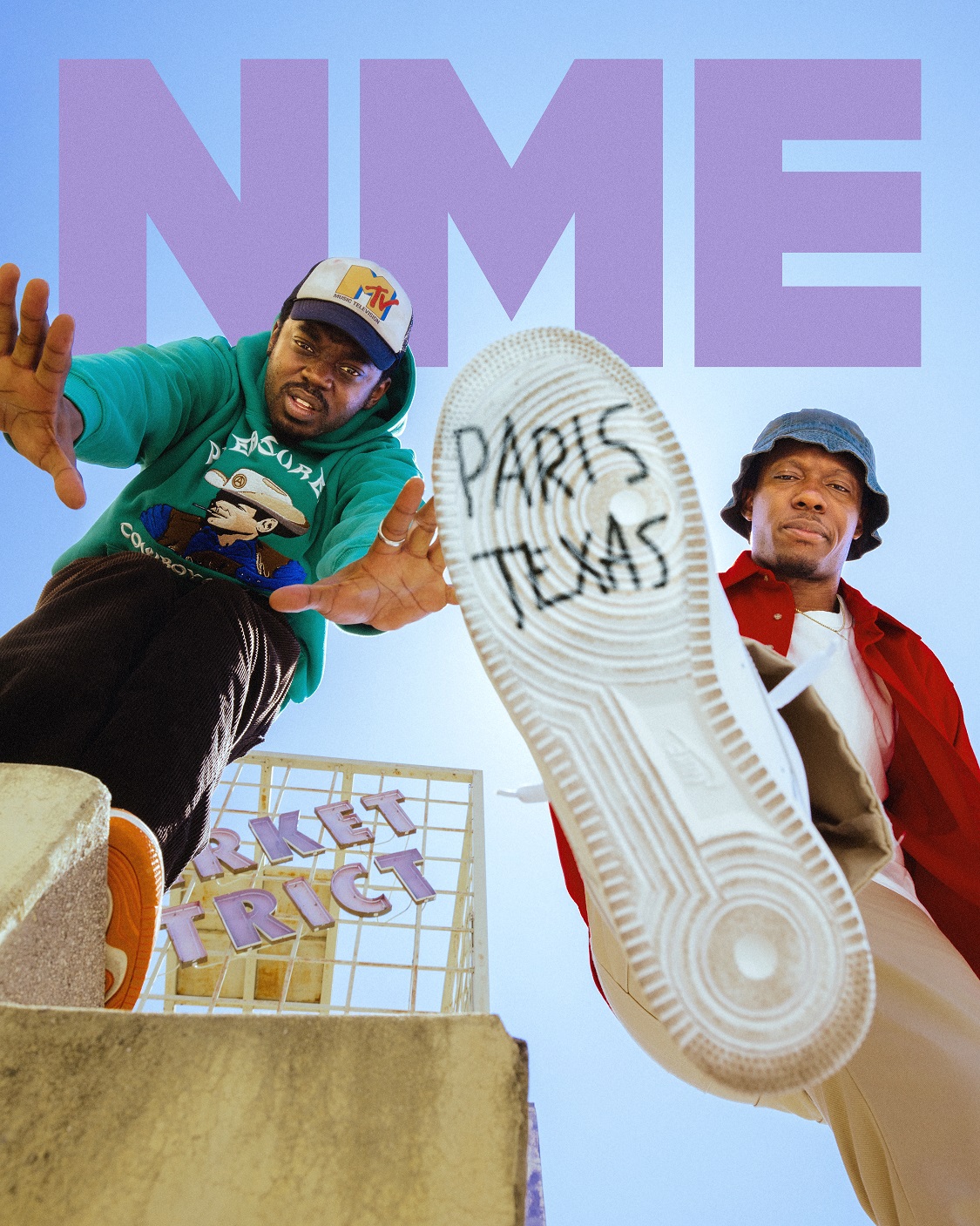
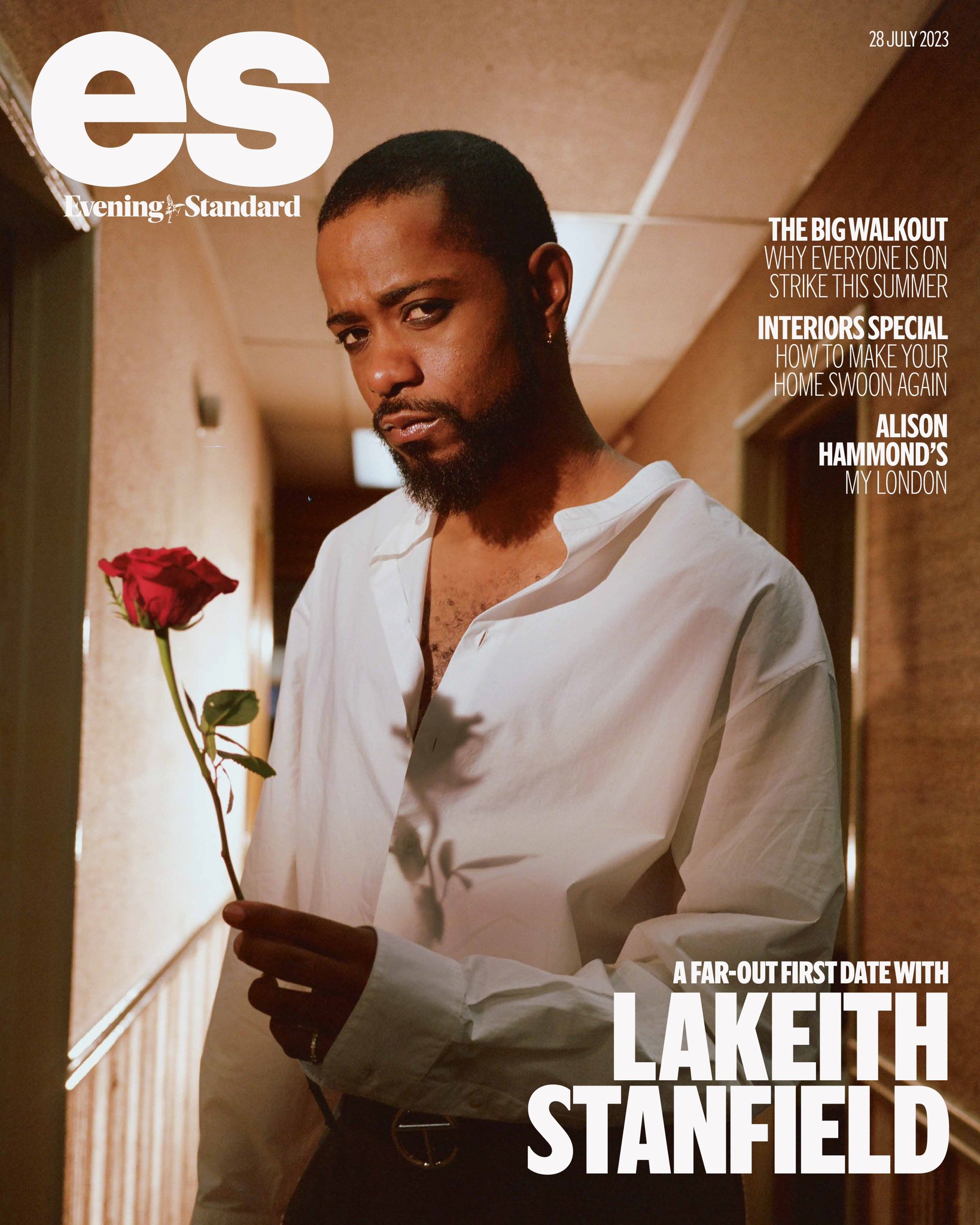


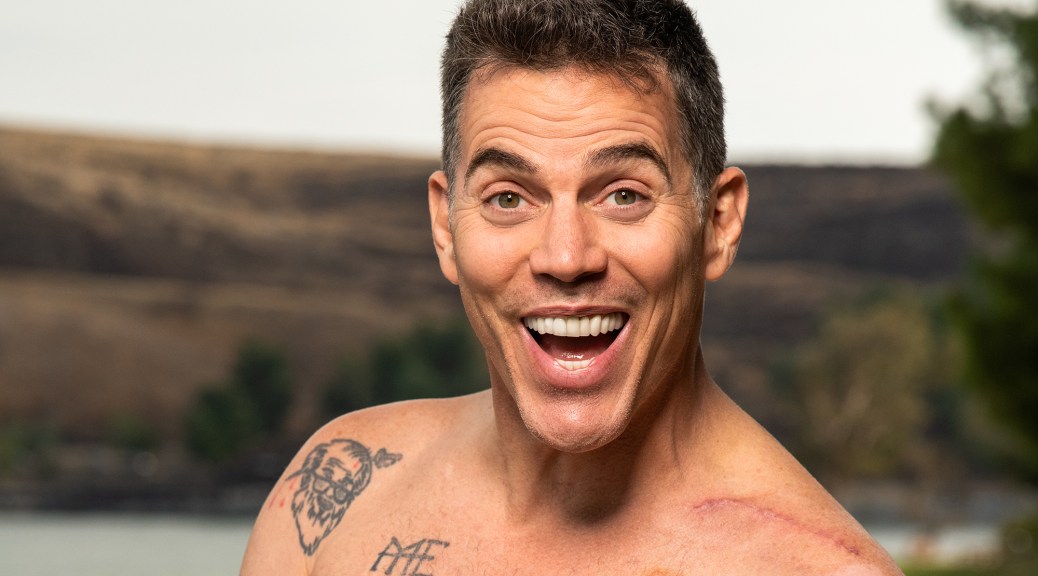

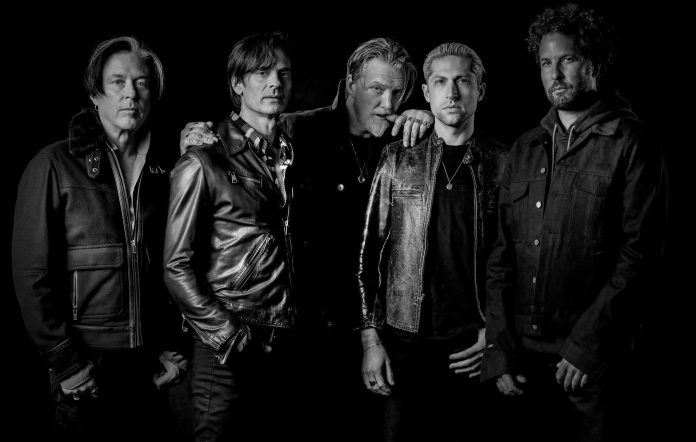


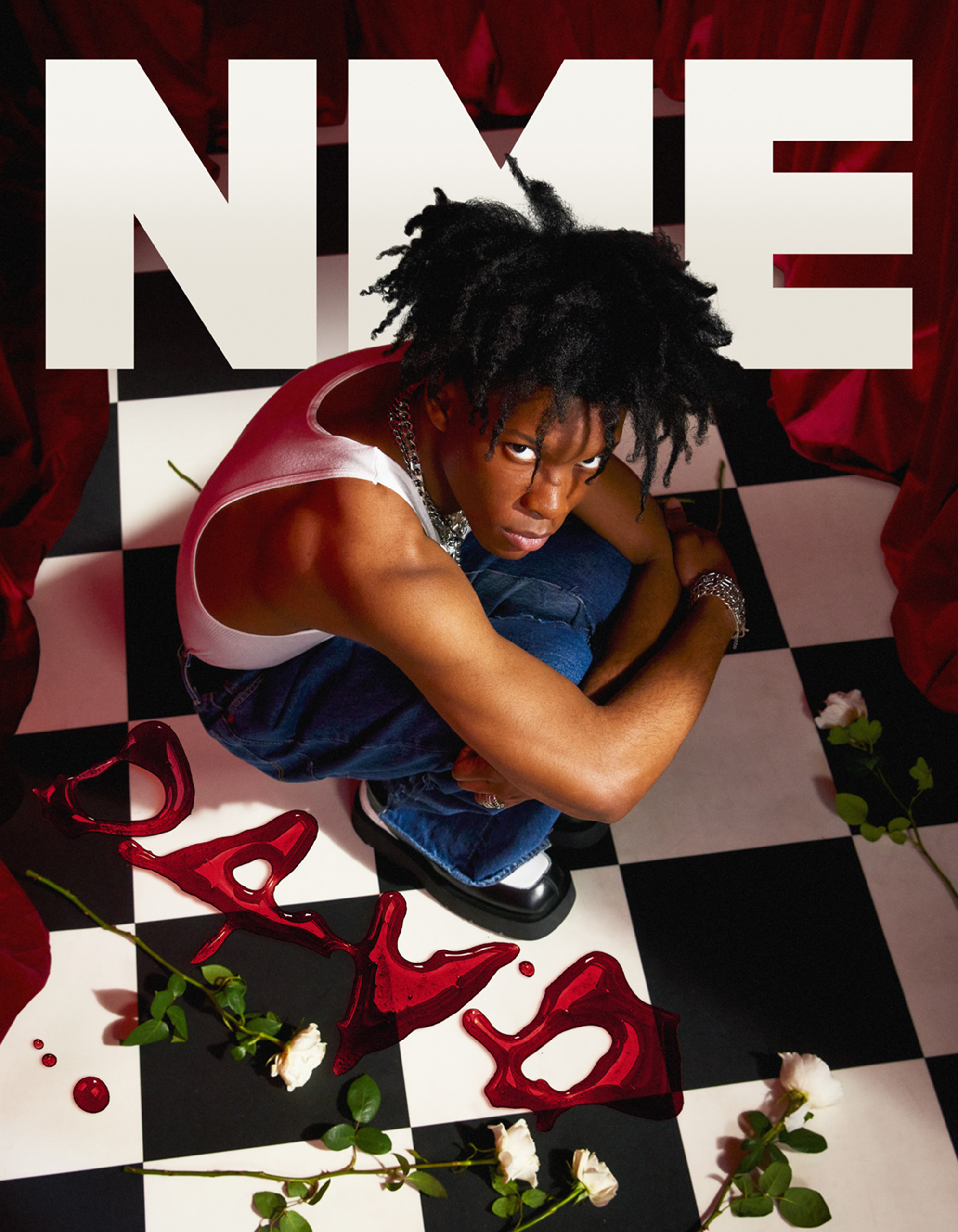


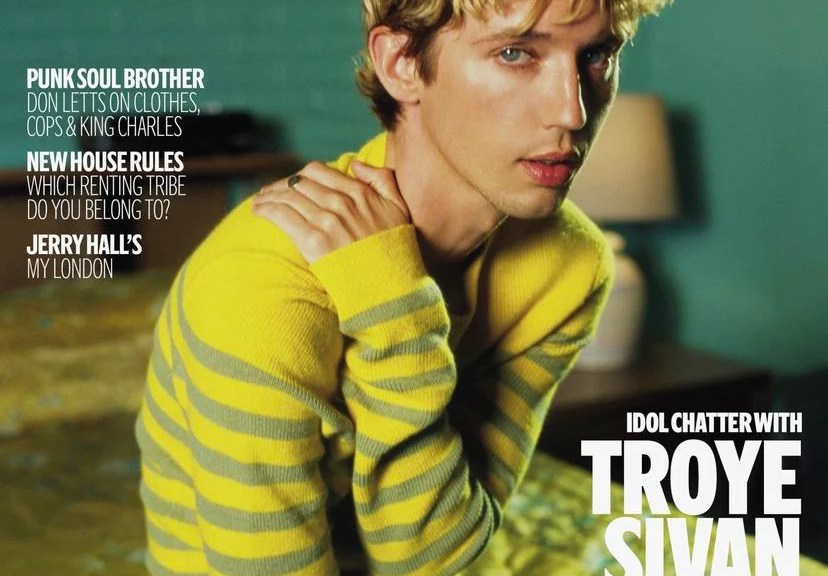



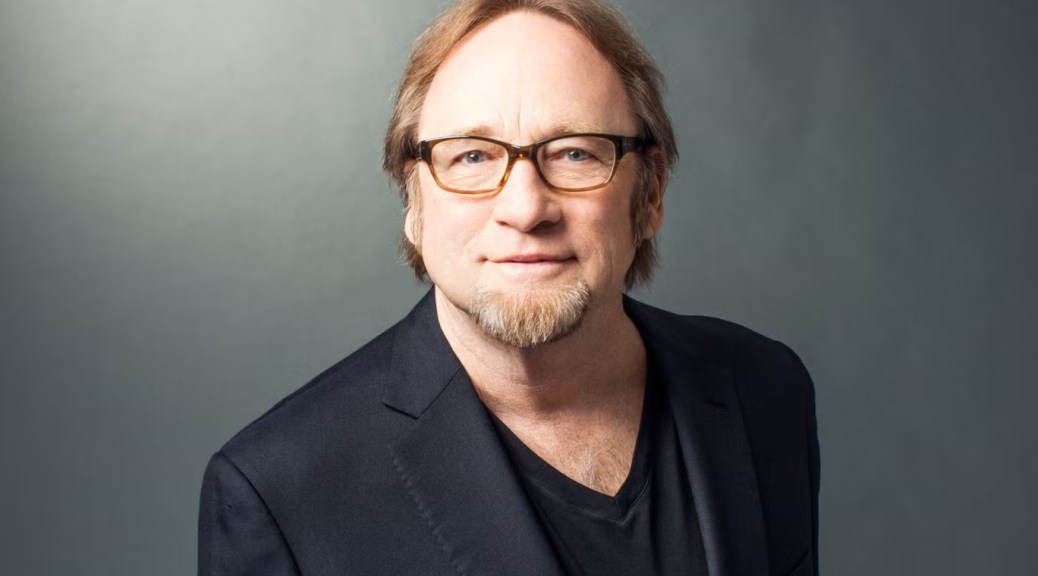

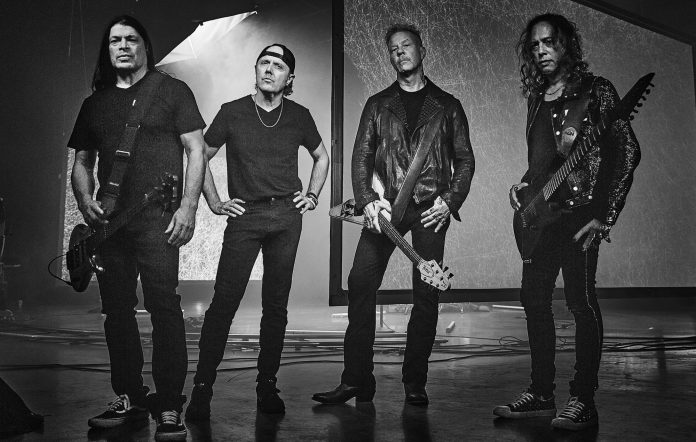





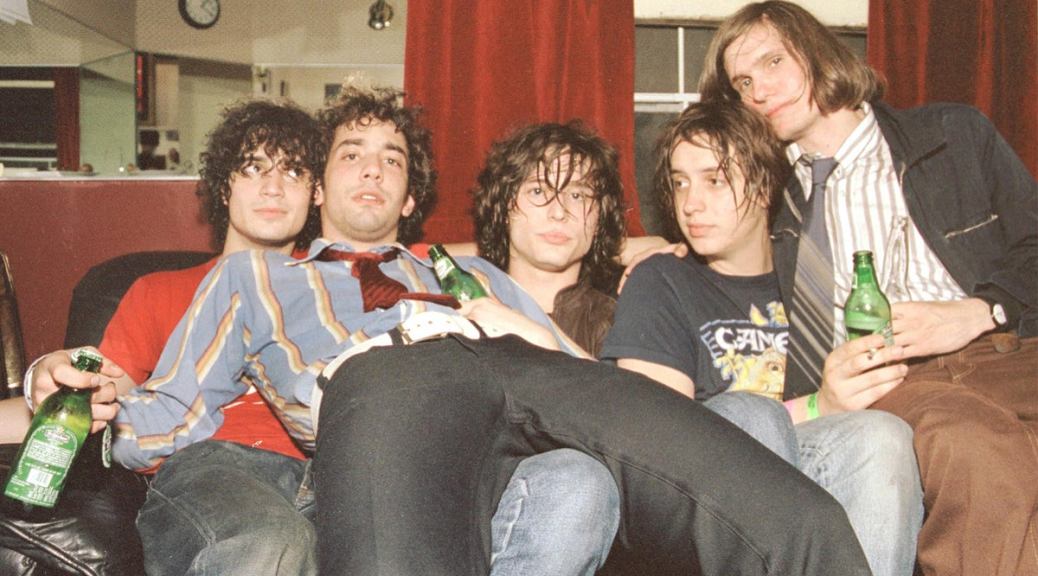
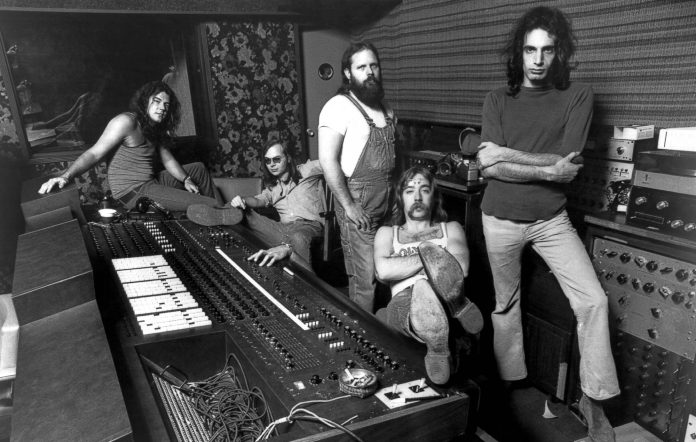
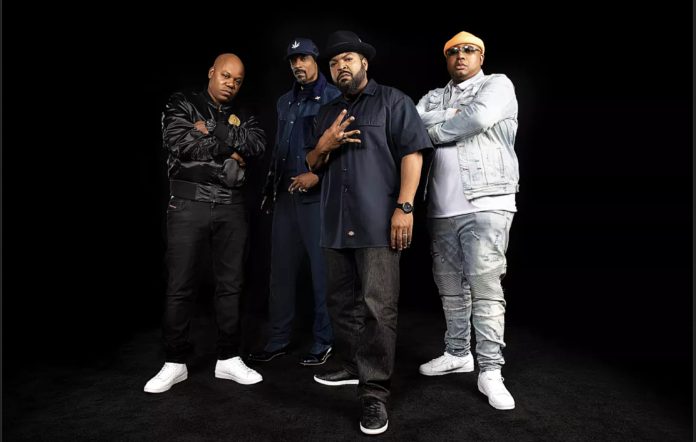


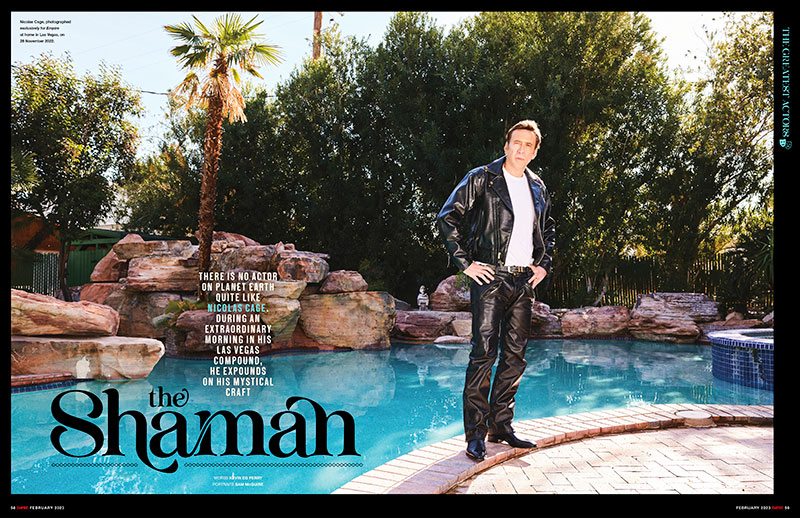


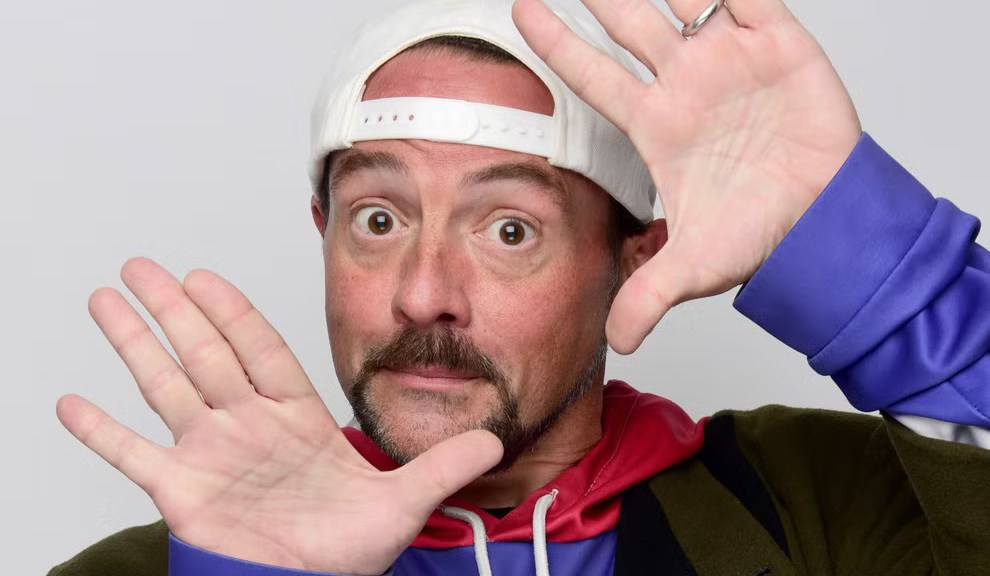



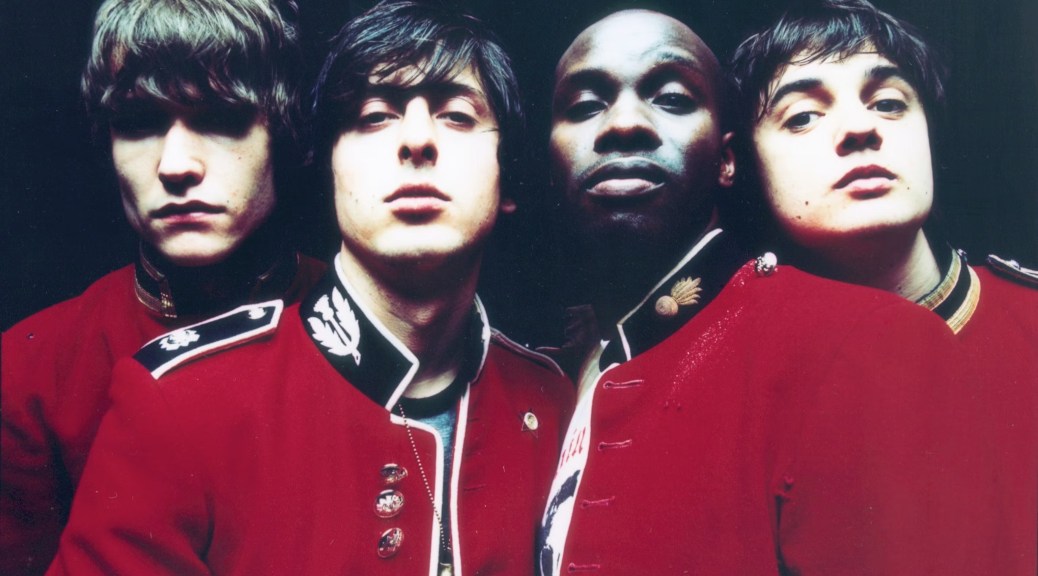

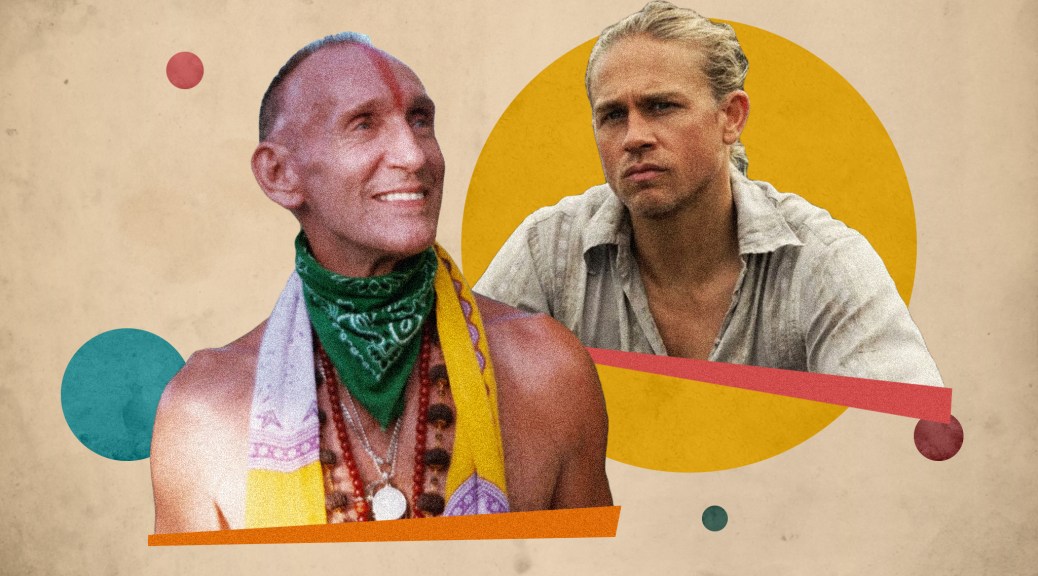

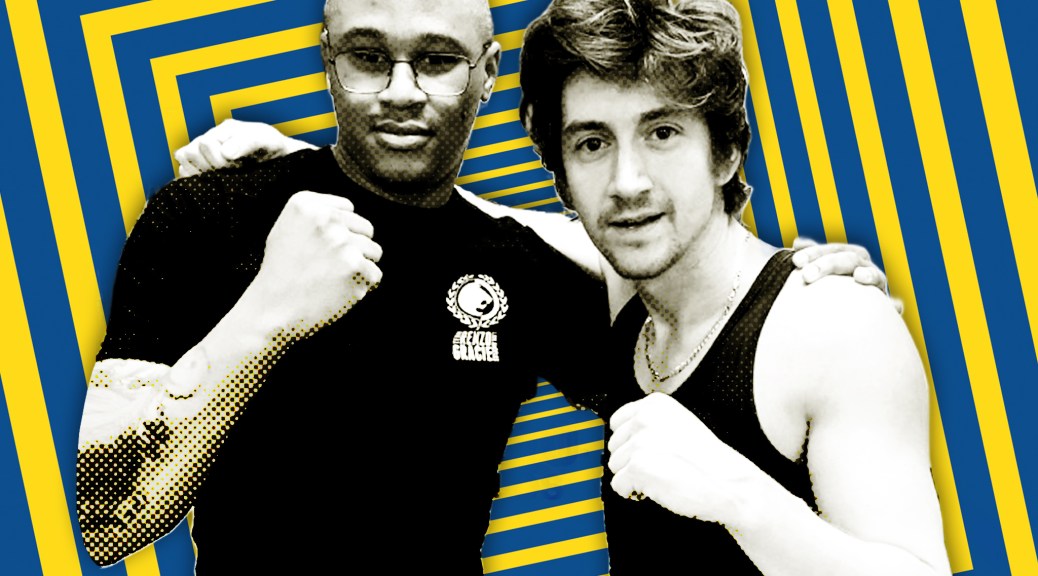
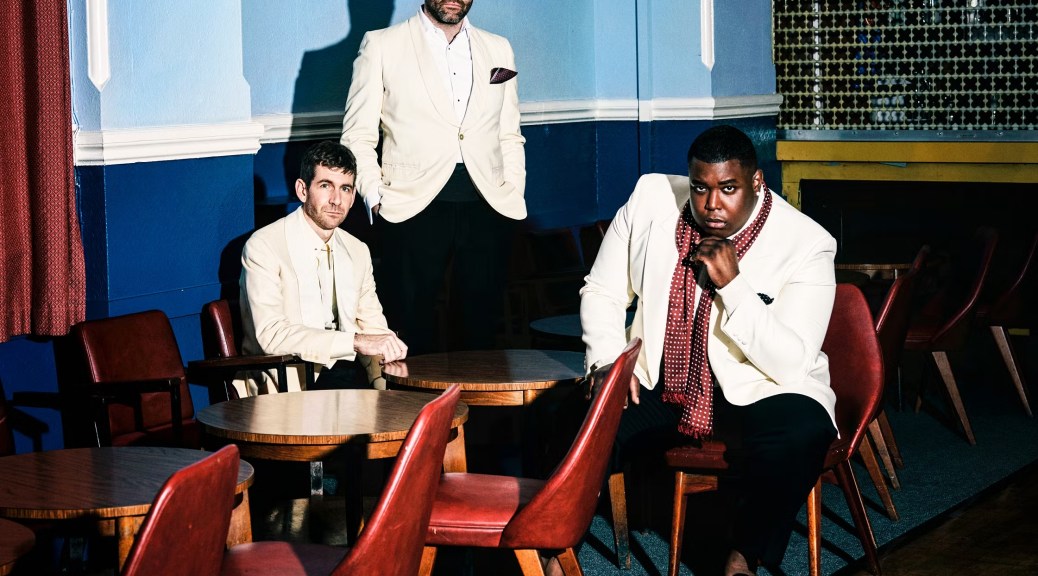

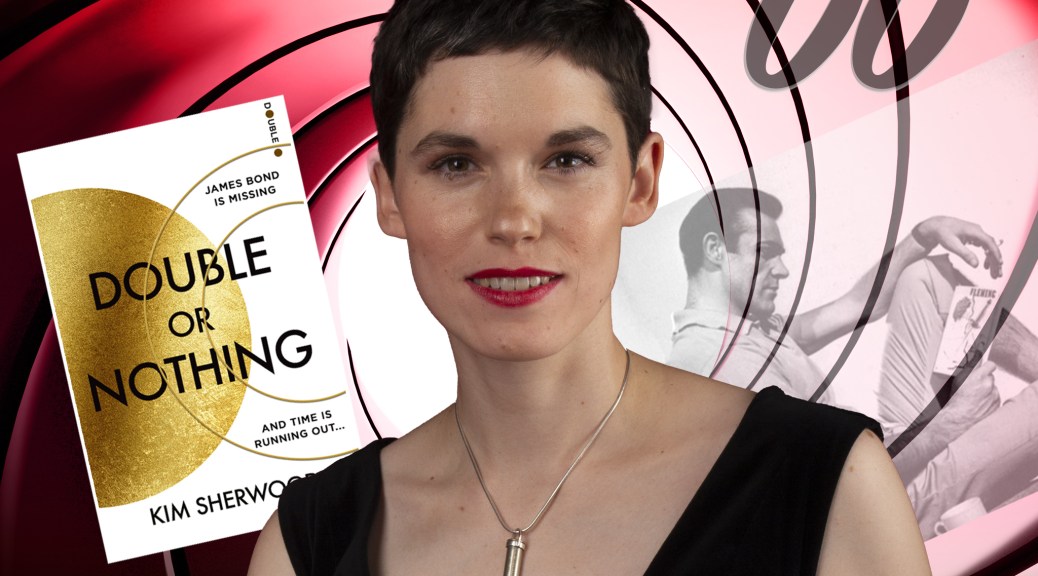
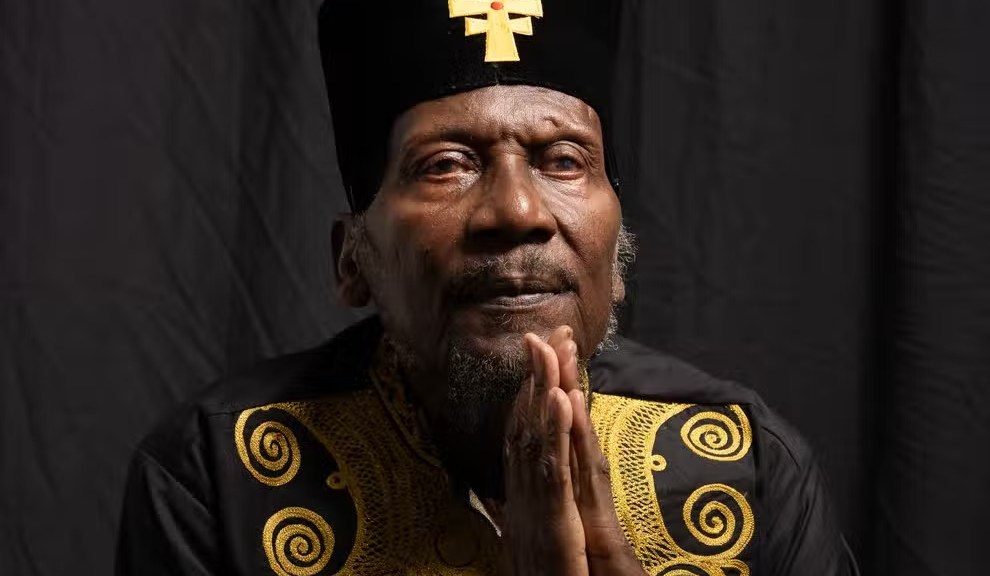
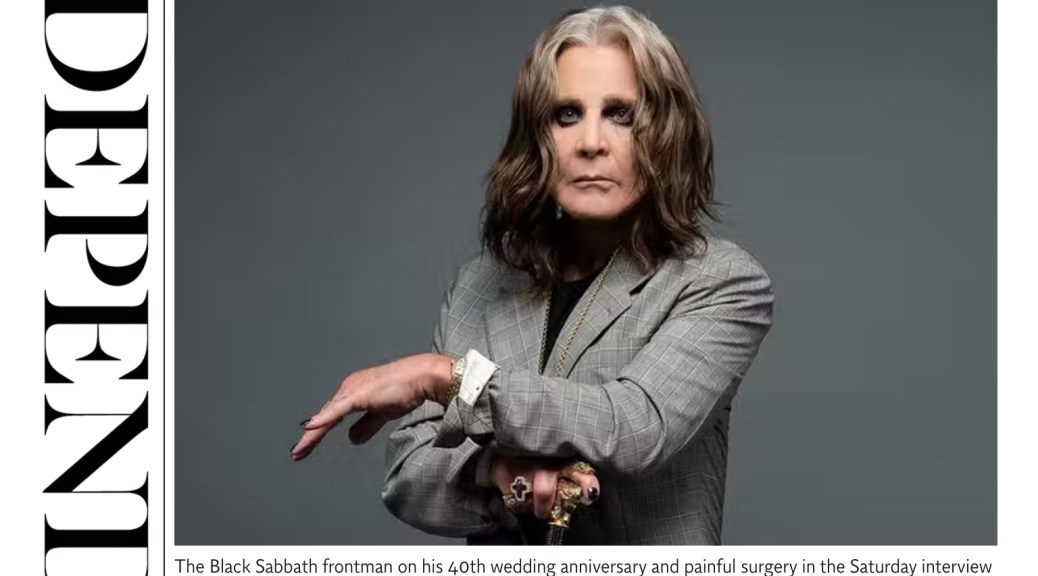


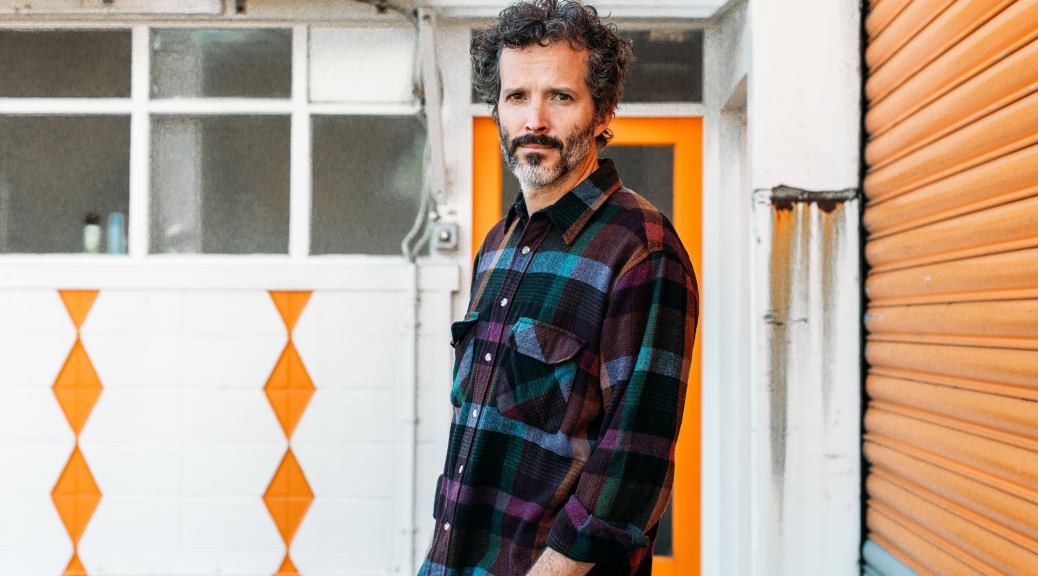

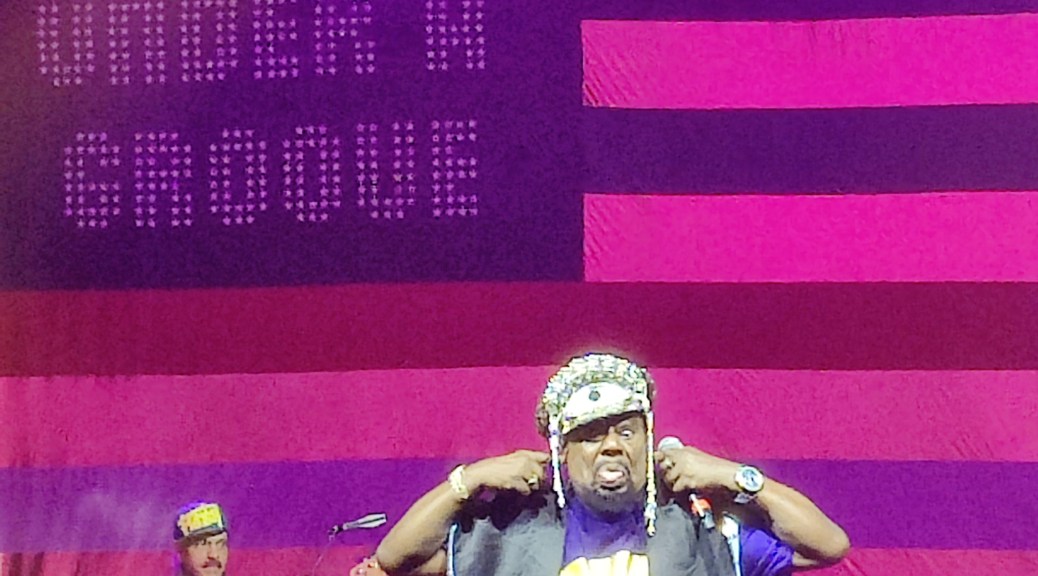

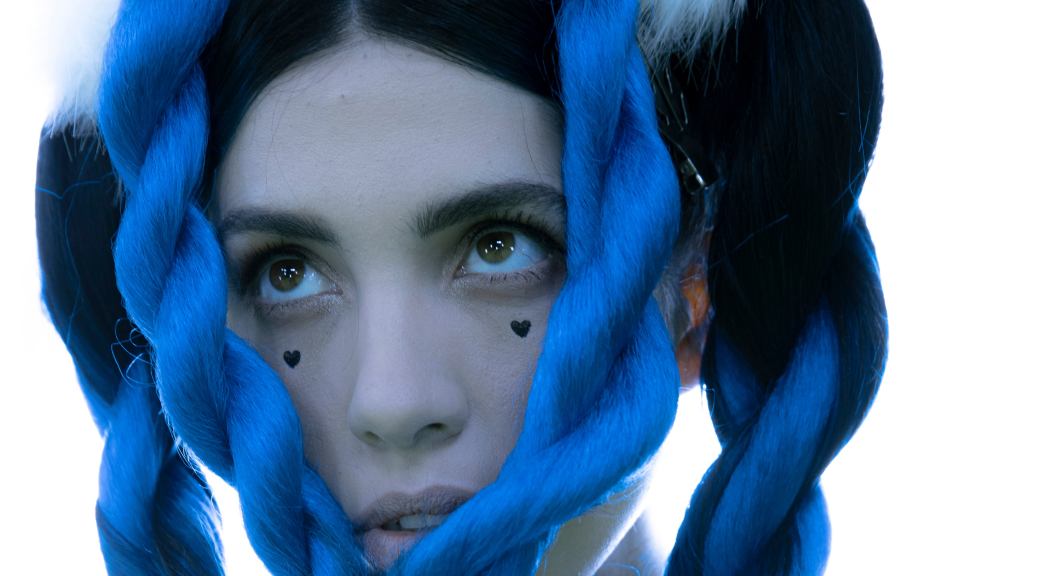

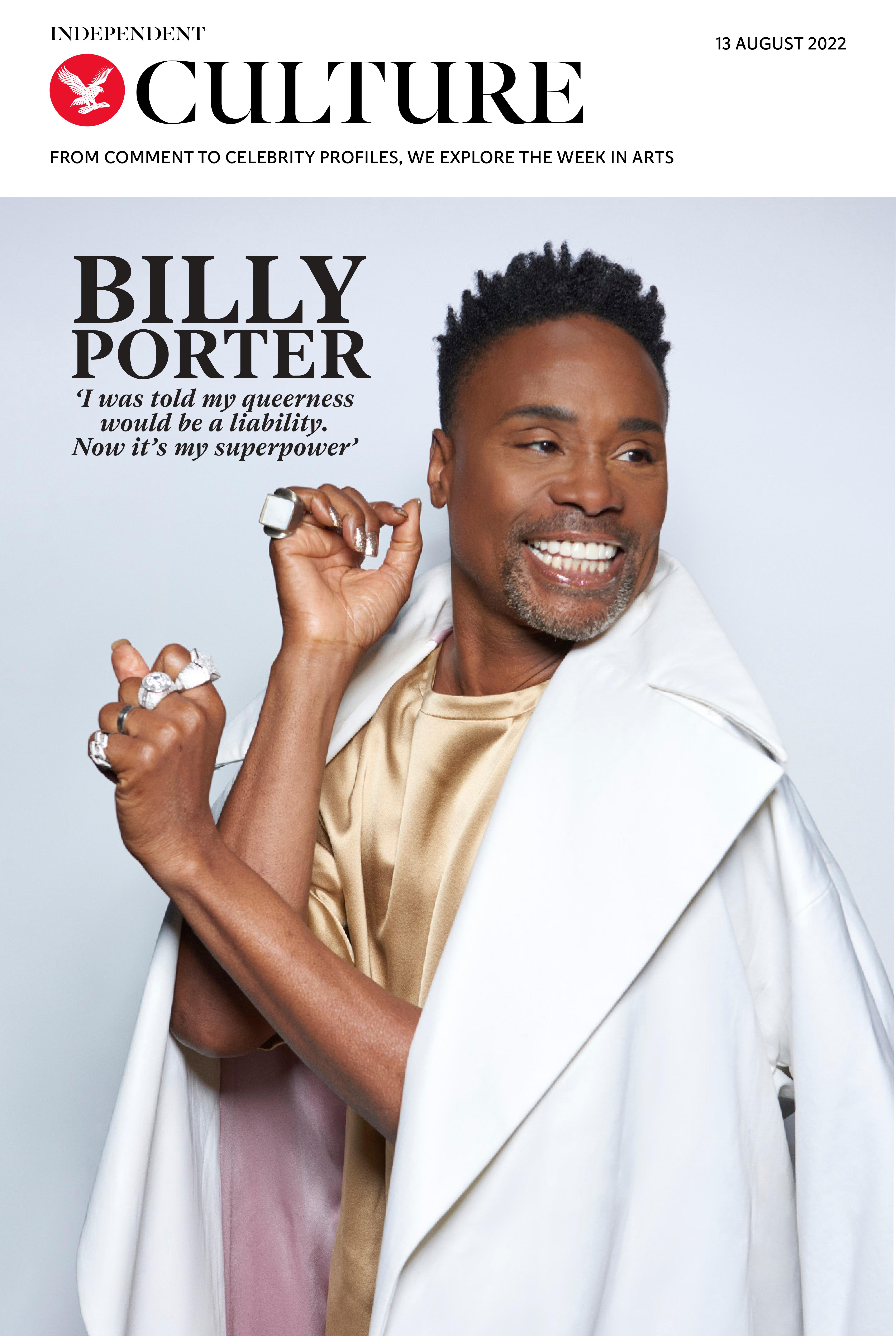

 Kevin EG Perry: Collected Works