
Nick Kent started writing for NME in 1972, which was a good year to be a rock’n’roll writer. And no writer in Britain was more rock’n’roll than Kent, who was soon as notorious for wearing a perpetually ripped pair of leather trousers and dating Chrissie Hynde as he was for writing novelistic profiles of enigmatic figures such as Syd Barrett and Lou Reed.
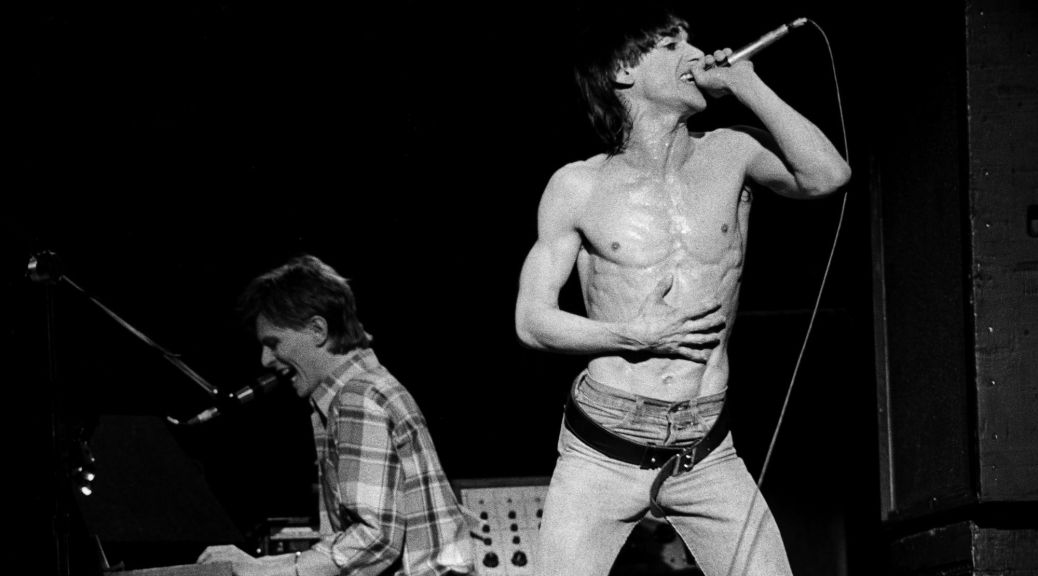
Even now, almost half a century on, stories of Kent’s escapades and expenses-claims get passed down like lore at NME. There’s a good one about the time he flew to LA to profile Jethro Tull in 1975 and somehow wound up on a bender with Iggy Pop. Holed up in the Continental Hyatt House hotel on Sunset Boulevard, they hit upon the cunning wheeze of telling visiting drug dealers that they could help themselves to whatever they wanted from the luxury shops in the lobby and charge it to Kent’s room – leaving poor old Jethro Tull to pick up the tab. Truly, a grift for the ages.
Kent published the best of his collected rock writing in 1994 as The Dark Stuff and followed that essential tome in 2010 with his ‘70s memoir Apathy For The Devil. He’s just published his third book – his first novel – The Unstable Boys, which concerns the unhinged frontman of a mostly-forgotten ‘60s band appearing on the doorstop of his biggest fan after many years in obscurity. Over a video call from his home in Paris, Kent – 69 and just as louche as ever – discussed the book’s origins and held court about a life spent at the unforgiving coalface of rock’n’roll.

On his no-fucks-given style
Things weren’t looking good for NME when Kent first slouched through its doors in ‘72. Sales were so bad that the editors had been given just 12 issues to save the magazine. They hired Kent and other new writers such as Charles Shaar Murray and Ian MacDonald from the alternative press. The magazine then saw a huge jump in sales – but not for the reason Kent wanted to believe.
“The assistant editor Nick Logan called me into his office at the end of the year and said, ‘Well, we’ve got great news – we’re outselling the Melody Maker’, which was a big deal at the time,’” remembers Kent. “He said: ‘In fact, we’re the biggest selling music weekly in the world!’ Pats on the back all round! I was standing there thinking he was gonna say: ‘It’s all you, Murray and MacDonald, you wonderful, beautiful people!’
“Not at all. He said: ‘We’ve done a survey of new readers to ask them why they buy the thing. They don’t buy it for the articles. They don’t read the articles, except for the quotes. They might look for a David Bowie quote, but they’re not interested in what the writers are writing. The only thing they actually read is the gossip column on the last page.’ What they really wanted to know was: What did Bowie’s latest haircut look like? And were Led Zeppelin playing a gig near where they lived?
“After I picked my wounded ego up off the floor, I came to the very quick conclusion that I was writing for an audience with an extremely short attention span. I realised I had to go to extremes, because I would not be ignored! 300,000 people were buying the NME and the idiots weren’t reading it! That affected the way I wrote. You’ve got to grab them with the first sentence and say: ‘The action starts here’ you cannot not read this.’ I’m living proof that going to extremes gets results. The problem is that they may not be the exact results that you set out to attain.”
Access All Areas
Kent went to extremes on the page and off it, where he found that the road of excess led not to the palace of wisdom but to a debilitating heroin addiction. His best work included an epic feature about the tortured genius of Brian Wilson, which ran to 10,000 words and was published across three issues of NME. He was also granted unprecedented access to a Rolling Stones tour and wrote memorably about the strange, distant atmosphere backstage and the darkness lurking in Jagger and Richards’ “numb, burned-out cool”.
“There’s this whole idea that the writers of that time were the reason why the NME was so successful,” he says, “and that’s partly true, but the main reason was that we had more access back then to Bowie, The Rolling Stones, Led Zeppelin and the other big names of the ‘70s. There was a kind of give-and-take there, and I was lucky enough to get into that.”
That time he was a Sex Pistol
Kent first met punk impresario Malcolm McLaren in December 1973, when he went to France to interview the New York Dolls and found McLaren among their entourage. The pair became close and regularly dined together – along with their partners, Vivienne Westwood and Hynde – at what the writer describes “the only Indian restaurant in Clapham South”. When McLaren sacked guitarist Wally Nightingale from an early line-up of The Sex Pistols because he didn’t think he fit the band’s look, he asked Kent to replace him. Kent spent three months playing with guitarist Steve Jones and drummer Paul Cook, but says he never quite matched the Sex Pistol temperament.
“What I learned from playing with The Sex Pistols was that there’s a big difference between a middle-class guitar player and a working-class guitar player,” says Kent. “For a working-class guitar player, it’s all about repetition. It’s like that Johnny Ramone thing of playing the same chords over and over again. If you’re a guy like me, I’ll play a three chord riff like ‘Louie Louie’ for a minute but then I’ll get bored and throw something a bit jazzy in, and immediately that’s like going into Radiohead-land! My Sex Pistols experience taught me that I’m a middle-class guitar player.”
On the rocker who reminds him of Trump
Kent’s new novel The Unstable Boys centres around the titular band’s grotesque, narcissistic frontman, known as ‘The Boy’. Given his abrasive personality traits, it’s no surprise that The Boy idolises Donald Trump – and Kent says he noticed plenty of parallels between the former President and some of the more self-absorbed rock stars he’s encountered over the years.
“The rock star that really reminded me of Trump is Axl Rose,” says Kent. “I went out to America in 1991 at the height of Guns N’ Roses mania. They were the biggest group in America at that time. At almost every gig they played there would be a riot. Axl would usually be late, and then he’d come on stage and spend 10 minutes putting down whatever celebrity had said something in the press about him. I saw him once put down Warren Beatty because Warren Beatty had dated his girlfriend.
“We got 10 minutes of: ‘What an arsehole!’ He was using the stage as a forum for his own narcissistic shit fits, just like Trump. At least Axl Rose could perform and could sing well, whereas Trump has neither talent. He doesn’t have any talent! He’s the ultimate huckster.”
And the horror story behind The Unstable Boys
In The Unstable Boys, things take a turn for the worse when ‘The Boy’ turns up at the home of a wealthy crime writer who also happens to be his band’s biggest fan. Kent says he was inspired by a real tale involving the British rock’n’roller Vince Taylor, who sang the 1959 hit ‘Brand New Cadillac’.And the horror story behind The Unstable BoysIn The Unstable Boys, things take a turn for the worse when ‘The Boy’ turns up at the home of a wealthy crime writer who also happens to be his band’s biggest fan. Kent says he was inspired by a real tale involving the British rock’n’roller Vince Taylor, who sang the 1959 hit ‘Brand New Cadillac’.
“He was one of the best early British rock singers – one of the only ones, actually,” says Kent. “He’s probably best-known now because he became the inspiration for Ziggy Stardust. Bowie had met him in the ‘60s and became fascinated by him. By the ‘70s, Taylor had gone from bad to worse and he was basically penniless. He would just turn up on the doorsteps of people that he imagined were fans of his. He turned up on the doorstep of his fan club president in Switzerland and of course the guy invited him in – this was his hero! Things didn’t go well. Before long his wife left him, his dog disappeared and his pub burnt down.”
Kent adds that he’s been working on the novel in some form or another since his wife Laurence first told him Taylor’s story back in 1990, so he’s delighted to finally see the story in print three decades on. “When I’d finished it, for about two or three hours afterwards I felt really, really good,” says Kent. “High in a way that eclipsed all the drug highs I’ve ever had.”


















 Published in Lonely Planet Traveller, June 2020.



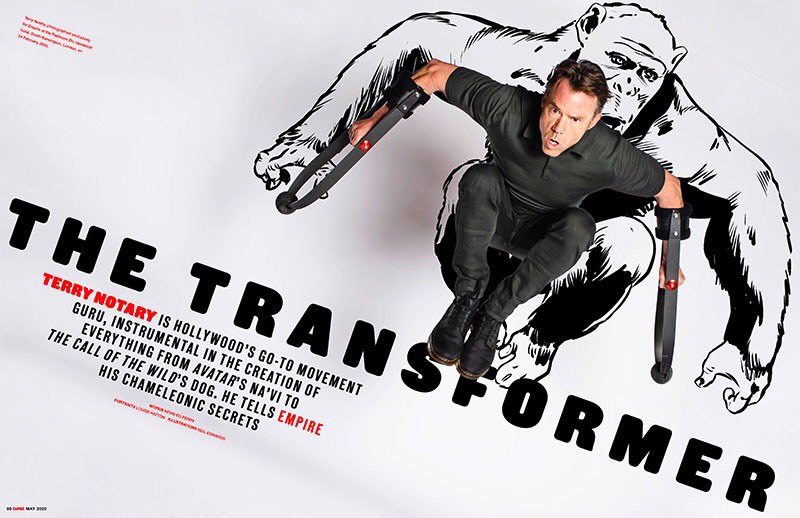 Published in Empire, May 2020.

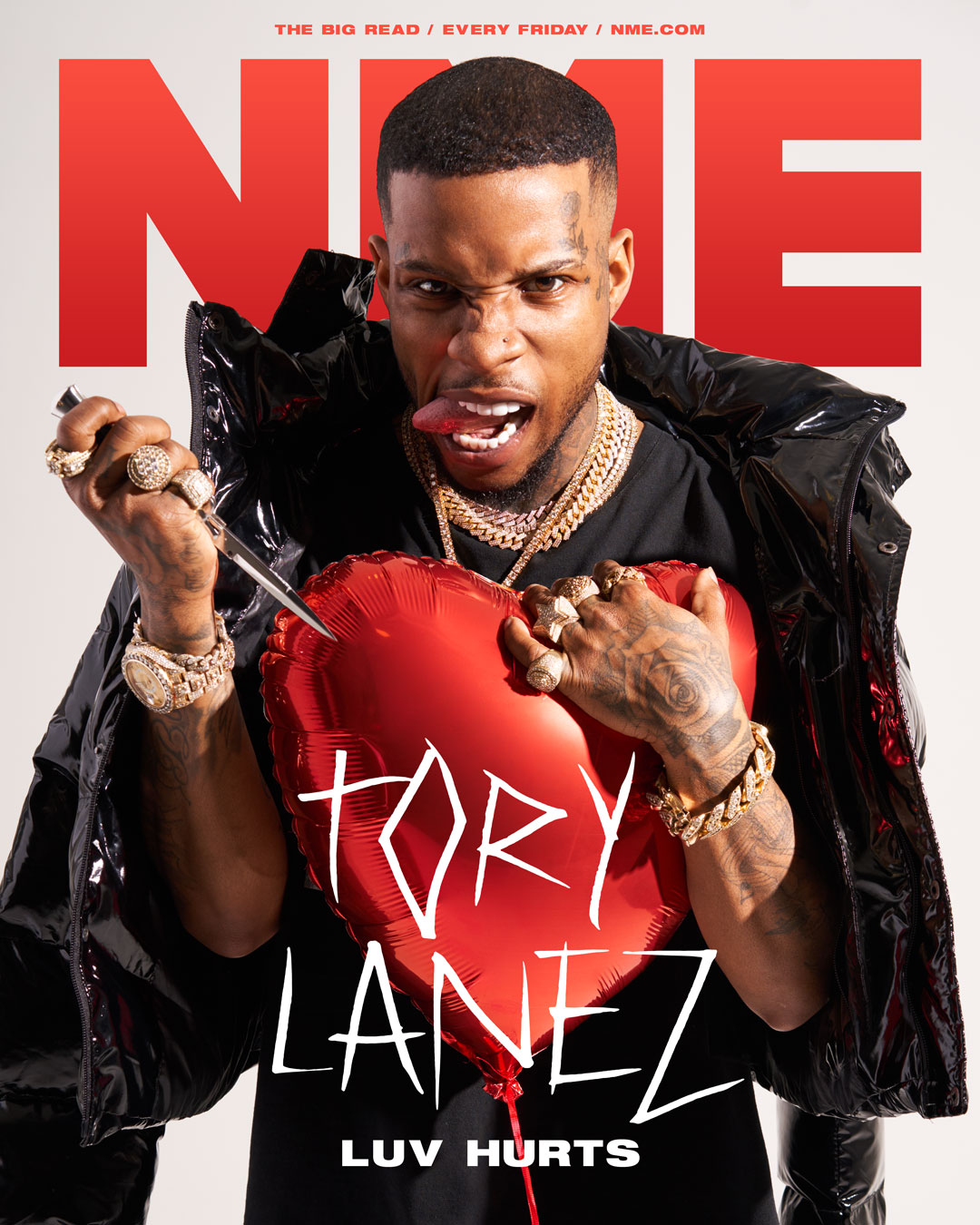
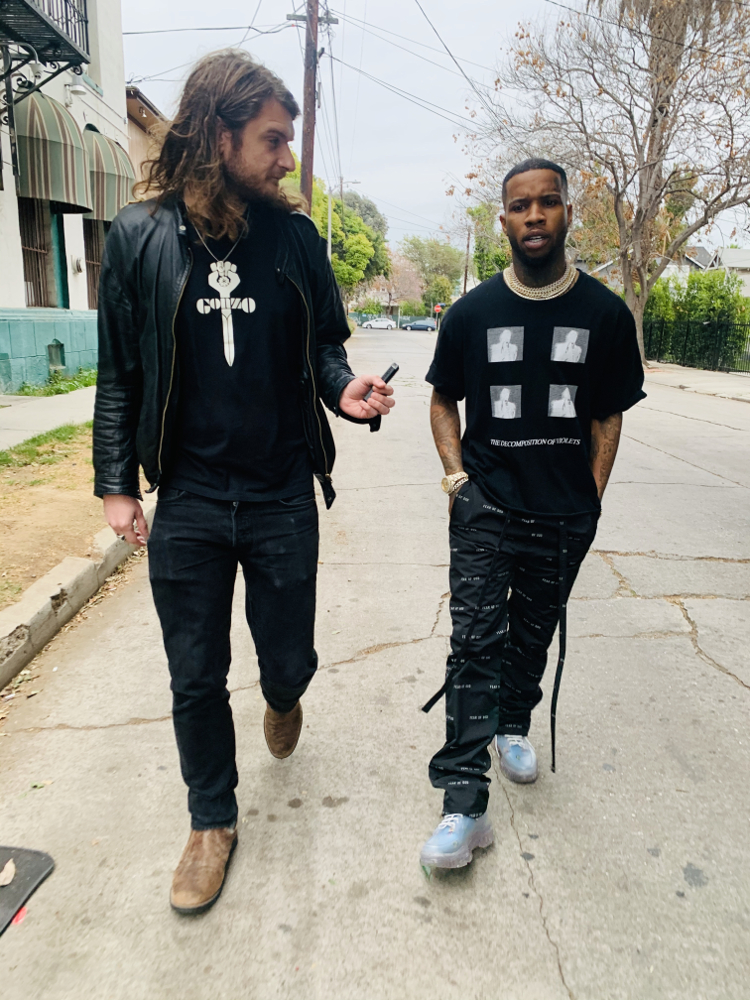 Tory Lanez is walking through the streets of Hollywood, a blunt in one hand and a heart-shaped balloon bobbing from a ribbon in the other. An entourage of cameramen, managers and bodyguards trails behind him, weaving in and out of traffic like a shoal of fish. While NME’s photographer snaps away, a burly guy leans out of the window of a parked truck and hollers: “Dope ass music, my G!”
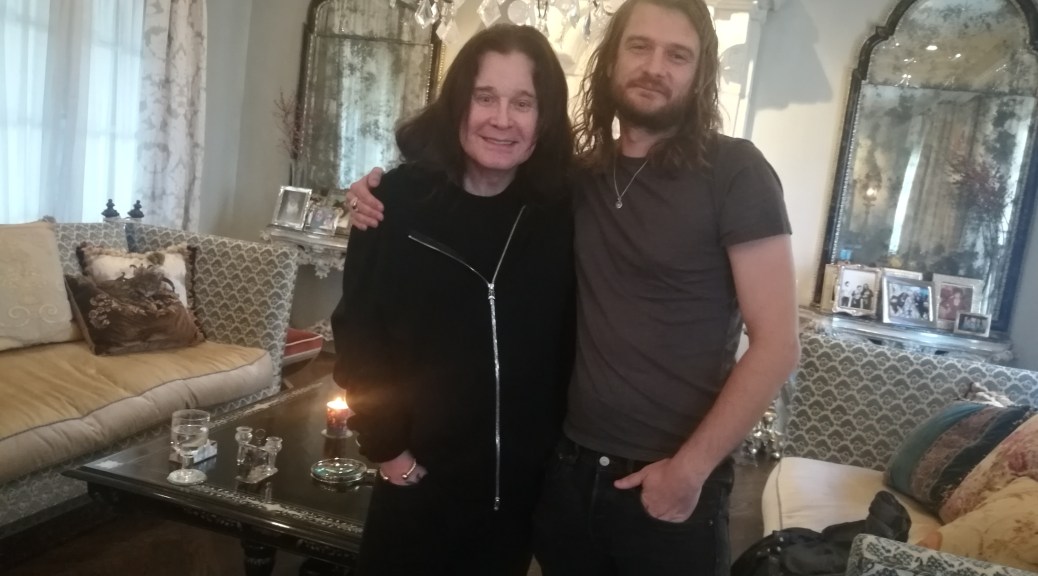
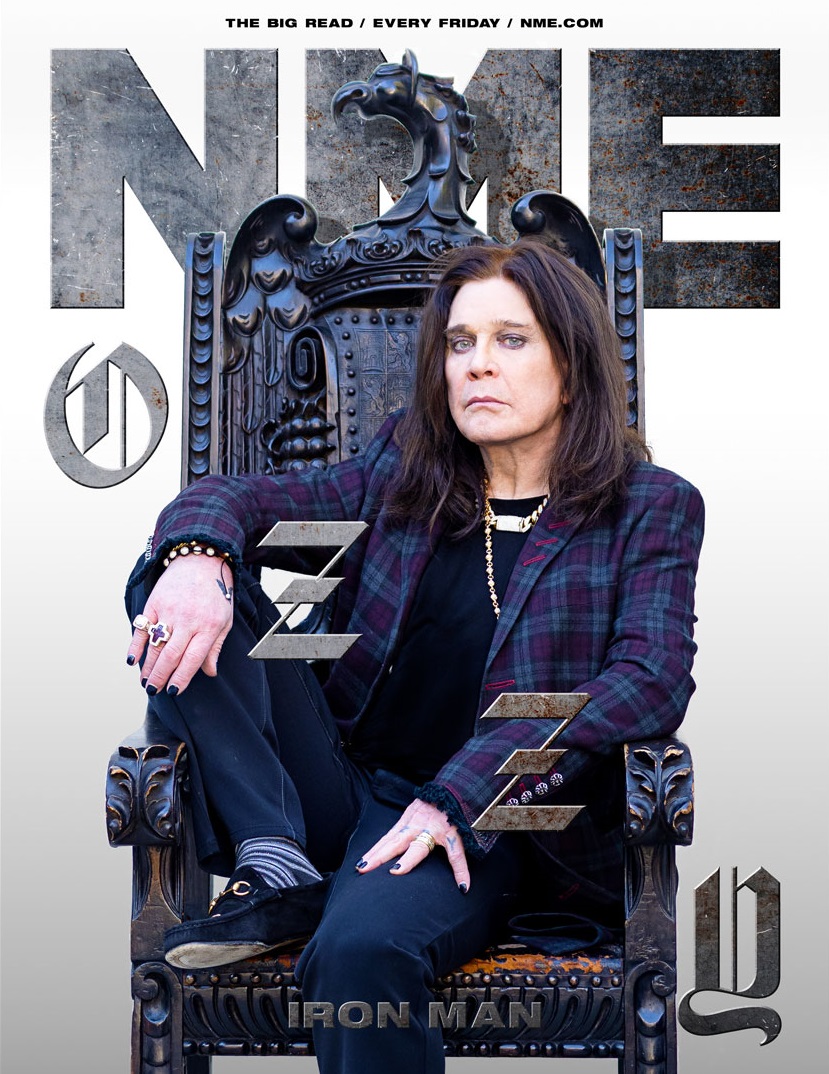 “I’m sitting in the fucking house and I’ve got a big fucking bowl of cocaine on the fucking table,” says the figure in black who sits before me. “It was when Black Sabbath were doing ‘Vol. 4’ and we’d rented a house in Bel Air. I was sitting there thinking: ‘It’s fucking boiling in here.’ So I press a button on the wall, thinking it’s the air conditioning. 10 minutes later six cop cars come screaming down the driveway. It’s the Bel Air patrol. I’d pressed the alarm button. So I shout: ‘IT’S A RAID!’, grab the fucking dope and me and this roadie run into a back room. I’ve got the bowl of cocaine and I’m going…” The figure in black mimes furiously shovelling mounds of the stuff into his nostrils.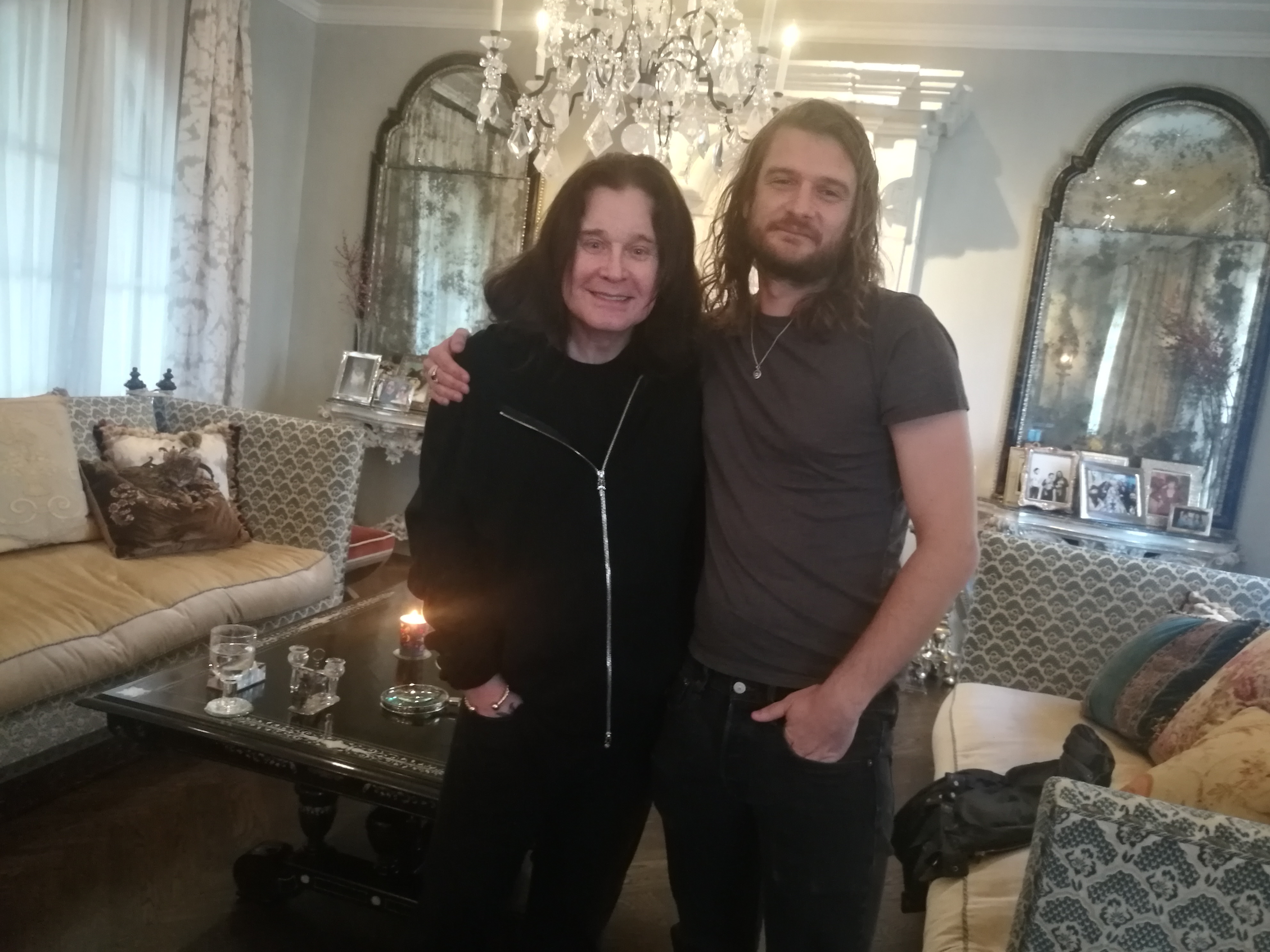

 Mia Goth is wearing a fluorescent Valentino gown and white thigh-high boots as she watches the sun set over Los Angeles. Through the floor-to-ceiling windows of Lovell House, a masterpiece of modernist architecture and a film star in its own right after appearing in LA Confidential, she gazes over a hillside of swaying palms that slopes down towards the city, sprawling like an ocean. The scene couldn’t be more quintessentially Hollywood, but in her mind Goth is 5,500 miles away.
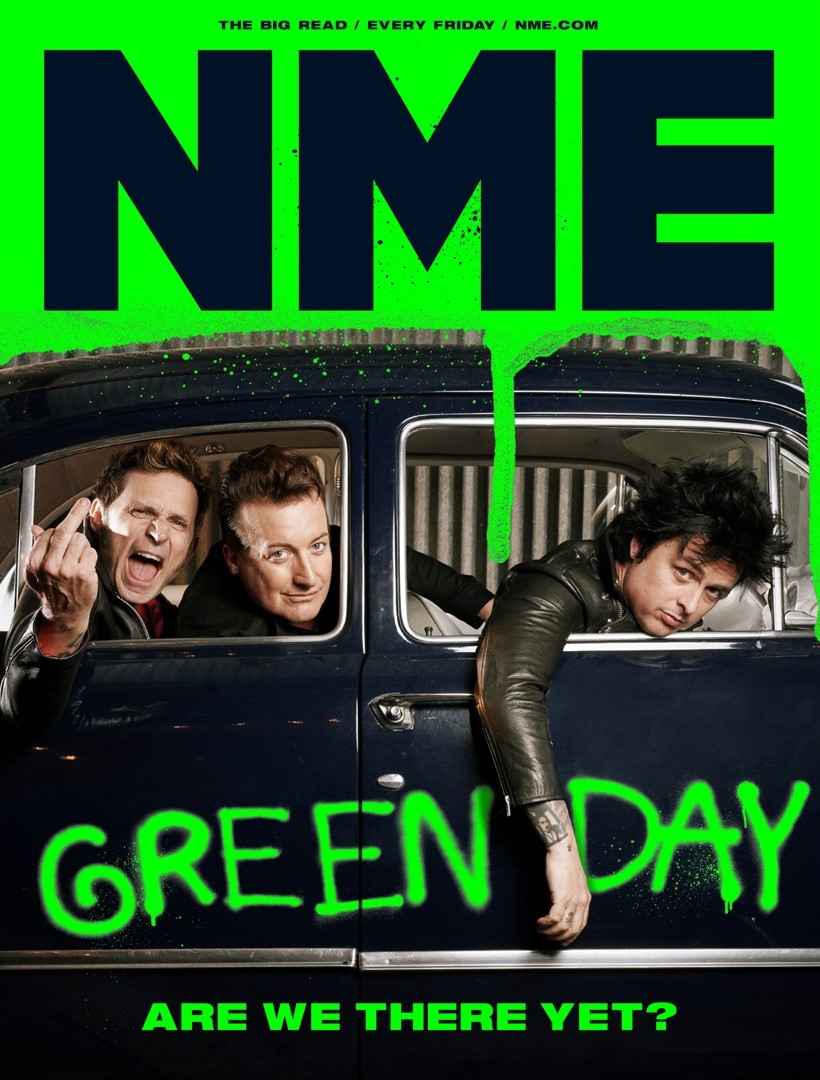 It’s a miserable day in Oakland. The northern Californian skies are 50 shades of shitty and the rain is lashing down, leaving puddles so deep the hipsters are probably wearing waders. You don’t want to be outside on a day like today. The only sensible thing to do in this sort of environment is stay in, get stoned and maybe form a punk band. Welcome to paradise.
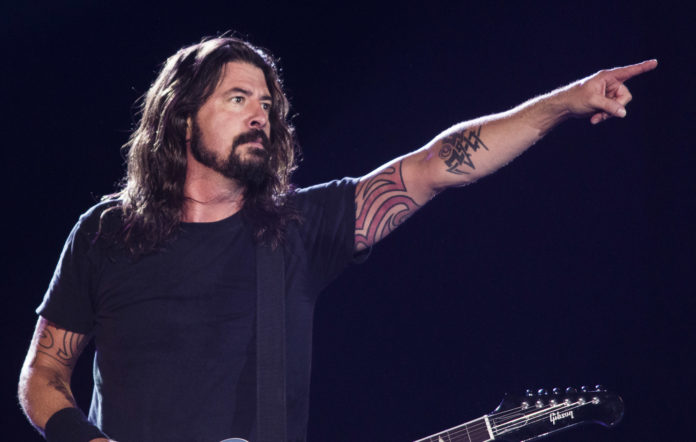 Prince was a singular talent whose influence has touched pretty much every conceivable genre of music. So it’s only fitting that the task of paying tribute to his life and work be taken on by a similarly diverse group of musicians. Foo Fighters, Beck, John Legend and Mavis Staples were all among the stellar list of artists gathered together by the Grammys and musical director Sheila E to perform at ‘Let’s Go Crazy: A Grammys Salute To Prince’, a TV special recorded on Tuesday night and set to hit screens in April around the fourth anniversary of the Purple one’s death.
 The morning after our interview I get a call from Jackson Browne. I stare at my phone in bleary-eyed confusion, trying to remember if one of the all-time great singer-songwriters had let slip anything scandalous he might be eager to recant, but when I pick up I hear his warm Californian tones overflowing with enthusiasm. “I just realised I didn’t finish telling you about Rick!”
 Marvel at Morocco’s mystical master musicians
 Kevin EG Perry: Collected Works