Category Archives: The Independent

Kevin Smith on seeing the funny side of his ‘widow-maker’ heart attack: ‘I wasn’t emo about it, but I was OK with dying’

A Sunday evening in 2018: Kevin Smith was sweating profusely. The director had been feeling nauseous, too, but he’d put that down to the fact he was in the middle of filming two stand-up sets for a special. And then, in his dressing room at the Alex Theater in Glendale, California, he collapsed on the floor and vomited all over the tiles. At Glendale Memorial Hospital, Smith learnt he’d suffered a massive heart attack known as the “widow-maker”. Smith’s doctor put his chances of survival at 17 per cent. (The special, by the way, was titled Silent But Deadly.) “I know I’m lucky,” says the 52-year-old director, down the line from Chicago. “For the last five years I’ve been meeting people who’ll say: ‘Oh, my brother had your widow-maker.’ ‘How’s he doing?’ ‘He’s dead.’ It really just comes down to chance.”

In fact, as heart attacks go, Smith’s didn’t turn out so bad. “They got me in and out of the hospital in 32 hours, and I was never in pain,” he recalls. There can be common symptoms, such as a shooting pain in the left arm, but he never experienced them. “I had it easy as hell, man, believe me.” Nevertheless, the experience forced him to contemplate his mortality in the most immediate terms. He became vegan, started exercising more and lost a lot of weight. He also found a renewed desire to make Clerks III, a second sequel to his 1994 breakthrough Clerks, the black-and-white slacker masterpiece. (He’d already made bigger-budget follow-up, Clerks II, in 2006). “Post-heart attack, I was like, ‘I’m living on borrowed time now,’” says Smith. “I’d better act accordingly, so if there’s some dream of mine that I’m trying to accomplish I better get moving. Clerks III was a dream.”

Smith had been trying to get a version of Clerks III made for several years, but decided to completely rewrite the script to focus on his heart attack. “It was a movie that was obsessed with death, written by somebody who hadn’t tasted it yet,” he says. “Now that you’ve tasted the immortal you have something to say, motherfucker.” Originally, the story had taken place entirely in the parking lot of a movie theatre while the characters waited to see Ranger Danger And The Danger Rangers. “It was complete artifice,” says Smith. “It was Waiting for Godot, not Clerks III.”

Continue reading at The Independent

Eww world order: How the right-wing became obsessed with eating bugs

Nicole Kidman tilts her head back, glances towards the camera and lowers a still-wriggling pale blue hornworm into her wide open mouth. Next she chows down on a teeming mound of mealworms, munches on crickets, and finishes off with a hearty plate of fried grasshoppers. This is not a long-lost outtake from I’m a Celebrity… if it were directed by Stanley Kubrick, but a YouTube video published by Vanity Fair in 2018. It’s one of a series of clips featuring stars showing off their “secret talents”. You’ve got Oprah cleaning up dog mess; Michael B Jordan doing his ironing. As for Kidman, daintily snacking on what she calls “micro-livestock” with chopsticks, her talent is a bit more arresting. “Two billion people in the world eat bugs,” she beams. “And I’m one of them!”

Where the casual observer may merely see a foodie actor keen to show off her adventurous palate, various conspiracy-minded corners of the internet have come to the conclusion that something more nefarious is afoot. To them, the two-minute video is nothing less than proof of a global campaign by shadowy elites to convince us that we should be happy subsisting on creepy-crawlies. The rich and powerful, meanwhile, will hoard haute cuisine for themselves. Earlier this year, one YouTube commenter wrote of Kidman: “Her dark witch laugh sent cold chills over me… that’s what the elite want us to eat: bugs [while] they dine on steak and every exquisite meal out there.” Another suggested there were powers greater than merely the editors of Vanity Fair behind the clip. “Well done Nicole!!!” they wrote. “You have secured your position as Bug Ambassador to the WEF!”

The WEF is the World Economic Forum, a popular bogeyman for far-right groups like QAnon, which posits that a “deep state” of wealthy, powerful people dine on babies while pulling the levers that control the world. “Any global institution is easy to paint as part of a conspiracy,” says journalist Nicky Woolf, who spent a year reporting on Q and its followers for the podcast Finding Q. “The World Economic Forum and the World Bank, because of their branding as much as anything, are often portrayed as part of a ‘one world government’.”

Continue reading at The Independent

Rita Wilson: ‘I’ve exhausted the canon of warm, nurturing wives. Give me crazy!’

There’s only one disappointment about Rita Wilson’s new album: she doesn’t rap. In March 2020, a week after her husband Tom Hanks sent shockwaves around the world by announcing the couple had come down with Covid, Wilson posted a video of herself in quarantine flawlessly rapping Naughty by Nature’s 1992 anthem “Hip Hop Hooray”. The clip has since racked up more than two million views on Instagram, earning praise from everyone from Kim Kardashian (“The best video EVER!!!!!!”) to Barack Obama (“Drop the mic, Rita!”). When news of this unlikely viral hit reached Naughty By Nature, the Grammy-winning trio released a remixed version of the single featuring Wilson on the mic to raise money for the MusiCares Covid-19 Relief Fund. Surely, then, the stage was set for Wilson to offer us her takes on Tupac and NWA? She howls with laughter. “I think that’s my next project!” she jokes. “It’s funny, Naughty by Nature said, ‘Any time you want to come up and rap that song live with us, we’ll do it!’ I’m like, ‘Oh, I’m gonna find them one day on tour and just show up.’”

Rather than spitting bars, Wilson’s new album Now & Forever: Duets captures the 66-year-old actor and musician singing a collection of Seventies soft rock favourites. She’s joined by some of the greatest voices in music. Smokey Robinson assists in delivering an impassioned version of Roberta Flack and Donny Hathaway’s “Where is the Love”, while Willie Nelson provides a spine-tingling counterpart on Paul Simon’s “Slip Slidin’ Away”. Elsewhere there are appearances from the likes of Keith Urban, Leslie Odom Jr and Elvis Costello, with the latter lending a soulful swagger to Bruce Springsteen’s “Fire”. Today, Wilson is in London looking positively angelic in a flowing white top with a small gold crucifix around her neck. She’s in town to perform on the BBC’s Later… with Jools Holland, where she’ll be singing her duet with Jackson Browne, a beguiling version of The Everly Brothers’ classic “Let It Be Me”“Jackson is the songwriter’s songwriter,” she says. “Singing with him is heaven.”

Wilson’s first album, 2012’s AM/FM, was also a collection of covers drawn from the Seventies. She’s since released three albums featuring her own songwriting, but she found herself drawn back to a decade that means so much to her. “These songs are 50 years old, so why are we still listening to them?” she asks rhetorically, before outlining her argument that the Seventies singer-songwriter scene produced material to rival the Great American Songbook, the canon of jazz standards and show tunes from the early 20th century that have been covered and reinterpreted for decades. “There’s something special about the point of view in those songs because a lot of them were written for characters in Broadway musicals,” she says. “In the late Sixties and early Seventies, with the emergence of singer-songwriters like Joni Mitchell, Carole King, Crosby, Stills and Nash, and Jackson, you started to feel again that these were songs which tell a story from a first-person point of view.”

Continue reading at The Independent

Davido: ‘Africa is beautiful, but we don’t have the best leaders handling the economy’

When Davido was growing up, everybody expected him to go into the family business. His father, Adedeji Adeleke, is the CEO of Pacific Holdings Limited and one of Nigeria’s wealthiest men, with a net worth estimated to be around $700m (£625m). After finishing school, Davido was supposed to take up a seat on the board. “When I went the other route, at the beginning, it was really, really rough,” the 29-year-old says, from his home in Lagos. That was over a decade ago.

His breakthrough hit “Dami Duro” arrived in 2011, a highlight of debut record Omo Baba Olowo. The album’s self-aware title is Yoruba for “son of a rich man”. Even the rich man in question was impressed. “When I started popping out the music and people actually loved it, he became a fan like crazy,” says Davido with evident pride. “I feel like he recognised, ‘He’s gifted, so why stop his dream?’ At the end of the day, every parent wants their child to win.” 

For Davido, winning looks like selling out huge shows at arenas like London’s O2 and racking up over a billion streams of his second album, 2019’s A Good Time. The record refined and perfected his buoyant, sun-kissed sound; a dancefloor-ready combination of jubilant party tunes and laidback love songs. The swaying rhythms and irresistible melodies, coupled with Davido’s own easy charisma, captured the world’s attention. Follow-up A Better Time, released 12 months later, drew enjoyable guest appearances from Nicki Minaj, Nas and Young Thug. He’s still working on the next one, saying its release has been pushed back until early next year. Before that there’ll be a single, “Flex My Soul”, in a couple of weeks. It’s another big party song. “You know ‘Livin’ La Vida Loca’?” he asks, referring to the massive hit that made Ricky Martin a global star in 1999. “It’s just like that, but an African version.”

Continue reading at The Independent

‘GEEEETTAAOUTTOFIT!’: Carl Barat on the story of The Libertines’ ramshackle, rebellious debut Up the Bracket

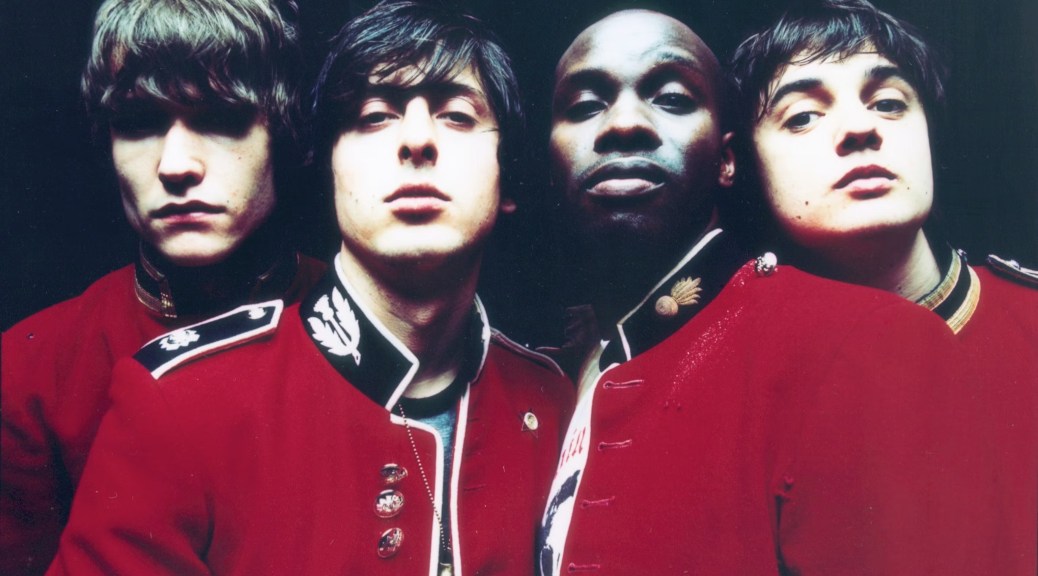
It started with a blood-curdling scream: “GEEEETTAAOUTTOFIT!” Pete Doherty’s visceral howl opens “Up The Bracket”, the lead single from The Libertines’ debut album of the same name. Released 20 years ago, on 21 October 2002, the record was an unruly, triumphant beast that revived British guitar music from its post-Britpop doldrums and gave the country an answer to the New Rock Revolution being led in the United States by The Strokes and The White Stripes. The accompanying music video made bright red military tunics an instant indie fashion staple, while a nondescript alleyway in Bethnal Green became a site of pilgrimage for dedicated fans. “That’s still going on now,” notes Carl Barât, whose volatile partnership with Doherty formed the nucleus of the band. “I think the council cover over [the graffiti] every year, but it keeps coming back. What a funny time that was. The video concept was, ‘We’ll bring the cameras round and leap around the house pretending to play guitars.’ Halcyon days!”

Barât is sat in the bar at The Libertines’ hotel and studio The Albion Rooms in Margate, sipping from a mug of tea. On “Death of the Stairs”, Up The Bracket’s second track – and still his favourite – he once sang: “Don’t bang on about yesterday, I wouldn’t know about that anyway”. Today, though, he’s in the mood to reminisce about Up The Bracket, which remains The Libertines’ finest half-hour. Marrying urgent, garage-rock guitar riffs with the idiosyncratic lyrical wit of The Kinks and The Jam, the record was delightfully ramshackle and boisterous, the sound of a band giddy on youthful rebellion. Their songs about drinkers, smokers and “good-time girls” gripped the cultural zeitgeist, cigarette in hand, and were full of endlessly quotable lines. Take “Time For Heroes”, on which Doherty observes that there are “few more distressing sights than that / Of an Englishman in a baseball cap”. Twenty years on, it still draws a wry smile of recognition.

The story of Up The Bracket began half a decade before its release. In the mid-Nineties, Barât heard about Doherty before he met him. While he was a drama student at Brunel University, he lived in student halls in Richmond and became close friends with Doherty’s sister Amy-Jo. “She kept saying how much he admired me and couldn’t wait to meet me,” recalls Barât. “I was expecting this little introvert, I didn’t expect him to be six foot three! I met this really enormous, towering, argumentative kid. We ended up bickering and sniping at each other, which obviously became a lifelong, beautiful friendship.” Their friendship, and their rivalry, was sealed at that first meeting when Barât said he had to go to an audition. “Pete said, ‘I’ll come with you’, then he auditioned and got the f***ing part!” says Barât with a laugh. “Then he announced that he didn’t go to the university, and everyone was roundly disappointed. Except me.”

Continue reading at The Independent

George Saunders: ‘This capitalism thing has got limits’

In 2017, George Saunders had a dream. The author – named “the best short-story writer in English” by Time – had just published his first novel, Lincoln in the Bardo, a profound and beautiful work about Abraham Lincoln’s grief over the death of his son Willie in 1862, unconventionally told by a chorus of spectral voices. It was to prove a Booker Prize-winning, internationally bestselling hit, but, for Saunders, there was one problem: he had no idea what to write next. “This is going well,” he remembers thinking. “Now I’ll f*** it up.” One night the answer came to him as he slept: a fully realised vision of his next major project. Rolling over, he scrawled down the title on his bedside table before peacefully returning to contented sleep. “When I woke up, it said: Custer in the Bardo,” recalls Saunders, chuckling ruefully. “I thought wait a minute, you can’t do that!”

The idea of doing a straightforward sequel featuring the famously doomed US cavalry commander General George Custer was hardly likely to tempt Saunders. A writer known as much for his formal inventiveness as the sharpness of his satirical wit, Saunders rarely repeats himself. His stories, such as 2010’s “Escape From Spiderhead”, which was recently adapted into the sci-fi thriller Spiderhead, build idiosyncratic worlds which take time to reveal their true nature. Still, the idea of writing about Custer stayed with him. He’s long been fascinated by the popular mythology that surrounds Custer’s Last Stand at the Battle of the Little Bighorn in 1876, where US troops were comprehensively defeated by the combined forces of Lakota Sioux, Northern Cheyenne and Arapaho Native Americans. Custer has become an evocative historical figure, despite the fact that he and his men were, as Saunders puts it, “slaughtered basically from inefficiency, disorganisation and hubris”.

For a time, “Custer” was also Saunders’ nickname. In the late Eighties, the author was studying for his master’s in creative writing at Syracuse University in New York, where he now teaches. Back then, a poetry teacher took to calling him by the name of the ill-fated general on account of his “long, mullet-ish haircut”, a look which set him apart from his Ivy League peers. When we meet for coffee on a blisteringly hot day in Santa Monica, I can still see the resemblance. Saunders is a youthful 63, with a neat chestnut beard and a black Chicago White Sox baseball cap in place of Custer’s wide-brimmed felt hat. He describes his writing process with the warmth and enthusiasm of a beginner. “I thought it would be fun to try and do something like the Lincoln book, where you present the whole day [of the battle],” says Saunders, “But if you already know what you want it to be like, it’s boring. You have to be open to the surprise.”

Continue reading at The Independent

Shantaram: The incredible true story behind the outlaw epic

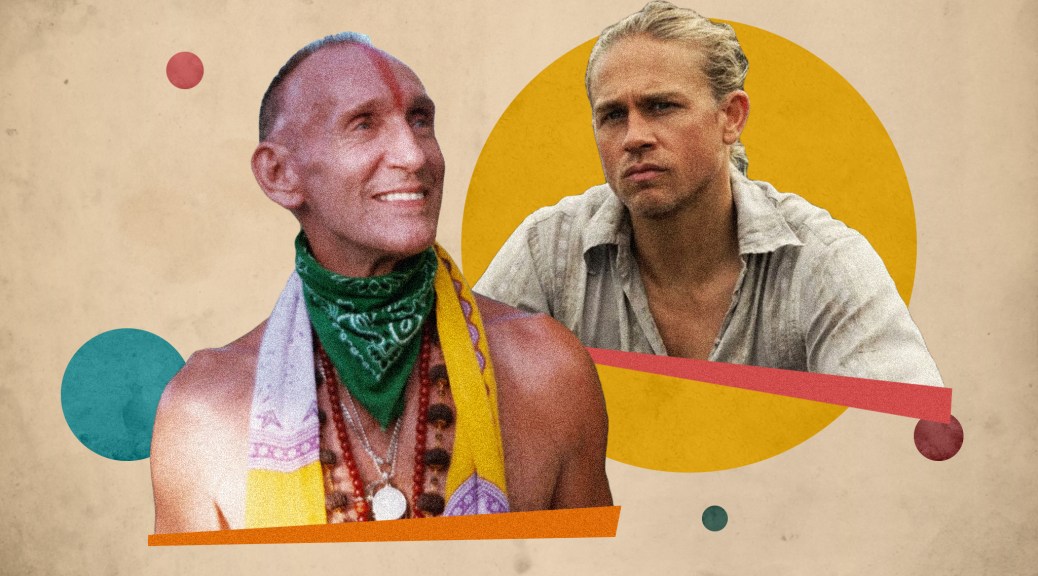
In the opening moments of the new Apple+ series Shantaram, Charlie Hunnam breaks out of prison the fast way. Not for him chipping away at a dank tunnel for 17 years like Tim Robbins in The Shawshank Redemption. He’s over the front wall and away before the guards in the machine gun towers even turn their heads. It’s an audacious, brazen escape, and at one o’clock on a July afternoon in 1980, it’s exactly how convicted bank robber Gregory David Roberts broke out of Melbourne’s Pentridge Prison. “If you’re planning an escape, you look for the place that’s least protected,” explains Roberts, now 70, at home in Jamaica. “They thought no one would be crazy enough to escape over the front wall.”

Today, Roberts looks more like a blissed-out holy man than either a bank robber or the bestselling author he became when Shantaram,an epic 936-page novel based on his own life, was published in 2003. It went on to sell more than 7 million copies worldwide. Greeting me topless except for a bright yellow and green scarf slung loosely around his neck, he still seems spry enough to scale a prison wall if it really came down to it. His hair is cropped short; the bright red streak of a tilaka splits his forehead in two. The Hindu marking, symbolising a spiritual third eye, goes well with his beatific smile.

It’s hard to overstate the transformative impact India had on Roberts as a young fugitive. He arrived in Mumbai, then called Bombay, on a forged passport shortly after his daring prison escape. He expected to stay for two days before travelling on to Germany. In the end, he was there for eight years, living for 18 months in the slums and establishing a medical clinic before finding himself drawn inexorably into the treacherous world of organised crime. Shantaram is a savage journey into the Indian underworld, but it’s a spiritual quest for redemption too. “That’s a reflection of the life I was in,” explains Roberts. “While I was committing crimes with a branch of the South Bombay mafia, I found that gangsters are very superstitious. They’d say to me, ‘I just met this holy man up in the hills and he gave me an amulet to protect me from bullets’. I’d get on my bike and go and find these different holy people, bring them hash and fruit, and from each one gain some little insight.”

Continue reading at The Independent

Angela Lansbury: Enduring appeal of Murder, She Wrote star was no mystery

The sad news of the death of Angela Lansbury, just a few days shy of her 97th birthday, brought to an end one of the longest and most storied careers in Hollywood history. While she will perhaps be best remembered for the 265 episodes (and four feature-length movies) she spent playing best-selling mystery writer Jessica Fletcher in Murder, She Wrote, a stint that earned her a place in the Guinness Book of World Records as the “most prolific amateur sleuth”, Lansbury packed her eight decades on stage and screen with a host of memorable roles. To each of them, she brought a whimsical humour and gentle warmth which could sometimes mask her deceptively sharp wit.

Born on 16 October 1925 in Regent’s Park, London, Lansbury left Britain with her family after the onset of the blitz in 1940. Her mother, the Belfast-born actor Moyna Macgill, moved Lansbury and her brothers Bruce and Edgar to New York, and then to Los Angeles. Her father, also named Edgar, was a British communist who had been Mayor of Poplar before his death from stomach cancer in 1935. While Lansbury’s time at school was cut short by the war, she would later say that her real education began when she signed a seven-year contract with MGM in 1944 at just 17.

She made her screen debut that same year, appearing opposite Ingrid Bergman and Charles Boyer in Gaslight. The film was a hit and went on to introduce the phrase “gaslighting” to the popular vernacular as a term for the sort of malicious manipulation depicted. Lansbury was perfectly cast as the conniving cockney maid Nancy Oliver, and earned an Oscar nomination for Best Supporting Actress at her first attempt.

Continue reading at The Independent

What I learnt about Arctic Monkeys by getting kicked in the head

Since he was thrust into the limelight at 20, Alex Turner has cast himself as a writer, not a fighter. Onstage the Arctic Monkeys singer may play the swaggering frontman, but off it he has the bookish air that comes with quoting John Cooper Clarke poems, extolling the virtues of Leonard Cohen and Scott Walker and dreaming up concept records about interstellar ennui.

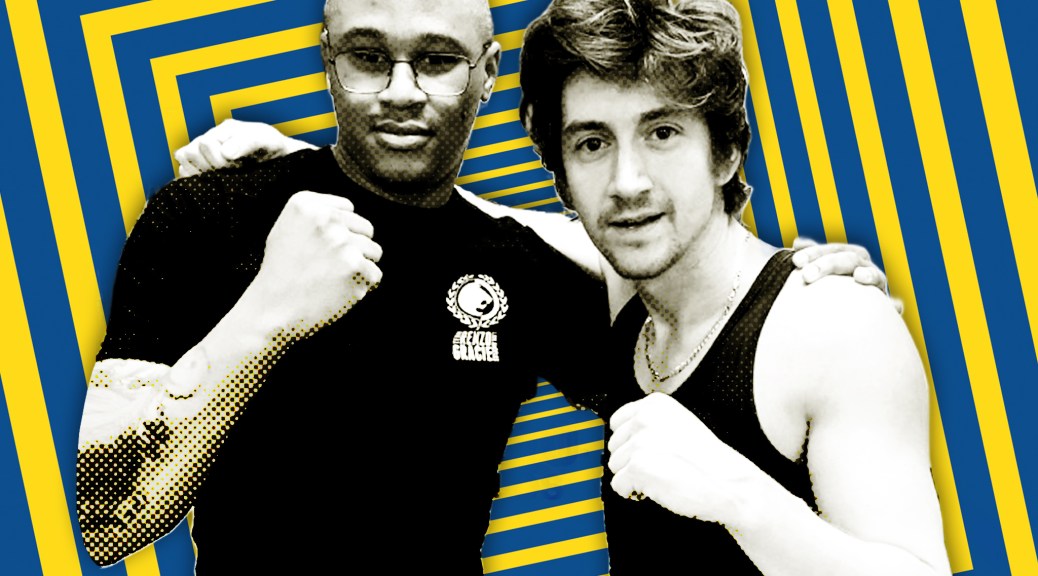
It’s an image that suits the finest lyricist of his generation, but one that’s hard to square with a devotion to Muay Thai, the intense Thai kick-boxing style known as “the art of eight limbs”. In August, shortly before announcing the imminent release of seventh Arctic Monkeys album The Car, Turner told French paper L’Equipe he’d been practising the combat sport for more than a decade. “I discovered this discipline about 12 years ago, when I was in a nightclub in New York,” Turner said of Muay Thai, which is similar to Brazilian jiu-jitsu or MMA (mixed martial arts). “I was talking to a security guard from the north of England and he encouraged me to train with him. I really enjoy it; it’s good for your body and your head. During the sessions you don’t think about anything else.”

Turner is far from the only celebrity figure to fling himself into the ring. Venom actor Tom Hardy recently won three jiu-jitsu tournaments in the space of a month, while the late chef and travel show host Anthony Bourdain was also a regular competitor. In the L’Equipe interview, Turner played down the likelihood of him ever following Hardy’s Action Man-esque lead. “I have to be honest,” said Turner. “I will never have the level to fight one day in a cage like a UFC fighter.”

Still, even if he has no plans to challenge Conor McGregor to a dust-up there’s clearly something about Muay Thai that has helped Turner stay fighting fit. The singer and I are around the same age, yet the only forms of exercise I’ve ever excelled at have been hiking to and from the pub and crawling in and out of bed, often several times a day. Like many writers, my life has involved a lot more Mai Tais than Muay Thai. I struggle to think of much that appeals less than voluntarily getting kicked in the head by a stranger, yet I can’t help but wonder if this lack of discipline is the reason I’m yet to appear alongside Turner on the Sunday Times Rich List. Maybe there is something of value to be learned in the ring.

Continue reading at The Independent

Gabriels: ‘The stuff that people would say about me on the internet they could never say now’

As their name suggests, Gabriels are blessed with the voice of an angel. It belongs to Jacob Lusk, a 35-year-old gospel singer with the power to break your heart with a mere vocal quiver. On Angels & Queens, the LA-based trio’s forthcoming debut album, he channels Nina Simone and Billie Holiday as he wrings every drop of emotion from the group’s songs of love and loss. Numbered among their ever-growing army of fans is Elton John, who called last year’s EP Love and Hate in a Different Time “one of the most seminal records I’ve heard in the last 10 years”.

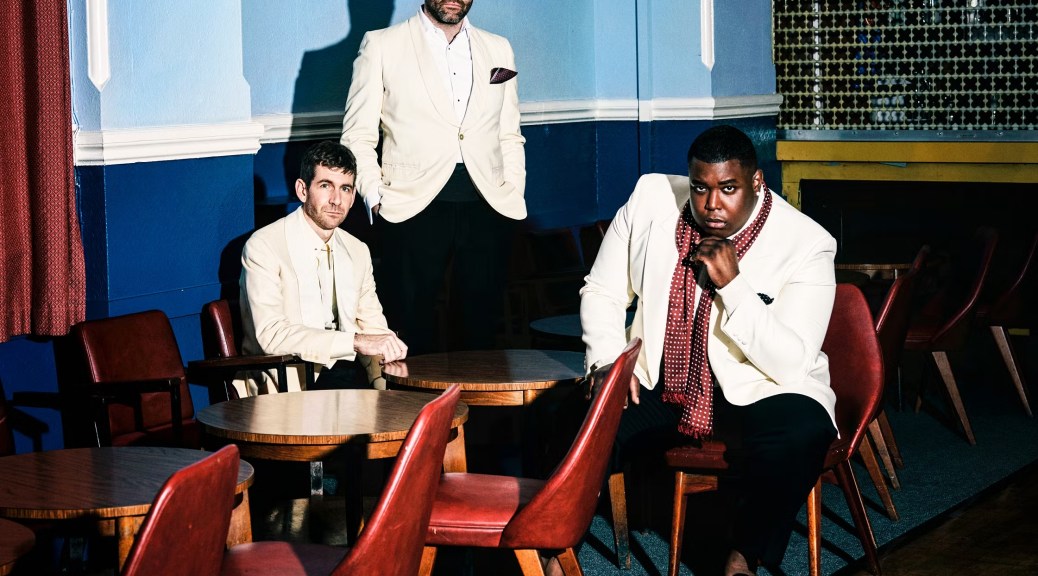
Lusk’s soaring vocals provide the perfect complement for the rich blend of electronics and orchestration created by his bandmates, British producer Ryan Hope and Armenian-American instrumentalist Ari Balouzian. The three have been close since meeting in 2015 – a fact which they still find surprising. “We’re very different,” says Lusk, when we meet at a restaurant near his home in downtown Los Angeles. He wears YSL glasses and a Dodgers baseball jersey with the logo picked out in sequins. It’s a wardrobe choice Elton would surely approve of. “I’m this chubby Black guy from Compton, Ryan’s from Sunderland and Ari’s a classically trained musician who grew up in Glendale,” he says. “We’re three very different people with very different personalities, but there are more things that make us alike than make us different. When we write, we find that common thread. Then the songs just come.”

Lusk had already been honing his voice for decades when he first met Hope and Balouzian. He was singing in a choir while still at nursery school, although attending Bishop Carl Stewart’s Emmanuel Temple church proved intimidating for a child with dreams of singing gospel. “Our pastor’s sons were famous musicians so the best musicians and the best singers in the world came through,” he remembers. Rapture Stewart was Grammy-nominated for his work on Aaliyah’s “Rock The Boat”, while his brother Nisan is one of hip-hop’s most sought-after drummers after working with the likes of Missy Elliott, Sean “P Diddy” Combs and Timbaland. In comparison, the young Lusk was still a beginner. “When I was a kid it was kind of like, ‘He’s OK, he’s not all that!’ I didn’t really know how to use my instrument.”

Continue reading at The Independent

The inside story of Dr John’s ‘Things Happen That Way’, the album he always wanted to make

When Dr John first emerged in the late Sixties, it was as if a voodoo priest had risen up from the Louisiana swamps and immediately landed a record deal. It was an image the New Orleans-born singer-songwriter played up to, dressing like a medicine man in an elaborate feather headdress and performing with skulls and candles strewn around his piano. His real name was Mac Rebennack, and he was a 26-year-old session pianist for Sonny and Cher when he recorded his mind-bending 1968 debut album Gris-Gris, a bubbling gumbo of lysergic grooves, ritualistic percussion and growled incantations.

Rebennack embraced his shamanic character over the course of his half-century solo career, which took him to a host of unexpected places. He appeared alongside The Band during their farewell concert film The Last Waltz in 1976 and crooned the theme to Disney’s bayou-set The Princess and the Frog in 2009. Rich and intoxicating, his music was drenched in the many influences of his hometown, incorporating blues, jazz, funk and R&B. Towards the end of his life, though, he came to feel there was a piece of the puzzle missing. In the years before his death from a heart attack on 6 June 2019, at the age of 77, Rebennack set out to fulfil a lifelong dream by recording a country and western album. Titled Things Happen That Way, it will finally be released this Friday, following a long and troubled gestation period.

“He talked about it for years,” says Shane Theriot, a session guitarist and Grammy Award-winning producer who worked on the record. A fellow Louisiana native, Theriot – who is also the musical director for Hall & Oates – first met Rebennack in the 1990s. The producer was then in his twenties. “A lot of his friends that knew him way before I did said Mac always talked about making a country and western album,” he tells me over lunch in an LA diner. “He loved Hank Williams. He loved Johnny Cash.” After hearing Rebennack discuss this long-held ambition, Theriot volunteered to help turn it into a reality. In October 2017, the pair started meeting regularly at the producer’s New Orleans home to begin choosing covers and writing original material.

Continue reading at The Independent

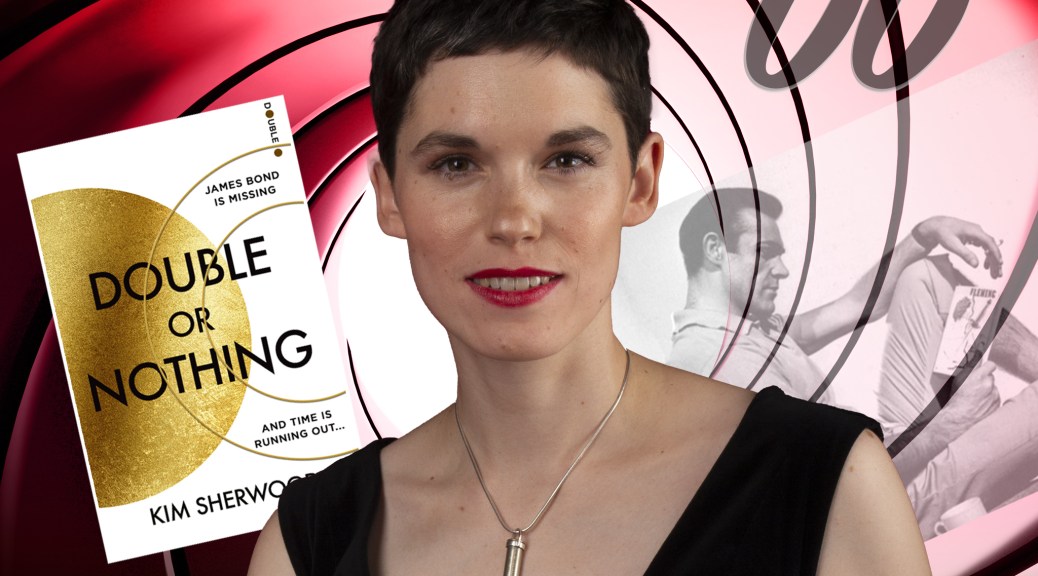
‘Speculating about Bond is a national hobby’: Why 007’s fate is now in Kim Sherwood’s hands

Kim Sherwood wouldn’t make a very good spy. While working on Double or Nothing – the first in a new trilogy of thrillers the 33-year-old novelist is writing under the watchful eye of James Bond creator Ian Fleming’s estate – she was sent to test drive the Alpine A110 S. It’s a suitably luxurious sports car of the type Bond tends to prefer; the only hitch was that Sherwood doesn’t have a licence to drive, never mind a licence to kill. She was also under strict instructions not to reveal to Alpine employees why she was there.

Weaving through the cobbled streets of Edinburgh, the racing-car driver behind the wheel wondered aloud why Sherwood was scribbling down so many notes. “I told him I was writing a book about cars,” she remembers, speaking on a video call from her home in Bath. “It seemed like the easiest thing to say, but then he turned to me and said: ‘But you can’t drive?’” She laughs. Busted. “That’s true,” she stammered back. “It’s a very limited book.”

While Sherwood might not be the writer you’d want working on an encyclopaedia of automobiles, she was exactly who the Fleming family were looking for to solve their modern-day quandary: how does Bond fit into the world in 2022? After last year’s No Time to Die gave the Daniel Craig era of films a resoundingly final chapter, rumours have abounded about what the future might hold for the much-loved character. Would producers change 007’s ethnicity or gender? Maybe not. The latest gossip out of Pinewood suggests that the next onscreen Bond will simply be “younger and taller” than Craig’s version.

In Double or Nothing, Sherwood presents her own novel solution to the Bond question: get rid of him. At the outset of the book, 007 is missing, presumed kidnapped by a nefarious private military company known as Rattenfänger. In the aftermath of Bond’s disappearance, we follow his 00 colleagues at MI6 as they scour the globe.

Continue reading at The Independent

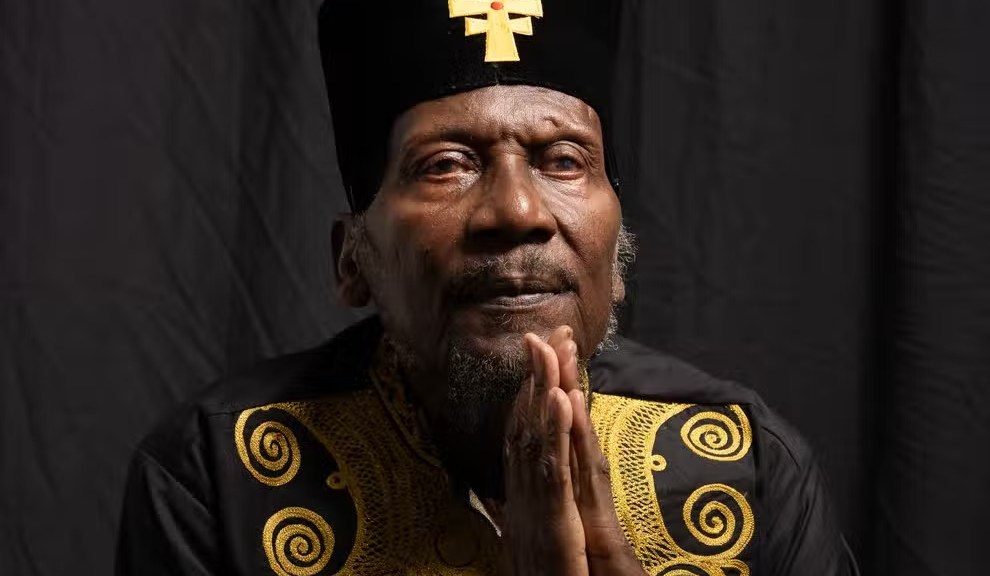
Jimmy Cliff: ‘I’m still chasing that Oscar!’

In 1970, Jimmy Cliff found himself at a crossroads. At the age of 26, the Jamaican singer-songwriter was already one of the pioneers and rising stars of reggae, having enjoyed top 10 hits in the UK with his joyous hymn to unity “Wonderful World, Beautiful People” and a spine-tingling cover of Cat Stevens’ “Wild World”. He was in London, preparing for an extensive tour, when he received an offer to star in a low-budget movie back home. “I said, ‘You know, I’m really glad to be here in Europe’,” recalls Cliff, now 78, his voice still rich and mellifluous as it sings down the line from his home in Miami. “It’s not wise to run all over the place and do something like that.”

Perry Henzell, the writer-director who wanted the musician for his film, flew to Britain to change Cliff’s mind. “He said one sentence to me that stopped me in my tracks,” remembers Cliff. “He said, ‘I think you’re a better actor than a singer’. I said to myself: wow! Nobody ever said that to me before, and I had always thought that! Somebody’s reading my mind! It happened like that. I cancelled the European tour that I was planning, and went to do the movie.”

The Harder They Come, back in UK cinemas this month to mark its 50th anniversary, became an instant classic when it was released on 5 September 1972. Rapturously received within Jamaica – where it was one of the first films to show the realities of life on the island and have characters speak in patois – it has also been credited with helping to introduce reggae to a global audience. The film’s indelible soundtrack brims with classics from many of the artists who helped shape the genre, including Toots and the Maytals, Desmond Dekker and of course Cliff himself, who contributed “You Can Get it if You Really Want”, “Sitting Here in Limbo” and “Many Rivers to Cross”, as well as the unforgettable title track.

Continue reading at The Independent

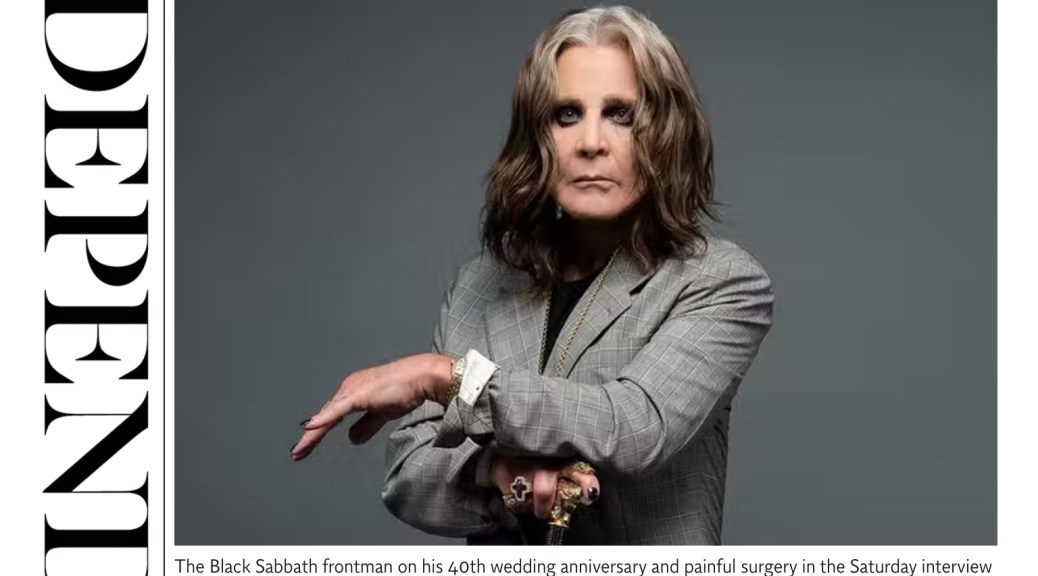
Ozzy Osbourne: ‘I will get back on stage if it fucking kills me’

Ozzy Osbourne is at home in Los Angeles, contemplating the passage of time. When he first came to this city to record, he was a wide-eyed, golden-voiced Brummie lad of 23, with a passion for fringed stagewear and as many cereal boxes full of cocaine as he could lay his nostrils on. The year was 1972, and heavy metal pioneers Black Sabbath were in sun-kissed California making their stone-cold classic Vol 4. When it was done, their hell-raising frontman flew back to England and celebrated by swallowing 10 tabs of LSD. “We used to take it all the fucking time,” he recalls, that Aston accent still clear as a ringing bell. Osbourne wandered into a field and spent an hour talking to a horse before it turned round and told him to “fuck off”. He’s a little hazy on the rest of the details. “I’m sorry,” he says, impishly. “You’ll have to ask the horse.”

Fifty years on, Osbourne is once again plotting a return to England with an explosive new album tucked under his arm. On the eve of his 13th solo record, Patient Number 9, Osbourne and his wife Sharon have put their stately mansion in LA’s leafy Hancock Park up for sale for $18m (£15.5m). After two decades here they’ve decided to go back to their Grade II-listed Buckinghamshire estate, Welders House. It’s time for a change. These days Osbourne walks with the aid of a black cane, and the only pure white lines are the roots near his centre-parting. There’ll be no high-powered psychedelics for tea this time. “I’ve missed going to the cake shop in Beaconsfield,” says Osbourne, infectiously enthusiastic about the move. “It’s still England. It’s lovely. I’ve missed British people. I’m not American and I want to come home, you know?”

The 73-year-old is in fine form, sharp and witty despite various physical ailments. In June, Osbourne underwent “life-altering” surgery to deal with neck injuries he first sustained in a 2003 quad-biking accident, which were exacerbated by a fall in 2019. That same year he was diagnosed with Parkinson’s disease, and more recently he’s survived a tussle with Covid. Today, though, he’s enjoying that just-home-from-holiday bounce. He’s been in Hawaii with Sharon, celebrating their 40th wedding anniversary. “I feel great today,” he says. “Maybe it’s because I’m back off holiday and I’m not spending any more money.” He bought his wife a ruby necklace for the occasion; she got him a ruby-encrusted skull ring. What’s the secret of their long-lasting marriage? “Love, I suppose,” says Osbourne. “If it wasn’t for Sharon, I’d be dead. I was doing fucking huge amounts of drugs and booze. I never stopped. People wouldn’t know if I was gonna go through the door, the roof or the window. Now I don’t drink or smoke or fucking do any of that shit. I’m fucking boring!”

Continue reading at The Independent

Pizza Hut, luxury luggage and Spitting Image: How Mikhail Gorbachev became an unlikely cultural icon

Mikhail Gorbachev walks into a Pizza Hut. The year is 1997, six years after the end of the Soviet Union, and the leader who oversaw its dissolution is in Moscow’s Red Square to star in one of the strangest television adverts ever produced. After taking a seat alongside his granddaughter Anastasia Virganskaya, Gorbachev is spotted by two men at a nearby table and a debate over his legacy ensues. “Because of him we have economic confusion!” claims a dour, middle-aged man. “Because of him we have opportunity!” fires back the younger of the pair, perhaps his son. Certainly the two are intended to represent a generational gap. While the elder complains about political instability and chaos, the younger talks of freedom and hope. It’s left to an older woman to settle the debate. “Because of him, we have many things…” she says, “…like Pizza Hut!” On that, they can all agree. The advert ends with the whole restaurant standing to chant: “Hail to Gorbachev! Hail to Gorbachev!”

Gorbachev, who has died after a “serious and long illness” at the age of 91, was not the most obvious candidate to wind up as a pizza salesman. That was sort of the point. Pizza Hut had spent the decade using high-profile figures to generate attention-grabbing advertising campaigns. In 1995, Donald Trump appeared alongside then-wife Ivana in an ad that concluded with the punchline: “Actually, you’re only entitled to half.” The following year, England defender Gareth Southgate wore a paper bag over his head in a commercial that mocked his crucial penalty miss at Euro ’96. As a former world leader and towering figure in 20th century history, however, Gorbachev was at another level entirely. Former Pizza Hut advertising executive Scott Helbing recalled that at the time Gorbachev was hired, the company “needed an idea that truly travelled across continents” for a “global campaign that would play in any country in the world.” That’s more or less what they got, although ironically one country where the advert was never shown was Russia itself.

Why did Gorbachev agree to flog pizzas? The same reason anybody does: he needed the money. After leaving office Gorbachev had started his own non-profit organisation, The Gorbachev Foundation, and before long was using his platform to become an outspoken critic of his successor as Russian leader, Boris Yeltsin. In retaliation, Yeltsin systematically removed the organisation’s means of support and reduced their office space in Moscow. Gorbachev saw the Pizza Hut money – which unconfirmed reports put in the region of $1m – as a way of protecting his beloved foundation. “At the time, I had some financial problems with my foundation so I did an advertisement for Pizza Hut,” Gorbachev told France 24 in 2007, shooting back at the idea that making adverts was beneath him. “I got the maximum, because I needed to finish the building. The workers started to leave. I needed to pay them.”

Continue reading at The Independent

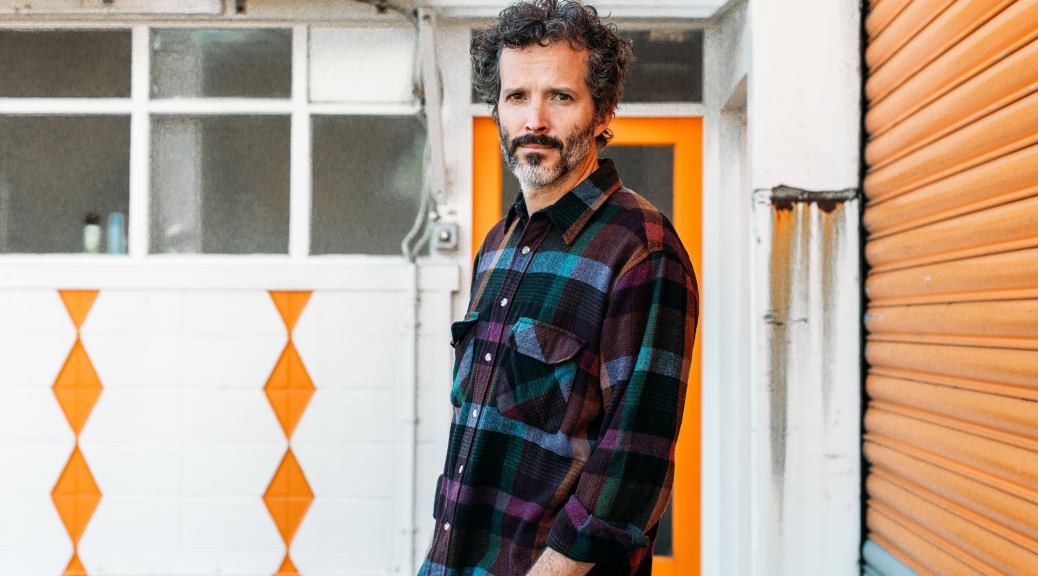
Bret McKenzie: ‘It was different writing songs that weren’t dick jokes’

Early in 2010, Bret McKenzie decided it was about time he started guitar lessons. The New Zealand-born actor and songwriter enrolled himself in a class at the Silverlake Conservatory of Music in Los Angeles, a music school founded in 2001 by Red Hot Chili Peppers bassist Flea. McKenzie’s new guitar teacher was naturally curious about what had inspired him to head back to school alongside children and beginners. He told him he had a show coming up. “He was like: ‘Oh that’s good, where are you playing?’” recalls the 46-year-old in his broad Kiwi accent. Sitting in the light and airy home studio above his garage in Wellington, he contorts his more-salt-than-pepper beard into an awkward grimace. “I was like: ‘Er, yeah… we’re playing the Hollywood Bowl.” He bursts out laughing. “Something very strange happened there.”

Such was the unstoppable rise of Flight of the Conchords, the two-man group McKenzie formed in 1998 with musical partner Jemaine Clement. Sardonically billed as “New Zealand’s fourth most popular guitar-based digi-bongo acapella-rap-funk-comedy folk duo”, the pair made a name for themselves on the stand-up circuit before earning global acclaim with a wildly popular HBO sitcom that ran from 2007 to 2009. The series spawned a Grammy-winning album and infectiously catchy viral hits like “The Most Beautiful Girl (in the Room)” and “Hiphopopotamus vs Rhymenoceros”.

Soon the pair were performing to thousands at venues such as London’s massive O2 Arena, where their lack of technical proficiency proved to be part of the charm. “We probably wouldn’t have been a comedy band if we’d been able to play our guitars better,” says McKenzie, who remembers realising at a one-off show with a top-class backing group that a more accomplished performance made the songs less funny. “We were aspiring to be a band, but there was something about the failure of our aspirations that was really the heart of a lot of the comedy.”

Continue reading at The Independent

Loudon Wainwright III: ‘The good news is, think of all the cool people that have died!’

Loudon Wainwright III is letting me in on the realities of life at 75. “Just the other night I was moaning and groaning about my orthopaedic problems, my bad back and my hip which is probably going to be replaced,” he says, a subtle smile playing at the corners of his mouth. We’re speaking via video call from his home on Long Island. Over his left shoulder, an antique map sketches an aerial view of his surroundings in Suffolk County, the easternmost tip of New York state. “I was doing what we call the ‘organ recital’,” he says. “How many times I have to pee in the middle of the night, and all that.”

Pondering this irrefutable evidence of physical deterioration, Wainwright turned to his partner Susan Morrison, an editor at the New Yorker, and came up with some words of reassurance. “I found myself saying: ‘The good news is, think of all the cool people that have died!’” he says, a toothy grin finally breaking across his clean-shaven jaw. “If you think about it, Muhammad Ali is dead! Wow! William Shakespeare is dead. Katharine Hepburn is dead. It’s a pretty cool club!’” He pauses for a moment, spotting a flaw in his reasoning. “Adolf Hitler is dead too, but we’re gonna kick him out of the club.”

Wainwright has spent his life getting older and writing songs about it. He points out that the first words on his first record, 1970’s Loudon Wainwright III, were: “In Delaware, when I was younger…”. “Ageing and mortality,” he says, “Has always been in my wheelhouse.” Even so, turning 75 last September represented a significant milestone for Wainwright. It meant he’d outlived both his parents. His beloved mother Martha was 74 when she died in 1997. His father, the Life magazine writer Loudon Wainwright Jr, died of cancer nearly a decade earlier. Wainwright sings about them both on “How Old is 75?”, the wry penultimate song on new record Lifetime Achievement. “Mom made it to 74, though we all thought she’d get a bit more,” he croons over a rickety banjo. “My daddy kicked at 62 / Way too young, but then what can you do?”

One thing Wainwright did was write and perform a one-man-show about his father. Surviving Twin, filmed as a Netflix special in 2018, combined Wainwright’s own songs with spoken-word performances of his father’s columns, including his gorgeous 1971 obituary for John Henry, the family dog. “He was a terrific, terrific writer,” says Wainwright. “To have done that show and shared his work with people was really very rewarding.” He can see the similarities in the sort of writing they each produce. “He was a little straighter than I am,” he says. “He grew up in a different generation, but I think my father was confessional and he was also very concerned with his parents and his kids. He wrote about it in maybe a more conservative way than I do, but he was a very classy, stylish writer and at the bottom of his writing, the emotion is there.”

Wainwright has outlasted his progenitors and entered what he calls “chronologically my last years”, so it’s no surprise that his thoughts on the new record turn to weighing up his accomplishments. What is it, exactly, that he’s achieved with his lifetime? He tots it up on the album’s title track. “I mean, I won a Grammy whenever that was,” he says (2010, Best Traditional Folk Album for High Wide & Handsome: The Charlie Poole Project).“And I picked up a BBC [Radio 2 Folk Awards] Lifetime Achievement Award a few years back, but the hardware doesn’t really count. It always comes back to… What have you done with other people, your family and your loved ones?”

Continue reading at The Independent
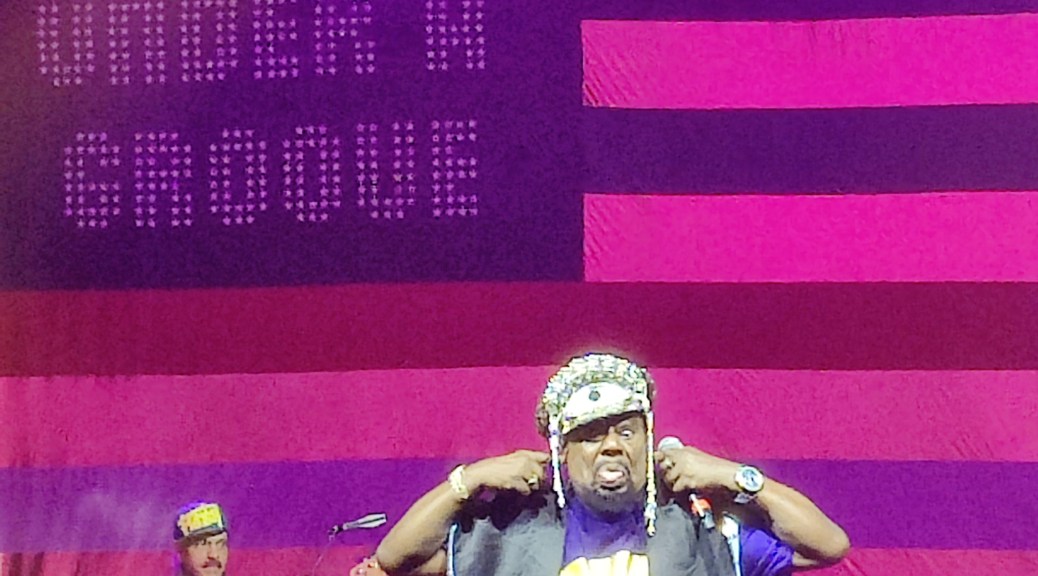
George Clinton bids a fabulous farewell to Parliament-Funkadelic

Dr Funkenstein has no shoes. Onstage at the YouTube Theater in Inglewood, Los Angeles, 81-year-old funk trailblazer George Clinton looks so comfortable strolling around in bare feet that he could be in his living room at home. The rest of his outfit is considerably less understated: a sea captain’s hat covered in pearls and bedazzled robes give him the appearance of a human glitter ball, which isn’t entirely inaccurate.

It’s now 66 years since Clinton formed doo-wop group The Parliaments in the back room of a barber shop in Plainfield, New Jersey. After a spell as a staff songwriter for Motown in the Sixties, Clinton went on to give the sound of funk a revolutionary, acid-drenched makeover in the Seventies with his twin groups Parliament and Funkadelic. Incorporating psychedelic jazz, Detroit punk and Jimi Hendrix-style guitar pyrotechnics, Clinton’s brand of P-Funk produced a string of huge hits that continue to be heavily sampled by pop and hip-hop producers to this day. Meanwhile, his bands’ theatrical, science fiction-influenced live shows became the stuff of legend. The P-Funk Mothership, a UFO stage prop used in stadium concerts during the Seventies, is now preserved for posterity at Washington DC’s Smithsonian National Museum of African American History and Culture.

There may not be a shiny metallic spaceship on stage with him on this farewell tour, but Clinton still takes evident delight in delivering the unexpected. He first appears onstage well before his bands do, sneaking out to surprise support act Blu Eye Extinction’s soprano and keyboardist Constance Hauman. When Clinton next appears, his eight-piece backing band are in full swing and he’s leading out an equal number of backing singers like a P-Funk Pied Piper. This vast, sprawling band produces a kind of chaos onstage: musicians switch instruments with casual insouciance, while at times there literally don’t seem to be enough working microphones to pass around all the vocalists.

The maelstrom of music that flows forth from this collective is thrilling, and the audience is soon up on its feet doing their best to raise the roof of the 6,000-seater venue. Clinton himself is sometimes overwhelmed by it all, taking moments to sit and spin on a short black office chair placed at centre stage, but his broad grin of pride and delight remains a constant.

Continue reading at The Independent

Pussy Riot’s Nadya Tolokonnikova: ‘There is no such thing as reverse sexism – meninists can fuck off’

Sarah Silverman is onstage at the historic El Rey Theatre in Los Angeles, a bright white balaclava pulled unevenly over her head. It squashes her nose across her face, as if she’s doing an impression of a Picasso. “I put it on hastily,” jokes the comedian, but her introduction for the night’s headline act is as sincere as it gets. “They fight for you. They’ve done time. They’re true to their word. They’re not afraid of anyone,” Silverman proclaims. “They are Pussy Riot!”

With those words, 32-year-old musician and activist Nadya Tolokonnikova struts out into the limelight. She’s dressed in vintage lingerie, ripped fishnets and vertiginous knee-high pink boots. Over the next hour and a half, flanked by a pair of balaclava-clad backing dancers, she sings from the mosh pit, cracks a bullwhip and twerks with New Orleans bounce music legend Big Freedia. To begin, she asks simply: “Are you ready to riot?”

What a difference a decade makes. Ten years ago, on 17 August 2012, Tolokonnikova was one of three members of the radical feminist performance art collective Pussy Riot sentenced to spend two years in a remote penal colony. Their crime had been to protest Vladimir Putin’s return to the Russian presidency by walking into Moscow’s Cathedral of Christ the Saviour and dancing around the altar to the strains of their “punk prayer”, a cacophonous song titled “Mother of God Drive Putin Away”.

The trial made headlines around the world, earning the trio the support of Madonna, Björk and Paul McCartney. But global attention did nothing to improve the conditions they were subjected to. In September 2013, Tolokonnikova was hospitalised after five days on a hunger strike in protest at human rights violations at the penal colony in Mordovia. The following year, shortly after her release, Tolokonnikova went to the Winter Olympics in Sochi to once again perform a Pussy Riot punk protest anthem: “Putin Will Teach You to Love the Motherland”. For their trouble, the group were attacked by Cossack militia and beaten with horsewhips.

Clearly, Tolokonnikova, who has continued to speak out against Putin ever since, is made of unbreakable stuff, but there’s a lighter side to her too. When we speak over video call shortly before the show at the El Rey, she’s relaxing at home with a lithe black cat named Ovchuk. With a laugh, she points out that Pussy Riot never intended to become known as a punk band. “We chose punk rock for the first songs just because we thought it was funny,” she says. “I’ve never played the guitar, and none of the core Pussy Riot members ever played any punk rock instruments. I like punk culture, and the punk ethos, but I don’t really listen to punk music that much.” For Tolokonnikova, punk is more about a rebellious attitude than a particular sound. “I’m going to be crucified by so many punks now,” she says. “But if you think you’re a punk just because you’re repeating something that people did in the Seventies, then I’m sorry to tell you, you’re not a punk. You’re a clone.”

Continue reading at The Independent

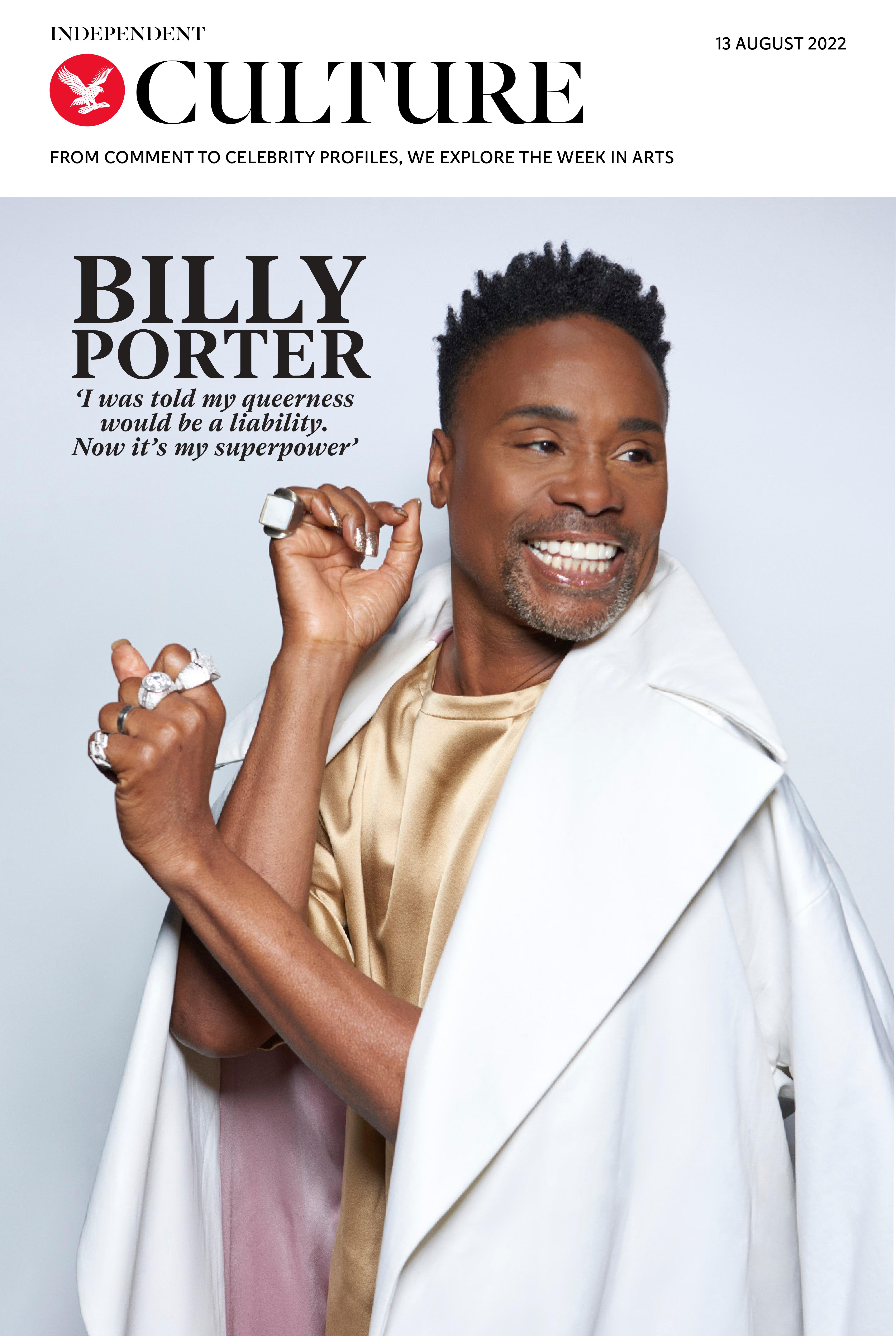
Billy Porter: ‘I was told my queerness would be a liability. Now it’s my superpower’

Billy Porter is about to recite his mantra. Sitting in his light-filled New York apartment, with a slice of Manhattan skyline visible in silhouette through the blinds, the 52-year-old Emmy, Grammy and Tony-winning actor and singer is relatively dressed down, especially if you’re used to picturing him bejewelled and bewinged in his red carpet finery. He famously wore golden wings and a headdress to the Met Gala in 2019, embracing and embodying the theme of “Camp”, while for the 2021 Emmys his wings were black and ruffled. Today it’s just a loose, colourful smock and thick black glasses. Long braids cascade over his right shoulder and there are flecks of distinguished grey in his neat goatee. “I have a mantra,” he reveals. “I do not now, nor will I ever, adjudicate my life or humanity in soundbites on social media.” He says it with Shakespearian gravity, his chin tilted upwards, enunciating every word as if he were projecting his voice over the breadth of Broadway. He then mimes mindlessly thumbing his phone. “I will go on and waste time and scroll,” he says. “I do do that, but if negativity starts to show up I have the discipline to put it down. I just don’t engage with it.”

Porter has had good reason to ponder the many ways the internet has reshaped social interaction, and not just because of his 2.2 million followers on Instagram alone. After two decades directing for the stage in New York he’s just helmed his first feature film, Anything’s Possible. A sweet-natured contemporary coming-of-age tale, it made history as the first major studio romcom to feature a Black trans protagonist. In the film, Kelsa – played endearingly by newcomer Eva Reign – documents her transition on YouTube, while dreamy beau Khal (Abubakr Ali) writes unusually sensitive posts on Reddit. Their experiences online are both specific and to some degree universal, as Porter weighs the worrying dangers of viral overexposure against the promise of finding genuine connection through the screen.

“It’s so weird to me, because it’s real and not real at the same time,” says Porter. “In my day, the bullies were alive, in my face, and they beat my ass in real time. I don’t understand cyberbullying, because I lived before there was a cyberanything. There’s a whole generation where this is all they know, and I have to say, it breaks my heart a little bit. We as a society and a culture, all around the world, have yet to understand the balance of it. It’s still the Wild West right now.”

Making Anything’s Possible took Porter back to school in a very literal sense. He shot much of the film at his alma mater, Pittsburgh Creative and Performing Arts School, as well as at scenic locations around his hometown, including the lushly beautiful Phipps Conservatory and Botanical Gardens and the Andy Warhol Museum. “I wanted to create a love letter to the city that raised me,” says Porter. “While I suffered a lot of trauma there, there were also a lot of angels in my life that made sure that I could be set up for success in this world.”

Continue reading at The Independent

Philip Larkin at 100: Why the morbid curmudgeon still belongs in schools

A few years ago, for a birthday treat, I went to Hull. I wanted to walk The Larkin Trail, a tour of various workaday locations that held some significance to the poet Philip Larkin. It took me to the Brynmor Jones Library at the University of Hull, where he was librarian for 30 years, and the nearby house on Newland Park where he lived until his death in 1985 at the age of 63. The trail ended a bus ride away in the village of Cottingham, at the Municipal Cemetery on Eppleworth Road. By the time I arrived the gates were locked, which is how I found myself scrambling over a low stone wall, drenched to the skin by the pouring Yorkshire rain, looking for a poet’s tombstone.

To me, Larkin is a writer worthy of sodden pilgrimage. Like generations of British school kids, I first read his poems in GCSE English class. I fell in love with “An Arundel Tomb” not because of its famous final words, “What will survive of us is love”, but for the morbid way he moderates that epigrammatic thought in the preceding lines, “to prove / Our almost-instinct almost true…” On his original manuscript draft, Larkin scrawled a cynical rejoinder to himself: “Love isn’t stronger than death just because statues hold hands for 600 years”.

Larkin wrote about mortality more plainly and clear-sightedly than any writer I’ve ever read. The finest example is “Aubade”, Larkin’s great poem about, “The sure extinction that we travel to / and shall be lost in always.” Completed in 1977, shortly after the death of his beloved mother and occasional muse Eva, “Aubade” was first published in the Times Literary Supplement that December.

At the time, the poet Andrew Motion was also working at the university. “I remember seeing Philip a few weeks later, when the spring term began back at Hull, and saying that he’d ruined my Christmas for me in the best possible way!” Motion tells me from his book-lined office in Baltimore. “He was beaming. It’s a strange poem, though, in some respects. Even though that fear of death and the squaring up to it is absolutely central to his bones from the get-go, it’s so much less adorned. That gloomy iambic beat is similar to things that we’ve seen in earlier poems by him, but it’s also out there on its own as a candid statement of fearfulness.”

Continue reading at The Independent

John Fogerty stakes his claim to the title of Great American Songwriter

It’s hard to overstate the esteem in which California’s own Southern rock giants Creedence Clearwater Revival are held by a new generation of musicians. “I read something on Twitter not long ago about how The Beatles didn’t really even compare to Creedence Clearwater Revival and, you know, in a way they really don’t,” 32-year-old Kentucky songwriter Ian Noe recently told The Independent. “The Beatles didn’t have an ‘Up Around The Bend’. They didn’t have a ‘Bad Moon Rising’. It’s a whole different kind of thing, and they did that, most of the time, in less than three minutes.”

It’s a big claim, but one that Creedence frontman John Fogerty set out to prove in delirious fashion on Saturday night (30 July) at the Hollywood Bowl. Fogerty has kept the band’s flame alive ever since splitting acrimoniously with original members bassist Stu Cook and drummer Doug Clifford in 1972. Not one to waste time noodling around with new material, Fogerty delights fans by packing his solo set with classic CCR tunes and for good reason; there are a hell of a lot to get through.

Opener “Up Around The Bend” sets the tone, with Fogerty’s glorious guitar riff backed by a spurt of pyrotechnic flames. His voice still sounds sharp and crystal clear, even though he nods towards the ravages of age by telling the audience: “I am so happy to be back at the Hollywood Bowl… I’m happy to be playing music anywhere, to tell you the truth.”

Continue reading at The Independent

The Kinks’ Dave Davies: ‘Ray and I have spoken about a reunion – it’s possible!’

In his new tell-all memoir, Living on a Thin Line, The Kinks guitarist Dave Davies writes movingly about his recovery from a stroke in 2004, his fractious relationship with elder brother and bandmate Ray, and his own years of rock star excess. Tabloid coverage of the book has, however, tended to focus on just one aspect. “Dave Davies: Aliens banned me from having sex,” ran a recent headline in the Toronto Sun, proving that you can be as candid as you like about your life, but mention just one alien sex ban and it’s all anybody wants to talk about. “F***in’ hell, it’s a cheap gag isn’t it?” says 75-year-old Davies, chuckling good-naturedly. “It’s like taking your trousers down to get a laugh.”

The curious incident in question occurred in 1982 at the Sheraton Hotel in Richmond, Virginia. Davies was on the road with The Kinks, the revolutionary British rock band he’d co-founded two decades earlier, when he began to hear otherworldly voices communicating via telepathy. “What you’re about to read might sound a bit crazy,” writes Davies in Living on a Thin Line. “I called these voices ‘the intelligences’ and I realised they had taken over complete command of my senses.” Among the messages he received was an instruction not to have sex. “The reason being, they told me,” writes Davies, “was they wanted to transmute my sexual energy to a higher vibrational level.”

Davies is well aware that this doesn’t sound entirely rational, but that’s sort of his point. Speaking over a video call from London, looking bohemian in a black beanie and red-rimmed specs with a string of beads slung around his neck, Davies makes the case for exploring the irrational and the unconscious mind. “Life can be hell for really sensitive people,” he says. “We have a hard time trying to work out what the f*** is going on, on a day-to-day basis. We have to formulate some kind of imaginative concept just to put our bleedin’ shoes on! What is this madness? Carl Jung spent all his life trying to work out what the f*** is going on in there, and he realised that we haven’t even begun to understand the mind. We can’t be afraid of new ideas. That’s what art is for!”

Continue reading at The Independent

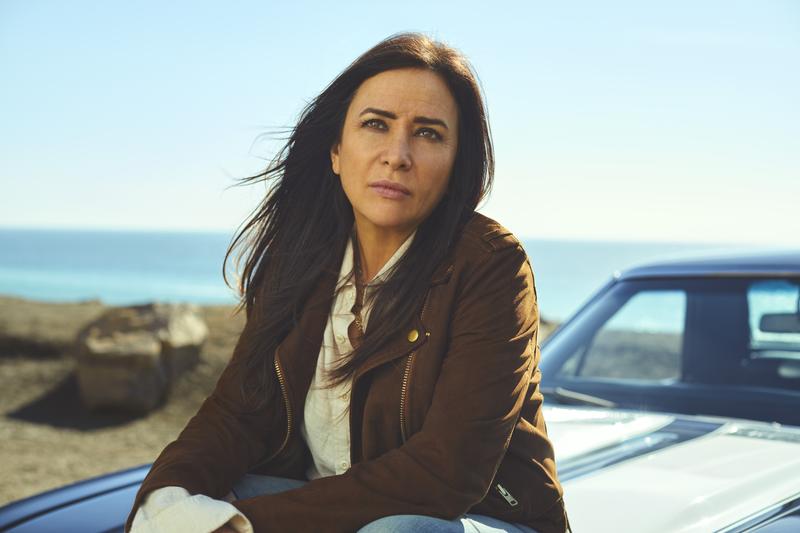
Pamela Adlon: ‘Maybe some knuckleheads will watch Better Things and something will shift’

Pamela Adlon is standing in the sunlight in her Los Angeles office, and she is surrounded by whiteboards. They’ve been neatly divided with yellow tape into 10 equal sections. Each represents an episode of the fifth and final season of Better Things, the wise, heartfelt and very funny comedy series the 56-year-old has written, directed and starred in since 2016. Cryptic headings, scrawled in black marker, deliver a taste of Adlon’s joyful, profanity-spiked sense of humour. “C***ceptionist”, reads one. Another, in big capitals: “VERY GAY”. She steps back to take it all in, tugging the sleeves of her black sweater over her hands. “This is the entire season,” she says, emotion seeping through the trademark gravel in her speech. “It’s gonna be hard for me to wipe these boards.”

Adlon has been making a living from her unique voice since she was nine years old. For decades she was best known for prolific voiceover work, including her Emmy-winning role as pre-teen Bobby Hill on long-running animated sitcom King of the Hill. Her husky tones, once described by The New Yorker as sounding like a “child chain-smoker”, have given life to characters everywhere, from Rugrats to Rick and Morty and Big Mouth. However, it’s as the writer and director of Better Things that Adlon has finally been able to use her voice in the fullest sense. The loosely autobiographical show began as a meditation on single motherhood, but over its 52 episodes has blossomed out to take in life, the universe and everything. “I always say that FX was paying for my therapy,” jokes Adlon of the network that hosts the show in the US. “But also I’ve always wanted to have a talk show, and I’ve always wanted to be a teacher, and I’ve always wanted to be a coach.”

In Better Things, Adlon finds an outlet for all those impulses. She stars as Sam Fox, a lone mother of three daughters living in Los Angeles and scratching out an uncertain living as an actor and director. Her home is warm and full of art, and her truculent British mother Phyllis – or rather Phil (played by the always magnificent Celia Imrie) – lives next door. It’s a show about finding meaning and purpose in the everyday, where the simple act of cooking a hearty chilli for one’s family takes on the significance of religious ritual. “It’s a way to live your life, in a way,” says Adlon of the series’ meditative message. “You don’t have to just sit in a cold room with four walls and a light bulb. If you take the time to do certain things and live your life a certain way, you’re going to be saving yourself money, saving yourself time, wasting less, living better.”

Continue reading at The Independent

The Rolling Stones’ musical director Chuck Leavell: ‘Mick must be from another planet’

Even if you don’t know Chuck Leavell by name, you’ve almost certainly heard him play. You might know his piano work from the Allman Brothers Band’s thrilling 1973 instrumental “Jessica”, which achieved hummable ubiquity across the UK as the theme tune from Top Gear. Then there’s his session playing for bands such as Train, who put Leavell front and centre on their huge 2001 hit “Drops of Jupiter”. Alternatively, if you’re one of the countless millions who’ve caught The Rolling Stones live at any point since Leavell started touring with them in 1982, you’ll have noticed his unruffled presence anchoring the world’s greatest rock’n’roll band from behind the keys. The 70-year-old with a cherubic face and snowy white beard from Birmingham, Alabama, credits his half-century of success to his ability to lend a touch of Southern rock authenticity to any song he graces. “My hands,” says a grinning Leavell, raising them up as if to play a riff on an invisible piano, “have a Southern accent”.

He’s speaking over video call from a hotel room in Amsterdam, the day after the Stones continued their 60th-anniversary celebrations in front of a local crowd of 53,000. The show had been postponed from June after frontman Mick Jagger tested positive for Covid, but he made a full recovery in time for the band’s massive appearances in London’s Hyde Park. “Mick’s back in perfect form. He’s a madman running around. He must be from another planet, is all we can figure,” says Leavell with palpable awe. “Most of us felt like it was between [the second Hyde Park gig] and Milan as the two best shows of the tour so far, but all the shows have been very consistent.”

He says it with a note of pride in his voice. When it comes to the Stones, consistency is Leavell’s department. Ever since the Steel Wheels tour in 1989, Leavell has been meticulously taking notes of exactly how the Stones do what they do each night on stage. “I did handwritten chord charts for every song,” he explains. “And I would make note of the tempo. If we needed to bump the tempo up, or if it felt good to slow it down a little bit.”

In what is perhaps an example of the essential yin-yang pull at the heart of the Stones, in the early days Leavell found that Jagger tended to want the tunes played faster, while guitarist Keith Richards was perpetually trying to ease things down a notch. “I think somehow, through all this time, we’ve found the balance of the right tempo!” says Leavell, whose encyclopaedic notebooks have become the band’s bible. “They’ve given me the moniker of musical director, which I scoff at,” he says. “Because Mick and Keith are the musical directors of the Rolling Stones.”

Continue reading at The Independent

‘Roger Rabbit on acid’: How Ralph Bakshi’s unhinged Cool World became an X-rated bomb

Hollywood may have a long and storied tradition of visionary directors coming to blows with meddling producers, but Ralph Bakshi would like to make clear he’s not part of it. “I never punched Frank Mancuso Jr,” says the 83-year-old pioneer of independent animation, speaking over the phone from his home “on top of a mountain” in New Mexico. “That was just a rumour. I yelled at him a couple of times, but that wasn’t his fault. I like Frank. I never punched him. Can you set that straight?”

Thirty years ago, the joint forces of Bakshi and Mancuso Jr were responsible for unleashing Cool World into cinemas. It was a wild, weird and subversive blend of live action and animation about an underground cartoonist who has sex with one of his own creations and causes all hell to break loose. Released four years after the runaway success of Who Framed Roger Rabbit, its cast list including Brad Pitt, Kim Basinger and Gabriel Byrne, Cool World set out to shock and titillate a more adult audience. “It’s like Roger Rabbit on acid,” Pitt told Details magazine in 1992. “It’s much more twisted. It’s got an underground comic-book feel.” Blighted by a pained production and incompatible competing visions, the film never quite lived up to that promise. It received a critical mauling, with Roger Ebert calling it “a surprisingly incompetent film” and reviews aggregator Rotten Tomatoes totting up a measly average score of just 4 per cent. At the box office, Cool World sank like a cartoon anchor, making back just half of its $28m budget.

For Bakshi, that was the moment he knew his time in Hollywood was over. His career had begun two decades earlier in 1972 with Fritz the Cat, the first X-rated cartoon film in history. Based on the underground comic strip by Robert Crumb, Fritz tells the tale of a womanising, pot-smoking alley cat who drops out of college, inadvertently starts a race riot and winds up as a leftist revolutionary. The film was a huge success, grossing $90m against a budget of just $700,000, and it revolutionised the Disney-dominated world of animation. Fritz’s transgressive antics went on to influence and inspire generations of cartoons for grown-ups such as The SimpsonsSouth Park and Rick and Morty. “The great thing about Fritz, to my mind, was that it was the total destruction of what everyone thought animation was,” says Bakshi. “It was about reality, as opposed to fantasy. We were using animation as an art form.”

Continue reading at The Independent

Tears for Fears: ‘Some people can bullshit through music, but we can’t’

Roland Orzabal is weeping. It’s a Saturday night in Los Angeles and Tears for Fears are midway through a triumphant set at the city’s Forum venue, which has already included a towering performance of mammoth 1985 hit “Everybody Wants to Rule the World” and a euphoric version of 1989’s “Sowing the Seeds of Love”. It’s the reaction to new song “Rivers of Mercy”, however, that has 60-year-old Orzabal sweeping his flowing white locks aside to dab away tears. Thousands of voices sing along in unison while phone lights illuminate the darkness. His are not the only damp eyes in the house. “With ‘Rivers of Mercy’, I look into the audience and almost every night I see someone crying,” Orzabal explains later, when he and fellow founding bandmate Curt Smith, 61, speak to me over video call. “If you concentrate on them you start doing it yourself… and then you can’t sing!”

It’s little wonder Orzabal finds that moment of connection so overwhelming. “Rivers of Mercy” is the emotional centrepiece of the duo’s recent album The Tipping Point,their first in 17 years. They’d begun work on a new record in 2013 but scrapped and replaced most of their early material in the wake of the death of Orzabal’s wife Caroline in 2017. The couple had been together since they were teenagers in Bath and were married for 34 years, the last five of which Orzabal spent as her carer as she gradually succumbed to dementia and cirrhosis brought on by alcoholism.

“For me, the song ‘Rivers of Mercy’ expresses, within the album, the point at which there seems to be an emotional shift towards letting go of things,” explains Orzabal, his West Country brogue cracking softly. “It’s not easy, but that’s the only way we’re ever going to heal ourselves. It was written in 2020, at a point in my life where the anger and rage that I had been, in a sense, suffering from privately for many years when I was Caroline’s caretaker gave way to this deep feeling of peace.”

Continue reading at The Independent

National Wake: the multiracial South African punk band that rebelled against apartheid

Guitarist and songwriter Ivan Kadey didn’t set out to form South Africa’s first multiracial punk band, but from the moment he met brothers Gary and Punka Khoza it was clear what a potent combination they would make. In the late Seventies, under the apartheid system of institutionalised racial oppression that kept white and Black South Africans apart, the group’s very existence would prove explosive. “Just standing up and making music together was a political statement,” explains Kadey, now 70, speaking over video call from his current home in Los Angeles. “We were for a non-racial, peaceful South Africa and just by getting up and performing we stood for that. On many levels, it was a f*** you to the system.”

He already had the perfect name for this band of outlaws: National Wake. At the time the country was under the rule of the right-wing National Party, so by calling themselves National Wake they were both urging their country to wake up from the nightmare of segregation and promising to celebrate its demise. “We were saying: ‘Let’s dance on the corpse of apartheid,’” explains Kadey. “The name was a pure agitprop statement, as was the very composition of the band.”

Formed in 1979, National Wake recorded just one album before splitting under the pressure of police harassment in 1982. Now the story of their brief, turbulent existence is being told in a new documentary, This Is National Wake, which has its world premiere this week at Sheffield DocFest. Director Mirissa Neff believes the band’s story remains powerfully resonant. “One of the major themes of this film is about how we experience history,” says Neff. “This band came from a particular moment in time, a police state where these godawful, inhumane things were happening, and they converted that into something beautiful. These were people who were not even supposed to be together, yet they formed for the love of music across race lines when it was illegal to do so. I think that’s so admirable.”

Continue reading at The Independent

Nova Twins: ‘You have to make room for new bands, otherwise rock will die’

Nova Twins are only a handful of minutes into their sold-out show at The Echo in Los Angeles when a writhing circle pit opens at the heart of the pogoing crowd. You’d never guess that tonight is the first time the rising stars of British alt-rock have ever played a note in this city. The duo’s neon-hued DIY future-punk aesthetic is reflected back to them in a sea of elaborately dressed fans who know all the words to every song. On stage, bassist Georgia South nods her head beneath an explosion of bright red curls as she unleashes a groove that shakes the sweat from the walls. Beside her, guitarist and vocalist Amy Love is leading a righteous call and response. “It’s my body! It’s my mind!” she howls, and the answer comes straight back from the devoted audience: “Do what I want with it!”

The defiant energy crackling around the packed room isn’t just down to the loud, proud, genre-blending sound the pair have arrived at by fusing together hardcore rock, punk, metal and rap. It’s also a product of the open-hearted community Nova Twins have built around themselves since they first started playing shows together eight years ago. Signs posted around the venue set out exactly what they stand for. “Nova Twins: We Are Pro Love & Respect!” they read. “No Harassment. No Racism. No Homophobia. No Transphobia. No Xenophobia. No Ableism.”

That fervent belief in the power of inclusivity is just one way Love and South are redefining what it means to be a rock star in 2022. When I meet the pair for a deep-fried lunch at rock’n’roll institution The Rainbow Bar and Grill on LA’s Sunset Strip, they explain they have no time for clichéd band posturing. “Sometimes you see people who are a bit too cool for fucking school,” says Love, an outgoing frontwoman whose brand of cool is as easygoing as it is chic. She offers a sneering impersonation to illustrate her point: “‘We’re fucking rock stars, and we don’t give a fucking’,” she says. “Being a rock star isn’t about putting up some weird façade.” The duo have a knack for finishing each other’s sentences, and South, the quieter of the two, picks up Love’s train of thought. “I feel like that’s not cool anymore,” she says. “Back in the day they’d be in here doing that, but now you just look like a dick. It’s cooler to be kind.”

Continue reading at The Independent

John Waters: ‘I’m tired of being respectably gay’

It’s the first day of Pride Month when I reach John Waters by phone at his summer home in Provincetown, Massachusetts, so it feels remiss not to ask the 76-year-old how he plans to celebrate. “I’m just gonna blow as many people as possible,” the cult filmmaker, stand-up and newly-minted novelist tells me, audibly smirking. He interrupts himself with a knowing laugh. “I told my office I was going to say that. They said: ‘You can’t say that!’ But it’s just too hard for me not to, because you’re supposed to give such a respectable answer and I’m tired of being respectably gay.”

Respectability has never been high on Waters’ agenda. Christened “The Pope of Trash” by Naked Lunch author William Burroughs, Waters made his name in the early Seventies with exuberantly transgressive independent films like 1972’s Pink Flamingos, a depraved tale of incest and underground baby mills starring drag queen Divine as a criminal living under the name Babs Johnson and dubbed “the filthiest person alive”In a sign that respectability has come for Waters whether he likes it or not, the film will soon mark its 50th anniversary by being re-released with new bonus extras as part of the prestigious Criterion Collection. Even more remarkably, last year Pink Flamingos was selected for preservation by the Library of Congress as being “culturally, historically, or aesthetically significant”. “An irony on top of all ironies,” says Waters. “But a great compliment.”

Continue reading at The Independent

Inside 1970s Hollywood cult The Source Family: ‘We were daring. We were beautiful. We were the darlings of LA’

In 1969, pioneering health food restaurant The Source opened on the Sunset Strip in Los Angeles. It quickly became a Hollywood hot spot, attracting the likes of Steve McQueen, Goldie Hawn, Marlon Brando, Joni Mitchell and John Lennon to its famous patio. Woody Allen poked fun at the vegan menu in Annie Hall, ordering “alfalfa sprouts and a plate of mashed yeast”. But a dedication to clean living was hardly the most radical thing about The Source. What really attracted diners was the fact it was owned and run by a glamorous New Age cult known as The Source Family.

“We felt we were more famous than they were,” recalls Isis Aquarian, a Family member and their proud archivist. “They came to eat at The Source because it was the ‘in’ place to be. We were clean, positive, happy people and the whole thing put you in a different state of mind, a different frequency. When you stepped onto The Source patio, everybody felt it. It was a whole other world.”

Continue reading at The Independent.

Norm Macdonald’s Nothing Special is quite the opposite

The death of Norm Macdonald last year came as a shock to almost everybody but him. The stand-up and former Saturday Night Live cast member died from acute leukemia in September 2021, but had been diagnosed nine years prior and made the decision to keep the information from anyone but close friends and family. During that time the comedian enjoyed a career resurgence, releasing a Netflix special, Hitler’s Dog, Gossip & Trickery, in 2017 and hosting chat show Norm Macdonald Has a Show on the same streaming service in 2018. He was working on another hour-long stand-up special when Covid hit in 2020, and prior to undergoing a medical procedure decided to tape the material himself because, as he told those close to him, he “didn’t want to leave anything on the table in case things went south.”

Although the operation itself was a success, Macdonald died before he was able to record the show in front of an audience. All we have, then, is what he made at home, headphones on and speaking directly to the camera, as if calling in to history’s most entertaining Zoom meeting. On occasion he’s interrupted by his ringing phone (“Hello! I’ve got to phone you back on account of I’m doing a special on the TV!”) and his own barking dog. He handles the canine heckler superbly. “The thing is, you’ve got to be ready,” he says as he resumes his material without missing a beat. “You’ve got to be ready for anything this world throws at you.”

Continue reading at The Independent

George RR Martin: ‘I don’t understand how people can come to hate so much something that they once loved’

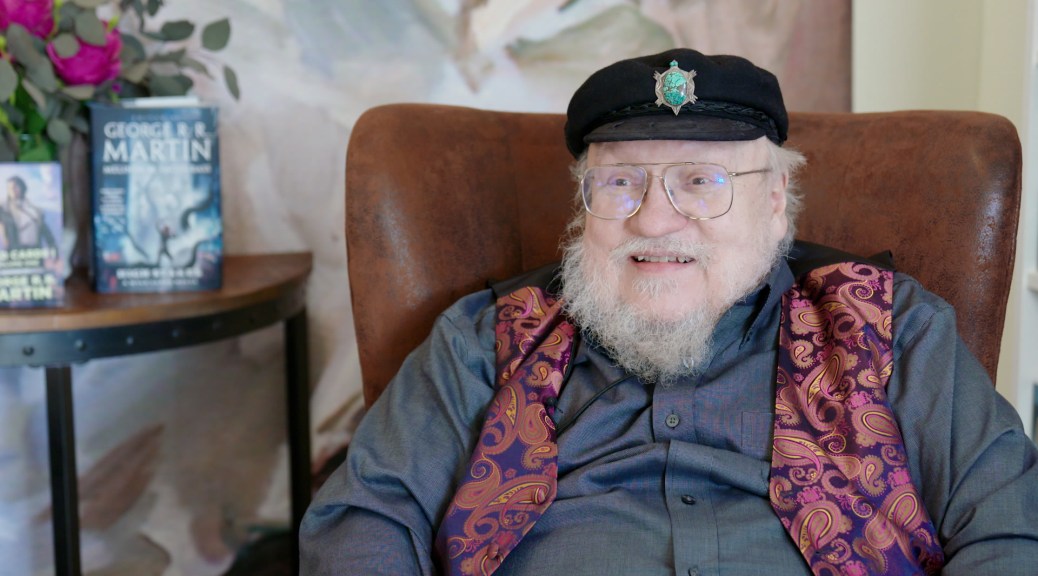
George RR Martin has spent a lifetime telling stories, so it’s strange to see him lost for words. We’re in the back room of Beastly Books, surrounded by the colourful volumes of his work that line the shelves of the charming little shop he opened three years ago in his adopted home of Santa Fe, New Mexico. Sunk in a high-backed brown leather chair in front of a wall-sized mural of John Singer Sargent’s Edwardian-era oil painting Nonchaloir (Repose), the author has been playing raconteur for the last hour. Eyes twinkling behind silver-framed glasses, he’s been telling the fantastical tale of the son of a longshoreman from New Jersey who grew up reading Shakespeare, Tolkien, and Marvel comic books, and went on to write his own bestselling epic fantasy series A Song of Ice and Fire, which in turn became the record-breaking, award-hoarding, television-conquering HBO series Game of Thrones.

The runaway success of the show made Martin rich beyond even the wildest fever dreams of a lifelong science-fiction writer, but it’s his first-hand experience of the viciousness of a particular type of hyper-online fan that’s left him uncharacteristically stumped. “I don’t understand how people can come to hate so much something that they once loved,” he says. “If you don’t like a show, don’t watch it! How has everything become so toxic?”

Continue reading at The Independent

Valeria Luiselli: ‘Borders are testing grounds for brutality’

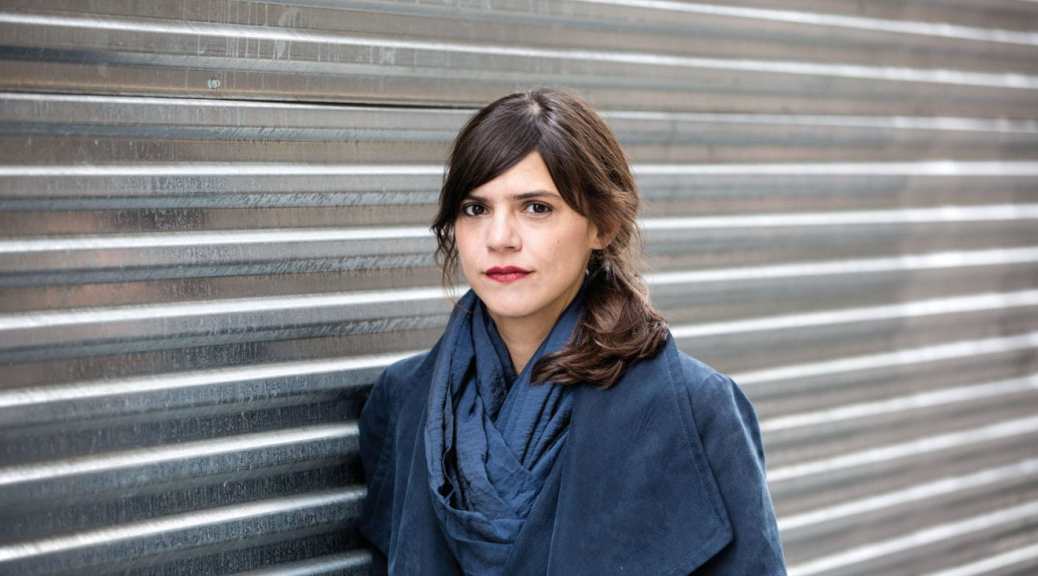
Although a bustling audience has gathered to see author and immigration activist Valeria Luiselli speak at the Santa Fe Literary Festival, a hush falls over the room in anticipation of a preview of her current project. The silence is broken by the mechanical clanking of a copper mine and Luiselli’s recorded impressions mingling with the voices of miners and other locals who she met and interviewed around the border town of Bisbee, Arizona. The gorgeous, revelatory soundscape is just a 12-minute extract from a planned 24-hour sonic essay, Echoes From The Borderlands, which Luiselli is in the process of creating in collaboration with audio specialists Leo Heiblum and Ricardo Giraldo. She tells the assembled crowd she believes the format can help us slow down and appreciate stories in a deeper way than the relentless onslaught of visual media online. “You can’t scroll through sound,” she says with a smile.

Afterwards, backstage in the festival’s Green Room, Luiselli tells me that the idea to create an archive and document of life on the border first came to her in the town of Shakespeare, New Mexico. Originally a mining camp, Shakespeare became a ghost town and later a venue for Wild West reenactments, a place where men, dressed up as Billy The Kid, would hold shoot-outs with nameless caricatures of Native Americans and Mexican Bandits.

“This project started, in my mind at least, while I was interviewing a couple of reenactor cowboys about reenactment, and about what gets told, what gets reenacted and what is left out,” says Luiselli, who became determined to document otherwise forgotten stories. “At first I thought it was a four year project, but now I’m really thinking it’s a 10-year project. We need to get more funds for it. We have some support from a museum in New York, but it all hinges upon our capacity to travel and then to have time to transform what we gather during those very concentrated trips into material that’s going to be interesting.”

Continue reading at The Independent

Don Winslow: ‘We’re fighting Trump and the Trumpists, and the imitators’

Early on Saturday morning, onstage at the Santa Fe Literary Festival, Don Winslow spotted a suspicious figure quietly approaching through the audience on hands and knees. “Oh, you’re a photographer!” the 68-year-old author exhaled a moment later. “I was wondering who was crawling up here. You understand that a lot of people really don’t like me?”

In the three decades since the publication of his debut private eye novel A Cool Breeze on the Underground, Winslow has managed to make himself his fair share of enemies. He received some particularly unwelcome attention after spending 23 years exhaustively researching drug cartels for his revelatory and award-winning Cartel Trilogy. “I was getting threats from drug traffickers,” he tells me, shortly after making it safely offstage. “I didn’t, and don’t, take them terribly seriously because there’s no upside for them to kill an American writer in America. It would be very bad for business, and at the end of the day they’re business people.”

These days Winslow is much more wary about a different sort of menace.

“Now the threats come from the right wing,” he explains. “It’s the Proud Boys. Again, I don’t take it terribly seriously. Most of those people are physical as well as moral cowards. I can take care of myself, but I’m definitely more aware of my surroundings at events like this.”

Continue reading at The Independent

‘He was making fun of these motherfuckers’: Why George Carlin’s radical underdog comedy is still so relevant

When news broke of a leaked proposal to overturn Roe v Wade – the landmark ruling that enshrines abortion rights in the US – it didn’t take long for George Carlin’s name to start trending. The late stand-up quickly went viral earlier this month thanks to a widely shared routine from his 1996 HBO special Back In Town, in which he takes aim at the anti-abortion movement. “They’re not pro-life,” he preaches, his long grey hair pulled back into a ponytail. “They’re anti-woman.”

Over a quarter of a century after it was first delivered, and 14 years after Carlin’s death from heart failure at 71, many on social media felt Carlin’s routine perfectly captured the prevailing anger. “What’s really interesting is that no one else’s routine went viral,” says Judd Apatow, who has directed the eagerly awaited two-part documentary George Carlin’s American Dream. “Even though there have been hundreds of comedians since George Carlin, no one had a bit that you would even put up to say: ‘Here’s another great bit that discusses this.’ He was the best.”

Continue reading at The Independent

Joy Oladokun: ‘You might want me to sing pretty love songs, but as an artist there are things I need to talk about’

For decades, West Hollywood’s Troubadour has been the place where singer-songwriters come to cut their teeth. The fabled venue played a crucial role in the rise of artists like Carole King, Jackson Browne and Elton John, and tonight it’s the turn of Joy Oladokun to take centre stage. It’s not an opportunity the 30-year-old takes lightly. Bathed in the spotlight, she starts talking about a song she wrote in the immediate aftermath of George Floyd’s murder.

“There’s no country in the world that kills as many of its citizens as we do,” she says, before pointing out that she was born in 1992, the year Los Angeles was shaken by riots sparked by police brutality. Three decades later and the same old bigotries persist. No wonder Oladokun found herself moved to capture the moment in music. “This is the best way I know to heal the world, and that’s why I do this job,” she tells the audience. “To make this world better for people like us, and people unlike us.” With that, she launches into an incendiary version of her perceptive single “I See America”, interpolating the crunching riffs and wailed lyrics of Nirvana’s “Smells Like Teen Spirit” to create a monstrous mash-up that reverberates like a scream of frustration echoing across generations.

It’s a heart-stopping moment in a show packed full of them, and one that Oladokun has come to realise can receive a very different reception depending on where in the US she’s performing. “There was a show I played at the Ryman in Nashville where a guy booed me and walked out when I was just introducing the song,” she recalls, speaking to me on the phone from her tourbus somewhere in “Pennsylvania-ish”. Needless to say, that experience has not deterred Oladokun from speaking her truth. “You might just want me to sing pretty love songs,” she says, “but as an artist there are things I need to talk about.”

Continue reading at The Independent

‘American Casablanca’: How Miami Vice reinvented noir for the MTV generation

As Hollywood legend has it, Miami Vice began life with just two words scrawled on a scrap of paper by NBC executive Brandon Tartikoff: “MTV cops.” The television landscape had been revolutionised on 1 August 1981 by the launch of MTV, which ushered in an era of slick, glamorous music videos with high concepts and higher budgets.

When Miami Vice debuted in 1984, the show lived up to its initial pitch with a rock’n’roll soundtrack, fast cars and a flashy wardrobe provided by Armani, Versace and Hugo Boss. But it was also darker and more cynically subversive than it has since been given credit for.

A hugely popular hit throughout its six-year run, the show was rebooted in 2006 by original executive producer Michael Mann as a film starring Colin Farrell and Jamie Foxx which has gone on to become a cult favourite. As Mann returns to the small screen with Tokyo Vice – a new series based on US journalist Jake Adelstein’s memoir about crime in Japan – it’s worth remembering just how ground-breaking the original Miami Vice really was.

Continue reading at The Independent
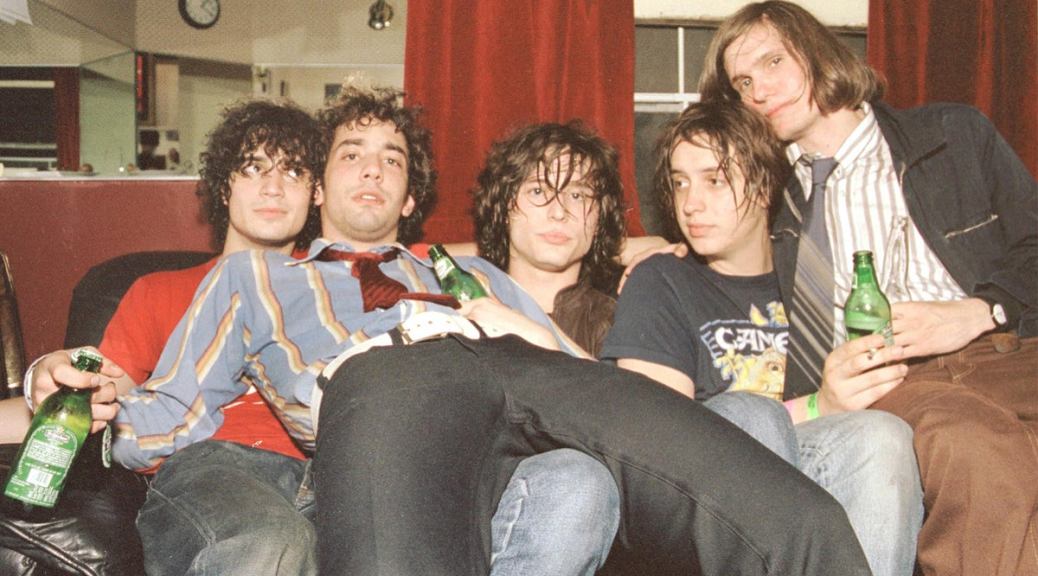
Paul McCartney proves he was the coolest Beatle all along

Paul McCartney didn’t used to be cool. Even back in the Nineties, when the Beatles-indebted Britpop scene was in its pomp, “Macca” always seemed like a cheesy elder statesman. He was a bit dad jeans. A bit Alan Partridge. Both thumbs seemingly fixed permanently aloft. It was John Lennon, the band’s truculent rebel, who the Gallagher brothers deified and all the hip young bands wanted to imitate. Back then, Lennon’s “Imagine” seemed like a secular hymn, a sincere manifesto for a better world. These days it’s that song out-of-touch celebrities sing to show how out-of-touch they are.

If Lennon’s stock has fallen in the last three decades, McCartney’s has only risen. A passionate vegetarian who has long been vocal about the need to protect the planet, his inherent niceness is now lauded as a virtue. Most recently, his reputation has been further burnished by the release of Peter Jackson’s immersive Get Back documentary, which delighted Beatles fans by taking them inside the recording of the band’s final album, Let It Be, and made it crystal clear just how much of a driving force McCartney really was in the creation of that record, and in the band in general.

The spry 79-year-old’s current tour, which arrived at Los Angeles’ SoFi Stadium on Friday night (13 May), nods to the impact of Jackson’s film with its title: Got Back. Over the course of two-and-a-half hours, which seem to fly by, it lives up to the promise of that name. Early on in the show, McCartney says he and his well-drilled backing band will play “some old songs, some new songs and some in-between songs”, but the balance is generously tipped in favour of the classics. Of the 36 songs he plays 21 are Beatles songs, while another is his heartfelt tribute to Lennon: 1982’s “Here Today”, written in the wake of his old friend’s murder in 1980, and delivered here with devastating sincerity. He even makes room for a pre-Beatles song, “In Spite Of All The Danger”, which McCartney wrote in 1958 and was the first tune ever recorded by The Quarrymen. He introduces it by recalling the day in Liverpool he and his bandmates – Lennon and George Harrison as well as “Colin and Duff” – put in £1 each to pay to cut the song onto shellac. Moments later, when he’s leading a Californian stadium packed with 70,000 fans singing along to it, it’s hard not to be stunned by the recognition of everything McCartney achieved in the intervening 64 years.

Continue reading at The Independent
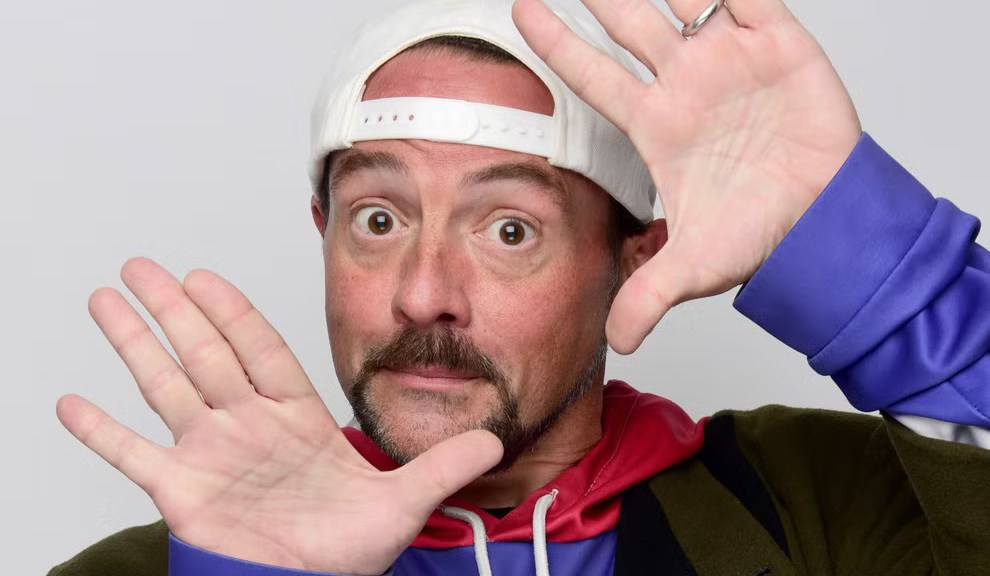
John Grisham: ‘Non-lawyers who write legal thrillers often get things so wrong’

In 1984, 29-year-old John Grisham was a small-town lawyer working at the DeSoto County courthouse in Hernando, Mississippi when he witnessed a trial that changed his life. Two young sisters had been attacked and raped in a remote farmhouse just miles from his law office, and as he listened to the 12-year-old give her harrowing testimony, Grisham began to wonder what would happen if the girls’ father decided to take justice, or vengeance, into his own hands. In that moment, the seed of Grisham’s debut thriller A Time to Kill was planted. “I saw the spark because I happened to be in the right place at the right time,” says Grisham, now 67. “Most lawyers are good storytellers because they tend to embellish and they see a lot of crazy behaviour. I had never written before, never thought about it. But I recognised a great story.”

Eventually published in 1988, A Time to Kill marked the start of a literary career that has seen Grisham grow into one of the world’s bestselling authors. His books have sold 300 million copies worldwide, including no less than 28 consecutive number one fiction bestsellers over the past three decades. His first big hit came in 1991 with his second novel, The Firm, a rollercoaster legal thriller about an ambitious young attorney who finds himself in the grasp of organised crime. It spent 47 weeks on the bestseller lists on its way to being crowned the year’s highest-selling novel and was adapted into an acclaimed film starring Tom Cruise and Gene Hackman in 1993. “The Firm set me free,” recalls Grisham. “It found a market real fast, became popular, then went nuts when the movie came out. Suddenly I was bored with the practice of law and realised I could make more money writing about it.”

Continue reading at The Independent

Graham Nash: ‘I don’t think anybody can tell the real story of what happened with CSNY, not even us’

In August 1968, 26-year-old Graham Nash arrived in Los Angeles for a three-day trip, which he planned to spend sequestered with his new love, Joni Mitchell. Arriving at Mitchell’s picturesque bungalow in Laurel Canyon, Nash found the singer-songwriter hanging out with a couple of her friends, fellow musicians Stephen Stills and David Crosby. The pair played him a new song they’d been working on, “You Don’t Have to Cry”. After asking them to repeat it twice, Nash joined in to create a flawless three-part harmony. This debut Crosby, Stills and Nash performance took place with Mitchell as their audience of one. It’s a scene so perfect that you’d think it was contrived if it showed up in a biopic. “Isn’t it?” says Nash, now 80, down the line from his home in New York’s East Village. “Yet that’s exactly what happened. I’ve had a lot of those moments in my life.”

Thus began the on-again, off-again tale of one of the first and greatest folk-rock supergroups: Crosby of Californian folk-country combo The Byrds, Stills of Canadian-American rockers Buffalo Springfield and Nash of Mancunian pop group The Hollies. After releasing their sublime self-titled record in 1969, the trio added a fourth member, Stills’ former Buffalo Springfield bandmate Neil Young, before making their live debut in Chicago as a warm-up for playing the gigantic Woodstock festival. They soundtracked the era’s counterculture and continued in various iterations until splitting, seemingly for good, following a final Crosby, Stills and Nash tour in 2015. In the years since, Nash has been back on the road alone. New album Graham Nash: Live captures him in the northeastern United States in September 2019 revisiting his two solo records, 1971’s Songs for Beginners and 1974’s Wild Tales.

The disintegration of Crosby, Stills and Nash has been largely attributed to an acrimonious fall-out between Nash and Crosby, so it’s notable that several of the plainly autobiographical songs on those albums were written at a time when their friendship was at its deepest. In 1969, after the tragic death of Crosby’s girlfriend Christine Hinton in a road accident, Nash pledged to stay by his friend’s side. “We went around the world drinking, quite frankly,” he remembers. “Courvoisier and Coca-Cola, what a drink! I knew that David was in deep, deep depression about Christine. I knew that he was very fragile. I feared for his life for a short moment.”

Continue reading at The Independent

Herb Alpert: ‘I was rich, I was famous and I was miserable’

Nobody soundtracked the swinging Sixties like Herb Alpert & the Tijuana Brass. For 81 consecutive weeks, from October 1965 to April 1967, the Los Angeles-born trumpeter and his group always had at least one record in the US top 10, sometimes as many as four at a time. In 1966 they sold 13 million records, making them bigger than the Beatles. Their playfully kitsch album art became iconic, while their joyous instrumentals were inescapable, scoring everything from adverts for beer and motor oil to hit TV shows like The Dating Game. It was a level of success that the son of immigrants from a small town near Kyiv was wholly unprepared for. I had the American dream,” says Alpert, now 87, on the phone from his oceanfront home in Malibu. “I was rich, I was famous and I was miserable.”

Alpert first blew a trumpet at the age of eight, while a student at Melrose Elementary School. “I was fortunate there was a music class and a bunch of instruments, and I happened to pick up the trumpet,” he remembers. “It’s been awfully good to me.” He was encouraged by his father Louis, a tailor with a talent for the mandolin, and his mother Tillie, who taught violin. When their neighbours complained about their son practising, his mum told them he’d just play louder. They were determined to give him a better childhood than the life they’d left behind. “My father was born in a little shtetl outside of Kyiv,” explains Alpert. “It’s a terrible situation that’s going on there now. It’s heart-rending and confusing. Man’s inhumanity to man is just mind-boggling.”
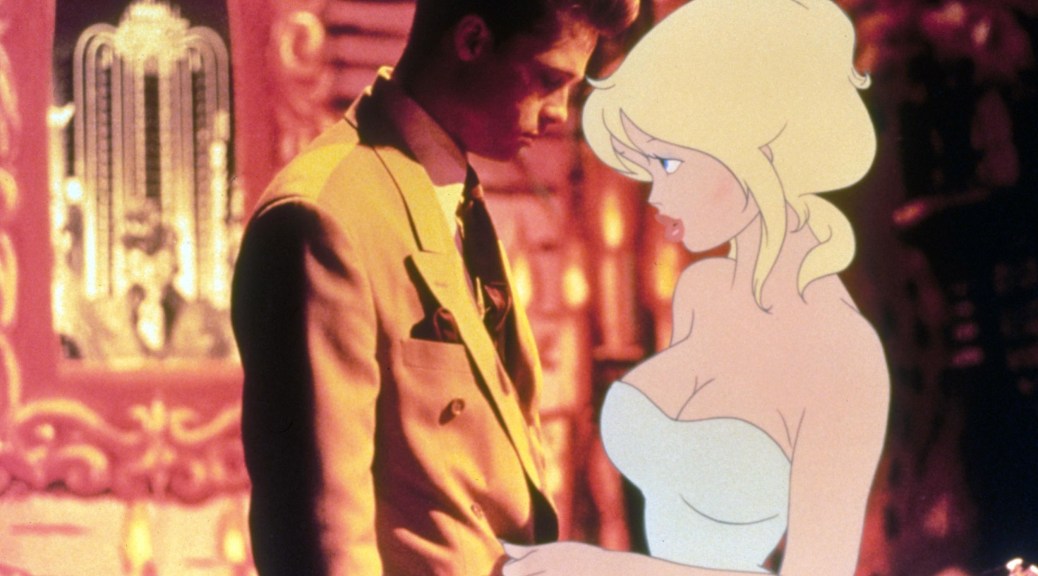
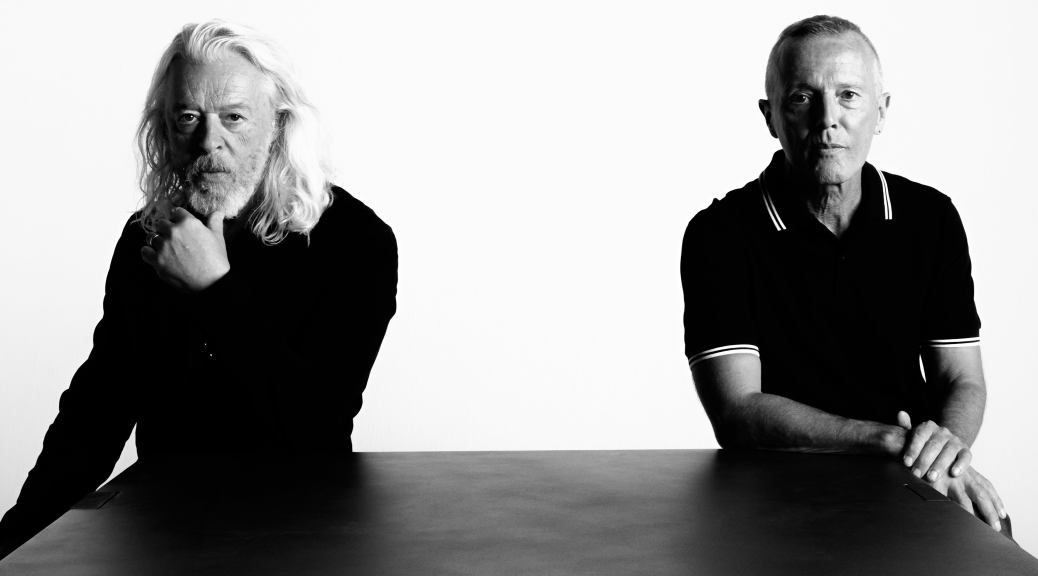
In the late Fifties, Alpert formed a songwriting team with famed lyricist Lou Adler. They landed a job as staff writers for LA-based label Keen Records, whose star artist Sam Cooke was then topping the charts with “You Send Me”. “Sam was delightful, intelligent and very engaging,” recalls Alpert. “I learned a lot from him. He was a mentor, even though he didn’t know it.” Cooke showed Alpert how a performer could elevate even second-rate material. “One day he came up to me and said: ‘Herbie, what do you think of this lyric?’” says Alpert. “I thought it was the corniest thing I’d ever seen. I didn’t say that to him! I said: ‘Well, what’s the song like?’ He picked up his guitar and transformed this corny lyric into something magical. I thought to myself: ‘Man, it ain’t what you do, it’s the way you do it.’ I think that’s the big lesson in art.”
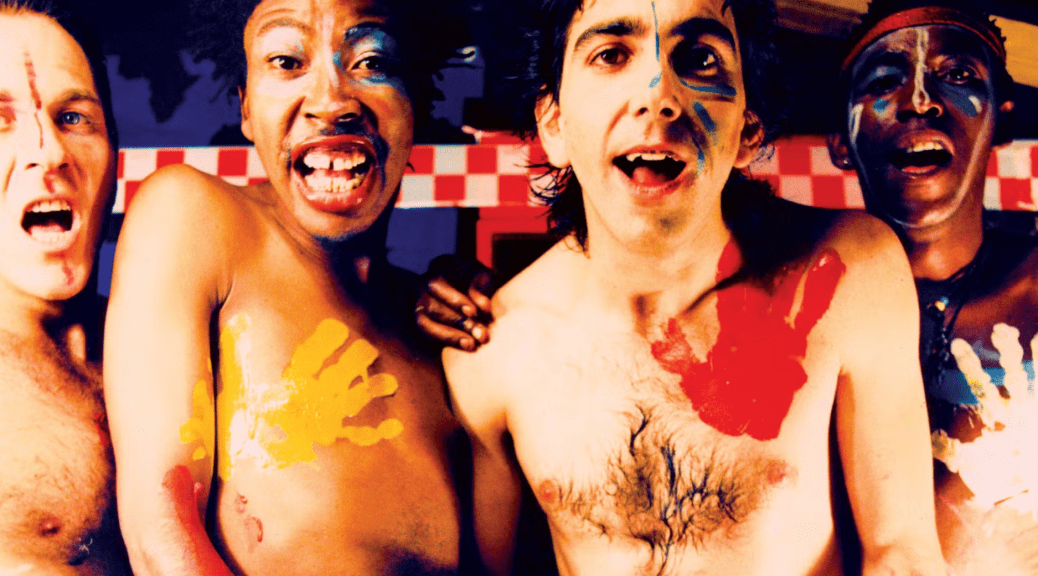

Continue reading at The Independent.

Coachella 2022: Måneskin: ‘We wanted to raise our voice for something meaningful’

The flamboyant Italian rock band Måneskin have come a long way since forming in 2016, when they started their career busking on the streets of Rome.

They shot to fame in their home country after finishing second in the Italian version of The X Factor in 2017. International recognition followed after they won the last year’s Eurovision Song Contest for Italy with their irrepressible anthem “Zitti e buoni” (which translates as “Shut Up and Behave”).

Now, the Seventies-obsessed band are on a mission to revive the lost art of rock’n’roll in America. Backstage at Coachella, singer Damiano David, bassist Victoria De Angelis, guitarist Thomas Raggi, and drummer Ethan Torchio tell us their impressions of the Californian festival.

Continue reading at The Independent.

Coachella 2022: Youngest ever headliner Billie Eilish triumphs with Gorillaz in her midst

Three years ago, Billie Eilish made a shaky start to her Coachella career. Held at the festival’s Outdoor Theatre, the then 17-year-old’s set was blighted by technical mishaps: she arrived on stage over half an hour late, forgot some of the words to “All the Good Girls Go to Hell”, and worst of all, brought out special guest Vince Staples for “&burn” only for his microphone to entirely fail to work, leaving him rapping in silence. Not ideal, then.

Still, she had fond memories of that weekend, too. After all, it was backstage here in Indio that Eilish met her teen idol Justin Bieber. In footage captured for RJ Cutler’s 2021 documentary Billie Eilish: The World’s a Little Blurry, the pair meet and embrace for the first time. Eilish had grown up worshipping the Canadian singer, who is eight years her senior, and the moment marked a sort of emotional crossing of the Rubicon for Eilish as she was quite literally welcomed into the world of pop superstardom by the icon she’d deified.

Across just two feted albums (and a Bond theme for good measure), Eilish has become a Grammy magnet and an all-round alt-pop sensation. Mixing retro tones with mordant lyrics about issues both universal and specific to her life – everything from teenage heartbreak to NDAs and paparazzi – Eilish sings with a voice that veers from whispering to full-throttle belting without ever losing its intimacy.

Continue reading at The Independent.

Coachella 2022: Danny Elfman’s ‘strange little show’ among festival’s most memorable

Danny Elfman is by some margin the oldest artist performing at this year’s youth-focused Coachella. However, on the basis of his eclectic show at the festival’s Outdoor Theatre stage late on Saturday night (16 April), his age is the least unusual thing about him.

For a start, there can be few 68-year-old composers around who would choose to perform topless so as best to show off a heavily tattooed torso. More pertinently, there are few composers of any age who could make a full orchestra sound like a garage punk band, as Elfman often does throughout his hour-long set. But Elfman – a master of the macabre, whose dark, eerie scores are practically synonymous with Tim Burton’s films – has never been your typical Hollywood songwriter

“Hello Coachella,” he says, not long after playing deranged 2021 single “Insects” and then a section of his bombastic orchestral score from 2002’s Spider-Man. “My name’s Danny Elfman, and I’ve got a strange little show for you.” He’s not kidding.

Continue reading at The Independent.

Coachella 2022: Arcade Fire deliver catharsis and anthems at intimate show

Given that they headlined the closing night of Coachella in 2014, it was a double surprise when Canadian indie rock titans Arcade Fire were announced as a last minute addition to the bill for the Mojave Tent on Thursday (14 April) – a day before the California music festival kicked off.

A double-whammy, there was, firstly, shock that they were playing at all, and second that they would be appearing in a relatively intimate setting.

An eager crowd of thousands are still squeezing their way into the tent as the seven-piece band enthusiastically bound onto the stage five minutes early, so hearts are in mouths when frontman Win Butler halts proceedings after just a few bars of their opening song to urgently call for a medic for someone in the front row. Thankfully help arrives swiftly and soon the band launch back into their recent Nigel Godrich-produced single “The Lightning I, II”, with Butler’s longtime partner Régine Chassagne bashing away at her keyboard behind him, as their voices come together in a hymn to sticking it out and sticking together.

Continue reading at The Independent.

‘The reality of screaming girls is kind of terrifying’: An oral history of Hanson’s ‘MMMBop’

When “MMMBop” first bounded onto the airwaves a quarter of a century ago, it sounded like nothing else around. Released on 15 April 1997, it arrived at the tail-end of grunge and with Britpop in full swing, a blast of irresistibly catchy pop rock influenced by classic R&B and soul and sung by a band of brothers too young to have a drink to toast their success. The song soared to the top of the charts in a dozen countries, including Britain and the US, making the long-haired Hanson siblings international sensations overnight.

The trio had formed five years earlier in Tulsa, Oklahoma, after the family arrived back in the States after a stint in South America, where the boys’ accountant father was auditing operations in the oil and gas industry. As they travelled they listened religiously to a compilation of hits from the late Fifties, featuring golden oldies “Good Golly, Miss Molly” by Little Richard, “Splish Splash” by Bobby Darin and “Rockin’ Robin” by Bobby Day.

“It was rock’n’roll in its absolute essence,” remembers lyricist and middle brother Taylor Hanson. “That music became really ingrained in our psyche as our connection to America.”

The power of that influence would become clear when the young brothers went ahead and crafted a perfect pop hit of their very own.

The story of “MMMBop” begins in the Hanson family garage in 1994, when guitarist Isaac was 14, keyboardist Taylor was 11 and drummer Zac was nine.

Continue reading at The Independent.

Drugs, Dolls and Johnny Depp: The Viper Room’s demolition is the end of a Hollywood era

Today, the Sunset Strip is a shadow of its former self. In the Sixties, the infamous two-mile stretch of Sunset Boulevard was the heart of Los Angeles’ emerging counterculture, a place where world-famous actors Jack Nicholson and Peter Fonda joined young hippies in riots against a 10pm curfew. Fast-forward to the Eighties and bands like Guns N’ Roses, Van Halen and Mötley Crüe were staying up long past their bedtimes as the area transformed into the whisky-soaked home of hair metal. These days the counterculture is long gone and the bulldozers are circling. In February, the iconic former home of Tower Records, which went bankrupt in 2006, was torn down to make way for a new branch of skatewear brand Supreme. Last month, it was announced that The Viper Room, the rock’n’roll dive once owned by Johnny Depp, will soon be demolished and replaced with a 12-storey glass high-rise. “Just what the Strip needs!” jokes Steve Cohn, Depp’s former construction manager and a Viper Room regular in the Nineties. “There’s so much crap like that. It’s so sad.”

When it opened, on 14 August 1993, The Viper Room was the hottest ticket in town. Despite the cave-like venue’s miniscule capacity of just 250, the stellar bill on that first night featured Tom Petty & The Heartbreakers, Evan Dando of the Lemonheads and Pogues frontman Shane MacGowan. A who’s who of Hollywood watched from the crowd, with directors Quentin Tarantino, Jim Jarmusch and Tim Burton rubbing shoulders with stars like Dennis Hopper, Christina Applegate and Patricia Arquette. The building had been converted from a grocery shop into a music venue in 1947 by mobster Mickey Cohen, a fact proudly noted by a zoot-suited Depp. “I really love the idea of clubs from the Twenties, Thirties and Forties,” he told the LA Times on its opening night“Like long slinky dresses, gin fizzes and witty banter?” one party-goer asked. “No wit, I don’t want any wit here,” Depp zinged back. What he did hope to create, he said, was a club where celebrities “won’t feel like they’re on display”.

Continue reading at The Independent