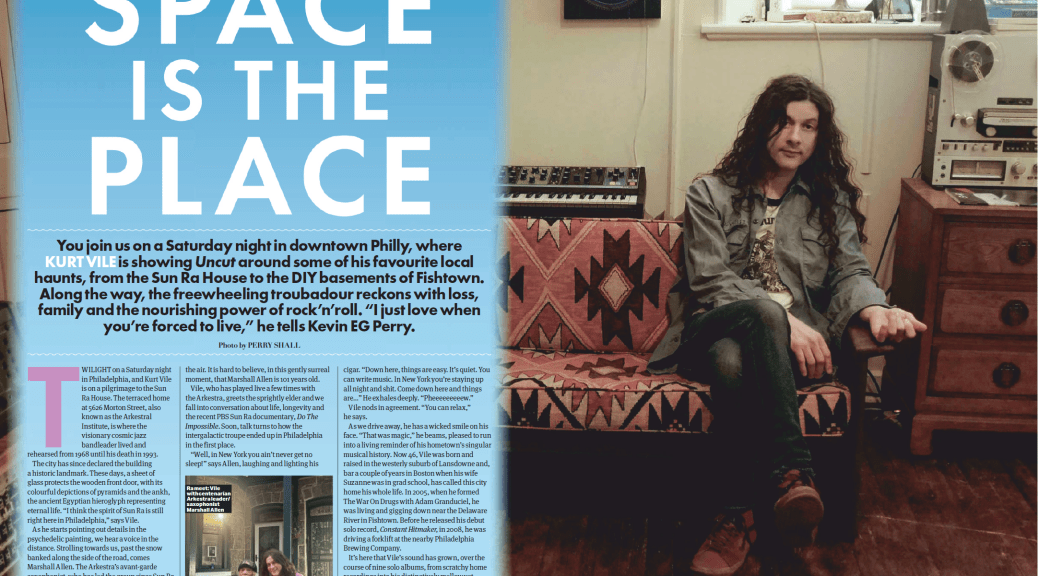
You join us on a Saturday night in downtown Philly, where Kurt Vile is showing Uncut around some of his favourite local haunts, from the Sun Ra House to the DIY basements of Fishtown. Along the way, the freewheeling troubadour reckons with loss, family and the nourishing power of rock’n’roll. “I just love when you’re forced to live,” he tells me.
Published in Uncut, May 2026
Category Archives: Other
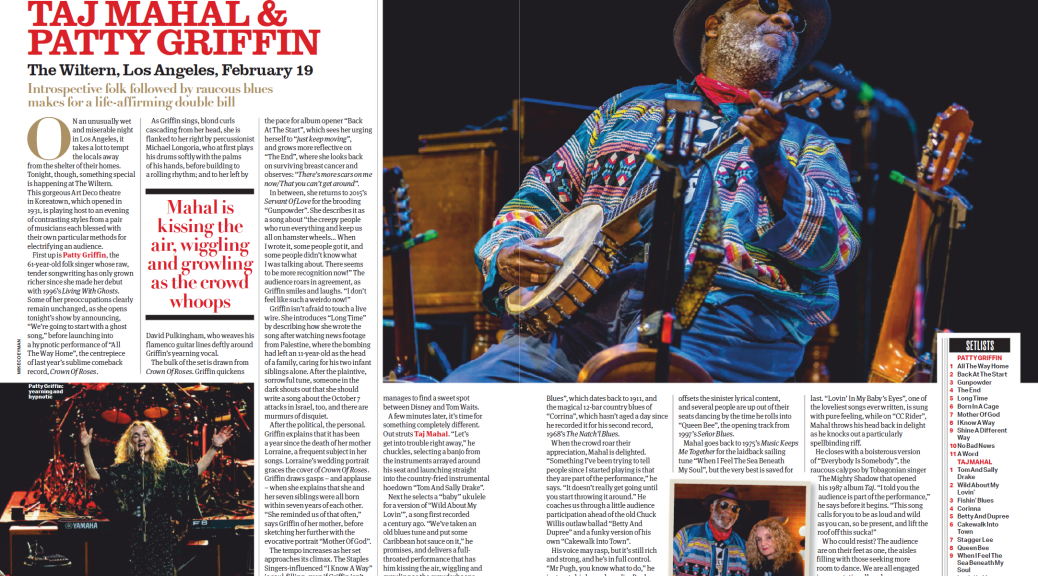
Taj Mahal & Patty Griffin: Live at the Wiltern
Introspective folk followed by raucous blues makes for a life-affirming double bill
Published in Uncut, May 2026
In LA, a new retail platform offers a viable alternative to Amazon
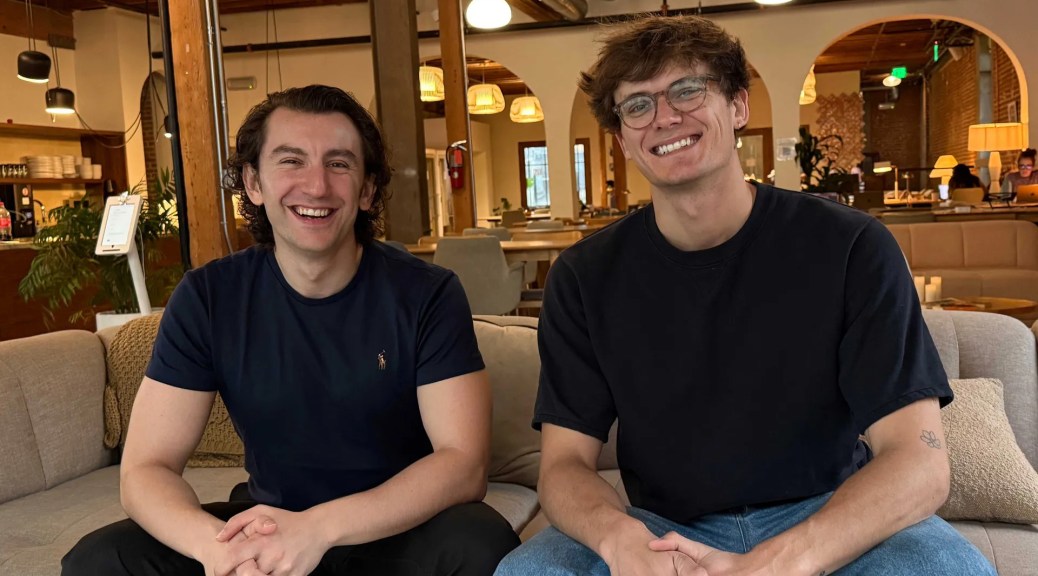
It’s the day before Valentine’s Day in Los Angeles, and Giftphoria founders Anthony Abaci and Nic Clar are both in their cars making sure some last-minute gifts reach their destinations. “It’s the busy season, to say the least!” says Clar with a laugh. “We’ve been running around all over the place.”
About a year ago, Abaci dreamed up the idea for the pair’s popular new website when he found himself stuck for something to buy his girlfriend’s 22-year-old cousin. “I thought: ‘Why do I never know what gifts to give these people?’” he recalls. “I know these people so well, why am I always having this problem? I wanted to try and solve it.”
Abaci’s hunt for a solution evolved into Giftphoria, a site that connects online shoppers with local small businesses and their artfully curated wares in the LA neighbourhoods of Echo Park, Silver Lake, Atwater Village and Pasadena. Soon, they’re planning to launch an app too.
How Miguel’s provocative set design brings tradition and revolution to the stage
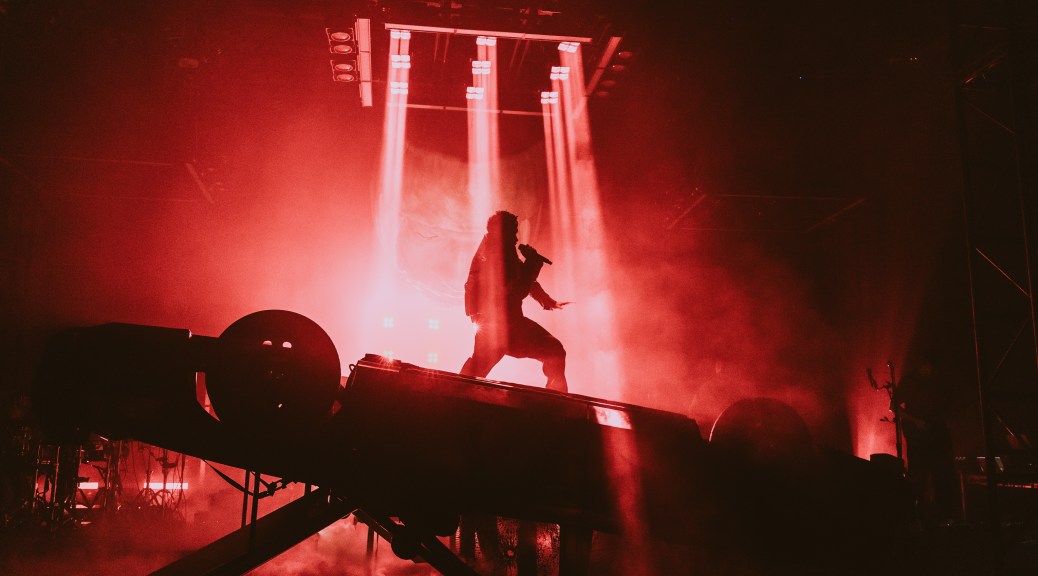
In a rehearsal space deep in the San Fernando Valley on the outskirts of Los Angeles, Miguel stands tall on top of an overturned police cruiser with a fist in the air and a microphone to his lips. Above his head, suspended from the rafters, a colossal sculpture in the style of an ancient Olmec head watches over him like an observant god. It’s a powerful image, a man caught between righteous defiance on the streets and the legacy of his ancestral history, and one that’s at the heart of the Grammy-winning R&B star’s electrifying new tour.
Last October, on the same day he turned 40, Miguel released his first album in eight years. Caos was born out of a transformative period in his personal life, during which he became a father for the first time and composed some of the most intimate and introspective music of his career. When he began planning exactly how he would take Caos on the road, he knew the live show would have to feel just as significant.
‘Last year was one of the most important years of my life, and this album is my most important album thus far,’ says Miguel, taking a seat on a black couch during a brief respite from a day spent fine-tuning his performance. ‘I knew I couldn’t come back with a tour where we just come out and do the songs everybody knows. The same amount of thought and consideration had to go into the stage.’
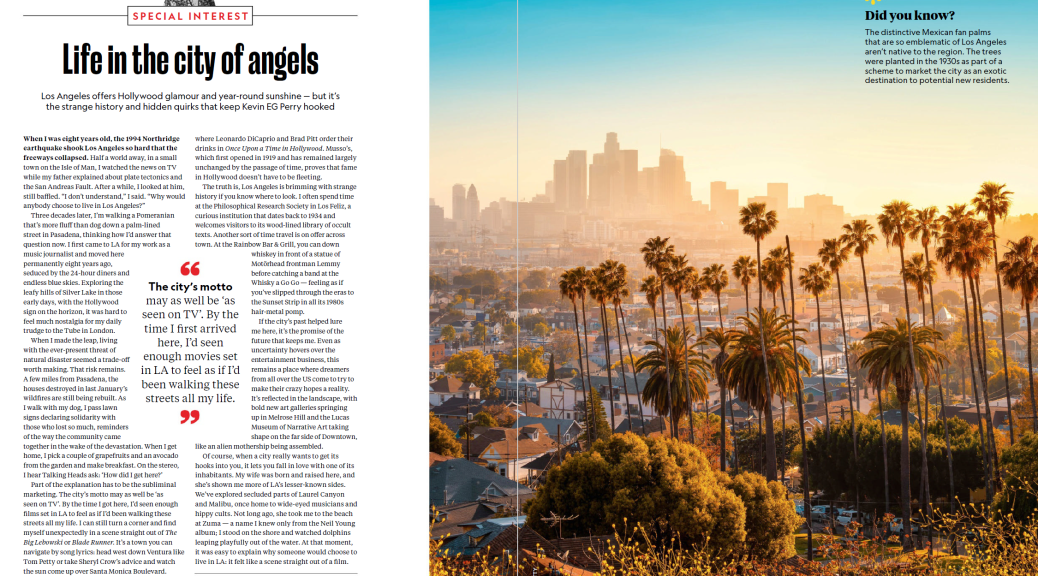
Life in the city of angels
Los Angeles offers Hollywood glamour and year-round sunshine — but it’s the strange history and hidden quirks that keep me hooked.
Published in National Geographic Traveller, March 2026.
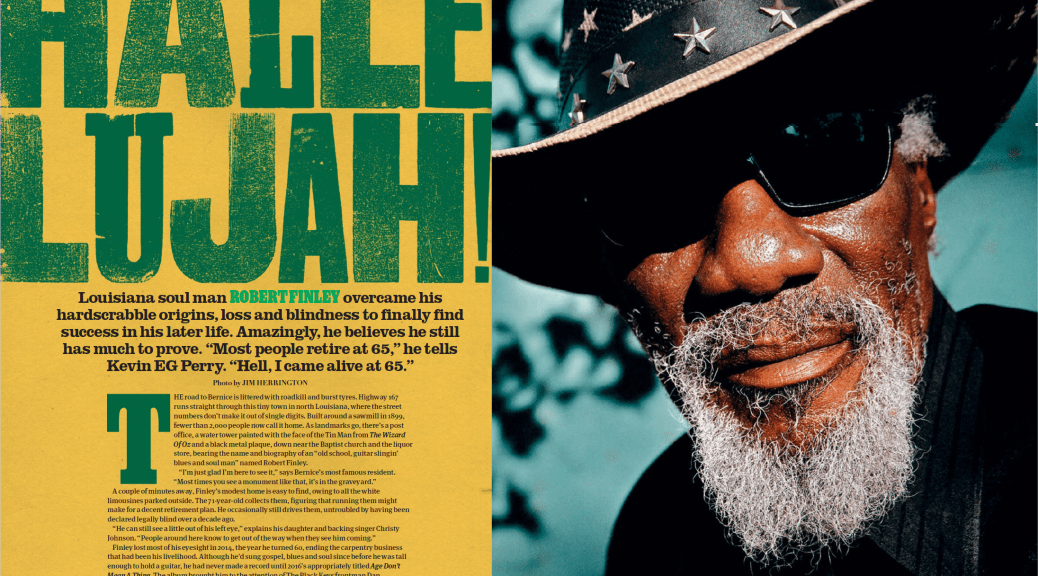
Robert Finley: Hallelujah!
Louisiana soul man Robert Finley overcame his hardscrabble origins, loss and blindness to finally find success in his later life. Amazingly, he believes he still has much to prove.
“Most people retire at 65,” he tells me. “Hell, I came alive at 65.”
Published in Uncut, March 2026
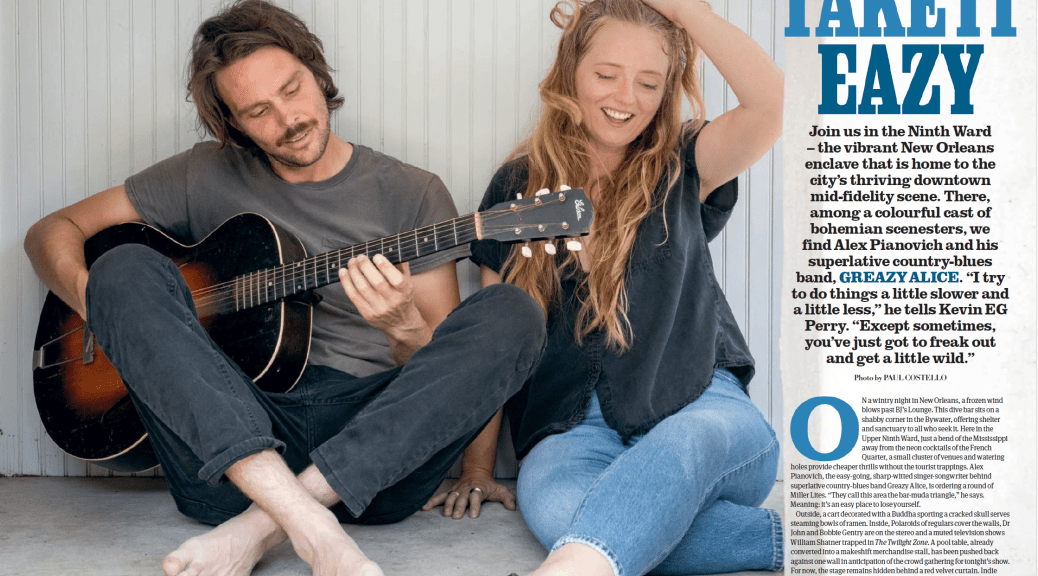
Greazy Alice: Take It Eazy
Join us in the Ninth Ward – the vibrant New Orleans enclave that is home to the city’s thriving downtown mid-fidelity scene. There, among a colourful cast of bohemian scenesters, we find the charismatic Alex Pianovich and his superlative country blues band, GREAZY ALICE.
“I try to do things a little slower and a little less,” he tells me. “Except sometimes, you’ve just got to freak out and get a little wild.”
Published in Uncut, February 2026

Warren Zevon: Keep me in your heart
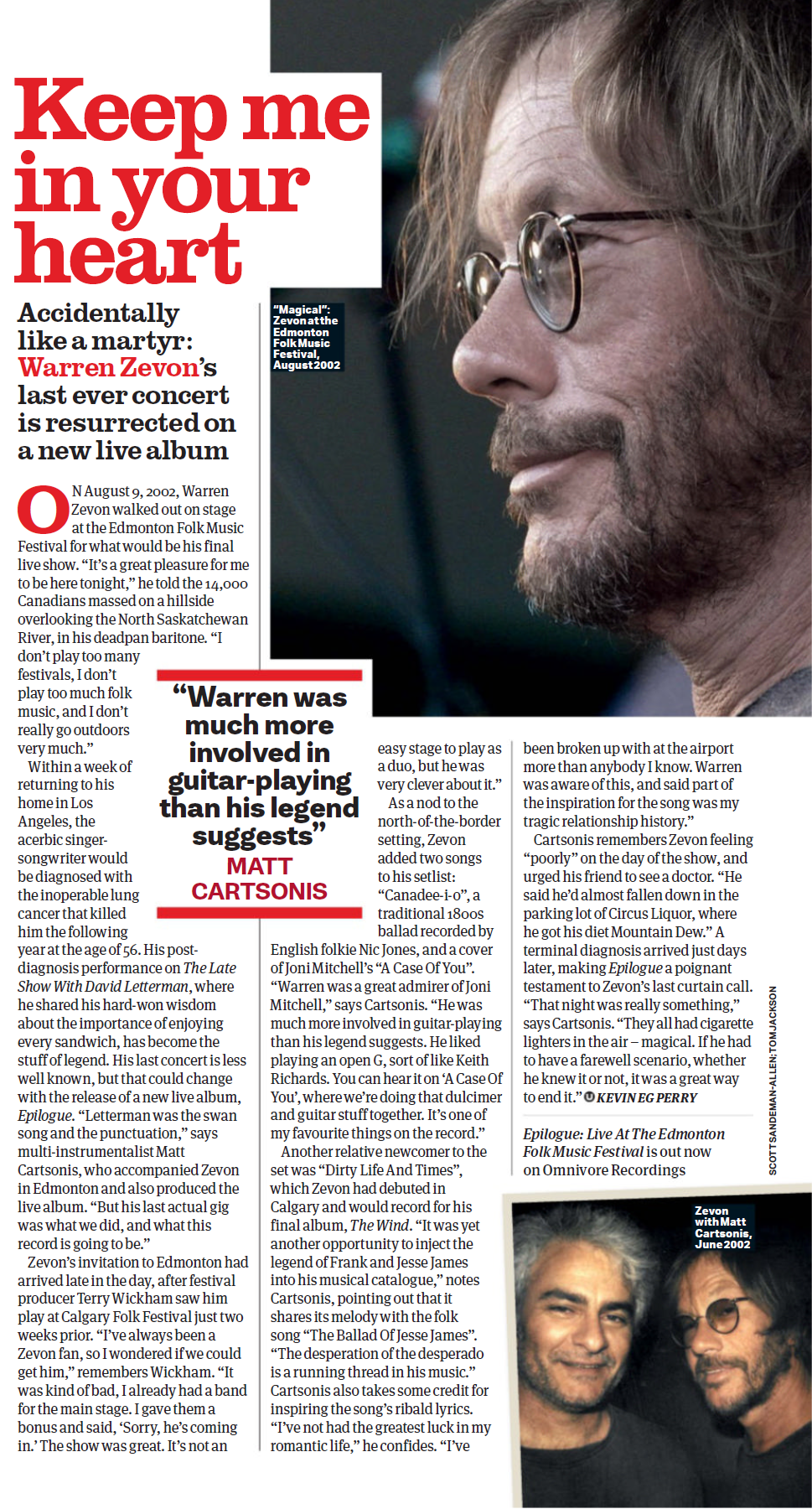
Published in Uncut, January 2026
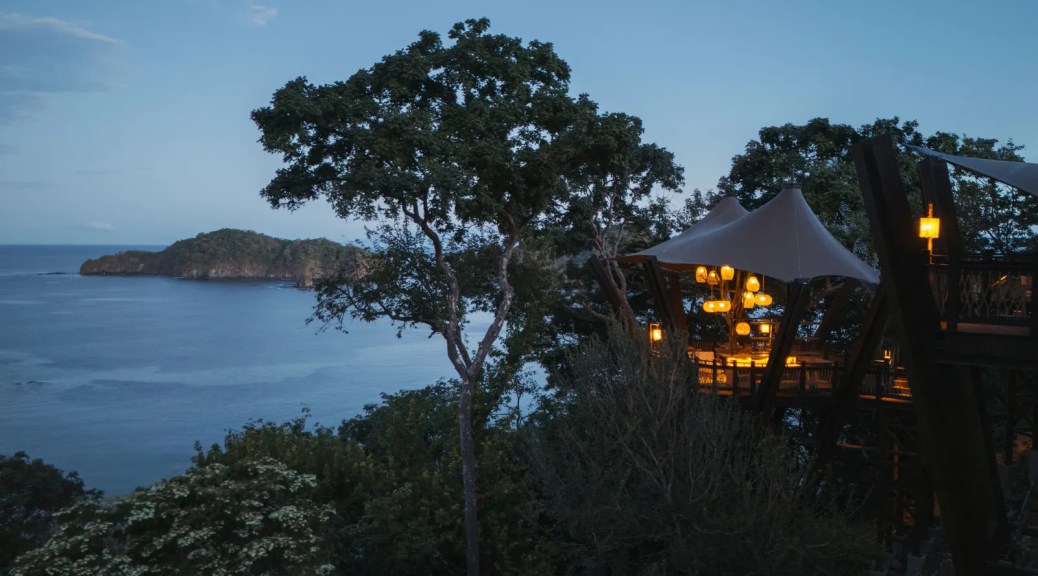
This elevated Costa Rican resort is a cut above
The northwestern corner of Costa Rica is one of the most biodiverse areas of the world, so it’s essential that when a new ultra-luxury property arrives, it takes care not to trample on the region’s outstanding natural beauty. In that respect, Nekajui, which opened earlier this year, is a tour de force. The first Ritz-Carlton Reserve in Central America, and only the eighth in the world, stretches over 570 hectares of lush cliffside, but if you gaze up towards it from the sapphire waters below, you can barely tell it’s there at all. This impressive sleight of hand is pulled off thanks to thoughtful biophilic design that includes a dramatic hanging bridge over a verdant canyon, a bar suspended in a tree house and a funicular that runs like a glass elevator down to a secluded sandy cove.

What’s on your doorstep?
Nekajui is the newest resort on the exclusive Peninsula Papagayo, a 1,400-acre promontory jutting into the Pacific that first came to the attention of luxury travellers with the opening of a Four Seasons 20 years ago. There are also a handful of private homes, including one by the noted architect Antoine Predock. 70 per cent of the peninsula remains protected from any sort of development and is covered by a tropical dry forest that teems with thousands of plant and animal species. At Nekajui, it’s not unusual to see brightly coloured birds taking up a perch beside the pools or to spot howler monkeys breakfasting in the treetops below the balconies. The hotel works closely with local guides Papagayo Explorers, who can arrange zip-lining, kayaking and forest tours. On a morning hike with lead naturalist Jhonny Hernandez, we breathlessly observed the remarkably coordinated courtship dance of the long-tailed manakin. ‘This,’ whispered Hernandez, ‘is a real Nat Geo moment.’
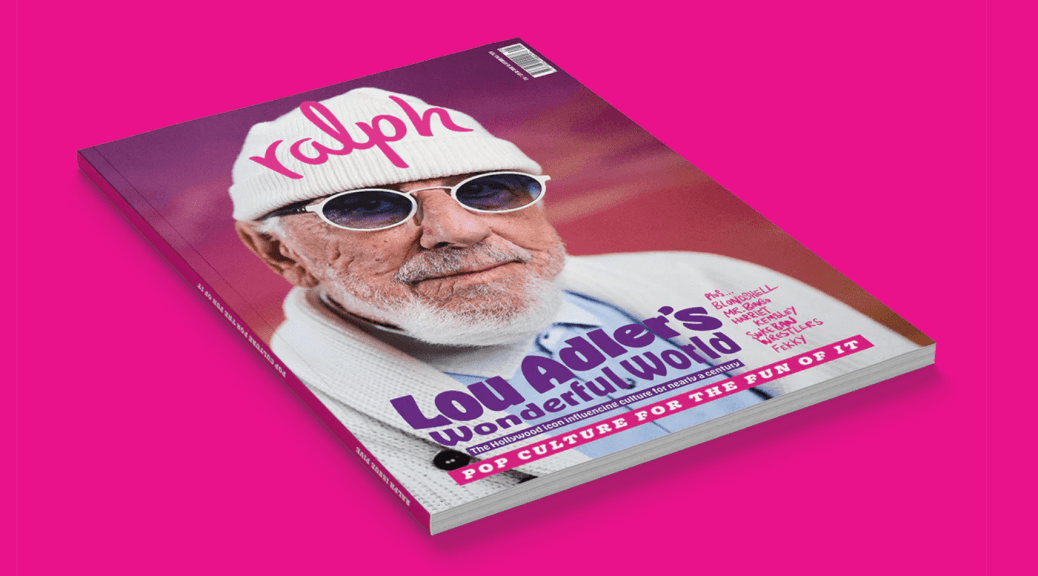
Lou Adler’s Wonderful World
Lou Adler walks into The Roxy on LA’s Sunset Strip like he owns the place, because he does. He rolls in through a side door in a slouchy white beanie that matches the frames of his shades, his neat, snowy beard and his baggy long-sleeved shirt, looking like he just sidled off a billboard promoting some impossibly hip streetwear brand. As he surveys the early afternoon scene, taking in the empty stage and the crouched bartender restocking drinks, I head over to introduce myself and realise I might be in the presence of the coolest 91-year-old alive. Lou is more than a legend of music and movies. He’s the living embodiment of the California dream.
By the time he threw open the doors of this iconic venue in 1973, Lou was already a Grammy-winning record producer and songwriter who’d played a not insignificant role in the birth of the modern music festival. Within another decade, he’d added “box-office-smashing film producer” and “cult comedy director” to his already staggering CV. After that, he eased back on the work commitments to concentrate on raising his sons – all seven of them.

Lou, as you can tell, is not a man who does things by half. He’s fine-tuned pop hits with Sam Cooke, Carole King and The Mamas & the Papas, sparked stoner gags with Cheech and Chong and partied with Jack Nicholson. He’s seen, heard and smoked it all. Later, I’ll make the mistake of wondering out loud if some pivotal moment of LA history happened before his time. Lou will laugh, and deadpan: “Nothing is before my time.”

Los Angeles’ best bars for craft cocktails and A-list design
The Los Angeles bar scene is as tough to neatly condense and define as the sprawling city itself. Diverse neighbourhoods jumble together side by side, each with its own sense of style and history, not to mention distinctive flavour palettes. A night out in the City of Angels can shift between contrasting backdrops quicker than a busy actor changes roles.
One thing that does unite this disparate city is Southern California’s abundant wealth of world-class fresh ingredients, which means cocktail menus are often updated to keep pace with the rhythms of the local farmers’ markets. It’s also true that wherever you go in this town, agave is king. The popularity of tequila and mezcal-based drinks has far outpaced their vodka-based equivalents.
From gritty downtown to historic Hollywood and the rarefied environs of Bel-Air and Beverly Hills, here are the very best places in Los Angeles to enjoy expertly-made drinks in artfully curated surroundings.

How Melrose Hill became LA’s hottest art district
On a recent sun-kissed afternoon in midtown Los Angeles, around 100 art-lovers gathered for a guided walkthrough of the new Diane Arbus retrospective at blue chip dealer David Zwirner’s flagship 30,000 sq ft gallery. When the event was over, they spilled out in every direction into the heart of one of the most exciting and fast-developing art districts anywhere in the world. In just a handful of years, the radical transformation of the blocks around the intersection of Melrose and Western Avenues has proved an old adage wrong. It used to be said that nobody walks in LA. These days, there are few better places to spend a day wandering around than amid the galleries and restaurants of Melrose Hill. ‘You can come here, park, have a nice lunch and go see seven different art shows,’ says Fernberger gallery owner Emma Fernberger. ‘That’s amazing.’
The area’s rapid reinvention didn’t happen by accident. Historically home to rows of furniture warehouses, the neighbourhood was hit hard when online retailers devoured much of the market and those traditional businesses moved out. Actor and developer Zach Lasry, the son of billionaire businessman and former Milwaukee Bucks owner Marc Lasry, noticed the untapped potential whenever he visited his then-girlfriend, now-wife Arianna, who lived on nearby Wilton Place. Beginning in 2019, he and his family bought 18 buildings within a three-block radius.
‘The architectural rhythm reminded me of the Bowery in New York, where you have all these old buildings lined up,’ says Lasry. ‘The Bowery was all restaurant supply stores, so it was a single-use street for a certain industry. This was similar because it was furniture row. It seemed like it had the right mix of location and building stock that it could become something really, really fun.’

Natalie Bergman: Have Mercy
When sudden tragedy struck, Natalie Bergman found solace in the New Mexico desert. Shedding indie rock for psychedelic gospel-soul, music played a big part in her healing – while her latest album finds fresh hope in new life. “People form bands because we’re lost,” she tell me. “We’re like: ‘Hello, we’re looking for our home here on Earth.'”

Stanley Booth: Dance With The Devil
When journalist Stanley Booth joined the Stones’ 1969 US tour for his classic book The True Adventures Of The Rolling Stones, he stumbled into a personal hell
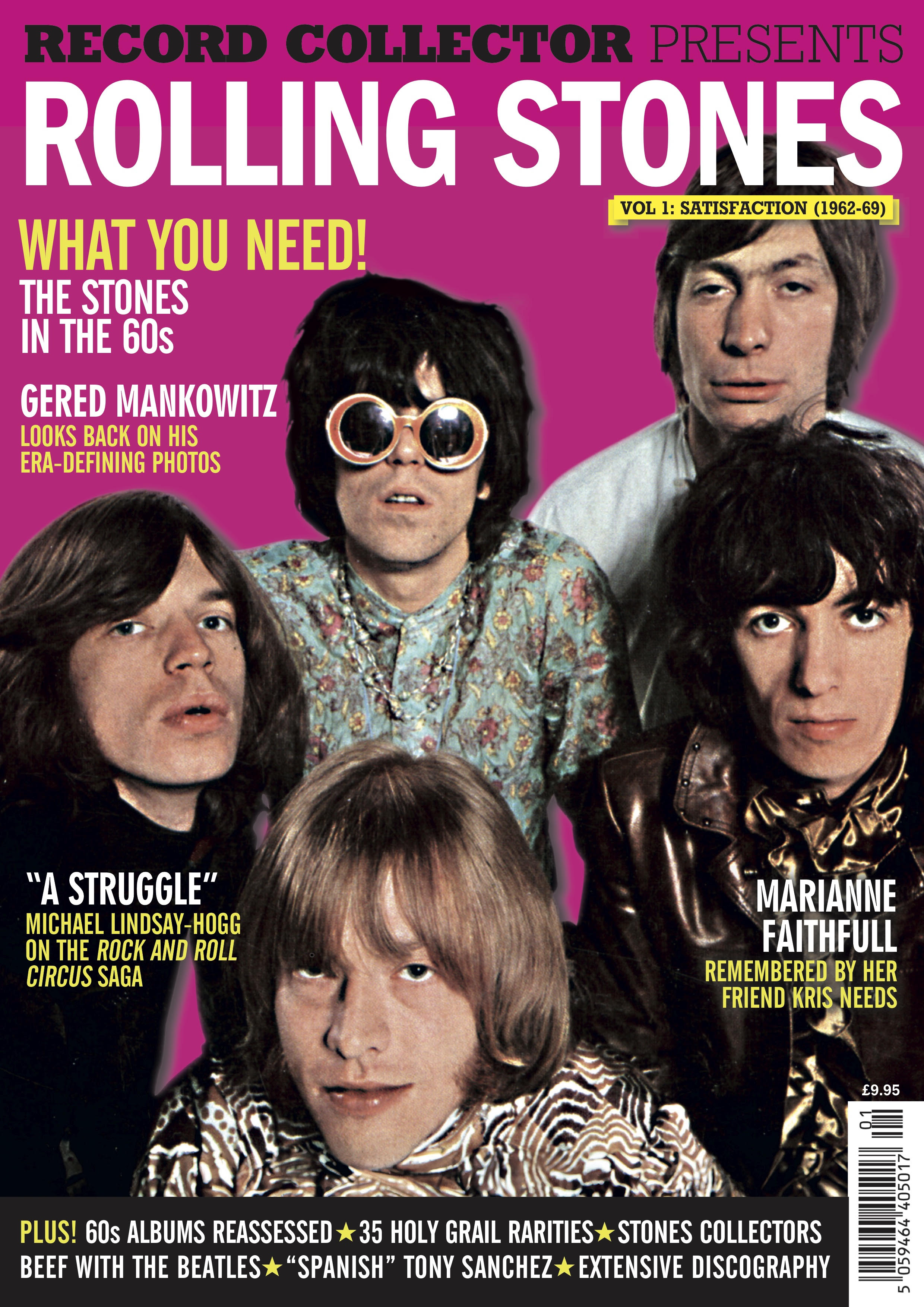
Published in Record Collector Presents: The Rolling Stones in the 60s

Bob Dylan & Willie Nelson: Live at the Hollywood Bowl
Outlaw Music Festival, May 16, 2025
On a mild night in Hollywood, Bob Dylan is still not ready for his close-up, Mr DeMille. When the 83-year-old strikes up his band, stationed behind his upright piano and mumbling his way through his Oscar-winning 2000 single “Things Have Changed”, the screens on either side of the Bowl remain defiantly dark. They do eventually flicker into life a handful of songs later, but even then only to offer a fixed wide shot of Dylan at centre stage with his bandmates grouped around him like a Roman phalanx. As an audience, we perhaps sense we are being kept at arm’s length. “I used to care,” drawls Dylan. “But things have changed.”

For this third date of the 10th anniversary tour for Willie Nelson’s Outlaw Music Festival, Dylan follows immediately in the wake of the Michigan-born bluegrass player Billy Strings, whose set climaxes in a frantic, high-energy tornado of duelling guitars and banjos.
The octogenarian Dylan’s set begins at a more relaxed clip but builds swiftly into a heady blend of early classics, deep cuts and covers. He seems to be enjoying himself. After a stuttering “Simple Twist of Fate” and a swooning “Forgetful Heart”, he lets out a loud chuckle and asks someone in the audience: “What are you eating down there? What is that?”
For all his own magnificent material, the early highlight of the set is his cover of George “Wild Child” Butler’s Chicago blues number “Axe And The Wind”. The song was a new addition to Dylan’s repertoire just two dates ago, but its bluesy swing suits him and his band down to the ground. The lyrics were written by the great bluesman Willie Dixon but the indelible closing line – “I may be here forever, I may not be here at all” – doesn’t appear on the original recording and is surely a Dylan refinement. A similar righteous stomp powers his own “Early Roman Kings”, from 2012’s Tempest, another standout.
By now Dylan fans are well accustomed to his rearranging of his own standards, and the expansive new version of “All Along The Watchtower” is a wild delight. That’s followed by another pair of reinvented classics, “It Takes A Lot To Laugh, It Takes A Train to Cry” and “Desolation Row”. On either side of that run, Dylan delves into his own internal library for a pair of covers that seem to speak to his personal history: “I’ll Make It All Up To You”, a 1958 hit for Jerry Lee Lewis, and “Share Your Love With Me”, recorded by both Bobby “Blue” Bland and Aretha Franklin.
After a strutting “Love Sick”, from 1997’s Time Out Of Mind, Dylan takes a moment to introduce his band: rhythm guitarist Doug Lancio, longtime bassist Tony Garnier, new drummer Anton Fig and lead guitarist Bob Britt, praised as “one of those guys who went down to the crossroad and made a deal with the Devil, and boy you can tell.”
They close with “Blind Willie McTell” and a crowd-pleasing “Don’t Think Twice, It’s All Right”, on which somehow Dylan’s voice sounds stronger and younger than it has all night. If the audience feel they’re finally being invited in, it’s another feint. On the two previous stops of this tour, Dylan has returned for an encore and a surprise new cover: first The Pogues’ “A Rainy Night in Soho” and second Rick Nelson’s “Garden Party”. Tonight, he just disappears never to return. Oh well. As Nelson sang, and as Dylan doesn’t tonight: “You can’t please everyone, so you got to please yourself.”

Half an hour later, a banner across the stage drops down to reveal Willie Nelson seated in front of a rapidly unfurling American flag. As the 92-year-old sings an upbeat “Whiskey River” there’s a croak in his voice, but by the time he’s rattled through “Still Is Still Moving to Me”, “Bloody Mary Morning” and “I Never Cared For You” the old richness and warmth is back.
He’s flanked by two young members of his extended family: his own son Micah, also known as Particle Kid, and Waylon Payne, the son of his longtime guitarist Jody Payne and the country singer Sammi Smith. They help share the singing load, with Micah winning over the crowd by explaining that his song “(Die When I’m High) Halfway To Heaven” was written after his dad uttered the title line while they were getting stoned together. Payne, meanwhile, sings a rollicking version of Merle Haggard’s “Workin’ Man Blues” and Kris Kristofferson’s “Help Me Make It Through The Night”, which was a 1970 hit for his mother.
That allows Nelson to focus his energy on his signature hits: a singalong “Mammas Don’t Let Your Babies Grow Up to Be Cowboys”, an exuberant “On The Road Again” and the always heartbreaking “You Were Always On My Mind” and “Georgia (On My Mind)”. The very best moments, though, are when Nelson stares death in the face and laughs.
On his version of Tom Waits’ “Last Leaf”, the title track from his excellent recent covers record, he sings defiantly: “I’ll be here through eternity, if you wanna know how long / If they cut down this tree, I’ll show up in a song.” The audience cheer that sentiment, and they’re up on their feet dancing as Nelson runs straight into his own joint-in-cheek broadsides at mortality “Roll Me Up And Smoke Me (When I Die)” and “Still Not Dead”.
“I woke up still not dead again today / The internet said I’d passed away,” he sings on the latter, eyes twinkling. “But don’t bury me, I’ve got a show to play.” Long may this pair of never-ending tours keep rolling along.

Katy O’Brian: “I made a PowerPoint for the casting director”


Published in Vera, February 2025

Santa Monica hotspot The Georgian Room is a rare, well-done steakhouse speakeasy
In Los Angeles, the city of perpetual youth, places with genuine history are worth clinging on to – a sentiment felt all the more in the wake of the recent wildfires. The Georgian Room, an intimate, sophisticated steakhouse tucked away beneath Santa Monica hotel icon The Georgian is one such rare gem. If it feels like a discreet speakeasy that’s because it really was one once upon a time, first opening its doors in 1933 right at the tail end of the prohibition era and becoming a favoured beachside hangout of mobster Bugsy Siegel and movie stars Clark Gable and ‘Fatty’ Arbuckle alike. Today, thanks to a gorgeous renovation completed in 2023, it serves up both Hollywood Golden Age nostalgia and contemporary elegance.
It’s hard to miss The Georgian. The towering turquoise Art Deco hotel has been known as Santa Monica’s first lady since it went up almost a century ago, becoming one of the very first skyscrapers on Ocean Boulevard. Slip around to the right and down a flight of stairs and you’ll find The Georgian Room hidden behind a set of doors with distinctive mermaid-shaped handles.

Los Angeles’ best fine-dining restaurants
In a city where you’re rarely further than a drunken stumble from a world-class taco truck and even A-list actors celebrate winning their Oscars by feasting on In-N-Out burgers, it can sometimes seem like casual food is king. Yet the truth is, Los Angeles has a rich and thriving fine dining scene with more than its fair share of high-end restaurants where exciting, innovative dishes are the real stars. So whether you’re celebrating a special occasion or simply in the mood for a Michelin-approved meal you won’t soon forget, remember the wise words of the anthropomorphic French candlestick who became a Hollywood icon singing: ‘If you’re stressed, it’s fine dining we suggest…’ Be our guest and enjoy the best fine dining establishments in Los Angeles.
Ardor
The Sunset Strip is a storied stretch of West Hollywood famous for debauched rock clubs, riotous bars and historic hotels, but it hasn’t always been a go-to destination for fine dining. That changed most recently in 2019 with the opening of Ardor at the West Hollywood Edition which delivers a vegetable-forward take on California cuisine. The restaurant itself, designed by British minimalist architect John Pawson, is sleek and modern, lined with lush greenery, and the plates are just as elegantly designed. The tower of tempura onion rings arrives perfectly seasoned, while the fluffy milk bread with beefsteak tomato is delightful whether or not you choose to dip it in the creamy king crab ballerine. For dessert, don’t leave without trying the pineapple arroz con leche. The Sunset Strip may no longer be as rambunctious as in its 1970s heyday, but these days it’s delivering a higher class of culinary thrills.
Providence
Providence is the real deal. First opened in 2005 and the proud owner of two Michelin stars since 2008, this James Beard Award-winning restaurant is deservedly renowned for its spectacular and imaginative seafood-tasting menu. Their attention to detail is apparent from the moment you step off Melrose Avenue and take the plunge into the deep blue somewhere of the recently revamped interior. Glass ‘sea cloud’ installations by the Parisian artist Jeremy Maxwell Wintrebert seem to drift overhead above moonlit seascapes by San Diego painter Peter Halasz. The establishment’s admirable commitment to sustainability is evidenced by the rooftop habitat garden that produces herbs, salads and honey.
The latter makes an appearance in the sublime Bee’s Sneeze cocktail, one highlight of the excellent bar which also boasts one of the city’s finest whisky collections. All of this helps set the stage for chef Michael Cimarusti’s ever-evolving tasting menu, which currently includes highlights such as a delicate uni tartlet with tsukudani and French butter and a miniature lobster roll with white truffle and caviar. For those who enjoy a show with their dinner, it’s possible to reserve a seat in the chef’s tasting room which offers a live view of Cimarusti and his team at work. One of the true can’t-miss restaurant experiences in Los Angeles.

Benee: “Watermelon and red wine make it feel like a celebration”


Joni Mitchell: Live at the Hollywood Bowl

Published in Uncut, Review of the Year 2024

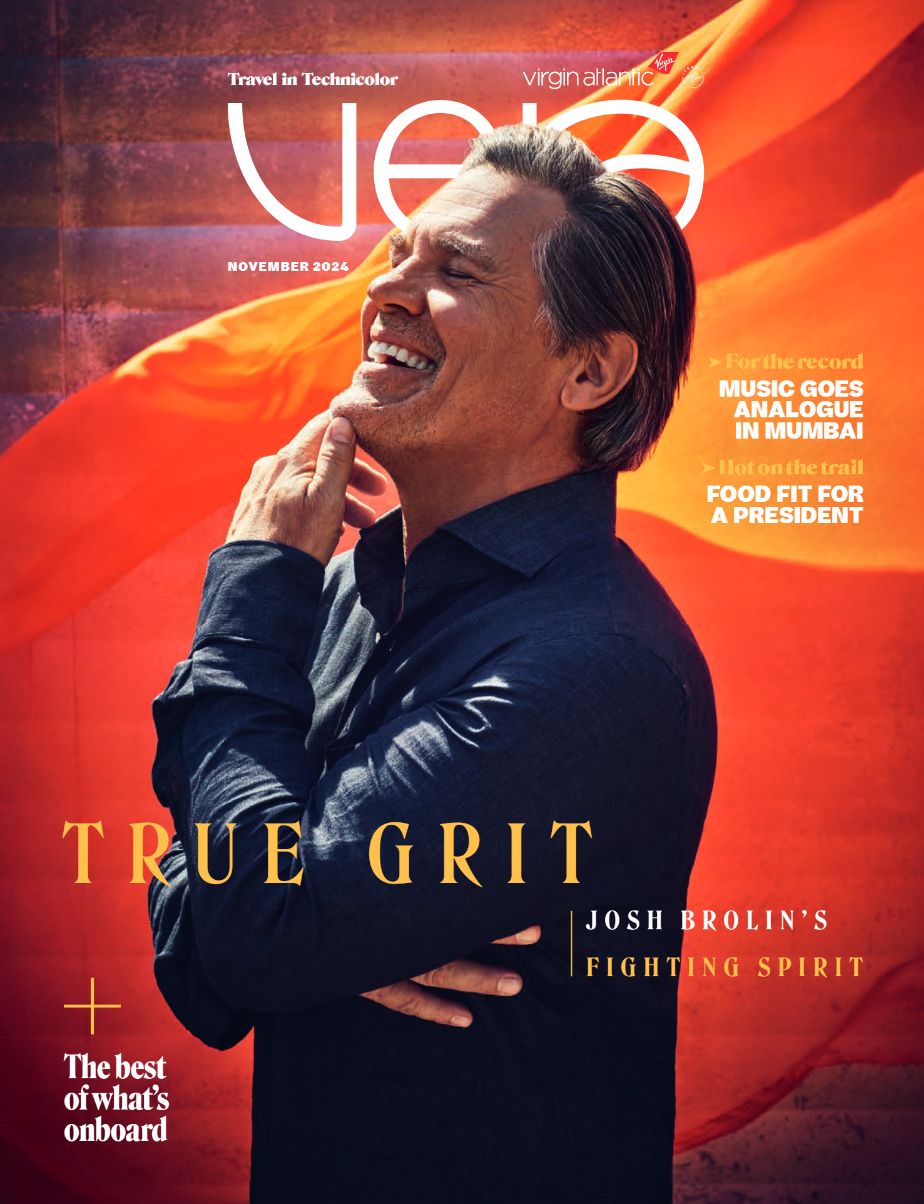
Josh Brolin: True Grit
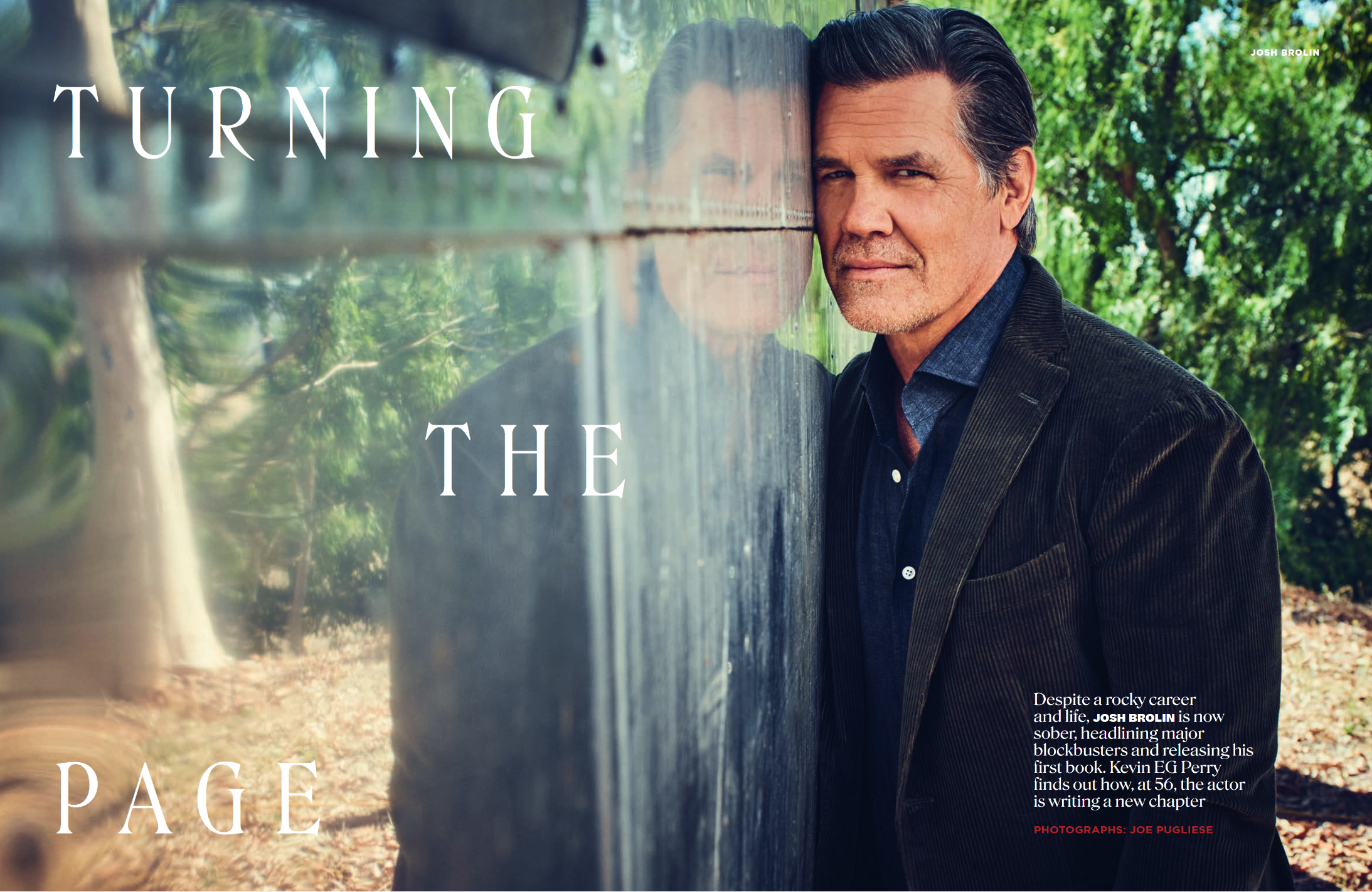
Josh Brolin slows his big black pick-up truck to a crawl as soon as he spots the injured deer on the mountain road ahead of us. He gives the wounded animal a wide berth and pulls up alongside a sheriff already on the scene, exchanging a few words of concern and expressing brotherly solidarity with the lawman’s watchful task. A moment later we pull away, continuing our winding descent from the remote Malibu film ranch where the 56-year-old has spent the morning being photographed for the cover of this month’s Vera. For the first time in the few hours we’ve spent together, Brolin falls into a contemplative silence.
The Oscar-nominated star of No Country For Old Men and Avengers: Endgame may have inherited his surname and his good looks from his TV-famous father, James Brolin, but he wasn’t born into a movie career. Rather than spending his childhood amid the glitz and sheen of Hollywood, Brolin grew up with dirt under his fingernails on a ranch outside Paso Robles, several hours north up the California coast, where his fierce and unpredictable mother Jane Cameron Agee kept a sort of menagerie.
“Whether I was birthing mountain lions, or cleaning wolf cages, or feeding 65 horses at 5:30 in the morning at eight years old… it was a pain in the ass,” Brolin tells me with a grin that breaks through his powder-white goatee. “But I look back on it now and I’m happy. Once directed properly, it gave me the ability to face fear in a very productive way… like with writing this book.”
The book in question is From Under The Truck, Brolin’s soon-to-be-published memoir that’s about as far from a clichéd celebrity autobiography as you’re ever likely to lay eyes on. He calls publishing it: “The scariest thing I’ve ever felt in my life.” It’s a raw, surprising and deeply affecting work from a man who dreamed of being a writer long before he ever stumbled his way into his father’s profession. “It’s what I’ve always loved, number one,” he tells me earnestly about writing. “I’ve never not done it every day.”
From Under The Truck throws out conventions like chronological time to skip back and forth between tales of love and loss, professional victories undone by alcoholism, childhood trauma and drug-fuelled teenage escapades. There are skittering poems, romantic vignettes and keenly-observed dialogues that read like kitchen-sink dramas. At the heart of it all there’s Jane, a hard-drinking, rabble-rousing, larger-than-life character who preached the gospel of country-and-western and raised her son to be an ass-kicker in her own image before driving drunk into a tree and dying at 55. “I had no plan to write a book. I just started writing, and then when I finished I realised I was 55,” Brolin says softly. “I went: ‘Jesus Christ, I thought my mom was old when she died.’ I thought she’d lived a good, full life. I realised she was young, super young. There was a whole other life to be lived.”
Brolin’s own life is proof of the possibility of second acts, and even further reinventions beyond that. At 13 he was dropping acid in the Santa Barbara suburb of Montecito, a member of a punk rock surf crew known as the Cito Rats, watching friends die young and assuming a similar fate awaited him. When his mother predicted he’d follow in his father’s footsteps, he pushed back hard. “I don’t know if I’ve ever told anybody this,” he says, running a hand through his salt-and-pepper hair. “At one point she said: ‘You know you’re going to be an actor.’ I had no interest in acting. Zero. I didn’t care for what my dad did. It made him go away a lot. The fluctuations in money made no sense to me. I hated that she said that. It made me hate it even more.”
Things changed when he took a high school improv class. He liked making people laugh by transforming into someone else, liked having to think on his feet. When he was kicked out of home he went to stay on his dad’s couch. “I just started going on audition after audition,” he remembers. “Maybe the Brolin name made people curious, but I also know people tried to stop me getting jobs because I was Brolin’s son. The Goonies was like the 300-and-something audition. I went back in six times because they wanted to make sure I was right for that part.” He was, and a bandanna-wearing 17-year-old Brolin made his screen debut in the much-loved adventure classic in 1985. “It was a silver platter experience,” he says. “It was all downhill after that!”
Almost before he realised it, Brolin’s promising future was behind him. He followed the The Goonies with a string of forgotten, forgettable films. “What did I do after Goonies?” Brolin asks rhetorically. “I was in the business 22 years and nobody cared.” In the book, Brolin juxtaposes his memories of Goonies with his impressions of landing the lead role in the Coen Brothers’ Oscar-winning No Country For Old Men over two decades later. “Those are the two milestones,” he explains.
The role remade his career overnight. “Before No Country I wasn’t making any money,” Brolin says matter-of-factly, explaining he took up day trading to support his two kids from his first marriage to actress Alice Adair. “I was always a numbers person, the geek in school that would ask the math teacher for extra work, so I was good at it. I realised I was watching fear and greed, and success had everything to do with discipline. I made more money trading than I’d ever made from acting up to that point.”
After No Country, he had his pick of roles and specialised in deconstructing masculine archetypes. He earned an Oscar nomination in 2009 for rendering the “pathetic” Dan White sympathetic in Gus Van Sant’s Milk, and gave vivid life to the chocolate-banana-inhaling, hippie-stomping cop “Bigfoot” Bjornsen in Paul Thomas Anderson’s sublime stoner noir Inherent Vice. Days before shooting the latter, Brolin and his now-wife Kathryn Boyd were on a drunken night out in Costa Rica when a stranger stabbed him in the gut. Only the fluke that the blade went directly into the thick umbilical ligament around his belly button saved his life. “I’m not going to win the lottery,” he says, shaking his head with a laugh at his luck. “I just get to live.”
It was one of many moments that convinced Brolin, in 2013, that it was time to get sober. “I’m not proud of a lot of stuff I did,” he reflects. “I was pretty crazy back then. I was very reactive when I drank.” He recognised the darker sides of his mother’s character in himself, and realised he didn’t want his story to end the way hers had. “Having a mother like Jane was amazing, but it was also awful,” he says. “I don’t really wish that on anybody.” He wanted something different for his own kids. “It wasn’t necessarily a conscious choice, but it’s about breaking that chain. I think they thought: ‘He’s a good dude, but he’s crazy.’ That was the general perception. When I first got sober, Eddie Vedder said to me: ‘Surprise everyone with a happy ending.’”
So he did. There were the blockbuster roles as Thanos, the finger-snapping baddie bent on wiping out half of all life in the box office-conquering Avengers films, and meaty collaborations with Denis Villeneuve in the tightly-wound thriller Sicario and both instalments of sci-fi epic Dune. More importantly, for Brolin, there was the chance to prove himself the writer he’d always hoped to become. Along with the memoir he’s written a play, A Pig’s Nest, also partly inspired by his wild, wildlife-filled upbringing. Meanwhile, at home, he sees bright flashes of his mother’s sense of freedom in his two young daughters, whose toy unicorns and baby dolls are strewn colourfully around inside the
truck.
We’re finally nearing the base of the mountain. As we hit the layer of fog that lingers above the Pacific Coast Highway, our phones chirrup to life to let us know we’ve returned to the zone of phone reception. I tell Brolin he can drop me anywhere I can call a car, but he won’t hear of it. He’s already decided he’s driving me home himself, hours out of his way. Maybe because he can’t bring himself to leave me stranded on the roadside, like the deer up the mountain. Maybe because he hasn’t finished telling me about the surprise of a happy ending.
Right before his mother died, in 1995, he was visiting her at home when he found her crying in the kitchen. Not from pain, but from pride. She was developing a TV idea about animal rescues, and for the first time in her life felt she was being taken seriously. “Her whole life she had felt like the woman with the beard, the snake with two heads,” Brolin explains. “She was just opening up to the fact that maybe she wasn’t just a freak… and then she died. For me to live that out, and to get past my own reactive Cito Rat mentality… there was survivor’s guilt for a while, but now it’s up to me to celebrate every moment I get to keep going.”

Melissa Barrera: “I’m honoured to be called a scream queen”


The seven best Los Angeles museums
The old stereotype that Los Angeles is a shallow place obsessed with appearance and ephemeral beauty doesn’t hold much water when measured against the impressive number of world-class museums the city has to offer. Not only are the following institutions filled with fascinating treasures, artefacts and artworks from around with world, they’re often based in truly beautiful buildings in their own right, and home to relaxing gardens, sun-kissed courtyards and unparalleled views. These are the museums that are not-to-be missed in the City of Angels.
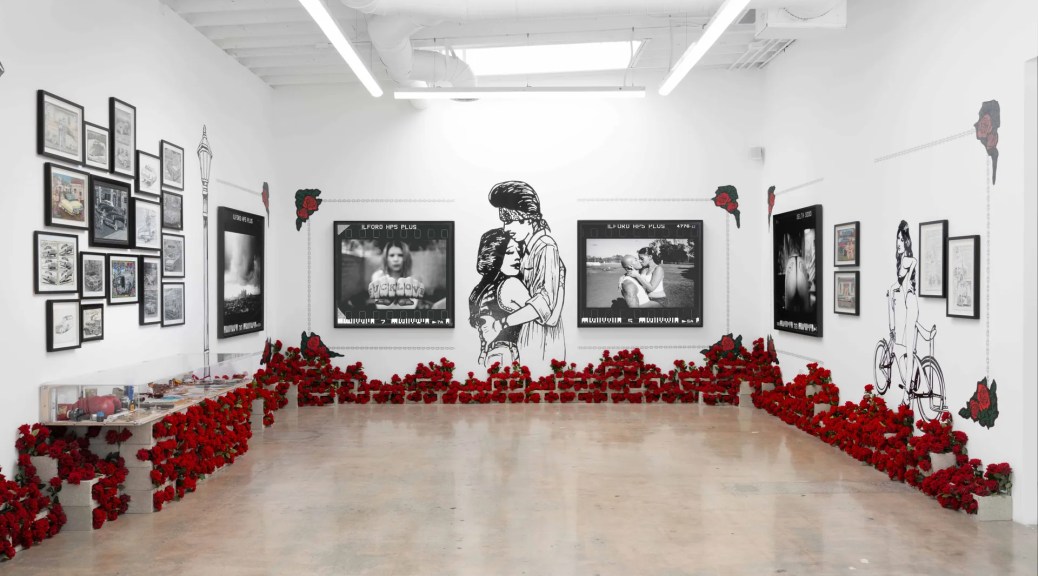
The lesser-known Los Angeles galleries contributing to a vibrant art scene
Los Angeles might be most readily associated with Hollywood’s celluloid dreams, but it’s also heaven for art collectors. The city is dotted with a panoply of contemporary galleries, ranging from purpose-built spaces to converted studios and strip-malls. Here you’ll find emerging American artists side-by-side with the best international talent, and museum-quality collections vying for room beside urgent and thought-provoking street art. Los Angeles, famously, is a patchwork of contrasting scenes and neighbourhoods, but one thing that unites them all is that this has always been a place to see and be seen. That’s never been more true than at these trailblazing art galleries.

Soul Music: ‘Diamonds & Rust’
“Well, I’ll be damned,
Here comes your ghost again…”
Joan Baez, also known as the “Queen of Folk”, is halfway through writing a song one day when she gets a call from Bob Dylan. It’s 1974; almost 10 years after their relationship ended. The song went on to become the iconic ‘Diamonds and Rust’, an outpouring of memories from their time together in the early sixties.
Music writer Kevin EG Perry tells the story behind Baez and Dylan’s relationship, how they shaped each other’s worlds, and how this song came into being a decade later. Folk legend Judy Collins, also a good friend of Joan Baez, shares old memories of Newport Folk Festival alongside more recent memories of performing ‘Diamonds and Rust’ with Baez at her 80th birthday. And we hear from people whose lives have been touched by the song. Classicist Edith Hall listened to ‘Diamonds and Rust’ on repeat when she ended her first marriage, on the night that the Berlin Wall fell. And writer John Stewart looks back on a heady relationship from his early twenties, which was always bound up with the lyrics of this song. Decades later, this formative time in his life continues to resonate with diamonds, rust, and gratitude.
Producer: Becky Ripley

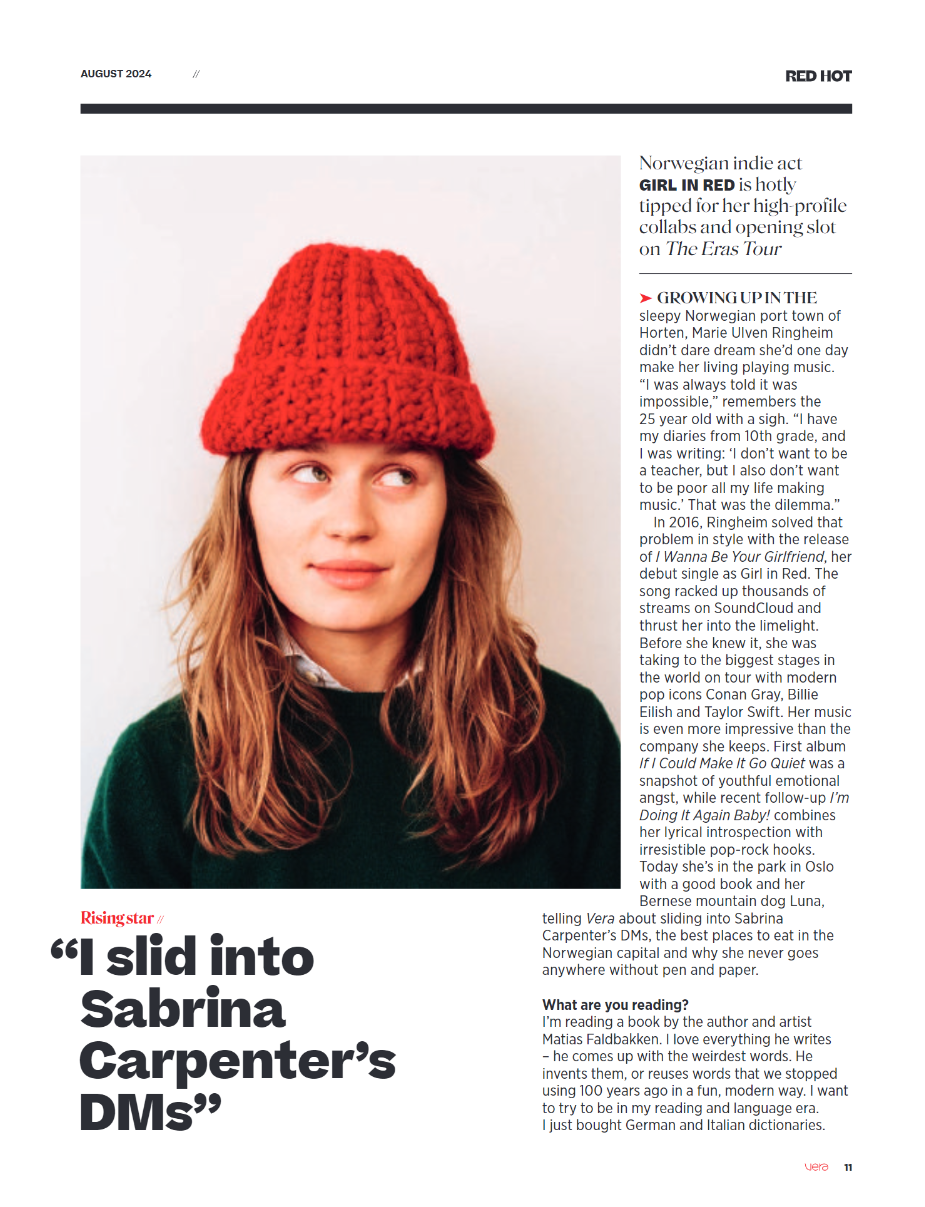
Dinner at the movies in Los Angeles

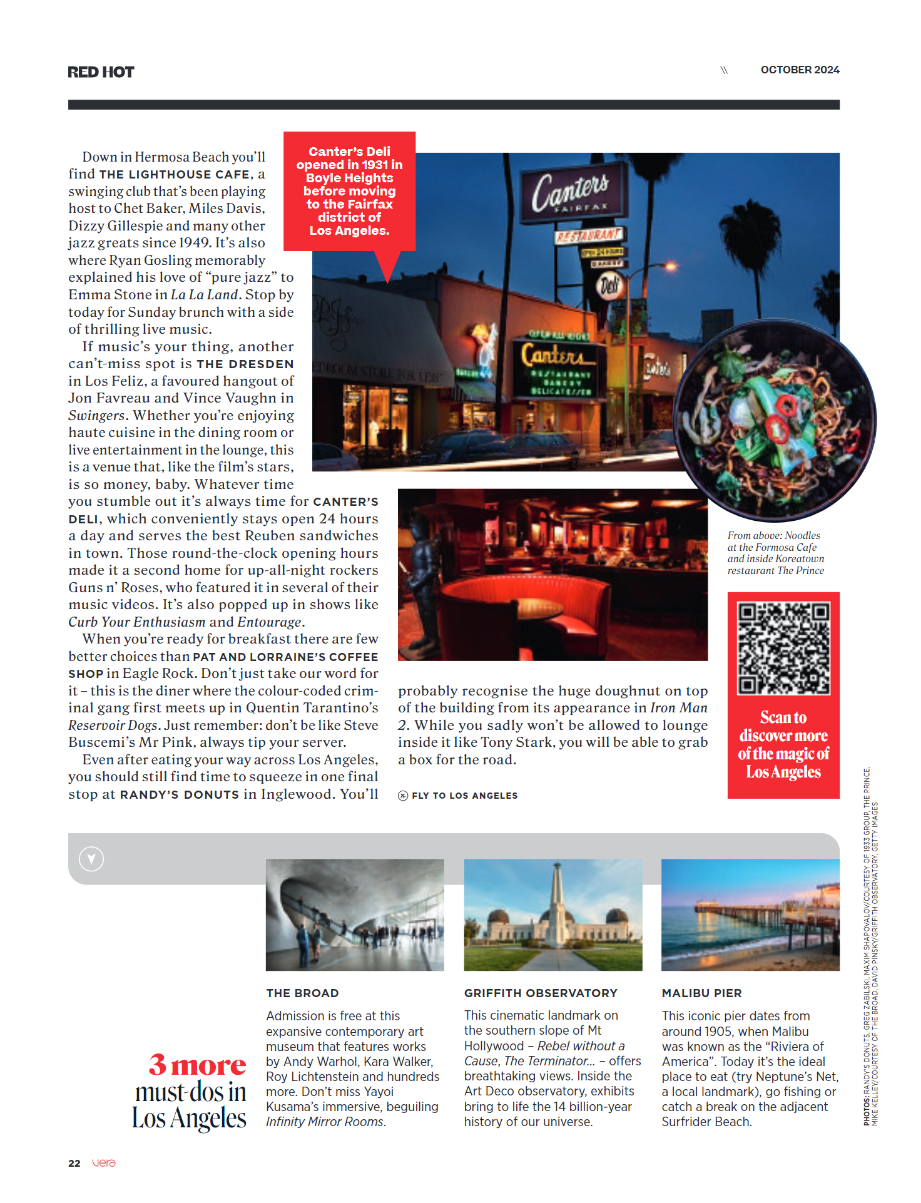

Girl in Red: “I slid into Sabrina Carpenter’s DMs”
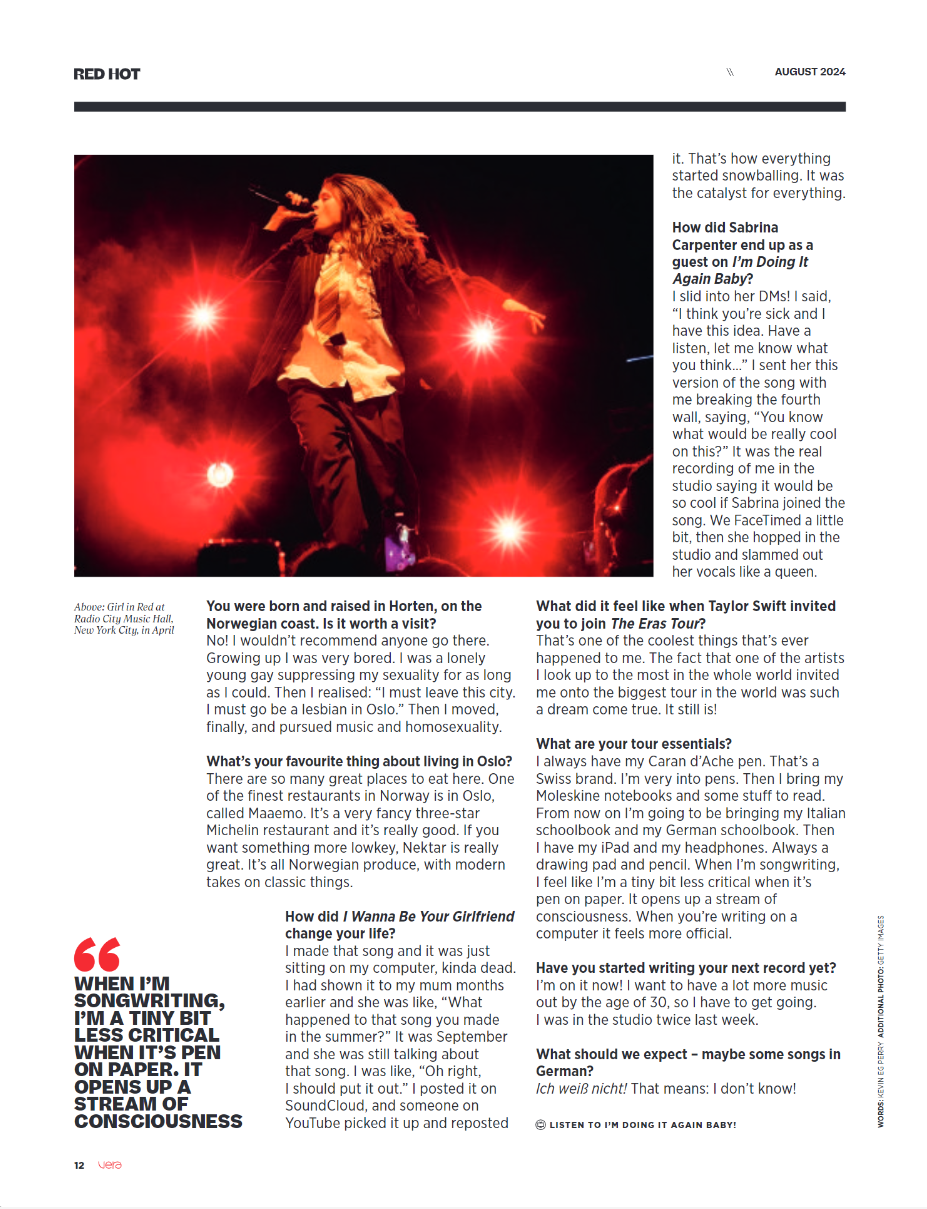
Published in Vera, August 2024.

Kali Reis: “I learned so much from Jodie Foster”

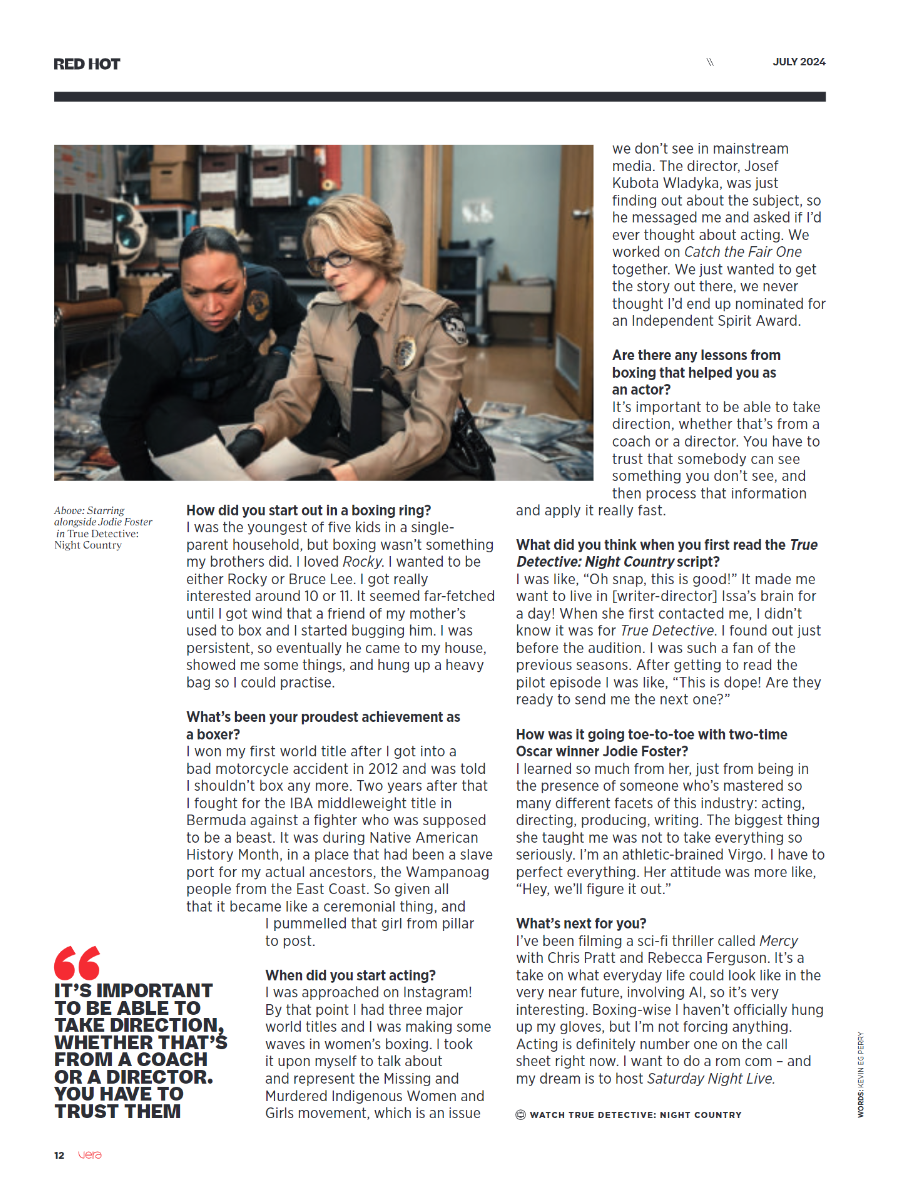
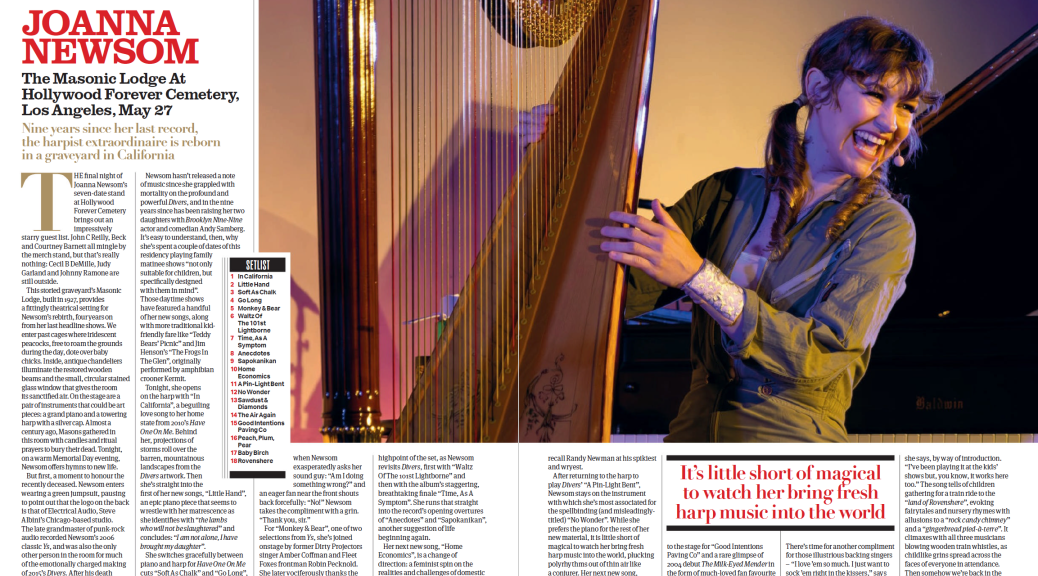
Joanna Newsom: Live at Hollywood Forever Cemetery
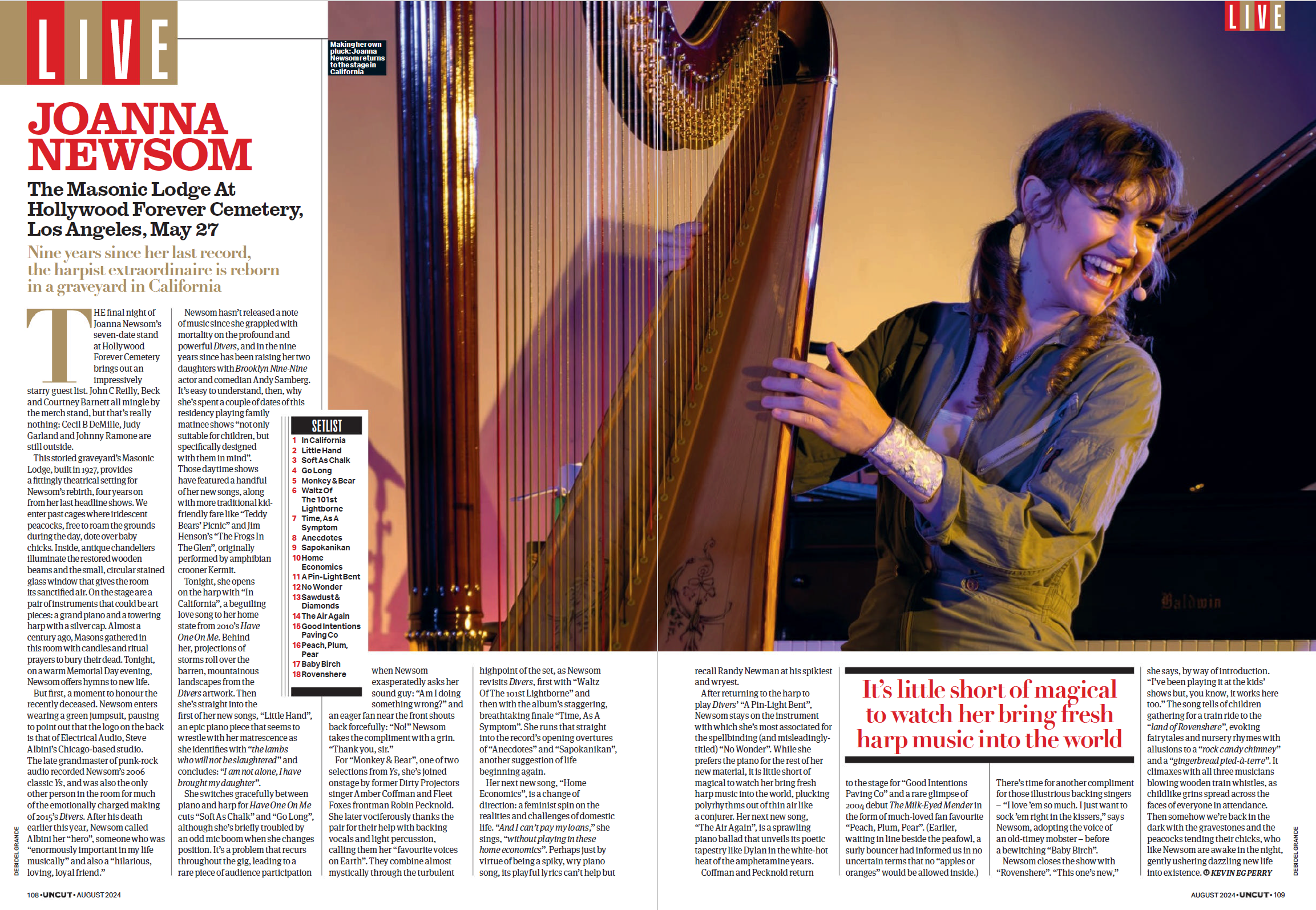
Published in Uncut, August 2024

Mdou Moctar: This Is A Call
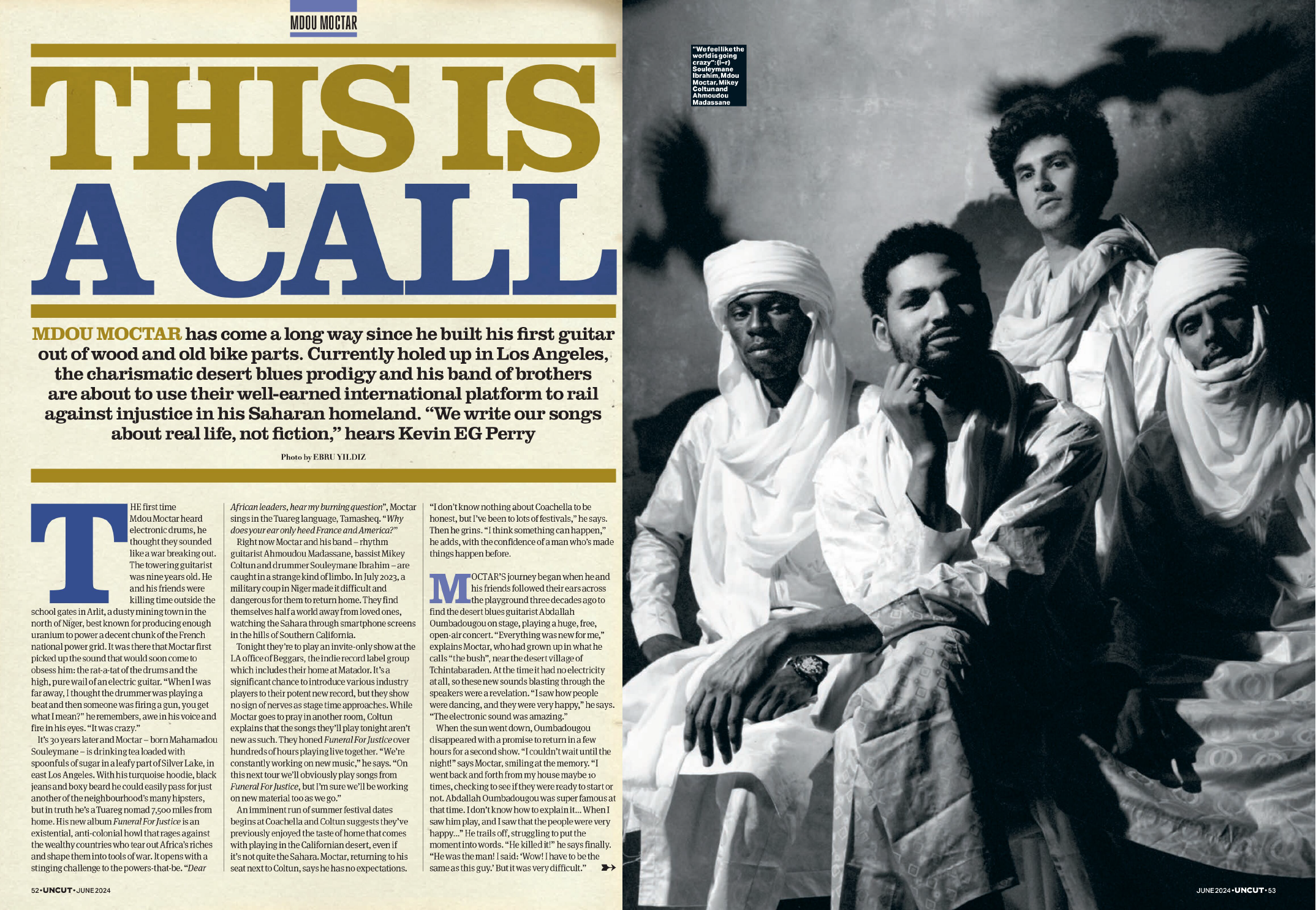
Published in Uncut, June 2024

Jay Pharoah: “My girlfriend broke up with me before my SNL audition”


Danny Trejo on doing time, tacos and teaching De Niro to rob banks
Danny Trejo knows he’s being watched. Glancing over his shoulder, the 79-year-old flashes a wide, toothy smile at the women a couple of tables down from us who’ve just clocked the presence of the baddest of all badasses. ‘No way!’ they exhale in unison. Trejo turns back to me, still grinning, and digs a tortilla chip into a mound of guacamole studded with pistachios. ‘Someone once told me I was the most recognisable Latino in the world,’ he says. ‘I went, wait, am I ugly or what?’ He erupts into a throaty laugh that reverberates like gravel in a cement mixer, then shakes his head. ‘Nah, you’ve just been in a lot of movies, holmes.’

To be fair, it’s hard to stay incognito when your face is plastered all over the walls. We’re having lunch at Trejo’s Cantina, a bright, colourful taco joint in the heart of Hollywood, with a full bar and a recurring motif in its choice of artwork. Trejo’s moustachioed mug stares out from hot-sauce bottles, staff T-shirts and the sign above the door. In the toilets, murals depict just some of his more than 400 film, television and video game roles: thrusting open a trench coat full of blades as Mex-ploitation action hero Machete, taking the mic in From Dusk Till Dawn, his severed head riding across the desert on a tortoise in Breaking Bad. If you didn’t recognise Danny Trejo in this place, you never would.
The quintessential screen tough guy opened his first taqueria a few miles south of here on La Brea Avenue in 2016, and now has five Trejo’s Tacos locations dotted across Los Angeles. Next he has his sights set on London, specifically a prime spot on Portobello Road. He fell in love with the city a decade ago while shooting Muppets Most Wanted. ‘I stayed there for about four weeks,’ he remembers. ‘Me and Ray Liotta walked all over. It was a joy. People are so friendly, especially because me and Ray are pretty recognisable. We went to see Buckingham Palace and were complete tourists. But both me and Ray said: “They need some Mexican food here!”’

Pop Idol: Worshipping at the altar of Carly Rae Jepsen

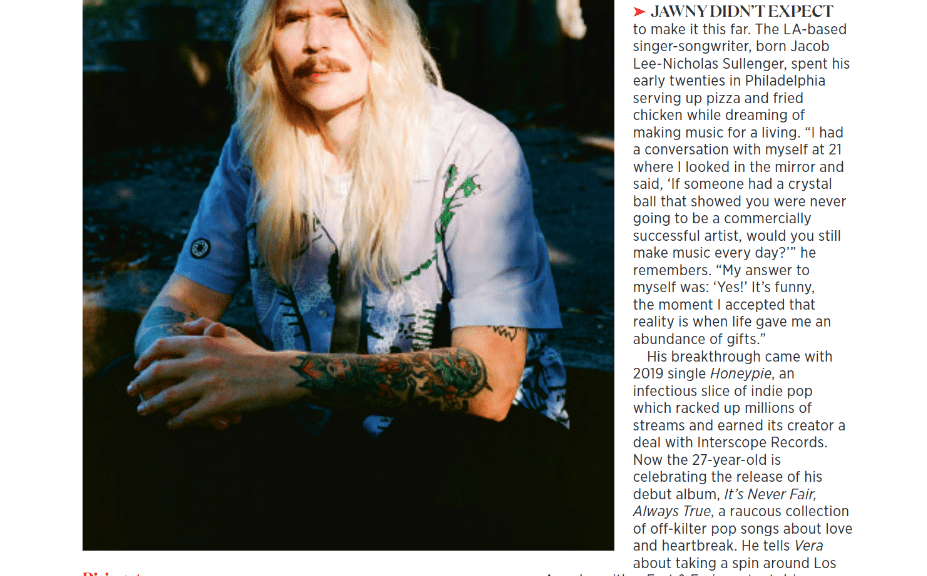
Jawny: “Beck is gonna think I’m a weirdo”


Slick Rick: The British storyteller who conquered hip hop


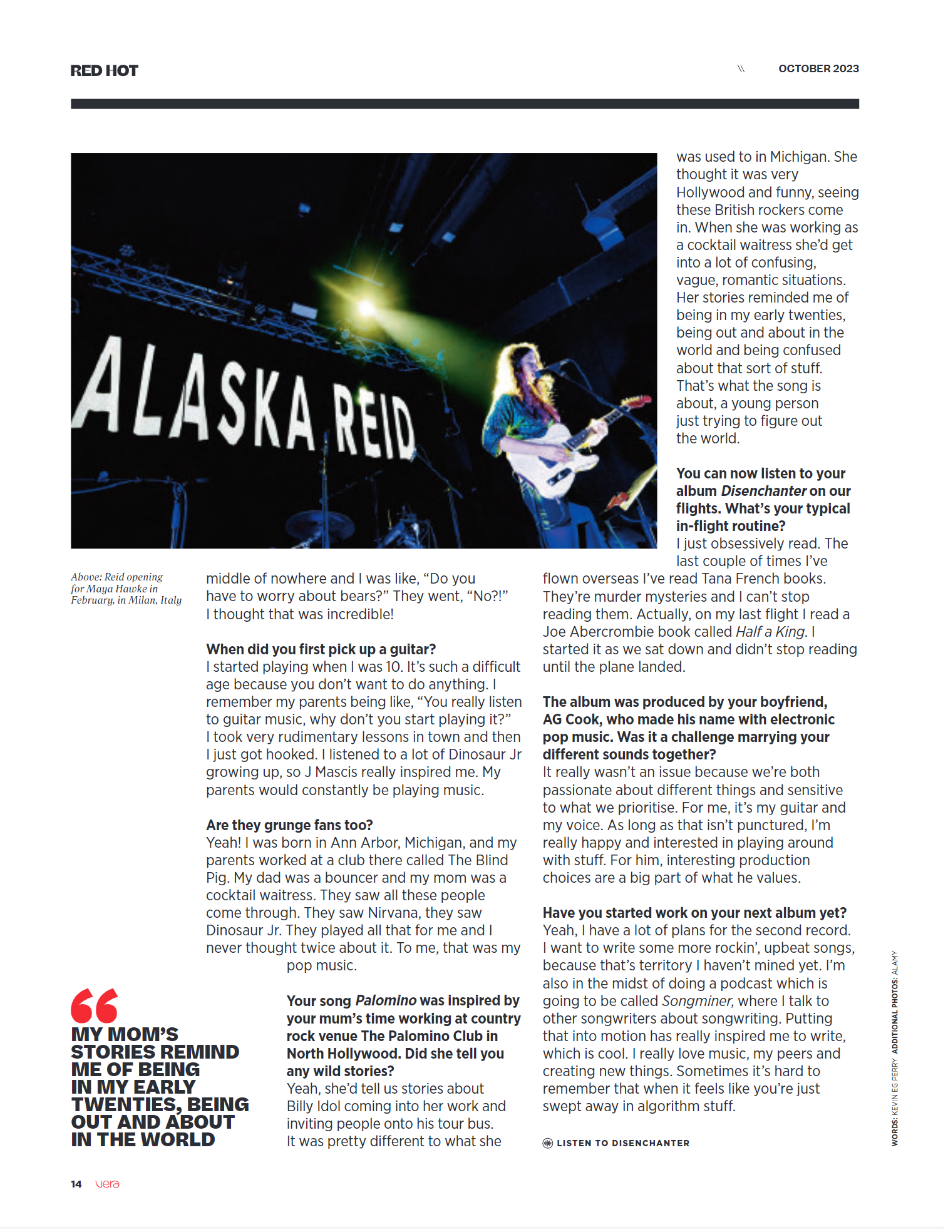
Alaska Reid: “Nirvana was my pop music”


Ariana Greenblatt: “I talk to Margot Robbie about my boy problems”


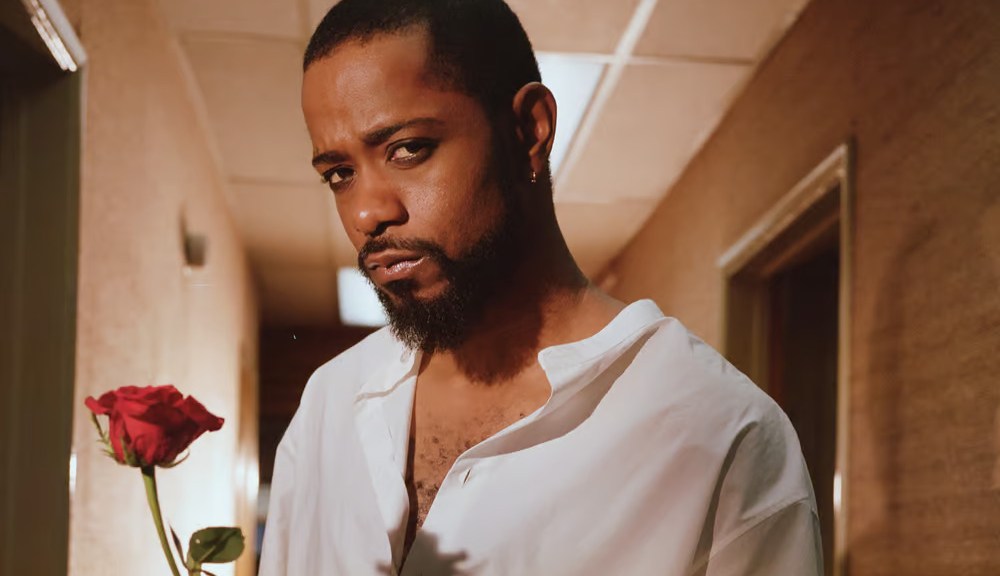
A far-out first date with LaKeith Stanfield
Glancing around at his surroundings, it isn’t hard to see why LaKeith Stanfield might, as he puts it, ‘feel adrift in history’. We’re sitting on wooden chairs in a cottage on the grounds of a Pasadena hotel that dates back to the Gilded Age. Stanfield has been living here for the past few weeks while he remodels his nearby home to mimic its rustic aesthetic: exposed oak beams, heavy velvet curtains, wrought iron pokers beside the fireplace. ‘I like feeling like I’m in a different time,’ he says. ‘That’s how this hotel makes me feel.’ It is, he says, his hideaway from the modern world. ‘I’m trying to find a hole and stay there,’ he smiles. ‘Especially these days, I’m really enjoying the things that matter, like family. Building my family and having those moments of sacredness is really important.’
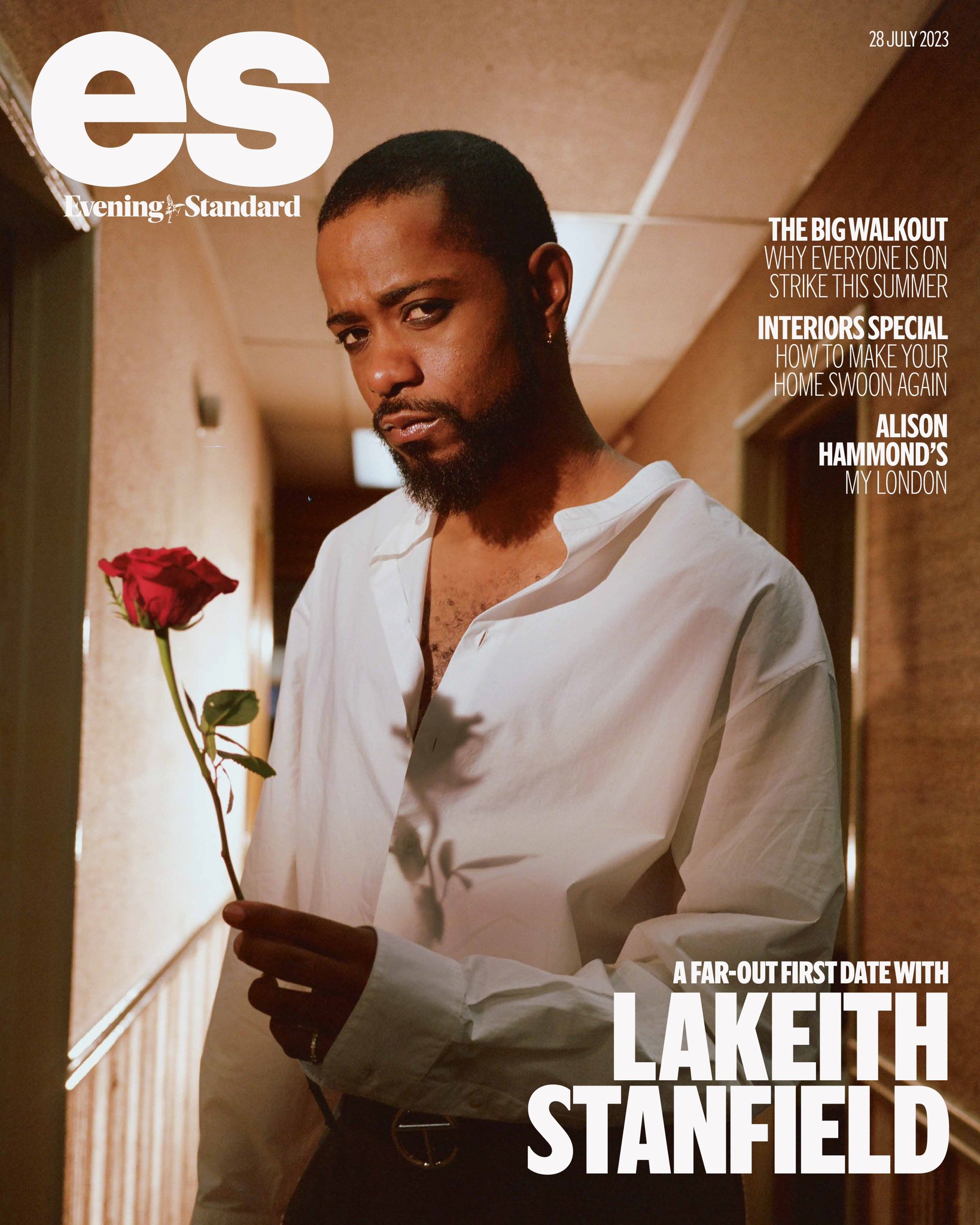
Let’s bear with him for a moment, shall we? ‘I don’t know if it’s start-middle-end,’ he muses, his voice low and languid. ‘I view it as a revolution in a circle, a neverending loop.’ The 31-year-old (at least by conventional calendars) found himself pondering this concept on the set of his spooky new Disney movie, Haunted Mansion. ‘If you think about it like that, technically we’re ghosts,’ he continues. ‘The question is: do you want to be a good ghost or a bad ghost? You’re in someone’s dream right now, and you’re either haunting it or making it more pleasurable. My thing is: let’s make people’s dreams a little bit more fun and cooler, make them feel good if we can.’
Over the past decade Stanfield has established himself as the most compelling, charismatic and idiosyncratic actor of his generation. His lethargic charisma is endlessly malleable, allowing him to drift through time to play an Old West outlaw in The Harder They Fall or a 1960s FBI informant in Judas and the Black Messiah (earning an Oscar nomination in the process). He is best known, though, as the otherworldly Darius, who spent four seasons of Atlanta as the trippiest, most heartfelt character on television.

Melissa McCarthy: Master of Disguise
For once, Melissa McCarthy isn’t joking. A moment ago the two-time Oscar nominee was her usual buoyant, effervescent self, but recent attempts by right-wing politicians to ban drag shows across the USA are no laughing matter. “The attack on drag is absolutely insane,” she says. “People have been doing drag forever. It’s what I do for a living. We all do it. Frankly, every time you put on something to make you seem a little better, a little more handsome, a little more beautiful, then you’re doing your own type of drag.” Her playful smile returns as she pitches her alternative political movement. “My campaign would be: ‘More drag! All drag!’” she laughs. “I’m gonna have that T-shirt made. That’s what the world needs.”

As it turns out, if it wasn’t for drag McCarthy would never have got her start in comedy in the first place. Right now the 52-year-old is at CinemaCon in Las Vegas, where she’s just sparked headlines around the world by unveiling the first clip of herself playing scheming sea witch Ursula in Disney’s live-action remake of The Little Mermaid. But long before she was singing in blockbuster musicals, before collaborating with her husband Ben Falcone on a string of hit comedies like Tammy (2014), The Boss (2016) and Thunder Force (2021), even before she earned her first Oscar nomination with her scene-stealingly outrageous performance in Bridesmaids (2011), McCarthy was a 20 year-old farm girl newly arrived in New York from rural Illinois. Just hours after turning up in the city, a friend suggested she try stand-up. “I’d never even been to a comedy club,” she explains over video call from her Vegas hotel room. “The thought of going up there as myself was paralysing, but I could go up in character.”
So that night, McCarthy created Miss Y. “She was my drag,” she says. “I went up in a huge wig, a silver lamé dress and a tonne of make-up and talked about the trials and tribulations of being the most beautiful woman in New York City.” Those first three minutes on stage sparked a life-long love affair with comedy. “The next day I called my parents and said: ‘I’m not going back to school. I’m gonna do stand-up,’” she remembers. “For some unknown reason, my mom said: ‘Okay, that sounds like a good idea.’ What terrible advice! Thank goodness it worked out.”

Lisa Rinna reporting for duty

Beauty? For Lisa Rinna, the secret to beauty is simple. ‘Find out what makes you happy, and do that,’ she says sagely. We’re sitting by the pool at the Beverly Hills Hotel, beneath towering palm trees and clear blue LA skies. She sips her iced tea and looks at me through the yellowy tint of her oversized Tom Ford shades. ‘Listen,’ she drawls, ‘I don’t care how much work you have done, if you’re a fucking miserable cunt… nothing’s gonna help you, honey!’
Rinna’s laugh is loud, uproarious and dirty. As fans of her brash, outspoken tenure on The Real Housewives of Beverly Hills might expect, she is outrageously good company. Today she’s casually chic in a figure-hugging black Éterne dress, Givenchy slides, black-and-white Valentino bucket hat and the aforementioned Tom Fords, and has never been happier. At 59, she is suddenly the talk of the fashion world. In January, not long after announcing her departure from Housewives after eight years, luxury brand Kenzo got in touch to ask whether she’d like to sit front row at its Paris Fashion Week show. ‘I guess because it was covered so tremendously, people saw I was there and started asking me to come to different things,’ says Rinna, who ended up popping up everywhere from Michael Kors at New York Fashion Week to Richard Quinn’s ‘mind-blowing’ show in London.
In Copenhagen, she walked the catwalk for Rotate Birger Christensen in a black bodysuit and cheetah-print fur coat. While leaving Housewives may have cleared her schedule, after so many years on the show it’s clearly still never too far from her mind. When I ask about the secret to her longevity in showbusiness — three-plus decades, booked and busy — she replies in a voice dripping with sarcasm: ‘I guess being the biggest bully in Hollywood has helped a great deal.’ She’s referring, of course, to Kathy Hilton’s infamous hot-tempered accusation during a Housewives reunion last year. Did that line bug her? ‘No, I wouldn’t say it bugs me,’ she replies with a smirk. ‘I just think that it’s really ironic coming out of her mouth!’ She cackles. ‘Projection is a real interesting thing on that show. We all do it. Actually, I thought it was pretty funny, to be honest with you.’
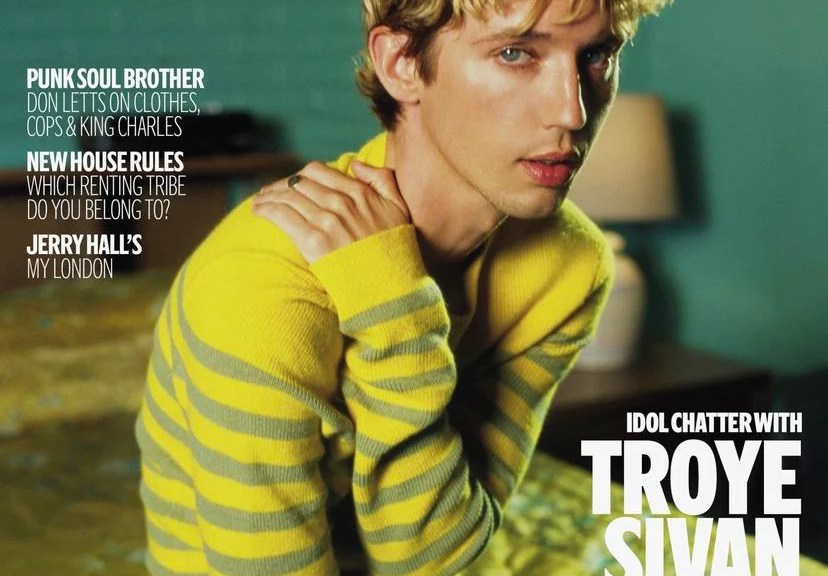
Troye Sivan: “Am I ever gonna quit music to be a full-time actor? No.”

Troye Sivan may be about to star in the most debauched new show on television, but in real life he likes to keep his nose clean. ‘I don’t do drugs, and I’m not a huge drinker either,’ the singer-turned-actor-turned-singer-again tells me over coffee and banana bread on an overcast morning in West Hollywood. The silver platters of cocaine racked up on-screen in HBO’s hotly anticipated The Idol just aren’t his style. In fact, until fairly recently Sivan thought he was too strait-laced even to go raving. ‘I realised kind of late at 25 — I’m 27 now — that I love going out,’ he says. ‘I assumed I wasn’t much of a partier because I don’t do drugs, but I am! I love partying. The right groove will make me go feral. I lose my mind.’
We’re sitting on the terrace at Great White, an Australian café where Sivan, who grew up in Perth and has a house in Melbourne, comes for a taste of home. He’s dressed down in a faded black Acne hoodie and beige cargo pants, but something about his tousled blonde hair and electric blue eyes can’t help but mark him out as an off-duty pop star. Right now he’s in the midst of a whirlwind schedule: after his ES Magazine photo shoot, he’s off to New York to shoot the cover for his as-yet-untitled third album, then he’s straight on to Berlin to make a music video and then to Cannes for the premiere of The Idol. ‘I have a very fun life,’ he says, idly using his fork to smear whipped butter over his banana bread. ‘It’s everything I could ever want.’

Finn Wolfhard: No Strings Attached
When Facetiming with Finn Wolfhard, don’t expect to make much eye contact. It’s not that the 19 year-old is the sort of diva who can’t stand to be looked at directly, just that he’s developed the traditional teenage habit of watching his shoes while he talks. His long black fringe dangles over his brow. As he fidgets with his phone in the gentle heat of a Los Angeles afternoon he could almost be your awkwardly hormonal nephew — that is if your nephew also happened to be one of the most recognisable stars on the planet, a bona fide Gen Z heartthrob with the 26 million Instagram followers to prove it.
Wolfhard earned this teen idol status — and the rabid following that comes with it — playing gawky, lovable leader-of-the-pack Mike Wheeler in Netflix’s monster hit Stranger Things. He was just 12, a child actor from Vancouver with a couple of credits to his name, when he auditioned for a mysterious project described as: “an ‘80s love letter tribute to John Carpenter and Steven Spielberg films.” Seven years later, the show’s fourth season became Netflix’s biggest ever English-language series, racking up over 7 billion minutes streamed in its first week alone. If Wolfhard thought too long about how many eyeballs that represents, he might never act again. “I’m a pretty anxious person,” he says, without looking up, “I think I have to compartmentalise or I would actually have a nervous breakdown.”
Soon, though, he’ll be saying farewell for good to Eleven, Will, Dustin and the trouble-ridden town of Hawkins, Indiana. Stranger Things’ fifth and final season begins filming next year, and will likely air in 2024. “It’s kind of been my college, or my university,” says Wolfhard. “The question is what do you do after that? It’s like Daniel Radcliffe after Harry Potter. You do Swiss Army Man.”

Ah yes, the 2016 absurdist adventure from Everything Everywhere All At Once directors the Daniels that saw the former boy wizard cast as a flatulent corpse. That’s the sort of role Wolfhard sees in his future: the stranger, the better. “I’m interested to see what kind of performances I’ll end up doing,” he says with a knowing grin, pushing that drooping fringe away from his eyes. For all his endearing awkwardness, Wolfhard has an unbridled enthusiasm about making movies that’s defies cynicism. He knows how lucky he is to be in his position. He’s not going to waste it making boring films.
Thus far, Wolfhard’s choice of roles have made him the reigning boy prince of horror at a time when the genre is in rude health. For his generation, coming of age in an anxiety-ridden era, shocks and jump-scares can represent a rare form of catharsis. “I’m a giant fan of horror movies,” says Wolfhard, who went from Stranger Things to playing the bespectacled, foul-mouthed Richie Tozier in the 2017 Stephen King adaptation IT and its 2019 sequel. He was then offered a part in Gothic horror The Turning in 2020, a thrilling career moment as it marked the first time he hadn’t had to audition. “I think horror is so vital,” he says. “It’s a genre I can never really get tired of. You can do so much with it, and it’s an incredibly creative way to make a film.”
His love of all things spine-chilling dates back to when he was “seven or eight” and saw a documentary about Hollywood special effects legend Greg Nicotero, whose credits include Day of the Dead, Army of Darkness and The Walking Dead. “I remember watching him talk about making movies with his friends and making fake blood and being excited by that,” says Wolfhard. “I started messing around with zombie makeup and all that stuff, so I think it was in the cards for me to get into horror.”
Those early attempts at creating a DIY army of the dead have matured into more serious, better financed filmmaking efforts. In 2020 Wolfhard wrote and directed Night Shifts, a witty, twisty short about a convenience store robbery gone wrong. After we finish talking, he’ll get back to work cutting his first feature film, Hell of a Summer, which he co-wrote and is co-directing with his Ghostbusters: Afterlife castmate Billy Bryk. He calls it a “wacky, character-driven comedy in the world of a slasher movie” so it’s safe to assume there’ll be a fair bit of fake blood splashing around. After all, it is set during a killing spree at a summer camp. “I started writing it when I was 16 and made it when I was 19,” says Wolfhard. “The movie kind of grew with me. I injected more personal experience into the movie, even though” – thankfully – “it’s not autobiographical.”
He spent those teen years as an aspiring director with an insider’s view of some the biggest productions on earth. One of his favourite memories of making Ghostbusters: Afterlife, director Jason Reitman’s big-hearted update of the world his father Ivan created in the 80s comedy classics, was being asked for his input. “That was the first time a director was asking me what I thought about a scene,” says Wolfhard. “It wasn’t ‘should I rewrite this scene?’ in an insecure way. It was, I respect you as another individual and let’s work together. I remember being so over the moon. I was 16 and all I wanted in the world was to do that.”
As much as he loves horror, what Wolfhard really wants to do is make you laugh. “There’s always comedy within anything I do,” he says. “Life is really sad, but life is also funny as hell.” It’s a trait he noticed in the work of Guillermo del Toro while working with the Pan’s Labyrinth director on his new stop-motion version of Pinocchio. Wolfhard voices Candlewick, a boy who bullies Pinocchio before befriending him. “It’s a Pinocchio you’ve never ever seen before, and it’s really funny,” he says. “Ewan McGregor, who plays a very self-absorbed version of Cricket, is very, very funny in this movie.”
There’s comedy too in the gangly heroism of Mike Wheeler. Wolfhard doesn’t yet know how Stranger Things will conclude. “[Creators] The Duffer Brothers haven’t told anyone yet, which is really funny,” he says. “I think David Harbour [who plays Jim Hopper] might know the ending of the show, but I have no idea. It was my whole life for a long time, and so definitely it’s melancholic that it’s ending but I think it’s also necessary. It’d be bad for the integrity of the show if we kept going beyond five years.”
When it’s done, Wolfhard claims he’ll take a break. If Stranger Things was his university, it might be time for a gap year. “I probably won’t spring into directing another movie,” he says. “I’m 19 and I’d love to travel for a bit, just see the world and go backpacking.” He knows spending his teen years saving the world deprived him of a few carefree life experiences, but he doesn’t think he’d have been too wild in any case. “Even if I wasn’t acting or famous, I’m not a big partier or a big drinker,” he says. “Now I’m old enough to drink in Canada I’ll go to a bar and be like, ‘So this is what I was missing out on?’”
It’s as hard to imagine Wolfhard getting sloppily drunk as is it to believe even the lure of exotic youth hostels will convince him to take too much time off work. For all his adolescent mannerisms he’s a man on a mission, living out his dream of making fake blood and movies with his friends.

The Jeff Goldblum Touch
What does Jeff Goldblum have in common with Dr Ian Malcolm, the silver-tongued, occasionally bare-chested mathematician he’s been playing for almost three decades in the Jurassic Park movies? For a start, they wear the same boots. The 69-year-old actor waggles his feet out from under our breakfast table at the Sunset Tower in Hollywood so I can admire the Saint Laurents he brought along from the latest instalment, Jurassic World Dominion. ‘I’ve broken these in,’ he recalls telling the costume department, explaining why he was putting them out of a job. ‘It makes me feel a whole different way if they’re new. I think Malcolm is broken in. He has a broken-in, uh, body experience.’

The same could be said of Goldblum, supremely at ease with himself and cutting a rakish figure this morning in an all-black ensemble topped with a wide-brimmed felt hat and those chunky Jeff-brand Jacques Marie Mage glasses. Their similarities extend well beyond a shared wardrobe. In 1993’s Jurassic Park, Richard Attenborough’s Dr John Hammond affectionately described Malcolm as suffering from a ‘deplorable excess of personality’ and Goldblum similarly bubbles over with effervescent charisma. He greets waiters and fellow diners like old friends. Even the menu thrills him. ‘I’d say the huevos rancheros might be entertaining,’ he purrs, as if the eggs might leap off the plate and start tap dancing. ‘And I think not unhealthy! What else do I need? Do you have fresh squeezed orange juice? Pulpy, that’s what I like. Otherwise I’m opposed to it.’
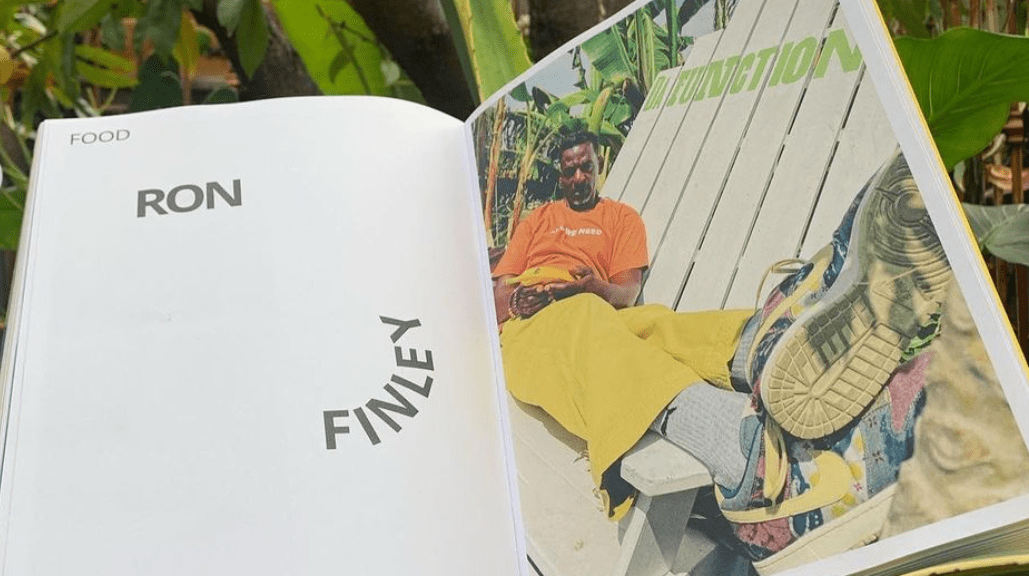
Ron Finley

Top dogs

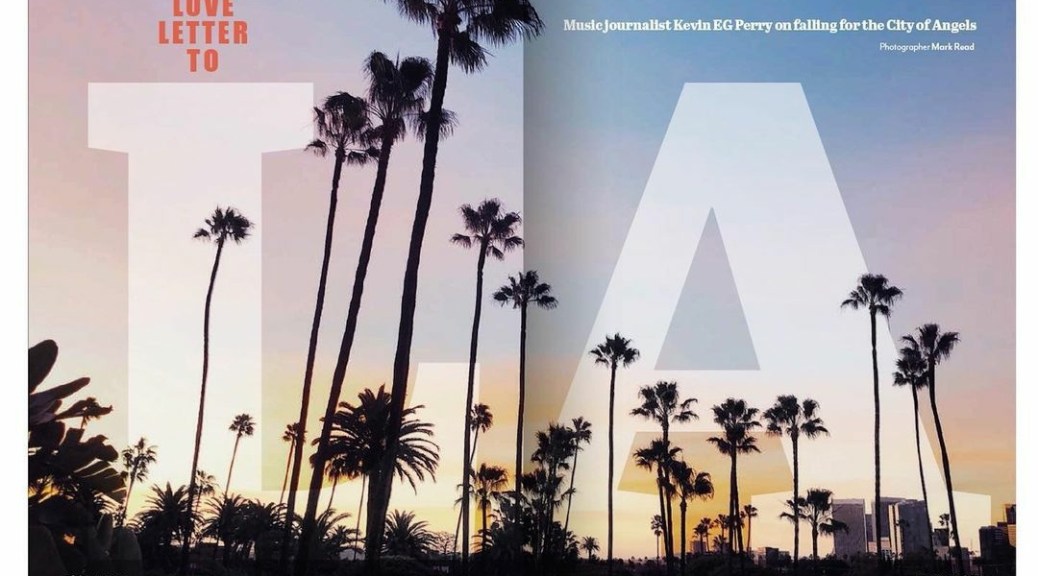
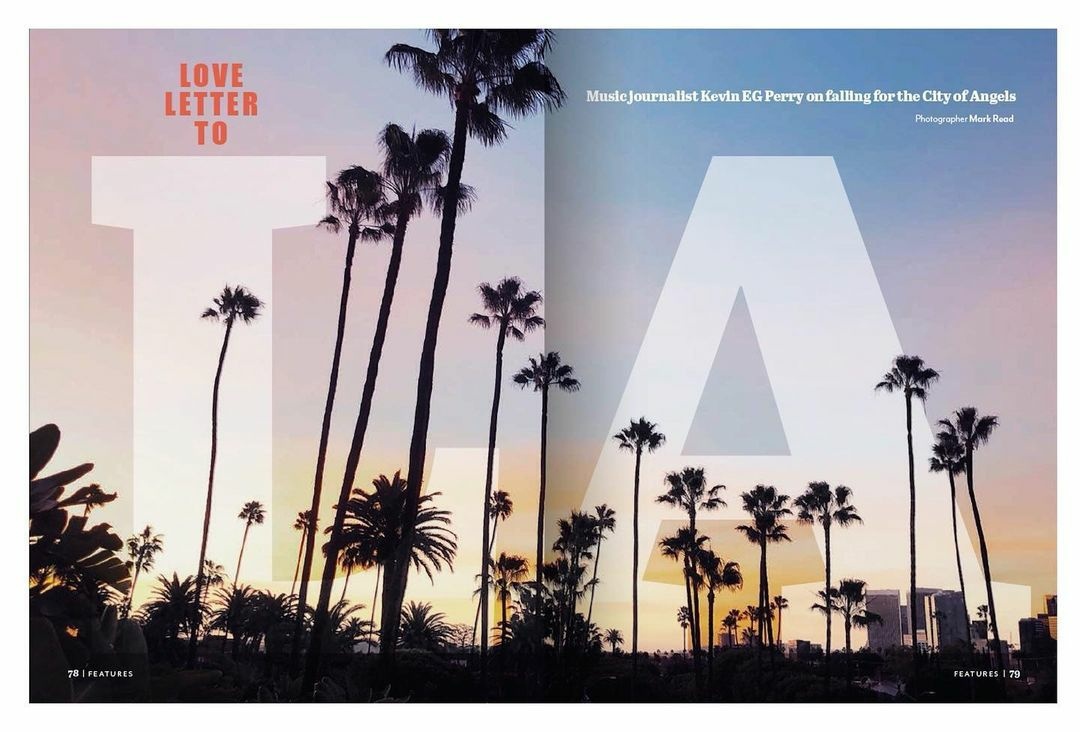
Love letter to LA

Lovely Chaps


Paris Jackson laid bare

Paris Jackson is tired of being told how normal she is.
World famous from the moment she was born, Michael Jackson’s only daughter says she has become accustomed to battling preconceived ideas about her character. ‘I’ve had more than a handful of people tell me, “Wow, when I met you I thought you were gonna be a bitch!”’ she says, the expletive barely past her lips before she starts trying to reel it back in. ‘Excuse my language. They’re like: “When I met you I thought you were gonna be a spoiled brat.” While that’s nice to hear, it’s also like, oh, people already think that before they even meet me. A lot of times I don’t have a chance to show people who I really am.’
Now aged 22, Jackson is taking her chance to show the world her true self — musically, at least. Her debut album, Wilted, is a collection of melancholy indie-folk inspired by the likes of Radiohead’s Thom Yorke and Californian band Grandaddy. While that may sound like a far cry from her father’s remarkable pop oeuvre, she counts his work among her influences, too. ‘I think he’ll always influence everything I do in some way, whether it’s subconscious or intentional,’ she reasons. ‘I was around that creativity all the time, so I’m sure I learnt a lot of what I have from that.’
 Kevin EG Perry: Collected Works